Language


 No results found
Cost of living in Santiago de Chile: Food, transport, and more
Find out how high the cost of living is in Santiago de Chile and get ready to live in one of the best capitals in South America.

If you’re looking for a destination in Latin America that combines the modern feel of a capital city with the impressive views of the Andes, Santiago de Chile is likely on your list. But how budget-friendly is it in 2026? This guide breaks down the cost of living in Santiago de Chile so you’ll know what to expect before you arrive at Arturo Merino Benítez Airport.
In this guide, we’ll break down the main expenses of living in Santiago, from renting in popular neighborhoods to grocery shopping, which many newcomers find surprisingly close to European prices, and using one of the region’s most modern metro systems. We’ll also cover essentials for remote workers, including internet plans, healthcare costs, and what it takes to enjoy the city’s restaurants, attractions, and leisure activities.
Santiago is a city full of contrasts, with some of the fastest and most affordable internet in the world, while the average grocery bill can be higher than in many neighboring cities.
Santiago is not the most affordable destination in the region, and it tends to be more expensive than cities like Buenos Aires or Lima. However, it offers a high quality of life and solid legal stability, factors that many digital nomads prioritize in 2026. Is it worth the investment? Keep reading to find out if the numbers fit your lifestyle and plans.
Average cost of staying in Santiago de Chile
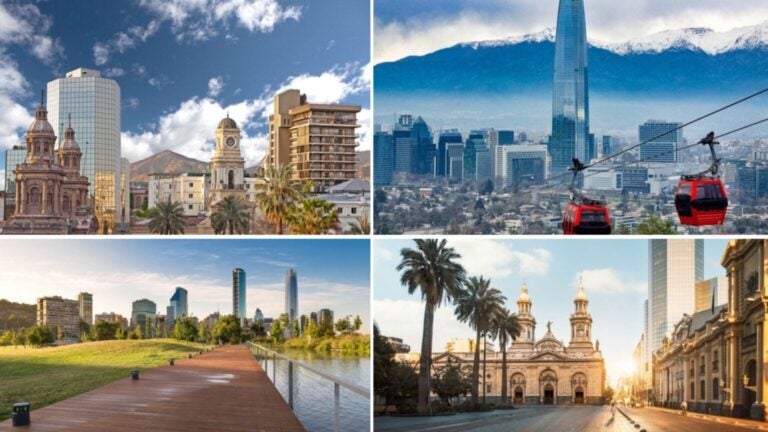
Housing is by far the biggest expense for anyone planning to settle in Chile’s capital. Unlike other cities where living in the city center is the obvious choice, in Santiago the neighborhood you choose will shape not only how much you pay, but also your access to quality services and, most importantly, your sense of security.
If you are a digital nomad or remote professional, areas like Providencia, Ñuñoa, and certain parts of central Santiago tend to offer the right mix of convenience, connectivity, and livability. High end districts such as Vitacura, or outlying neighborhoods that lack the infrastructure needed for smooth remote work, are usually not the top choice, so we will focus on the more practical alternatives. Here are some options to consider:
1. Furnished apartments (long stay)
This is the most popular choice for those planning to stay longer than three months. In neighborhoods like Providencia, a modern and fully equipped one bedroom apartment typically rents for between $700 and $950 per month.
It’s important to factor in building fees, which in Chile are usually not included in the rent. These cover things like maintenance, 24 hour security, and hot water, and can add an extra $80 to $120 per month to your housing costs.
2. Colivings: The “All-in-one” solution
Santiago has experienced a boom in coliving spaces, which are a great option if you want to avoid paperwork like needing a guarantor or paying large deposits. These places usually include high speed fiber internet, cleaning services, and shared social areas. Beyond the convenience they offer, they are also ideal for meeting like minded people, as they tend to attract digital nomads, remote workers, entrepreneurs, and sometimes international students from around the world.
With a coliving space, your rent usually covers accommodation, work areas such as coworking spaces, shared common areas, and utilities including internet. Many also organize community activities like themed nights or cooking workshops. It is a practical choice if you want to arrive, settle in quickly, and start working right away.
The cost? A private studio in a coliving space in Ñuñoa or downtown Santiago costs around $650–800.
3. Airbnb (monthly stays)
If you value complete flexibility, Airbnb can be a good option, though keep in mind that platform fees will increase the cost. For a one month stay in a safe and well connected area, you can expect to spend around $1,100.
Accommodation comparison table (monthly prices for 2026)
| Type of Accommodation | Cost in USD (Average) |
| 1-bedroom apartment (Providencia) | $850 |
| 1-bedroom apartment (Ñuñoa) | $650 |
| Studio in coliving | $750 |
| Airbnb (Central Area) | $1,100 |
Food prices
If you’re preparing to move to Santiago, keep in mind that groceries are a significant part of the cost of living and generally higher than in other cities in the region. Eating out or buying imported and processed foods can be as expensive as in cities like Madrid or Miami. The best way to manage this expense is to get familiar with how Chile’s retail and supermarket system works.
The grocery market is dominated by a mix of large international and local chains, each offering a different shopping experience. Lider, owned by Walmart, is the go-to for those looking to save with bulk purchases and high quality store brands. Jumbo, part of Cencosud, is positioned as a premium option, perfect for imported goods, electronics, and top quality fresh produce, though prices are generally 15-20% higher. Other chains like Unimarc, which is common in neighborhoods, and Tottus offer mid-range alternatives that balance price and convenience.
Want to know more? Be sure to read our guide to the best supermarkets in Chile.
In general, a single person who shops smartly at supermarkets and makes occasional stops at local markets can expect to spend between $250 and $400 per month on groceries. Here are some approximate prices for essential items to stock your pantry:
- Chocolate (100g bar): $2.50.
- Milk (one liter): $1.30.
- Eggs (12 units): $4.50.
- Chicken breast (1 kg): $8.50.
- Beef (premium cut, 1 kg): $14.50.
- Pasta (500g): $1.20.
- Coffee beans/ground coffee (250g): $7.
Shopping in Santiago offers a wide range of options, from budget-friendly wholesale stores to upscale boutique supermarkets. To make the most of your budget, local street markets, which pop up twice a week in most neighborhoods, are a great way to buy fresh fruits and vegetables at much lower prices.
Eating out
If you are someone who prefers to optimize your time and work from a café or restaurant, these are the average prices you will encounter in Santiago:
- Breakfast: A specialty coffee with a sandwich or a plate of eggs in an area like Providencia costs around $7.50.
- Lunch (Executive Menu): This is the most common option for locals, typically including a starter, main course, dessert, and a drink. In a safe office or residential area, the average cost is around $15.
- Dinner: In a neighborhood restaurant (nothing fancy, but good quality), dinner for one person with a drink or glass of wine costs around $22.

Transportation prices in Santiago de Chile
Getting around Santiago stands out for its technological efficiency. The Chilean capital has one of the most robust transportation systems in Latin America, with a metro network known for its reliability and digital integration that makes life much easier for remote workers.
The system operates with the Bip! Card, the only way to pay for buses and the metro. A helpful tip for staying productive is that most metro stations offer free Wi-Fi, making it easy to check emails while you travel.
1. Public transportation (Metro, bus, and taxi)
Santiago has an integrated fare system, which allows you to make up to two transfers between buses and the metro within 120 minutes while paying for just one ticket, or a small additional fee during peak hours.
- Metro (Rush Hour): $0.90.
- Metro (Off-Peak Hours): $0.80.
- Buses (Flat Rate): $0.80.
- Taxi: The initial fare is around $0.45, with an additional cost of $0.20 for every 200 meters traveled.
2. Mobility platforms (Uber and similar services)
Uber, Cabify, and Didi operate normally and are the preferred option for nighttime transfers or when carrying technical equipment.
- Average fare (15-20 min): $6.50.
- Airport transfer: Approximately $22 from downtown or Providencia.
3. Sustainable Mobility: Bicycles
Santiago is becoming an increasingly bike-friendly city. The most widespread public system is Bike Santiago (Itaú).
- Monthly subscription: $8.50. Allows unlimited trips of up to 60 minutes. It is an ideal solution for short journeys without having to rely on traffic.
4. Own vehicle and fuel
If you decide to buy a car to explore the outskirts (such as Cajón del Maipo or the beaches of Valparaíso), these are the reference costs for 2026:
- Gasoline (95 octane liter): $1.40.
- Electricity (kWh): $0.25. Chile is strongly promoting electromobility, so finding charging points in shopping centers is becoming easier.
- New vehicle (e.g., Suzuki Swift 2026): $16,000.
- Insurance: Mandatory insurance (SOAP) is inexpensive, around $7 per year, but comprehensive coverage for a standard car typically costs between $50 and $70 per month.
Riding the Santiago Metro is as smooth as in cities like Madrid or London, but at a fraction of the cost. For a digital nomad, being able to cross the city in 30 minutes without dealing with traffic is a major advantage.
Healthcare services
As a foreigner living in Santiago, you have the right to access the healthcare system. If you have residency and a work contract, it is mandatory to contribute 7% of your gross salary, either to the public system (Fonasa) or a private provider (Isapre).
For digital nomads with travel or health insurance, private clinics are usually the go-to option because of their efficiency and modern facilities. Investing in reliable coverage is especially important when living abroad, particularly in countries like Chile, where medical costs can be high.
1. Access for foreigners and private insurance
- Fonasa (Public): If you have residency, you can use this system. Costs are very low, with free services or small co-pays, but wait times for specialists can be long, which isn’t ideal if you need urgent care.
- Isapre / Private Insurance: For a young remote worker aged 25 to 35, a comprehensive private health plan typically costs between $150 and $250 per month. This type of insurance gives you access to top clinics such as Clínica Alemana or Clínica Las Condes.
2. Prices for common medical services
In Chile, consultation prices are handled under the concept of “private fee” if you do not have local health insurance or if your insurance reimburses you later.
| Medical Services | Cost in USD (Average) |
| General Medical Consultation | $65–90 |
| Routine Dental Cleaning | $45–70 |
| Simple emergency (without tests) | $120 |
| Appendicitis surgery (private) | $4,500–6,000 |
3. Over-the-counter medications
Pharmacies in Santiago (such as Cruz Verde, Ahumada, or Salcobrand) are everywhere. Here are the prices of some basic items for your medicine cabinet:
- Paracetamol (1g, 20 tablets): $2.50.
- Ibuprofen (600mg, 20 tablets): $3.50.
- Cold medicine (box of 10-12 capsules): $8.
For digital nomads settling in Chile, digital healthcare is also a big plus. The country is very advanced in telemedicine, allowing many general consultations to be handled via video call for around $25. If all you need is a prescription or a medical order, this can save you a lot of time.
Prices for internet and phone plans
If there’s one area where Santiago de Chile really stands out on a global level, it’s connectivity. Chile not only leads the region but often ranks among the top three countries in the world for fixed broadband speed, surpassing tech powerhouses like the United States and Japan. This means slow internet is the least of your worries.
1. Fixed internet
In Santiago, the focus of internet plans is not on reliability but on speed and how quickly you can send and receive data. Leading providers such as Movistar, WOM, and Entel offer symmetric connections so your upload speeds are just as fast as your downloads.
- Basic Plan (600 Mbps): $17.50 per month.
- Advanced Plan (940 Mbps / 1 Giga): $22 per month.
- Installation cost: Usually free if you sign up for more than six months, or there is a one-time payment of about $20.
2. Mobile Plans
The mobile market in Chile is very competitive, which has driven down the cost of data. Most current plans for residents include free access to social media apps like WhatsApp, Instagram, and Spotify without using up your data allowance.
- Standard Postpaid Plan (150 GB + Free Minutes): $11 per month.
- Premium Plan (450 GB + Roaming included): $18 per month.
- Prepaid: You can activate 10 GB packages for around $6.50 with a duration of 30 days.
3. Connectivity without borders: Holafly Plans
If you’re planning a medium-term stay or have just landed and need internet before even leaving the airport, an eSIM is the most convenient solution. This is where Holafly stands out for tech-savvy travelers, removing the hassle of finding a local store or dealing with contracts during your first days in the country.
With Holafly’s monthly plans, you get a reliable connection from the moment you arrive. This is especially useful for those who need to keep their workflow running smoothly on platforms like Slack, Zoom, or VPNs without relying on public Wi-Fi. You also keep your original WhatsApp number and avoid international roaming fees, all managed through an app with 24/7 support.
The best part is that the same plan gives you internet in over 160 countries without having to swap your eSIM every time you cross a border. It’s perfect if you plan to visit Argentina, Peru, Colombia, or other destinations across South America.
The Unlimited plan costs $64.90 per month and includes unlimited data, 5G access, and the option to share your connection with other devices. If you choose the annual plan, the monthly cost drops to $49.90, which saves you over 20%.
Important: If you are a frequent traveler and want to stay connected without worrying about expensive roaming or looking for a new SIM at every destination, Holafly’s subscription plans are for you. With a single eSIM, enjoy internet in more than 160 countries for a fixed price and no surprises on your bill. Travel without limits and connect easily and securely! 🚀🌍

Cost of leisure activities in Santiago de Chile
Another factor that influences the cost of living in Santiago de Chile is related to leisure and entertainment.
Chile’s capital offers a lively cultural and recreational scene, perfect for unwinding after a day of remote work. From sprawling city parks to top-tier cultural centers, Santiago has leisure options for every budget, although high-end or international experiences can cost as much as those in major global cities.
Entertainment in Santiago also fits your lifestyle. You can take free walks through the hills or splurge on high-tech experiences with panoramic city views.
Here are the reference costs for 2026.
1. Common leisure activities
For those looking for everyday activities to unwind, these are the average prices you will find in the city’s main neighborhoods:
- Movie theater (regular screening, 2 tickets): Around $13.50. It’s common to find promotions through banks or telecom companies that can cut this price in half.
- Theater (general admission): $15-35. Santiago has a very active theater scene, with venues such as the Municipal Theater and the Nescafé Theater of the Arts.
- Buin Zoo (adult admission): $17. It is one of the most modern zoos in South America and a must-see attraction on the outskirts of the city.
- Gym (standard chain monthly fee): $40–60.
2. Digital services and TV
As a remote worker, your digital entertainment tools are part of your budget too. Subscription prices in Chile are generally quite competitive:
- Netflix (Standard Plan): $10.50.
- Disney+ / Star+: $12.
- Cable TV + Internet subscription (Package): $35–50, depending on the number of HD channels and the fiber optic speed chosen.
3. Tourist attractions and experiences in the city
If you want to be a “tourist in your own city” over the weekend, these are the key places you should visit:
- Sky Costanera: Visiting the highest lookout point in South America costs around $25. On a clear day, the view is breathtaking, letting you take in the entire mountain range without any obstructions.
- Cerro San Cristóbal Cable Car (round trip): $6. It is the green lung of the city and offers one of the best panoramic views of Santiago.
- Chilean Museum of Pre-Columbian Art: For residents, admission is about $3.50, while international visitors pay around $13. The venue offers world-class cultural facilities.
Money-saving tip: Many museums in Santiago are free on the last Sunday of each month, or offer discounted rates for residents with a Chilean ID (RUT). Taking advantage of these perks is the smartest way to enjoy everything the city has to offer.

How high is the cost of living in Chile?
To help you plan accurately, we’ve put together an estimated monthly budget for 2026 based on all the data above. These figures cover housing in safe neighborhoods like Providencia or Ñuñoa, food, public transportation, utilities, and a portion for leisure.
1. Budget for a single person
If you are a digital nomad looking for a studio or one-bedroom apartment and working from home or a coworking space, your average monthly expenses would be:
- Estimated total: $1,350–1,600.
- Key breakdown: Rent and building fees will take up roughly half of this budget, with the remainder going toward quality food and high-speed internet.
2. Budget for a couple
Sharing expenses significantly reduces the per capita cost, especially for housing and basic services such as internet and electricity.
- Estimated total: $2,100–2,500.
- Key breakdown: This budget allows you to live in a larger two-bedroom apartment in neighborhoods like Las Condes or Barrio Italia while still enjoying an active social lifestyle.
3. Budget for a family of four
For a family with two children, costs escalate due to private (or subsidized) education and higher spending on healthcare and private transportation.
- Estimated total: $3,800–4,600.
- Key breakdown: This includes a three-bedroom apartment, comprehensive health insurance (Isapre), and expenses related to a family vehicle.
Frequently asked questions about the cost of living in Chile
Providencia is still the top choice. While rent can be around $850, the neighborhood makes up for it with plenty of cafés offering fast Wi-Fi, a safe environment, and easy access to the Metro on Lines 1 and 6. If you’re looking for a slightly cheaper option with a lively tech and cultural scene, Ñuñoa is an ideal pick for 2026.
In Chile, restaurants suggest a 10% tip by law. While technically optional, it’s considered standard etiquette for good service. When planning your monthly food budget, it’s wise to include this extra 10% for dining out to avoid unexpected expenses.
For someone living in a 45 m² studio, basic utilities usually run between $60 and $80 per month. Don’t forget to add building fees, which can add another $80. During winter (June to August), electric heating can double your electricity bill if you don’t manage usage carefully.
It isn’t absolutely required, but having a local card can make things much smoother. Many delivery and service apps in Chile work best with Chilean payment methods. As a foreigner, you could open a Cuenta RUT if you have a Chilean ID/RUT, or rely on international travel cards that let you pay in pesos without heavy currency conversion fees.
Chile has one of the most competitive mobile data markets in the world. As mentioned, a 150 GB plan can cost as little as $11. However, if you’ve just arrived and don’t have a RUT, getting a postpaid plan is nearly impossible. In that case, the easiest solution is to use Holafly’s unlimited data plans, which let you stay connected from the moment you land without dealing with local paperwork.
Plans that may interest you

Hi! I'm a Spanish-English translator working with Holafly, helping bring travel content to life for curious travelers. As a digital nomad with a passion for exploring, I'm always adding new spots to my bucket list. If you love to travel like me, stick around because you're in the right place to find inspiration for your next trip! ✈️🌍