




 Language


 No results found
Cost of living in Montevideo: Food, transport, and more
Discover the cost of living in Montevideo in 2026: rent, food, transportation, healthcare, internet, and leisure.

Moving to Montevideo can be appealing thanks to its high quality of life, relaxed pace, and proximity to the sea. But before making the move, it’s important to understand the cost of living in Montevideo. This article provides a clear and up-to-date overview for 2026.
This guide breaks down the main day-to-day expenses in Montevideo. You’ll get a sense of housing costs, which tend to be the highest, everyday food prices, and transportation, which is well-organized with consistent fares. We’ll also cover healthcare, internet and phone services, and leisure activities, giving you a realistic picture of what living, working, or staying in the city really costs. Read on to see if Montevideo matches your lifestyle and budget.
Average cost of staying in Montevideo
Montevideo offers a variety of housing options to suit different budgets and lifestyles, from short-term stays to places designed for longer stays. Here’s an overview of the most common types of accommodation and their average costs, so you can compare and choose the one that best fits your plans and needs.
Hotels (short stays)
If you’re just arriving or need a comfortable place while searching for something long-term, mid-range hotels are a common choice. In Montevideo, a night in a standard hotel typically costs between $70 and $300, depending on the location and amenities. This option is convenient at first, but it can get expensive if you plan to stay for more than a few days.
Furnished apartments (monthly rent)
If you’re planning to stay a month or longer, renting a furnished apartment is usually the most convenient and cost-effective option. A one-bedroom apartment in popular neighborhoods like Pocitos, Punta Carretas, or Buceo typically ranges from $600 to $1,000 per month. A two-bedroom apartment generally costs between $800 and $1,500 per month, depending on the area and included amenities.
These prices apply to apartments with basic amenities, such as a fully equipped kitchen, good security, and a convenient location. They’re ideal for living comfortably without overpaying.
Colivings
Colivings offer private rooms along with shared spaces and internet, making them a great choice for digital nomads. In Montevideo, a room in a well-equipped coliving typically ranges from $500 to $1,000 per month. They provide a more social and flexible environment than a regular rental, often including perks for remote work and opportunities to meet new people.
Airbnb and vacation rentals
If your stay is short, Airbnb can be a convenient choice. In Montevideo, a night typically costs between $60 and $75, depending on the neighborhood and season. For stays longer than a month, many hosts offer discounts, bringing the total closer to the cost of a traditional rental, though utilities like water or electricity aren’t always included.
Cost of food in Montevideo
Food is one of the biggest everyday expenses when it comes to the cost of living in Montevideo, and it can vary a lot depending on whether you cook at home or eat out frequently. In this section, we look at the prices of basic supermarket items and the average cost of meals at typical local restaurants, giving you a clear idea of what to budget for food day to day.
Prices of basic food items in supermarkets
Prices vary depending on where you shop, but checking major supermarkets like Devoto, Tienda Inglesa, and Disco, along with local markets, gives a good idea of what everyday items usually cost.
- Milk (1 liter): ~ $1.16
- Eggs (dozen): ~ $4.75
- Rice (1 kg): ~ $1.56
- Beef (1 kg): ~ $10.03
- Chicken breast (1 kg): ~ $7.55
- Tomatoes (1 kg): ~ $3.35
- Apples (1 kg): ~ $2.86
- Bread (500 g): ~ $2.35
These prices reflect basic fresh items that are part of a typical shopping list for locals. Imported or gourmet foods tend to cost significantly more because of taxes and import duties.
Typical restaurant meal costs
Eating out also varies depending on the type of place. Here are average prices in establishments geared toward residents:
- Breakfast at a local café: ≈ $4–8 per person (coffee + croissant or similar).
- Average lunch at a casual restaurant: ~ $13–15 per person for a full menu including a drink.
- Dinner at a mid-range restaurant: Around $25 to $30 per person at simple, casual restaurants, ideal for locals who eat out once or twice a week.
At popular restaurants, a simple meal costs from $13 and a more complete menu can reach $55.
If you are going to live in Montevideo for several months, combining supermarkets and restaurants helps keep your budget under control.
Transportation prices in Montevideo
Transportation is a major part of the cost of living in Montevideo and can vary widely depending on how you get around. In this section, we break down the most common expenses, from public and shared transport to using your own vehicle.

Getting around is a key daily expense in Montevideo and costs vary depending on your mode of transport. The city’s bus network covers most areas, with fares around $1.30–1.40 per ride, and a monthly pass at about $46, making it a practical choice for daily commuters.
For occasional trips, taxis and Uber are reliable options. Taxi fares start at around $1.70, while short UberX rides usually begin at about $8, varying by time and demand. They’re convenient for getting around at night or when you have luggage.
If you drive, gasoline costs around $1.80 to $2.20 per liter. Shared bikes offer an affordable and eco-friendly alternative, with monthly plans between $40 and $60. Owning a car adds expenses like insurance, which runs about $200–300 per year, and a popular new model can cost $37,000–39,000, making it a significant long-term investment.
Healthcare costs in Montevideo
Montevideo has a high-quality healthcare system accessible to residents, so it’s important to understand the costs if you don’t have insurance. Here, we explain clearly how the system works, what expenses to expect, and how to budget for healthcare in 2026.
Access to healthcare as a foreigner
Uruguay has a National Integrated Health System (SNIS) that combines public and private services, and legal residents can access public care if they contribute to the system. This means that if you work and make contributions, you can receive public healthcare or significant discounts on medical services.
Private health insurance in Montevideo
Having private health insurance is common if you live in Montevideo for several months, as it enables quick access to care.
- Basic plans with general coverage: From around $80–150 per month for local options, which usually include doctor’s appointments, some tests, and basic hospitalization.
- More comprehensive or extensive plans: These can range from $150 to $250 per month, offering access to more services, specialists, or even some dental coverage.
- International or global options: If you plan to travel between countries too, there are plans that can cost from $180 per month, with more comprehensive benefits.
This type of insurance helps you control high expenses, speed up your appointments, and give you greater peace of mind if you require frequent medical care.
Healthcare costs without insurance
If you don’t have private insurance or aren’t covered by the public system, prices can vary, but overall healthcare in Uruguay is generally more affordable than in many European or North American countries.
Medical consultations and services:
- General medical consultation: Around $50–100.
- Consultation with a specialist: Between $70–150.
- Emergency without hospitalization: ~$100–200.
- Private hospital stay per day: ~$500–1,000 depending on the type of room and services.
These are average costs and can vary depending on the clinic, the urgency, and the level of specialization needed, but they provide a realistic idea of what you might pay out of pocket if you’re uninsured or if your plan doesn’t cover certain services.
Price of some over-the-counter medications
Medication in Uruguay is generally cheaper than in many Western countries, and if you’re enrolled in a mutual or health plan, you’ll often receive additional discounts.
Some approximate ranges for common medications (without insurance):
- Basic pain relievers or similar: Between ~$8–25 depending on brand and dosage.
- Commonly used generic medications: Generic options tend to be on the lower end, while brand-name products can cost more, but overall, prices in Uruguay are moderate compared to other countries.
If you are affiliated with an insurance company or mutual insurance company, many medications come with significant discounts or are included in your coverage.
Prices for internet and phone plans
In Montevideo, most homes use fiber-optic internet, which is stable and fast enough for working or studying from home, making it a regular part of the city’s cost of living. Basic plans start at about $30 per month, while higher-speed options for multiple devices or intensive remote work usually run between $60 and $80 depending on speed and features.
Local mobile plans (calls and data)
Mobile plans in Montevideo generally offer good value for data and calling. A monthly plan with data and unlimited domestic calls usually costs between $12 and $22, while plans with more data can go up to $27–30. Keep in mind that many plans require a contract, which is worth considering if you’re staying temporarily.
Holafly monthly plans with unlimited data
For travelers or anyone who needs flexibility, Holafly’s monthly plans are a convenient solution. They provide unlimited mobile data in over 160 countries, including Uruguay, without requiring a local contract. Using an eSIM, you can connect to local networks from the moment you arrive, making it ideal for digital nomads or short stays.
Important: If you are a frequent traveler and want to stay connected without worrying about expensive roaming or looking for a new SIM at every destination, Holafly’s subscription plans are for you. With a single eSIM, enjoy internet in more than 160 countries for a fixed price and no surprises on your bill. Travel without limits and connect easily and securely! 🚀🌍

Cost of leisure activities in Montevideo
Spending your free time in Montevideo can be enjoyable without overspending, especially if you know what the cost of living in Montevideo looks like and what leisure activities typically cost. From movies and theater to sightseeing or streaming entertainment at home, here’s a guide to real prices to help you plan your 2026 leisure budget with ease.
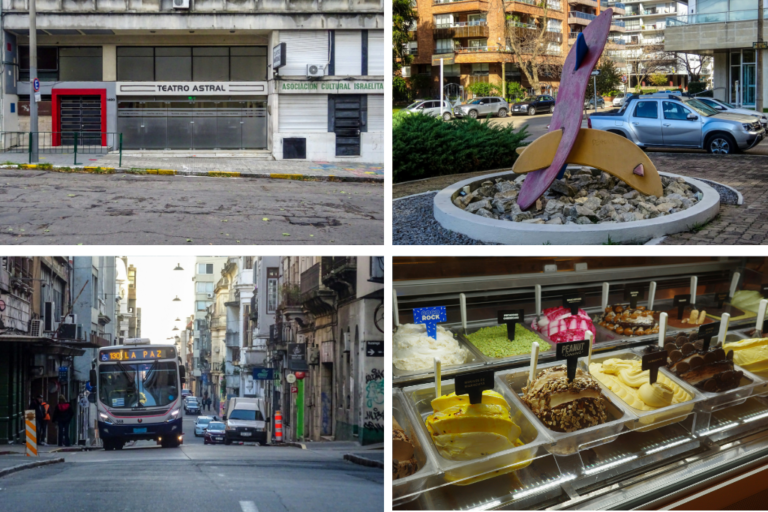
- Movies and cultural entertainment: Going to the movies is one of the most popular and affordable ways to spend free time. In Montevideo, a single movie ticket usually costs around $10 to $12. The city also has plenty of cultural options, including local theater performances, shows, and events at cultural centers, often at prices much lower than in larger markets.
- Tickets to tourist attractions and leisure venues: Montevideo offers a variety of outdoor and cultural spaces with very affordable prices. For example, entry to the Montevideo Zoo is usually around $20.
- Streaming platforms and home services: If you prefer entertainment at home, streaming subscriptions are also a regular part of leisure time. Popular platforms like Netflix or Disney+ typically range from about $8 to $15 per month depending on the plan and whether you choose basic, standard, or premium.
- Other common leisure activities: Montevideo has a vibrant cultural scene, with concerts, live music, community events, and a variety of performances. Prices vary depending on the type of show and venue, but smaller or mid-sized events are generally more affordable than large international concerts, making it easy to enjoy the local scene without spending a lot.
How much does it cost to live in Montevideo?
The cost of living in Montevideo is among the highest in South America, but it also comes with a strong quality of life, stability, and reliable services. For someone living alone, average monthly expenses typically range between $1,300 and $1,800. This estimate includes a furnished one-bedroom apartment in a safe area, groceries combined with occasional meals out, public transportation, internet and phone service, basic private healthcare, and some leisure activities.
For a couple, monthly expenses typically range from $2,000 to $2,500, mainly due to higher housing and overall living costs, although some expenses are shared. For a small family, the budget can exceed $2,800 to $3,200, especially when factoring in a larger home, private schooling, and higher healthcare and transportation costs.
Overall, Montevideo is not a low-cost destination. The cost of living in Montevideo reflects a balance between higher prices, quality services, solid infrastructure, and a relaxed pace of life. Careful budgeting and making thoughtful choices about housing and spending habits are key to living comfortably without financial stress.
Frequently asked questions about the cost of living in Montevideo
For a single person, monthly living costs typically range from $1,300 to $1,800, covering rent, groceries, transportation, utilities, healthcare, and some leisure expenses.
Yes. Grocery shopping and cooking at home is significantly cheaper than eating out every day. Many residents mix both options to balance costs and convenience.
A furnished one-bedroom apartment in a well-located neighborhood typically costs between $600 and $1,000 per month. Prices go up if you’re looking for more space or a place closer to the waterfront.
Yes. The bus network covers most of the city and is an affordable, practical option for everyday commuting. Many residents don’t need a car, especially if they live in well-connected neighborhoods.
It depends on your lifestyle, but one person might spend between $100 and $200 per month on movies, occasional dining out, cultural events, and streaming subscriptions.
Plans that may interest you


Hi! I'm a Spanish-English translator working with Holafly, helping bring travel content to life for curious travelers. As a digital nomad with a passion for exploring, I'm always adding new spots to my bucket list. If you love to travel like me, stick around because you're in the right place to find inspiration for your next trip! ✈️🌍