







 Language


 No results found
Cost of living in El Salvador: Food, transport, and more
Cost of living in El Salvador in 2026: find out how much it costs to live, eat, get around, and enjoy the country

If you are thinking about living in El Salvador for a while, or even making it your permanent home, understanding the cost of living in El Salvador in 2026 will help you decide if it is the right choice. This guide gives you a clear and practical look at the cost of living, covering housing, food, transportation, utilities, and the everyday expenses that are often overlooked.
Many people see El Salvador as a budget friendly place to live, and in several ways that is true. Dining out is often more affordable than expected, and transportation continues to be relatively inexpensive compared to much of the region. At the same time, costs like rent in desirable neighborhoods or certain services can add up quickly and raise your monthly expenses more than you planned. It is not simply a cheap country or an expensive one. Your overall costs will depend largely on your lifestyle and the specific area where you decide to live.
Throughout this guide, we will break down the main monthly expenses, with updated prices, so you can review the numbers at your own pace and compare El Salvador with other destinations. If you want a realistic idea of how much you would actually need each month and which costs take up the biggest share of your budget, keep reading. Here is what you should know before making the move!
Average cost of accommodation in El Salvador
Accommodation will likely be your largest monthly expense in El Salvador, and it can vary widely based on the area, the kind of place you choose, and whether you are staying short or long term. In this section, we look at solid, livable options that offer comfort and security, ideal for someone planning an extended stay who wants dependable services and a calm environment.
Furnished apartments
For medium to long stays, this is usually the most balanced choice. A furnished one-bedroom apartment in a well-located area of San Salvador or in a safe residential neighborhood typically costs between $760 and $880 per month.
If you need more space, like a two-bedroom apartment or bigger common areas, the monthly cost usually ranges from $900 to $1,250. At this level, the price depends on the neighborhood and the services or amenities the building offers.
Airbnb for monthly stays
Many expats choose Airbnb when they want flexibility or prefer to avoid signing a lease. For a 28-night stay, a fully equipped apartment typically costs between $1,146 and $2,089 per month.
It is a practical option to start with, although in the long term it tends to be more expensive than renting directly.
Mid-range hotels
Staying in a hotel can work for a short period but not for the long term. A decent three star hotel with basic amenities costs around $71 per night. Over a full month, this adds up to more than $2,100, making it an impractical option for extended stays.
Coliving
Coliving is not yet as widespread as in other countries, but it is starting to become an option for those looking for private rooms, shared spaces, and a sense of community. Prices start at around $405 per month and can vary widely depending on location and included amenities.
Cost of food in El Salvador
Food costs in El Salvador are often one of the first things that surprise newcomers. Cooking at home and shopping at major supermarkets is quite affordable, and if you enjoy eating out, there are plenty of options aimed at locals with reasonable prices and generous portions.
To give you a clear point of reference, we use Walmart El Salvador as an example. It is a well known international chain where both locals and expats often shop. While it is not the cheapest supermarket in the country, it is one of the most consistent when it comes to prices and quality.
Approximate prices of basic products in supermarkets
| Product | Average price |
| Milk (1 liter) | $1.75 |
| Eggs (15) | $3.70 |
| Pasta (250 g) | $1.22 |
| Chicken breast (500 g) | $2.05 |
| Beef (500 g) | $5.50 |
| Ground coffee (200 g) | $2.19 |
| Individual chocolate bar | $1.79 |
With these prices, a basic weekly grocery shop for someone who cooks at home is quite affordable, especially if you mix supermarket shopping with local markets for fresh fruits and vegetables.
How much does it cost to eat out on a daily basis?
Eating out in El Salvador is not an occasional luxury. For many residents, it is part of their daily routine, especially for breakfast and lunch.
- Breakfast at a local restaurant: A full breakfast with eggs, beans, bread or plantains, and coffee usually costs between $5.95 and $6.75.
- Lunch with a set menu: At casual but well run restaurants, lunch usually costs around $7.50, typically including a main dish and a drink.
- Dinner à la carte: If you go out for a relaxed dinner at a standard restaurant, a meal for two usually comes to around $30 in total.
Cooking at home is clearly cost effective, and eating out occasionally does not put a strain on your budget. Food can be easily included in a balanced cost of living in El Salvador in 2026, especially if you follow habits similar to those of local residents.
Transportation prices in El Salvador
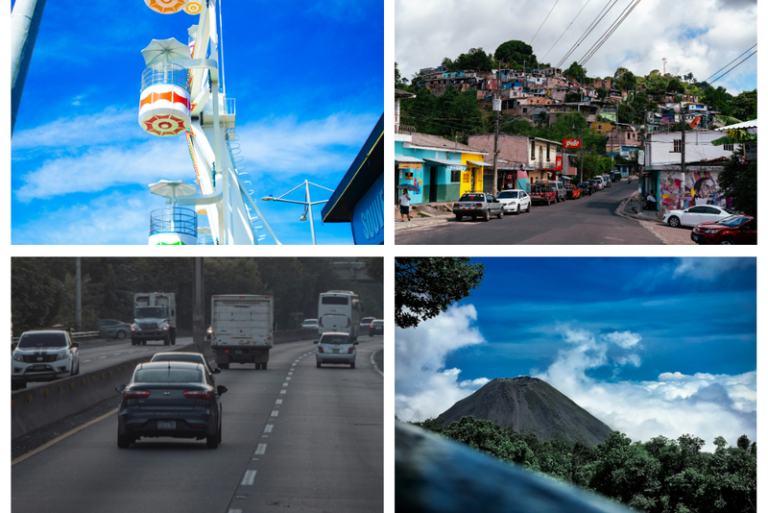
Getting around El Salvador is usually not a major monthly expense, especially if you travel like the locals do. The country offers very affordable buses, ride hailing apps like Uber, and private cars, though owning a car naturally comes with higher costs.
Public transportation
El Salvador does not have a subway system, so public transport mainly relies on buses and minibuses. Fares are regulated and very affordable, ranging from $0.20 to $1.86 depending on the distance and route. For many locals, this is the everyday way to get around, as it helps keep daily expenses low.
Taxis and Uber
Taxis work, but the price often depends greatly on the area and prior agreement. As a general reference:
- The starting fare is around $6.
- Each additional kilometer can cost around $3.05.
Many people opt for Uber or similar apps, not always to save money, but because you can see the fare in advance and skip the negotiation. Prices vary with traffic, time of day, and demand.
Gasoline and electric cars
If you decide to own a car, the cost goes up, but it is still manageable compared to other countries:
- Gasoline: Around $1.02 per liter, with prices updated every few weeks.
- Electric cars: The cost of electricity per kWh depends on your usage and the provider, but residential rates for energy and distribution generally stay at moderate levels. Solar power is becoming more common as an alternative, though it is still not widespread.
Bicycle
Cycling is more for leisure than a primary mode of transport, but it is available. For instance, in urban parks you can rent a bike for:
- $1.50 for 30 minutes
- $3.00 for 1 hour
It’s not a substitute for daily transportation for everyone, but it’s a nice option for short trips or weekends.
Vehicle insurance
Insurance costs vary widely depending on the car, its year, and the coverage you choose. There is no single standard price, but official calculators allow you to get a clear quote based on your situation. For car rentals, some additional coverage options typically cost around $15–16 per day as a reference.
If you are planning to stay longer, buying a car could be worth considering. A globally popular model like the Toyota Corolla Hybrid starts at around $29,350 with taxes included. This gives a good idea of the investment involved in owning a vehicle.
Healthcare costs in El Salvador
When you consider spending some time living abroad, healthcare quickly becomes a key question: What will I do if I get sick? Where can I go, and what will it cost me?
In El Salvador, the answer is usually more straightforward than many people imagine, as long as you understand how the system works and make informed decisions.
Access to public healthcare as a foreigner
Foreigners can access the public healthcare system, particularly in emergencies, and having legal residency makes routine visits easier. In reality, however, many expats use public services as a safety net while relying on private clinics for regular care, mainly because appointments are faster and the attention feels more personal.
Private healthcare: Fast, transparent, and affordable
Private healthcare is widely used in El Salvador, both by locals and foreigners, and its prices are relatively affordable.
- General medical consultation: Typically costs between $40 and $70, depending on the specialist and clinic.
- Basic lab tests: These usually range from $25 to $80.
For a one-off consultation, these costs are usually affordable without insurance, which gives you a lot of flexibility in your day-to-day life.
Dentistry and routine checkups
Dental care is another strong point of the private system.
A dental check up typically costs around $40, and a professional cleaning is usually about $50. For this reason, many people take the opportunity during their stay to catch up on basic dental care.
Hospitalization and surgery – Where planning is advisable
Hospitalization in a private clinic can cost between $200 and $600 per day, depending on the center and the type of room.
For a procedure like an appendectomy, costs can vary widely, ranging from $2,000 to $15,000. This is where having health insurance really matters, helping protect your budget from a major financial hit.
Private health insurance
The cost of health insurance depends on your age, the coverage you choose, and whether the plan is local or international. While it is not always necessary for minor check ups, many expats get it as a safety net for major unexpected expenses rather than as a regular monthly cost.
Commonly used medications
Basic medications are affordable and easy to obtain:
- Paracetamol: Approximately $0.27 per tablet
- Ibuprofen: Around $0.16 per tablet
- Loratadine: Around $0.79 per tablet
Prices for internet and phone plans in El Salvador
Internet in El Salvador is generally reliable and stable for everyday use, whether you work remotely or just need it for navigation, communication, and entertainment. That said, as in many countries in the region, there is a noticeable difference between home broadband and mobile data.
Fixed internet at home: Stable for long stays
If you rent an apartment for several months, it’s common to get a fixed internet connection or choose a place where it’s already included. Residential plans usually provide speeds sufficient for streaming, video calls, and online work.
- Basic–medium plans (50–100 Mbps): Between $30 and $45 per month.
- Faster plans (150–300 Mbps): Around $50 to $70 per month.
For a single person or couple working from home, mid-range plans are usually more than enough.
Local mobile plans
Traditional mobile plans work well for everyday use, but often have data limits or fair use policies.
- Prepaid or basic monthly plans: From $10–20 per month.
- Plans with more data and unlimited calls: Between $25 and $40 per month.
These are a good option if you are staying for several months and do not need to be connected all day, but they may fall short for intensive remote work.
Holafly Plans
This is where many short term travelers look for a more convenient option. Holafly offers mobile data plans with eSIM, which work in El Salvador and over 160 other countries without the need to swap a physical SIM card.
- eSIM for El Salvador: Perfect if you’re only visiting for a short time or want internet access from the moment you land.
- Holafly Monthly Plans: With unlimited data, designed for those who travel between countries or work remotely and don’t want to rely on Wi-Fi or local plans.
The biggest advantage is not just saving money but convenience. With an eSIM, you are online as soon as you land and stay connected across borders. For many travelers, avoiding the hassle of finding a store, comparing carriers, or switching numbers makes it well worth it.
Important: If you are a frequent traveler and want to stay connected without worrying about expensive roaming or looking for a new SIM at every destination, Holafly’s subscription plans are for you. With a single eSIM, enjoy internet in more than 160 countries for a fixed price and no surprises on your bill. Travel without limits and connect easily and securely! 🚀🌍
Cost of leisure activities in El Salvador
One of the most appealing aspects of living in El Salvador is that enjoying your free time does not have to cost much. Going to the movies, exploring a natural park, visiting a tourist site, or just planning a cultural weekend outing is quite affordable for both locals and foreigners.
In El Salvador, leisure activities are rarely costly on their own; most of the expense comes from extras like getting there, meals, treats, or optional activities. Still, it is generally easy to enjoy an active social life without overspending.
Daily activities
Going to the movies remains one of the most popular activities. A ticket usually costs between $5 and $6, which is quite reasonable. Of course, as in most countries, the total cost goes up once you add popcorn, drinks, or if you go with a partner or a group.
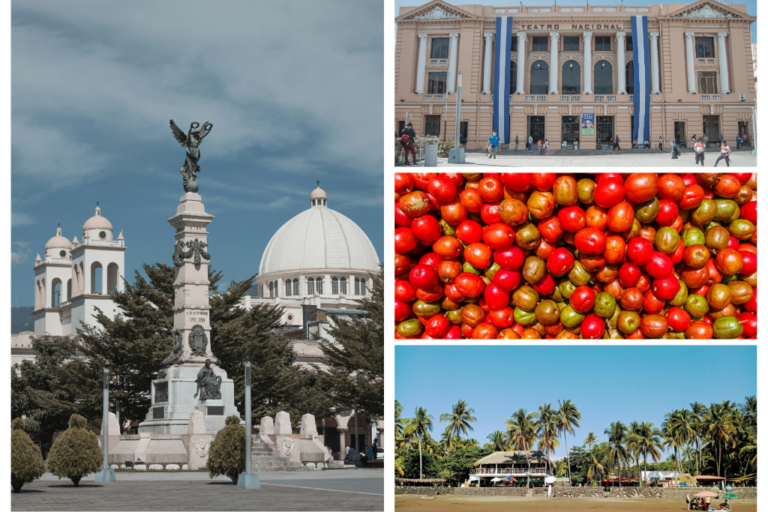
If you enjoy culture, a visit to the National Theater is a great option. Tickets usually range from $1 to $3, depending on whether you are a local or a foreigner and on the event.
If you prefer more relaxed or family friendly outings, the National Zoo is also very affordable, with tickets in a similar range of $1 to $3. This makes it an easy option to fit into your budget for a casual day out.
For entertainment at home, streaming services are priced similarly to other countries. For example, Netflix starts at $7.99 per month, making it a common part of many people’s regular monthly expenses.
Tourism and outdoor activities
El Salvador is particularly notable for its outdoor activities, and this is where leisure becomes very affordable.
- Cerro Verde Natural Park: Admission is about $1.50 for locals and $3 for visitors. It’s an ideal way to take a walk, unwind, and enjoy nature without spending much at all.
- Walter Thilo Deininger Park: Admission ranges from $5 to $10, depending on whether you are a resident or a foreigner.
- Puerta del Diablo: General access is free. You only pay if you want to visit specific areas like Peñas El Chulo or El Chulón, where tickets cost between $1.50 and $3.
- Sunset Park: Admission is free, and rides cost between $1 and $3 each.
At many of these spots, you can easily spend a full day without spending much on admission, and your total cost usually depends more on meals, transportation rentals, or extra activities.
How much does it cost to live in El Salvador?
Living in El Salvador in 2026 can offer a good balance for those looking for a destination where your budget stretches without sacrificing comfort. A single person can generally cover rent in a safe area, food, transport, internet, and some leisure activities without feeling tight at the end of the month. For couples, sharing housing and bills makes day to day living more affordable and leaves more room to enjoy weekends and free time comfortably.
For families, living in El Salvador comes with higher expenses, mostly for housing and food, but it is still more affordable than many other countries in the region. Overall, it is possible to enjoy a good quality of life without luxury, as long as you choose your home wisely and adapt your lifestyle to the local way of living.
Frequently asked questions about the cost of living in El Salvador
Overall, the cost of living in El Salvador is moderate and often lower than in many other Central American and Caribbean countries. Housing and food can be quite affordable if you stick to typical residential areas and follow local habits. The biggest variations in your budget come from housing choices and whether you rely on private services like healthcare, a personal car, or frequent dining out.
It really depends on your circumstances. A single person can live comfortably on a modest budget by controlling rent and balancing home cooking with the occasional meal out. Couples can save significantly by sharing housing and bills. For families, costs go up mainly because of housing and food, but overall, it is still quite affordable compared with other destinations.
Not really. Eating out is a normal part of everyday life for many locals, and there are plenty of options that fit a local budget. You can have breakfast or lunch out without spending much, and save fancier dinners for special occasions without it adding up too much to your monthly expenses.
Public transportation is very affordable and helps keep the cost of living in El Salvador low. Still, many people mix bus travel with Uber or taxis for convenience. Owning a car adds flexibility but also increases monthly expenses for fuel, insurance, and maintenance.
These are usually not the most costly items. Routine medical visits and basic medications are affordable, though having insurance is recommended for hospital stays. Internet, both home and mobile plans, is reliable and does not put a heavy strain on a monthly budget.
Plans that may interest you


Hi! I'm a Spanish-English translator working with Holafly, helping bring travel content to life for curious travelers. As a digital nomad with a passion for exploring, I'm always adding new spots to my bucket list. If you love to travel like me, stick around because you're in the right place to find inspiration for your next trip! ✈️🌍
