



 Language


 No results found
Cost of living in Curaçao: Food, transport, and more
Discover the cost of living in Curaçao in 2026: prices for rent, food, transportation, healthcare, internet, and leisure.

Living in the Caribbean sounds like a dream, but once you look at the numbers, it is only natural to wonder whether it fits your budget. This guide to the cost of living in Curaçao breaks down everyday expenses like housing, food, transport, utilities, healthcare, and leisure, highlighting the higher costs of rent and imported goods alongside other more moderate expenses. By the end, you will have a clear picture to help you decide if Curaçao is the right place for your next move.
Average cost of accommodation in Curaçao
When you think about moving to an island like Curaçao, housing is usually the expense that raises the most questions. It is where prices vary the most and where the difference between visiting and actually living there becomes clear. The good news is that you do not have to choose between luxury and overly basic options. There are balanced alternatives that let you settle in comfortably without overspending.
If you plan to arrive first and get a feel for the island, mid range hotels in well located areas of Willemstad typically cost between $124 and $232 per night. They are a convenient choice for short stays, but over the course of a month they become expensive and impractical if you intend to stay longer than a few weeks.
Furnished apartments
This is the most common option if you work remotely or plan to stay for a few months. A studio or one bedroom apartment in central, walkable areas typically costs around $838 to $950 per month, while larger apartments in quieter residential neighborhoods that are still well connected usually range from $1,000 to $1,620 per month. At this point, you are living more like a local, with a fully equipped kitchen and expenses that are easier to manage.
Monthly Airbnb
It offers a middle ground between convenience and flexibility. For a stay of about a month, decent options without luxury extras typically range from $2,350 to $3,675. It works well if you prefer to avoid long term contracts at first, but in the long run it usually costs more than signing a regular lease.
Coliving
Curaçao does not have a wide or well established coliving scene like other digital nomad hubs. The closest option tends to be long stay studios that offer a quiet, well located setting, but without the typical community focused vibe.
Cost of food in Curaçao
Food is one of the expenses that really shows you’re on an island, with many products being imported. Still, if you shop smart and mix supermarket trips with local markets, your monthly costs can stay quite reasonable. This is key to understanding the cost of living in Curaçao beyond the common assumption that the Caribbean is always expensive.
Supermarket prices
One of the most common supermarkets for locals is Van den Tweel, a large store with a wide selection that includes international products. Based on typical prices for 2026, here’s an overview of what some basic items cost:
- Milk (1 liter): Between $1.80 and $2.50
- Eggs (dozen): Around $4–5
- Pasta (500 g): $2–3
- Chicken (1 kg): $7–9
- Beef (1 kg): $14–18
- Chocolate (standard bar): $2.50–4
- Ground coffee (250 g): $5–8
Imported products, especially from Europe, tend to be the most expensive. On the other hand, chicken, certain vegetables, and American brands are usually more affordable. Many locals balance their budget by shopping at both large supermarkets and smaller neighborhood stores.
Eating out
Eating out in Curaçao is not as expensive as on other Caribbean islands, as long as you avoid very touristy areas or restaurants geared exclusively toward visitors.
- Breakfast at a local café: Between $8 and $12
- Lunch at a simple restaurant (local menu): $12–18
- Dinner at a restaurant for locals (nothing fancy): $20–30
Many local restaurants serve generous portions, so eating out occasionally won’t blow your budget. That said, if you’re staying for a while, most people mix cooking at home during the week with occasional meals out on the weekends.
Transportation prices in Curaçao
Getting around Curaçao is generally easy, but understanding how locals travel can help you avoid unexpected costs. With no metro or train, most people get around by bus, taxi, or using their own or a rented car. Transportation can make a noticeable difference in your monthly budget, especially for longer stays.
| Transportation | Approximate price |
| City bus | $1.12 |
| City bus to/from the airport | $1.40 |
| Gasoline (1 liter) | $1.05 |
| Diesel (1 liter) | $0.90 |
| Bicycle rental (1 day) | $30 |
| Popular new car (Toyota Corolla Cross) | $31,800 |
The public bus is cheap and works well within Willemstad and nearby areas, though schedules aren’t always reliable. Locals often use it for short, everyday trips, but it’s less practical for getting around the entire island.
That’s why having a car makes a big difference if you’re staying for a while. Gasoline is fairly affordable, and a new mid-range car, like a Toyota Corolla Cross, costs around $31,800. On top of that, you’ll need liability insurance, which varies depending on the car and driver, so it’s usually quoted individually.
Bicycles are more of an occasional or recreational option rather than a daily mode of transport, mainly because of the weather and distances. Renting one typically costs around $30 a day.
Healthcare costs in Curaçao
Healthcare is an expense that many people underestimate when moving to an island, until they actually need it. In Curaçao it plays an important role in the cost of living, since the system is different from what you might be used to in Latin America or Europe.
Can foreigners use the public healthcare system?
If you come as a tourist or for a temporary stay, you generally won’t be able to use the public healthcare system. Quality medical care is available, but you’ll need to pay directly or rely on international health insurance.
Access to the public system is linked to residency and membership of the local basic insurance scheme, so it does not usually apply if you are only moving for a few months.
Health insurance
That’s why most foreigners staying in Curaçao for a while choose private or international health insurance. It’s not about luxury, but peace of mind. Prices vary depending on age and coverage level, but for temporary stays people usually go for plans designed for long term travelers or digital nomads, covering doctor visits, hospitalization, and emergencies.
Rather than being seen as an extra expense, it is usually considered essential protection, especially in a place where medical treatment must be paid for upfront if you are not insured.
Approximate prices for medical services
To give you a realistic idea, here are some typical costs for private healthcare:
| Medical services | Approximate price |
| General medical consultation | $34–45 |
| Appendicitis surgery (reference hospital rate) | $130–260 |
Over-the-counter medications
As for pharmacies, prices are reasonable, although somewhat higher than in continental countries due to import costs:
| Common medication | Approximate price |
| Paracetamol (30 tablets) | $4–8 |
| Ibuprofen (400 mg) | $10–12 |
Prices for internet and calling plans in Curaçao
If you plan to stay in Curaçao for a while, one thing to keep in mind from the start is that internet is reliable, but not cheap, and it makes up a significant part of the cost of living. This is especially important if you work remotely or rely on your phone for daily tasks.
Fixed internet at home
Home internet in Curaçao is reliable for everyday use, video calls, and remote work, though it is more expensive than in many continental countries. Typical plans for households range from 50 to 100 Mbps, costing around $65 to $90 per month. Higher speeds, like 200 or 300 Mbps, usually run between $95 and $120 per month.
Many of these services require a minimum contract and setup, so they aren’t always worth it for short stays. For that reason, people often choose accommodations that already include internet or rely more on mobile data.
Local mobile plans
Mobile phone plans in Curaçao work well for calls and basic data use. A simple plan with limited minutes and data typically costs between $25 and $40 per month. If you need more data, prices usually rise to $45–$60 per month, and even then, unlimited data is rare.
For someone who only uses their phone occasionally, these plans can be enough. But if you work online or rely on maps, video calls, and apps every day, they often fall short or end up costing extra.
Hassle-free mobile internet with Holafly
This is where many travelers and digital nomads go for a simpler solution. Holafly’s monthly plans offer unlimited data and work in over 160 countries, including Curaçao. There’s no physical SIM required, no long term contracts, and you can stay connected as soon as you arrive.
For brief stays, Holafly’s daily Curaçao eSIM is enough to keep you connected easily. If you are planning a longer stay or need to work remotely, the monthly plans are a better option, with unlimited data and the ability to share your connection across several devices, which is ideal for using a laptop or tablet.
Important: If you are a frequent traveler and want to stay connected without worrying about expensive roaming or looking for a new SIM at every destination, Holafly’s subscription plans are for you. With a single eSIM, enjoy internet in more than 160 countries for a fixed price and no surprises on your bill. Travel without limits and connect easily and securely! 🚀🌍

Cost of leisure activities in Curaçao
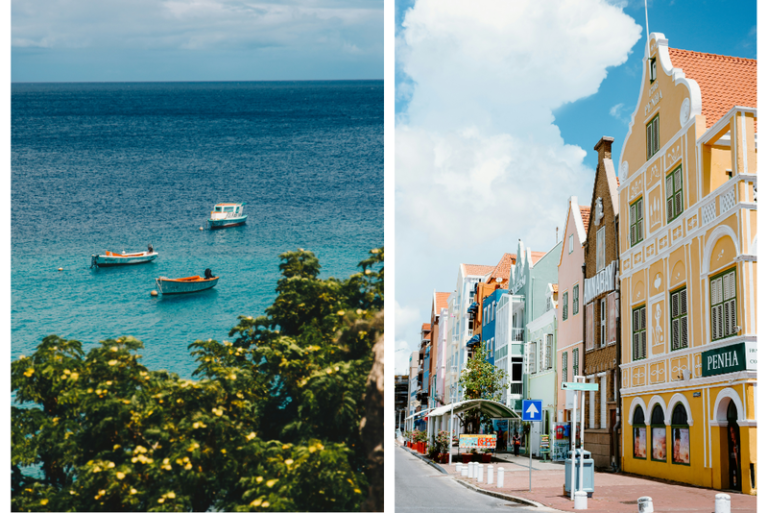
Leisure in Curaçao has two sides. On one hand, there are everyday activities for those living on the island; on the other, there are tourist attractions tied to the sea and natural sites. Both affect the cost of living, especially if you plan to stay for a while rather than just visit.
Daily entertainment: Cinema, subscriptions, and quiet plans
For daily activities, costs are similar to other Caribbean destinations and can even be a bit higher, but they remain reasonable if you plan for them in your monthly budget.
- Cinema tickets: These typically cost between $10 and $14, depending on the cinema and the day.
- Streaming platforms: Services such as Netflix, Spotify, and similar platforms have prices very similar to international prices, with subscriptions ranging from $7 to $15 per month, depending on the plan.
- Cable television or local streaming: Basic packages typically range from $30 to $60 per month, often bundled with home internet service.
Cultural and family activities
Curaçao is not a destination for large theaters or shows, but it does offer cultural activities and spaces designed for residents and families:
- Museums and cultural spaces: Tickets usually range from $5 to $12, with discounts for residents.
- Aquariums or marine parks: One of the most popular attractions, with tickets costing around $20–25.
- Private or serviced beaches: Most beaches are free, but some charge an entrance fee, usually between $3 and $6.
How much does it cost to live in Curaçao?
Overall, the cost of living in Curaçao in 2026 is higher than in many Latin American countries, but it is fairly predictable if you plan ahead. A single person typically needs between $1,400 and $2,000 per month to live comfortably at a reasonable standard. A couple can maintain a good standard of living on a combined budget of $2,200 to $3,000 per month, since many expenses are shared. For a family of four, monthly costs usually range from $3,500 to $4,800, mostly for housing, food, and transportation. These figures give a realistic picture to help you decide if Curaçao fits your budget and lifestyle.
Frequently asked questions about the cost of living in Curaçao
Yes, Curaçao falls into the upper mid range for the Caribbean. Housing and imported goods push costs up, but in return you get stability, good services, and a reliable quality of life for longer stays.
As a rough estimate, a person can live comfortably on $1,400 to $2,000 per month. The budget goes up if you eat out often or need your own car.
Public transport is fine for getting around Willemstad, but if you want more freedom, like commuting to work or reaching beaches and residential areas, having a car makes life a lot easier.
For foreigners staying for a while, it is highly recommended. Medical care is good, but without local residency or coverage, you pay as a private patient, so having insurance helps avoid high costs.
Internet and certain imported foods are usually the expenses that stand out the most at first. Planning for them from the start helps keep the cost of living in Curaçao under control.
Plans that may interest you


Hi! I'm a Spanish-English translator working with Holafly, helping bring travel content to life for curious travelers. As a digital nomad with a passion for exploring, I'm always adding new spots to my bucket list. If you love to travel like me, stick around because you're in the right place to find inspiration for your next trip! ✈️🌍