Language


 No results found
Cost of living in Belize: Food, transport, and more
Knowing the cost of living in Belize will allow you to plan your stay in this beautiful and unknown destination.

Belize is arguably one of the Caribbean’s best-kept secrets, perfect for those who want an English-speaking country with a laid-back lifestyle. Moving there in 2026 means experiencing a country of contrasts: the upscale, resort-style living of Ambergris Caye on one hand, and the simple, rustic charm of San Ignacio or Corozal on the other, where your savings stretch much further. In this guide, we take a closer look at the cost of living in these more budget-friendly areas of Belize.
Although Belize is not the most affordable option in the region, it stands out for its legal stability, tax benefits, and how easy it is for newcomers to settle in.
One of the biggest factors affecting the cost of living in Belize is its reliance on imports. If you choose to live like a local, eating seasonal fruits, using public transport, and limiting air conditioning, your expenses can be surprisingly low. On the other hand, if you want a Western style lifestyle with US brand products, ultra fast internet, and unlimited electricity, your costs can be similar to those of many European cities.
Apartments, coliving, Airbnb, and hotels
To understand housing in Belize in 2026, the first thing to know is that there is no single standard price. The market is split between two very different realities.
On one side are the islands, or Cayes, where the US dollar sets the pace. On the other is the mainland, where the cost of living is much more affordable.
The rise of digital nomads has driven the development of modern condos, but the price difference between living by the coral reef and in the jungle remains significant.
Furnished apartments
If you are looking for a furnished one-bedroom apartment in popular areas such as San Pedro on Ambergris Caye or Placencia, the average monthly cost is between $1,100 and $1,500. These apartments typically have air conditioning, which is a necessary expense, and are located close to the beach.
In contrast, in the Cayo District (San Ignacio) or in Corozal, you can find charming apartments or Belizean style homes for as little as $450 to $800 per month.
Coliving in Belize
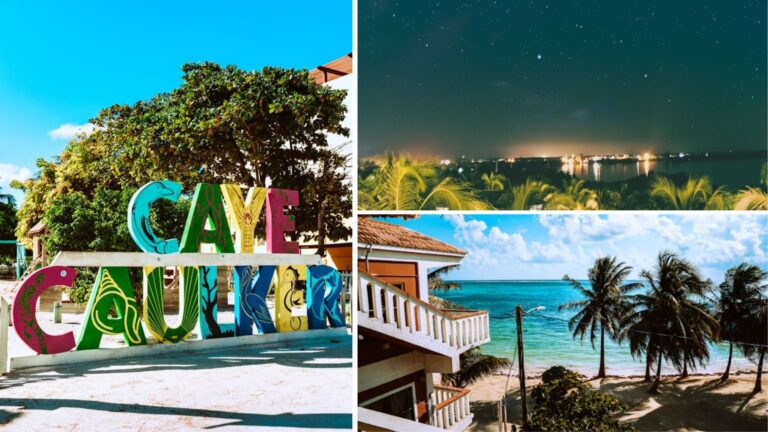
Coliving is an emerging trend. While it is not yet as widespread as in other major cities, there are digital nomad communities in Caye Caulker that offer a private room with shared workspaces and reliable Wi-Fi for around $850 per month.
Shared housing is a great option for anyone moving alone who wants to connect with an international community quickly, without the hassle of traditional leases and security deposits.
Other accommodation options
For shorter stays or if you prefer total flexibility, an Airbnb in a tourist area of Belize has an average monthly cost of $2,400.
Although it is the most expensive option, it allows you to avoid local bureaucracy and enjoy included services.
On the other hand, if you are looking for a mid-range hotel for your first few nights, the average price per night is around $115, with options starting at $60 in Belize City and going up to $140 at the more comfortable beachfront resorts.
In summary, these are the approximate costs associated with each type of accommodation:
- Furnished apartment (1 bedroom in a prime location – San Pedro): $1,250.
- Furnished apartment (1 bedroom in a normal location – San Ignacio): $600.
- Room in Coliving (Caye Caulker): $850.
- Monthly Airbnb (tourist area): $2,400.
- Mid-range hotel (per night): $115.
Food and dining out prices in Belize
The impact of food on the cost of living in Belize is entirely linked to your culinary flexibility.
The average monthly grocery bill for a resident who mixes local products with a few imports is around $380. The key to saving is to follow Belize’s golden rule: if it doesn’t grow locally, it will be expensive. Items like branded cereals, European cheeses, or international wines carry high taxes.
For weekly groceries, you can shop at stores like Public’s or Brodies, but the best deals are usually at local farmers’ markets. In places like San Ignacio, fresh produce is inexpensive and of excellent quality.
Here are the average prices you will find in 2026:
- Whole milk (1 liter): $2.
- Large eggs (dozen): $2.20.
- Chicken breast (1 kg): $6.
- Beef (1 kg / lean cut): $8.50.
- White rice (1 kg): $3.
- Bread for two (1 day): $2.50.
- Apples (1 kg – imported): $5.50.
- Domestic beer (0.5L in supermarket): $2.05.
- Bottle of wine (medium quality): $14.50.
- Coffee (250 g): $8.50.
Eating out in Belize offers two very different experiences. On one hand, there is the street food culture, where you can get a hearty plate of rice and beans with chicken for just $5 at street stalls in Caye Caulker or San Ignacio.
On the other hand, restaurants in tourist areas such as San Pedro have prices very similar to those in any US city.
If you decide to enjoy dining out, these are the average costs per person:
- Breakfast (Fry Jacks with eggs and beans): Between $5 and $10.
- Lunch (daily special or inexpensive restaurant): Between $7.50 and $12.
- Dinner at a mid-range restaurant (for two): Approximately $40.
- Luxury dinner / Seafood (per person): From $30 upwards.
As we always say, the key to keeping your budget under control is balance. Cook at home with local ingredients, stick to street food when eating out, and occasionally enjoy a meal at a mid or upper range restaurant.
Transportation prices in Belize
Transportation in Belize varies a lot, and costs depend on whether you’re traveling on the mainland or between the islands. Public transport is the most authentic and budget friendly way to get around, though travel times can be longer because of frequent stops.
On land, public transport mainly relies on the famous “Chicken Buses,” old US school buses painted in bright colors. They are the locals’ and residents’ go-to choice because of their low cost.
Here are the prices you will encounter this year:
- Local bus ticket (short trip): $1.
- Bus from Belize City to San Ignacio: $3.50.
- Bus from Belmopán to San Ignacio: $1.50.
- Long-distance bus (national routes): Between $7.50 and $15.
To get to the islands like Caye Caulker or Ambergris Caye, the standard option is the water taxi or ferry. Prices were slightly adjusted in 2026 due to operating costs:
- Ferry Belize City – Caye Caulker (one way): Approximately $21.
- Ferry Belize City – San Pedro (one way): Around $31.
- Shared van + ferry transfer (San Ignacio to islands): Around $36.
If you prefer the convenience of taxis, keep in mind they don’t use meters, so it’s standard to agree on the fare before getting in. As a reference, the average prices in 2026 are:
- Taxi within the city (short trip): Between $2.50 and $5.
- Taxi from the international airport to Belize City: $25.
- Shared shuttle (door to door): Between $45 and $75 per person.
For those who choose to drive, fuel and maintenance costs are fairly reasonable. Gasoline is priced at $6.52 per gallon. If you go electric, residential electricity costs about $0.20 per kWh following the rate adjustments in January 2026.
When it comes to insurance, basic car coverage is mandatory and affordable, with plans starting at $14.50 per week for temporary residents. If you’re looking to buy a popular new vehicle, like a 2026 Toyota Corolla, the starting price at local dealerships averages around $31,000 due to import duties.
Health services and medical insurance for foreigners
Belize has a dual healthcare system. The public side has recently removed most fees at government hospitals to promote universal access, meaning even foreign residents can receive basic care at little or no cost.
In practice, however, these facilities often have long wait times and limited resources. That’s why most expats and digital nomads turn to private clinics in Belize City or San Pedro, where care is more personalized and doctors are often trained in the US or Europe.
In this situation, private health insurance is crucial. It lets you use private medical services without overspending and is often required for residency visas. Costs depend on the level of coverage, but they remain quite affordable compared to US standards.
- International health insurance (such as SafetyWing/Genki): Around $45 to $56 per month.
- Local private health insurance (basic plan): From $18 per month for limited coverage.
- Comprehensive expat insurance: Between $120 and $200 per month, depending on age and pre-existing conditions.
If you choose to go private without insurance, prices at Belize’s private clinics are still reasonable for foreign residents. Here is an overview of the average costs:
- General medical consultation (private): Between $25 and $45.
- Consultation with a specialist (dermatologist, gynecologist, etc.): Between $65 and $100.
- Routine dental cleaning: $30.
- Appendectomy (high-end private clinic): Between $1,800 and $4,000 including hospitalization.
- Night of hospitalization (private room): Approximately $250 to $500.
- Magnetic resonance imaging (MRI): Around $400.
Belize has a well-established network of pharmacies. Many prescription medications that are harder to get in other countries are easier to find here, though it’s always best to follow a doctor’s guidance.
- Paracetamol/Ibuprofen (basic box): Between $1.50 and $3.
- Basic antibiotics: From $10 depending on the brand.
- Preventive medical check-up package (laboratory tests + X-rays + consultation): Between $160 and $305.
Prices for internet and phone plans
The cost of internet in Belize has traditionally been among the highest in Central America, but the gap has narrowed significantly thanks to the expansion of fiber optic networks by Digi and Smart.
In 2026, most digital nomads living in San Pedro or San Ignacio can enjoy residential plans with speeds of up to 100 Mbps, and even 200 Mbps in some cases, allowing smooth video calls and hassle free large file uploads.
For home internet, plans usually include the modem and taxes. Prices have stayed about the same, but speeds are faster than before:
- DigiBasic Plan (40-60 Mbps): Approximately $40 per month.
- DigiDouble Plan (80-100 Mbps): Around $60 per month.
- Ultra/Premium Plan (150-200 Mbps): Between $95 and $110 per month.
- Satellite Internet (Remote Areas): Around $120 per month for unlimited use.
In mobile services, Belize has upgraded its 4G LTE networks and expanded 5G in key areas of Belize City and San Pedro. Postpaid plans are most common for long term residents, while prepaid plans work best for shorter stays.
- Basic Postpaid Mobile Plan (12GB data): $55 per month.
- Unlimited Postpaid Mobile Plan (data, voice, and text): $135 per month.
- Tourist SIM Card (25GB for 10 days): $20.
- Local call minute (Prepaid): $0.28.
For those who want to skip local paperwork or need instant connectivity upon arrival, Holafly’s eSIM for Belize has become an essential tool. It provides unlimited data without requiring a local ID number.
If you are planning to spend some time in Belize working remotely, diving, or enjoying the beaches, Holafly’s monthly plans are a great option. You can choose 25 GB or unlimited data and use it across Mexico, Guatemala, and other Central American countries without any extra setup, just cross the border and stay connected.
Important: If you are a frequent traveler and want to stay connected without worrying about expensive roaming or looking for a new SIM at every destination, Holafly’s subscription plans are for you. With a single eSIM, enjoy internet in more than 160 countries for a fixed price and no surprises on your bill. Travel without limits and connect easily and securely! 🚀🌍

Leisure, entertainment, and nature activities
Leisure in Belize is mostly experienced outdoors, surrounded by nature. The country has been developing its tourism sector for years with a focus on sustainability, which means many activities include fees that go directly toward preserving its reefs and forests.
For a resident or digital nomad planning to stay in Belize long term, the benefit is that many of these attractions offer special rates for those with a residency card or a remote work permit.
Here are the 5 must-see attractions you should visit in Belize:
- The Great Blue Hole, a world-famous diving spot.
- The Hol Chan Marine Reserve, ideal for swimming among nurse sharks and manta rays.
- The majestic ruins of Xunantunich, accessible by manual ferry.
- Actun Tunichil Muknal (ATM) Cave, one of the most intense archaeological experiences in the world.
- Cayo Caulker, the perfect place to unwind and practice “slow living.”
If you decide to invest in Belize’s most famous experiences, these are the reference costs per person:
- Full-day tour to the ATM cave (from San Ignacio): $145.
- Scenic flight over the Blue Hole (1 hour): Around $250.
- Entrance and guided tour at Xunantunich: $75 if transportation and guide are included.
- Cave tubing and zip line (Cave Tubing + Zipline): Between $110 and $180.
- Sunset sailing tour (Sunset Sail): $85.
For your everyday leisure activities, such as watching a series on Netflix, going to the gym, or going to the movies, here are the prices you can expect:
- Movie ticket (regular screening): $8.
- Visit to the Belize Zoo (the “best small zoo in the world”): Approximately $15.
- Half-day snorkeling tour in Caye Caulker: From $45.
- Monthly subscription to streaming platforms (Netflix/Disney+): Between $11 and $15.
- Entrance to archaeological sites (Altun Ha or Caracol): Around $5 for general admission.
Belize is a country worth exploring, so it’s a good idea to set aside part of your budget to experience the activities that make this small nation such a unique destination.
Conclusions about the cost of living in Belize and budget
Belize in 2026 offers an enviable quality of life, but it calls for smart budgeting, especially when it comes to electricity and imported goods. The country rewards those who embrace the local community and focus on local products.
Here is a summary of estimated monthly expenses:
- Single person: A remote worker renting a studio in San Ignacio on the mainland, buying mostly local products, and keeping a moderate social life will spend around $1,050 per month. Choosing to live in San Pedro on the island pushes that budget up to $1,600.
- Couple: For two people sharing a comfortable apartment in Placencia or Corozal, with private health insurance and a few meals out, the monthly budget comes to around $2,000.
- Family of four: A family needing a three bedroom home, their own transportation, and private schooling and healthcare should plan for monthly expenses between $2,800 and $3,500.
Frequently asked questions about the cost of living in Belize
To qualify for the “Work Where You Vacation” program, individuals need to show an annual income of at least $75,000, while couples or families must show $100,000. A health insurance policy with at least $50,000 coverage is also required.
Safety in Belize varies by location. The southern part of Belize City is considered high risk due to gang activity, while tourist and residential areas like Cayo, San Pedro, and Placencia are generally medium to low risk. Still, it’s wise to avoid walking alone at night and to keep valuables out of sight.
Absolutely. The US dollar is accepted throughout the country at a fixed rate of $1 USD = $2 BZD. It’s common to pay in dollars and receive change in the local currency.
Electricity is one of the biggest expenses. In 2026, running air conditioning constantly can easily push your monthly bill over $200. Many residents save by using fans and homes designed for natural cooling.
It has improved significantly. By 2026, fiber optic internet is standard in urban and tourist areas, with 60 Mbps plans starting at $40. Connections are generally stable, though very remote areas still rely on satellite internet.
Plans that may interest you


Hi! I'm a Spanish-English translator working with Holafly, helping bring travel content to life for curious travelers. As a digital nomad with a passion for exploring, I'm always adding new spots to my bucket list. If you love to travel like me, stick around because you're in the right place to find inspiration for your next trip! ✈️🌍