







 Language


 No results found
How to work in South Korea: Opportunities and requirements
Before deciding whether to work in South Korea, read this guide for all the essential information on opportunities and how to make it happen.

Choosing to work in South Korea is an excellent option for foreigners seeking career growth in a competitive environment, economic stability, and an international experience different from Europe or North America. With a developed economy, global companies, and a strong focus on innovation, South Korea is one of the top Asian countries for international talent in 2026.
This guide will show you how to work in South Korea, the main benefits of doing so, the requirements you’ll need to meet, and how to prepare for your first steps in the country’s job market.
Advantages of working in South Korea
South Korea offers a rare mix of safety, modernity, career opportunities, and quality of life, making it a highly attractive destination for foreigners.
Strong economy and job stability
South Korea is one of the strongest economies in Asia and the world. It’s home to major corporate conglomerates, tech startups, and multinational companies operating globally. This creates greater job stability, formal employment contracts, and strong opportunities for professional growth, especially for skilled professionals.
High demand for international talent
The country actively seeks foreign professionals in fields where global expertise is essential, such as technology, engineering, education, research, international trade, and digital marketing. In many companies, international experience is seen as a real advantage.
Competitive salaries
While living in major cities like Seoul can be expensive, wages typically match the higher cost of living. With skilled jobs, you can manage your expenses and still have the opportunity to save or explore both South Korea and nearby countries.
Safety and quality of life
South Korea is one of the safest countries in the world. Public transport runs smoothly, streets remain safe even at night, and many public services are digitized, making daily life both convenient and stress-free.
First-class infrastructure and technology
With ultra-fast internet, digital payments, efficient transportation, and smart cities, living and working in South Korea is incredibly convenient. The tech-friendly environment is especially ideal for remote or hybrid professionals.
Enriching cultural experience
Working in South Korea is also a deeply enriching personal experience. Living in a country with an ancient culture, a strong national identity, and a dynamic society offers a unique perspective both personally and professionally.
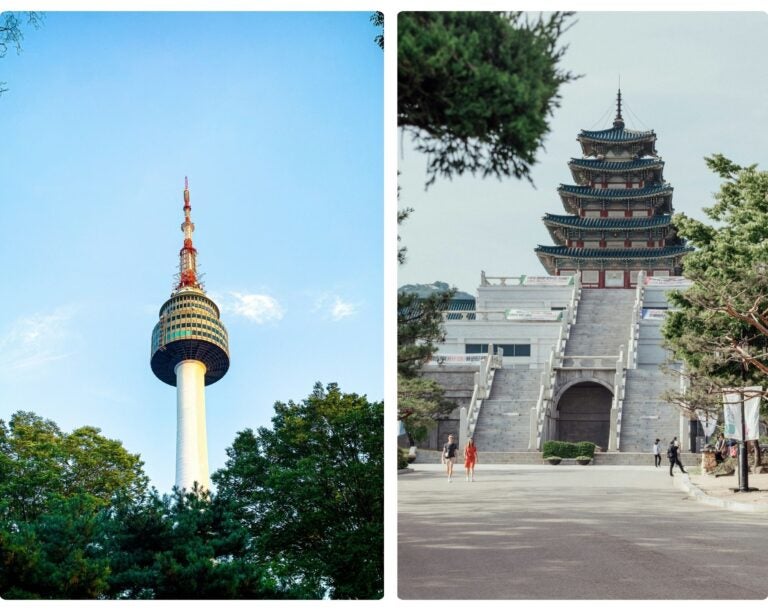
Growing international community
In major cities, there’s a growing expat community with coworking spaces, professional events, networking opportunities, and social activities that make settling in much easier.
Requirements for working in South Korea
To work legally in South Korea, you must meet certain general requirements. These can vary depending on the type of job, contract length, and your country of origin, but there are common elements that every foreign worker should be aware of.
Visas that allow you to work in South Korea
South Korea has different types of visas that allow you to work. Among the most common are:
- Professional visas for technical profiles, engineers, IT specialists, business, or research.
- Language teaching visa, widely used by foreign teachers in academies, schools, and universities.
- Academic or research visas for those working in universities or R&D centers.
- Working Holiday visa, available to citizens of certain countries, which allows temporary work.
- Visa sponsored by a Korean company, one of the most common routes for qualified professionals.
In most cases, a prior job offer is required to begin the application process.
Academic qualifications and experience
Many jobs require:
- University degrees or technical qualifications related to the position.
- Proven work experience.
- Academic documents apostilled or legalized, depending on the country of origin.
Languages
- Korean: Not always mandatory, but it significantly increases job opportunities and integration.
- English: Essential in international companies, technology, education, and global environments.
The level required will depend on the type of job and the sector.
Procedures and documentation
Once in the country, you will need to:
- Register as a foreigner.
- Obtain a residence card.
- Open a local bank account.
- Comply with current immigration and labor regulations.
Tips for starting work in South Korea
Taking your first steps in such a dynamic country can be much easier if you prepare in advance:
- Arrive with connectivity from day one: Having internet as soon as you arrive is essential for navigation, translations, paperwork, interviews, and staying in touch with employers. A daily eSIM for South Korea or Holafly’s monthly plans are perfect for your first few months in the country.
- Organize all your documents before traveling: Bring digital and physical copies of contracts, diplomas, certificates, and your passport. This will really help with the initial paperwork.
- Learn about Korean work culture: Punctuality, respect for hierarchy, and commitment to work are very important values. Understanding this right from the start helps to avoid cultural clashes.
- Choose your final destination carefully: Seoul offers the most opportunities, but other cities provide a good balance between cost of living and quality of work.
- Be patient and keep an open mind: Adapting takes time, but with flexibility and curiosity, the experience of working in South Korea can be quite rewarding.

Types of jobs in South Korea for foreigners
South Korea offers a wide range of job opportunities for foreigners, particularly in fields that value international experience, language skills, or specialized technical expertise. Here’s an overview of the main types of roles available for foreign workers:
- Language teaching: Language teaching is one of the most popular areas for foreigners. Many work as English, Spanish, or other language instructors at private academies, international schools, and universities.
- Technology and IT: Programmers, software developers, cybersecurity specialists, and data analysts are in high demand, especially in startups and multinational companies.
- Engineering and manufacturing: South Korea has a strong automotive, electronics, and robotics industry. Experienced foreign engineers can find well-paying positions in these sectors.
- Digital marketing and international trade: Companies targeting global markets often hire foreigners for roles in brand management, e-commerce, social media, and international relations.
- Research and academia: Universities and research centers hire international talent for scientific, technological, and cultural projects.
- Entertainment and content: Although it is a competitive sector, there are opportunities in audiovisual production, modeling, music, translation, and international content creation.
- Hospitality and tourism: Hotels, international restaurants, and tourist agencies employ foreigners, especially in popular tourist areas.
The most in-demand jobs in South Korea for foreigners
Some sectors undoubtedly stand out for their high demand for international talent:
- Language teachers (especially English): Education is a priority in South Korea, and demand remains stable year after year.
- Developers and tech profiles: Programming, AI, big data, and UX/UI are areas that are always growing.
- Specialized engineers: Especially in electronics, telecommunications, energy, and automation.
- International business specialists: Professionals who understand foreign markets, exports, and cross-cultural communication.
- Researchers and academics: Korea invests heavily in R&D, which opens doors to highly qualified foreign talent.
Salaries and cost of living in South Korea
Salaries in South Korea vary by industry, experience, and city, but overall they allow for a comfortable lifestyle, especially for skilled professionals.
Average salaries for foreigners
- Language teaching: Between $1,800 and $2,800 per month
- Technology and IT: From $2,500 to over $5,000 per month
- Engineering and specialized profiles: $3,000–6,000 per month
- Hospitality and basic jobs: $1,500–2,200 per month
(Amounts may vary depending on experience, company, and type of contract.)
Average monthly cost of living
- Rent (room or studio): $600–1,200
- Food: $300–600
- Transportation: $60–100
- Utilities and internet: $80–150
In cities like Seoul, the cost of living is higher, but so are job opportunities and salaries.
Stay connected from day one with Holafly
Having reliable internet is essential for job hunting, handling paperwork, and settling into life in South Korea. That’s why many foreigners opt for Holafly’s monthly plans.
Important: If you are a frequent traveler and want to stay connected without worrying about expensive roaming or looking for a new SIM at every destination, Holafly’s subscription plans are for you. With a single eSIM, enjoy internet in more than 160 countries for a fixed price and no surprises on your bill. Travel without limits and connect easily and securely! 🚀🌍
Where can I find job opportunities in South Korea?
Finding a job in South Korea as a foreigner is achievable if you know where and how to look. The country offers digital platforms, government programs, and specialized channels tailored for international professionals.
Online job platforms
These are the most common starting point for job seekers:
- WorkNet: Official Korean government portal with job offers for locals and foreigners.
- JobKorea and Saramin: These are two of the country’s largest private job platforms. While many listings are in Korean, they’re essential for finding professional opportunities.
- LinkedIn: Highly useful for international companies, startups, tech roles, and corporate positions where English is the primary language.
Employment and recruitment agencies
Specialized agencies help connect foreign professionals with opportunities, especially in IT, engineering, education, and international business. Many of these agencies partner directly with Korean companies looking for global talent.
Government programs and calls for applications
The South Korean government promotes the attraction of international talent through:
- Research and academic programs
- Calls for language teachers
- Initiatives to attract qualified professionals and foreign startups
These opportunities are usually published on official websites or at embassies.
Networking and international community
In South Korea, networking is key:
- Professional events and job fairs
- Expat meetups
- Coworking spaces
- Social media groups and international communities
Many job opportunities arise through referrals or direct contact.
Educational institutions and academies
For those looking to work as teachers, language schools, international schools, and universities often post job openings on their websites or through educational recruitment agencies.
Frequently asked questions about working in South Korea
In most cases, yes. To get a work visa, you typically need a job offer or sponsorship from a company or institution.
It depends on the job. In fields like technology, international education, and global companies, English may be enough, but learning Korean greatly expands your opportunities.
The sectors with the highest demand are language teaching, IT, engineering, research, international marketing, and global business.
Living in cities like Seoul can be expensive, especially when it comes to rent, but higher salaries in skilled roles usually make up for it.
You may experience some culture shock at first. Punctuality, hierarchy, and teamwork are highly valued, but with an open mind, adjusting is entirely possible.
Being connected, getting your documents in order, registering with immigration, and setting up a bank account are all key first steps. Having internet from the start, for example with Holafly’s monthly plans, makes settling in much smoother.
Plans that may interest you

Hi! I'm a Spanish-English translator working with Holafly, helping bring travel content to life for curious travelers. As a digital nomad with a passion for exploring, I'm always adding new spots to my bucket list. If you love to travel like me, stick around because you're in the right place to find inspiration for your next trip! ✈️🌍
