Language
Can I work in Hawaii as an expat?
Find out how to work in Hawaii. We cover everything from the requirements to the best opportunities and where to find jobs on the islands.

Hawaii is more than just a beautiful holiday destination. For many people, it’s a chance to live the Aloha lifestyle while working in a unique natural setting. If you’re planning to move there in 2026 and find a job, it’s important to understand how the job market works and what you need to do to live and work there legally.
Living in Hawaii means adjusting to a different pace of life, where community and respect for the land really matter. But beyond the white sandy beaches, there’s also a dynamic economy with plenty of opportunities for those ready to take their career to the Pacific.
What are the benefits of working in Hawaii?
One of the best things about working on these islands is the work–life balance. The tropical climate makes it easy to enjoy outdoor activities all year round, which really helps keep stress levels down. Finishing your workday and heading out to surf or hike a volcanic trail is an everyday perk you don’t find in many places.
Safety is another standout feature of the islands. Hawaii is generally seen as a calm, family-friendly place, with lower crime rates than many major cities on the U.S. mainland. That’s a big plus for people traveling on their own or moving there with family.
What really defines the islands is their diversity and international feel. Sitting between the U.S. and Asia, Hawaii brings together people from all over, creating a rich and varied work environment. This blend of cultures makes the atmosphere more open and helps newcomers settle in quickly and feel at home.
If you work in fields like marine biology, renewable energy, or luxury tourism, you’ll find a highly specialized environment in Hawaii. The state is always investing in protecting its natural surroundings, which creates job opportunities focused on sustainability and innovation.
In the end, life there is healthier and more balanced. The air is clean, the food is local, and nature is always close. Working in Hawaii isn’t just about starting a new job. It often leads to a simpler, more mindful way of living.
What are the requirements for working in Hawaii?
To work legally in Hawaii, the first thing to know is that there’s no specific “Hawaii visa.” Instead, you’ll need to go through the U.S. work visa process.
Competition can be tough, but the system is set up for a wide range of professionals. These are the most common work visas for Hawaii in 2026:
- H-1B visa for specialized professionals: It’s the most common option for engineers, scientists, and tech professionals. It requires a U.S. company to prove they couldn’t find a local candidate for the job, and you need to have a university degree or equivalent experience.
- J-1 visa for exchange programs and internships: It’s very popular with young people and students who want to work for a limited time in hospitality or research. It’s a great way to experience island life while also gaining professional training.
- H-2B visa for temporary non-agricultural work: Hawaii relies heavily on tourism. This visa allows employers to hire foreign workers for seasonal jobs in hotels, resorts, and recreational parks when demand is high.
- L-1 visa for intra-company transfers: If you work for a multinational company with offices in Honolulu, this is usually the most direct option. It lets you transfer to the island branch while keeping your seniority and benefits.
One important thing to keep in mind: You cannot work in Hawaii, or anywhere in the U.S., on a tourist permit like ESTA or a regular tourist visa. If you’re caught doing paid work on one of these, you could be deported and lose the chance to return to the country.
In addition to your visa, you’ll need to apply for a Social Security Number (SSN) once you arrive in the islands. This number is essential for getting on your employer’s payroll, opening a bank account, and even renting a long-term apartment.
In Hawaii, English is the main and official language. While you may still hear Hawaiian or Pidgin in some communities, fluent English is expected in any professional setting.
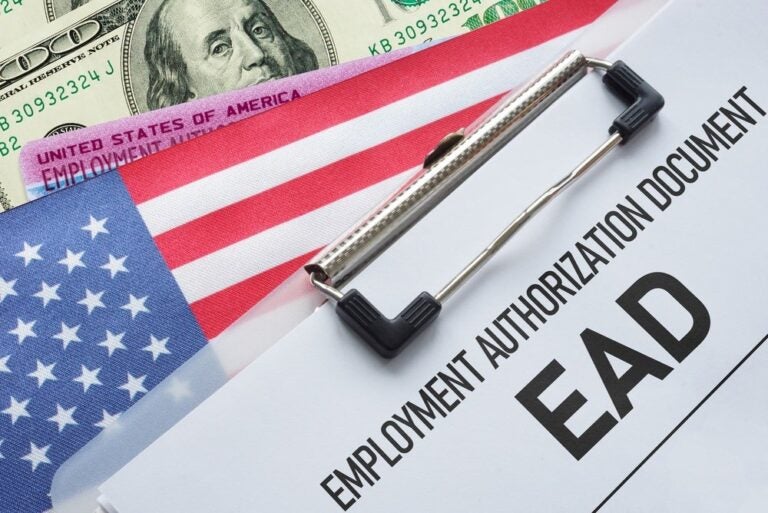
How to start working in Hawaii: Useful tips
Moving to the middle of the Pacific and starting work in Hawaii takes a bit more planning than relocating to a mainland city. Here are some tips to help you land your first job on the islands.
First of all, the job market here relies heavily on personal connections. A lot of the best opportunities never even get posted online and are instead shared through word of mouth within the local community. That’s why the best advice is to get involved right away, whether that’s attending local events, joining beach cleanups, or volunteering with community groups.
Keep in mind that transportation can be a significant factor here. If you work in Oahu (Honolulu) but live elsewhere, traffic can seriously impact your daily routine. It’s a good idea to check out public transit options like TheBus, or even consider an e-bike if your commute is short.
Connectivity is another important thing to sort out right away. Being on an island doesn’t mean being cut off, but international roaming can lead to an unpleasant surprise on your phone bill.
A good option is to use Holafly’s monthly plans so you have unlimited internet during your first few months. That way, you can look for jobs while having coffee by the sea or use maps to get to interviews without any hassle.
Holafly’s monthly plans give you unlimited data or 25 GB that you can start using as soon as you land on the island. Best of all, they work in over 160 countries, which is perfect if you plan to keep traveling around the Pacific or other parts of the world.
Another option is to use a daily eSIM for the United States. This lets you have mobile data as soon as your plane lands at Honolulu Airport (HNL), making it easier to contact potential employers or sort out your first temporary accommodation without relying on unsafe public Wi-Fi.
Unlike the previous option, an eSIM is better suited for your first few days in Hawaii rather than long-term use. If you’re planning to settle there, monthly plans are the more practical choice.
Finally, don’t forget to adapt your resume to the U.S. format: keep it concise, leave out the photo, and focus on your achievements.

What are the main jobs in Hawaii for foreigners?
Hawaii’s job market is dynamic and closely shaped by its geography. As a key hub in the Pacific, it offers foreigners a wide range of opportunities, from outdoor, hands-on work to high-level corporate roles. These are the main areas where international professionals tend to fit in:
- Luxury hospitality and tourism: This is the biggest job sector in the islands. From large resorts in Waikiki to boutique hotels in Maui, there are always openings for bilingual receptionists, concierges, event staff, and service roles. Candidates who speak multiple languages, especially Japanese, Korean, or Spanish, stand out strongly in this field.
- Conservation and marine biology: Hawaii is like a natural laboratory. There are many organizations and government projects focused on protecting coral reefs, controlling invasive species, and managing natural resources. It’s an ideal field for environmental scientists and technicians who want to apply their skills in a truly unique setting.
- Construction and infrastructure sector: With steady population growth and the need for more climate-resilient infrastructure, construction plays a key role in the economy. There’s demand for everyone from general laborers and machine operators to civil engineers and architects working on residential and public projects.
- Sustainable agriculture and ecotourism: The farm-to-table movement is very strong in the islands. Many organic farms and retreat centers offer jobs that mix food production with environmental education. It’s a great option for anyone looking for a more grounded, nature-connected lifestyle.
- Professional services and logistics: Because of its remote location, both sea and air logistics are essential. There are opportunities in supply chain management, customs administration, and legal services for companies operating between Asia and the United States.
What are the jobs in Hawaii with the highest demand for foreign workers?
If your goal is to secure visa sponsorship or land a stable job with good benefits in 2026, you should focus on industries that struggle to find enough local talent. These are the roles with the most openings for foreign workers right now:
- Health and nursing professionals: Hawaii is facing a demographic challenge with an aging population. There’s very strong demand for registered nurses, physical therapists, respiratory therapists, and personal care aides. Pay in this sector is among the most competitive on the islands, and many institutions help with foreign degree recognition.
- Renewable energy installers: The state has very ambitious goals for 100% clean energy. There’s a growing need for solar technicians, electrical engineers specializing in smart grids, and wind turbine maintenance experts. If you have technical experience in sustainability, this is a great place for you.
- Technology and data analysis: Although Hawaii isn’t Silicon Valley, the rise of hybrid work and investment in AI has created opportunities for software developers, cybersecurity specialists, and data analysts. These roles are helping modernize local industries, especially banking and insurance.
- Educators and teaching staff: There’s a steady demand for elementary and secondary school teachers, as well as special education instructors. The Hawaii Department of Education often recruits internationally to fill positions across the islands.
- Veterinarians and animal health technicians: With the importance of local wildlife and the large number of pets on the islands, veterinary services are rapidly expanding. It’s a field where qualified professionals who meet the required certifications often find work almost immediately.

What are wages and the cost of living like in Hawaii?
If you plan to work in Hawaii, you should know that the cost of living is about 90% higher than the U.S. average. Since everything has to be shipped to the islands, prices tend to be much higher as a result.
Salaries
In 2026, Hawaii’s minimum wage is $16 per hour. For a full-time worker, that works out to about $2,560 a month before taxes. However, because rent is so expensive, most locals rely on tipped jobs like hospitality work or skilled positions to live more comfortably.
A “comfortable” salary for a single person in Honolulu or Maui is usually around $5,800 a month. Professionals in fields like healthcare, engineering, or tech often earn between $6,500 and $9,500 per month, which is enough to cover basic expenses and still save for travel or unexpected costs.
Cost of living
Housing is usually the biggest expense. A simple studio in Oahu can cost around $1,800 a month, while a well-located one-bedroom apartment goes up to about $2,200. Many newcomers choose to share a house at first, which can bring the cost down to around $1,200 for a private room.
Utility bills are also among the highest in the country. Electricity alone, due to reliance on imported fuel, typically costs around $200 a month for a small apartment. On top of that, you can expect about $75 for internet and around $65 for water.
For food, a single person usually spends around $650 a month on groceries, especially if they buy fresh products. Public transport in Honolulu is fairly reliable with TheBus, and a monthly pass costs about $80. However, if you own a car, fuel prices (around $5 per gallon) and insurance can quickly raise your monthly costs.
Estimated monthly budget for one person (2026):
- Rent (studio/one-bedroom apartment): $1,950
- Utilities (electricity, water, internet): $340
- Food: $650
- Public transportation: $80
- Leisure and personal expenses: $400
- Estimated total: $3,420
Where can I find job opportunities in Hawaii?
Finding a job in the islands takes a mix of online effort and the Aloha spirit. Even though Hawaii feels unique, the job market is well organized and there are clear ways to help you stand out.
Here are the best ways to find a job in 2026:
Local and specialized job portals
In addition to major platforms like LinkedIn and Indeed, which are widely used across the U.S., Hawaii also has job boards that focus specifically on the islands’ needs.
Kamaaina Jobs is a go-to resource if you want to connect with local employers that value community involvement. For tech roles, TechHui is the place to look, featuring startups and innovative companies based in Honolulu.
If you’re aiming for the tourism sector, it’s best to check the career pages of major hotel chains like Marriott, Hilton, or Disney Careers, especially for the Aulani resort in Kapolei. These companies are used to hiring international staff and regularly post job openings across their resorts in the islands.
Recruitment agencies and HR consulting firms
In Hawaii, staffing agencies play a key role in filling both temporary and permanent positions. Altres is the largest and most well-known recruitment agency in the state.
Signing up with them can open doors in fields like administration, healthcare, and services. Other agencies such as Service Master or Bishop & Co. are also great options if you’re looking for a first stable job or mid-level roles.
Opportunities in the public sector and education
For healthcare and education professionals, government websites are the most reliable source.
Hawaii Pacific Health and Kona Community Hospital regularly post openings for doctors, nurses, and medical technicians. If you’re a teacher, the Hawaii State Department of Education also keeps hiring processes open year-round for public schools, often offering incentives to attract talent from outside the state.
The value of networking and volunteering
Don’t underestimate how important connections are in the islands. Getting involved in volunteer programs through platforms like Worldpackers or Workaway can be a great way to get your foot in the door.
Even though these exchanges usually involve working a few hours a day in return for accommodation and meals, they give you the chance to meet local business owners and show what you can do. Quite often, a one-month volunteer stay turns into a proper job offer once employers see your commitment and attitude.
Frequently asked questions about working in Hawaii
We’re not going to sugarcoat it. Getting through U.S. immigration is demanding. It’s not impossible if you meet the requirements, but it does take time and usually requires an employer to back your application. The key is patience, having your credentials ready, and focusing on in-demand fields like healthcare or tech.
It’s becoming increasingly popular, especially in Honolulu. There are plenty of modern coworking spaces, and the remote work community is very welcoming. Just keep in mind the time difference with the mainland or Europe, since you might have to start work very early in the morning, but the upside is having your afternoons free to enjoy the ocean.
If you live and work in Honolulu, you can easily get around using TheBus or a bike. But if you’re working in Maui, Kauai, or the Big Island, or living outside urban areas, a car is almost a must since distances are long and public transport is much more limited in rural parts.
Healthcare in the U.S. is private and can be expensive. The good news is that Hawaii has the Prepaid Health Care Act, a state law that requires employers to provide health insurance to employees who work more than 20 hours a week. This is a major advantage compared to many other states.
For tourism and service jobs, the months leading up to peak season (October and November for winter, or May for summer) are the best time to apply. Companies are hiring more staff, so there are more openings available. For corporate or healthcare roles, hiring tends to happen year-round.
Plans that may interest you


Hi! I'm a Spanish-English copywriter working with Holafly, helping bring travel content to life for curious travelers. As a digital nomad with a passion for exploring, I'm always adding new spots to my bucket list. If you love to travel like me, stick around because you're in the right place to find inspiration for your next trip! ✈️🌍