Language


 No results found
Living in Vienna as a foreigner: What is it really like?
Thinking of moving to Vienna? Discover what living in Vienna is like, including its pros, cons, and expat life.

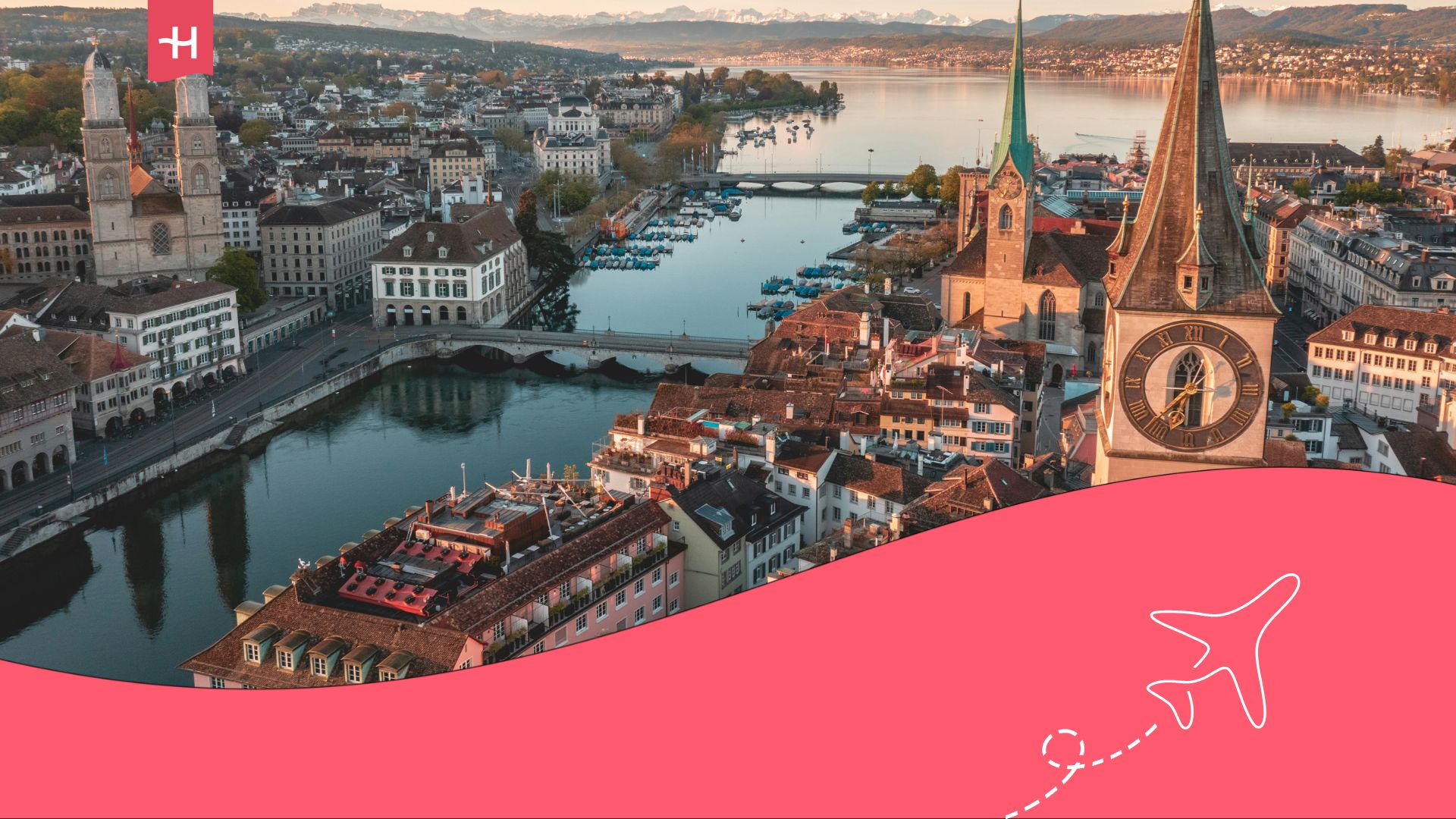
Living in Vienna offers a blend of elegance, stability, and a calm you rarely find in other European capitals. It is easy to see why the city is often listed among the best places in the world to live. Life here runs smoothly, public spaces are enjoyable, and a sense of safety is part of everyday life.
Vienna looks perfect at first, but life here has its own rhythm. Learning the culture, figuring out how people interact, and finding your place in the city can take time and often comes with surprises. In this article we explore what living in Vienna is really like, from the things that make it magical to the challenges newcomers face and the small details you only notice once you are part of the city.
Quality of life in Vienna
Talking about life in Vienna almost always leads to the same conclusion: it’s one of the best cities in the world to live in. And it’s not just a matter of perception. Vienna has topped Mercer’s Quality of Living rankings for years. But beyond the numbers, the real question is what that actually feels like once you’re living there.
Vienna’s quality of life comes from many different elements working together. Strong schools, reliable safety, a stable economy, excellent healthcare, and modern digital infrastructure all play a part. Let’s break it down and see how it all adds up.
Education
In OECD education reports, Austria consistently ranks above average on several key measures. As the capital, Vienna offers a wide range of universities and has a long-standing academic tradition.
What stands out in everyday life is the sense of order. Everything runs on clear rules and high standards. For international students and families new to the city, this creates a big advantage because you know how the system works and what to expect from it.
Safety
Vienna stands out for its safety and strong institutions. Official crime statistics in Austria also show relatively low levels compared with other European capitals of a similar size.
But beyond the numbers, what really matters is how it feels day to day. Walking around, taking public transport, or spending time in open spaces without constant stress creates a sense of calm that directly affects your mental well-being and shapes the way you experience the city.
Economy and job stability
Austria is known for its stable economy, high income levels by international standards, and a well-established social safety net. Vienna is at the center of skilled employment, international organizations, and key strategic industries.
It’s not just about salaries. What really affects quality of life is the overall stability of the system. Regulated contracts, strong social insurance, and clear labor rules create security and make it possible to plan for the future in a way that isn’t always possible in other cities.
Healthcare system
In Austria, almost everyone has health insurance, and the system is known for its reliability and quality. Reports from the OECD show the country performs well in terms of access and care. For anyone moving to Vienna, this makes a real difference. Knowing that healthcare is well-organized and dependable adds a sense of security when settling into a new country.
Connectivity and digital infrastructure
If you plan to live in Vienna for a while, having a reliable internet connection is essential. From working remotely to handling paperwork, banking, booking appointments, or even getting around the city, staying connected is part of daily life.
Austria has a strong digital infrastructure. Major providers like A1, Magenta, and Drei offer extensive coverage and 5G throughout Vienna, and most households have reliable internet, according to official Statistics Austria data. The city is set up for smooth digital living, with everything from electronic payments and mobility apps to online shopping and public services easily accessible online.
For anyone arriving from abroad, the real challenge isn’t how good the network is, but how to get online smoothly right from the start.
If you don’t have a local mobile contract yet, a service like Holafly’s Austria eSIM can be a very easy way to stay online from the moment you arrive in Vienna. For longer stays, Holafly’s monthly subscription plans cover 160 countries and offer options like 25 GB or unlimited data, making it easy to stay connected while you set up a local phone, bank account, or residence.
Important: If you are a frequent traveler and want to stay connected without worrying about expensive roaming or looking for a new SIM at every destination, Holafly’s subscription plans are for you. With a single eSIM, enjoy internet in more than 160 countries for a fixed price and no surprises on your bill. Travel without limits and connect easily and securely! 🚀🌍
Advantages of living in Vienna
If you’re thinking about living in Vienna for a while, these are the advantages that tend to make the biggest difference in your actual experience:
- A true work-life balance: Living in Vienna comes with a real sense of balance. People here value their free time, workdays are reasonable, and weekends genuinely feel like a chance to recharge. For newcomers, especially those from high-pressure environments, this makes settling in much easier and healthier.
- A lifestyle that reduces daily stress: Living in Vienna means being in a city where rules are clear and systems actually work. It might feel strict at first, but over time that sense of order becomes a huge advantage.
- Easy and efficient mobility: One of the biggest benefits of living in Vienna is that you don’t need a car to enjoy a good quality of life. Public transport links neighborhoods efficiently, the city is easy to walk around, and the infrastructure makes getting around simple. It gives you freedom and makes daily life much easier.
- Green spaces integrated into urban life: For many people moving to Vienna, a major plus is how safe and calm the city feels. Even at night or while using public transport, you usually feel secure. That peace of mind has a big effect on everyday life and makes settling in much easier.
- A constant sense of security: A major perk of living in Vienna is how peaceful the city feels. Even at night or while getting around, you usually feel safe, and that sense of security makes everyday life feel more comfortable.
- Economic and institutional stability: Moving to Vienna means settling into a city where the economy is solid and predictable. Clear work rules and reliable institutions make it easier to plan your life.
- An international atmosphere: Vienna is used to welcoming people from all over the world. With so many international organizations, students, and expats, it never feels like a closed city. That makes it easier for newcomers to feel at home and helps ease the isolation that often comes with moving abroad.
Disadvantages of living in Vienna as a foreigner
Before deciding to move to Vienna, it’s important to understand some of the challenges newcomers may face when adjusting to the culture, the weather, and the city’s social rhythms.
- Knowing German is key to truly integrating: While many people in Vienna speak English, especially at work, German is essential for dealing with official paperwork, signing contracts, accessing certain jobs, and fully navigating daily life. If you plan to stay in the city for the medium or long term, learning it becomes inevitable.
- Social integration can be a slow process: Viennese social life tends to be more reserved and structured. Friendships usually don’t happen overnight, and spontaneity isn’t as common as in warmer, more outgoing cultures. Building a close circle of friends takes time and patience.
- Long, dark winters: The weather can be a real challenge, especially if you’re used to sunnier countries. Winters are long, and the short days can take a toll on your mood. Getting used to these seasonal rhythms is part of settling into life in Vienna.
- Strict schedules and an inflexible culture: Stores tend to close early, and many are shut on Sundays. Life in the city follows clear rules that everyone respects, which can feel strict if you’re used to a more relaxed way of doing things.
- A demanding job market in some sectors: If your German isn’t advanced, your professional options can be more limited. Some industries also involve extra paperwork or certification processes, so it often takes longer than expected to get fully established in the local job market.
- An emotional adjustment process: Starting over in Vienna can feel a bit isolating at first. The city is orderly and reserved, so making friends doesn’t happen instantly. It’s not unfriendly, but forming a social circle takes patience.
Frequently asked questions about living in Vienna
Definitely. Vienna is ideal if you value safety, stability, and an organized way of life. The city offers a high quality of life, but getting fully settled usually means adjusting to the culture and in many cases learning German.
You can get by without German at first, especially in international workplaces where English is common. But for anyone planning to live in Vienna for the long term, knowing the language is key to career growth, managing official matters, and forming meaningful connections.
Winter in Vienna can be long, cold, and dark, which can be tough for some people. On the other hand, spring and summer bring warmth and vibrant life to the parks and open spaces. Getting used to these seasonal changes is part of living in the city.
Yes, especially because of the city’s safety, well-organized education system, and stable institutions. These are factors that many foreign families take into account when deciding to settle in Vienna.
Austria has a well-regarded healthcare system with near-universal coverage. Living in Vienna gives you peace of mind knowing you have reliable medical support if you ever need it.
Plans that may interest you


Hi! I'm a Spanish-English translator working with Holafly, helping bring travel content to life for curious travelers. As a digital nomad with a passion for exploring, I'm always adding new spots to my bucket list. If you love to travel like me, stick around because you're in the right place to find inspiration for your next trip! ✈️🌍