Language


 No results found
Living in South Africa as a foreigner: What is it really like?
Learn about the advantages and challenges of living in South Africa: education, healthcare, safety, technology, and the economy.

Living in South Africa is a unique experience for those drawn to nature, cultural diversity, and career opportunities in Africa. It’s one of the continent’s most developed countries, with 11 official languages and vibrant cities like Cape Town, Johannesburg, and Durban that serve as major economic and cultural hubs.
That said, experiencing South Africa as a tourist is not the same as living there for a period of time. To help you get a clearer picture, we have created this guide covering the key aspects that shape everyday life, such as safety, healthcare, education, the economy and digital connectivity. We will also look at the main advantages and challenges of living there as a foreigner. Ready to dive in?
Quality of life in South Africa
Quality of life in South Africa can vary greatly depending on the city and your socioeconomic situation. International reports such as those from Mercer and the Global Social Progress Index highlight certain cities for their safety, education, and services, while also pointing out ongoing challenges around inequality in others. Below, we take a closer look at some of the key areas that matter most if you are considering living in South Africa as a foreigner.
Education and universities
If you are thinking about moving to South Africa to study, you will find some of the continent’s leading universities, many with international recognition and English taught programs. In major cities like Cape Town, there are also business schools offering internationally focused and British style education.
- University of Cape Town: Located in the Rondebosch neighborhood of Cape Town, it is one of the most prestigious universities on the continent.
- University of the Witwatersrand: Located in Johannesburg and known for its research programs.
- Stellenbosch University: Located 50 km from Cape Town and popular for its vineyards and historic architecture.
Safety
One of the biggest concerns you may have is what safety is like when living in South Africa. The country has relatively high crime rates compared to many European destinations. According to a report by CS Global Partners, it ranks 129th out of 166 countries in the Global Safety Index 2025, highlighting some of the social stability challenges the country faces.
The highest homicide rates, according to the South African Cities Network, are found in places like Nelson Mandela Bay, Durban, and Cape Town. Still, many expats choose to live in safe neighborhoods or gated communities with private security and controlled access, where incidents are rare. Some of these areas are:
- Cape Town: Camps Bay, Sea Point, or Clifton.
- Johannesburg: Sandton and Rosebank.

Healthcare system
Living in South Africa means you’ll eventually rely on the healthcare system, which is one of the most developed in Africa. That said, there’s a big difference between public and private care. Public hospitals are government-run and affordable or free, but high demand and staff shortages can lead to long wait times.
When it comes to private healthcare, South Africa really stands out for its high-quality medical services, modern facilities, advanced technology, and skilled professionals. Most expats choose to take out an international health insurance plan that covers emergencies, hospital stays, specialized treatments, and even repatriation. Some of the most well-known private hospitals include:
- Netcare Christiaan Barnard Memorial Hospital: Located in Cape Town, it is famous for being named after the surgeon who performed the world’s first heart transplant.
- Mediclinic Sandton: Located in Johannesburg, it is one of the country’s most modern private medical centers.
- Life Healthcare: A network of private hospitals with locations in various South African cities.
Economy, wages, and cost of living
South Africa’s economy relies heavily on sectors like mining, tourism, finance and technology. While average salaries, around $1,395 per month, may seem low compared to Europe or North America, everyday costs are generally more affordable, especially for housing, transport and leisure. For example, a modern apartment in Praia or Santa Maria can start at about $464, with even lower prices in Nicolau or Santo Antão.
Many foreigners choose to live in cities like Cape Town, one of Africa’s main tech hubs, often as digital nomads earning income from clients abroad, which allows them to enjoy a very comfortable lifestyle. If you plan to work for a local company, however, the most common opportunities are in hotels, resorts, travel agencies, hospitality management, language schools, or as a tour guide in the capital or at Kruger National Park.
Internet access
If you plan to live in South Africa as a digital nomad, student, or entrepreneur, it’s important to understand the quality of internet connectivity. In major cities like Cape Town, Johannesburg, and Pretoria, the technology infrastructure is far more developed, with fiber-optic networks, 4G mobile coverage, and the gradual rollout of 5G.
There are several telecom providers, including MTN Group, Vodacom, Telkom, and Cell C, offering download speeds between 42 Mbps and 100 Mbps, making it easy to work online or stream content smoothly. E-commerce has also grown in recent years, with both international platforms like Amazon and local stores allowing you to shop online and have products delivered to your door.
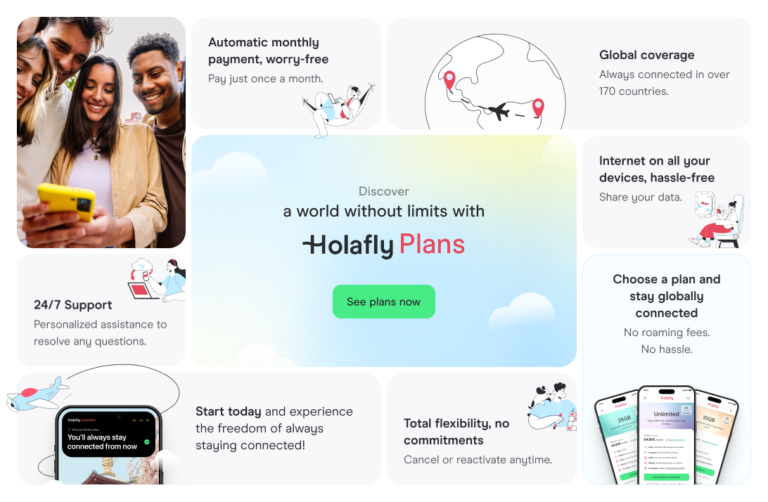
If you need top-notch connectivity with fast, secure 5G coverage anywhere in the country, Holafly’s monthly plans are a great option. You can choose between 25 GB or unlimited data and connect multiple devices at the same time, starting at $49.90 per month with no long-term commitment. Plus, the same eSIM and plan work in over 160 destinations! If you’re only visiting for a few days, Holafly’s South Africa eSIM lets you get unlimited data for as little as $9.90 per day.
Important: If you are a frequent traveler and want to stay connected without worrying about expensive roaming or looking for a new SIM at every destination, Holafly’s subscription plans are for you. With a single eSIM, enjoy internet in more than 160 countries for a fixed price and no surprises on your bill. Travel without limits and connect easily and securely! 🚀🌍
5 advantages of living in South Africa
If you’re considering living in South Africa, it can be a great option if you want affordable rent, easy access to dining out, convenient public transport, and daily contact with nature. Here are some of the advantages it offers:
- Unique nature and landscapes: You can unwind every day and immerse yourself in nature, whether it’s exploring Kruger National Park, climbing Table Mountain, or taking in the coastal scenery at the Cape of Good Hope.
- Affordable cost of living: Living in Cape Town is far more affordable than in many European cities, with lower costs for housing, transport, entertainment, and food.
- Pleasant climate year-round: Much of the country enjoys a mild and sunny climate, like Durban, which has a subtropical weather perfect for beach days year-round.
- Opportunities in tourism: Tourism creates plenty of job opportunities, especially in popular destinations like the Garden Route, making it relatively easy to find work in this sector.
- Multicultural environment: With 11 official languages and a blend of African, European, and Asian cultures, you’ll experience a multicultural environment where it’s easy to fit in, while also picking up new languages and local traditions.

5 disadvantages of living in South Africa as a foreigner
South Africa offers many benefits, but life there also has its challenges. Being aware of these in advance can help you adjust more easily and have a realistic view of what to expect. The main ones include:
- Safety and crime: In certain cities, crime rates can be high, so many expats choose to live in secure, gated neighborhoods in Johannesburg or Cape Town.
- Economic inequality: There is a significant gap between affluent neighborhoods and less privileged areas, which can affect access to services, the quality of infrastructure, and safety in certain parts of the city.
- Limited infrastructure: Depending on where you live, you may encounter daily issues with transport or frequent power outages, which can affect your internet access.
- Distance from other destinations: Located at the southern tip of Africa, traveling to Europe, Asia, or the Americas often means long and expensive flights.
- Immigration procedures: Securing a visa or residence permit in South Africa can take time and involve a lot of paperwork, so it’s important to research the requirements that apply to your nationality.
Frequently asked questions about living in South Africa
Safety is one of the country’s biggest challenges, with some areas experiencing crime rates above the global average. The safest places to live are cities like Cape Town, Johannesburg, and Durban, particularly in secure, gated communities.
The cost of living in South Africa is much lower than in Europe or North America, especially for housing, transport, food, and leisure. With an international salary or remote work, you can enjoy a comfortable lifestyle in the country.
South Africa has 11 official languages, including English, Afrikaans, Zulu, and Xhosa. English is the most commonly used in professional settings, universities, and public administration.
It can be challenging, as South Africa tends to prioritize hiring local workers, but there are sectors with more opportunities for foreigners, such as international education, tourism, and technology.
The official currency of South Africa is the South African rand (ZAR). The rand is used to pay for goods and services, including transportation, groceries, and rent.
Plans that may interest you


Hi! I'm a Spanish-English translator working with Holafly, helping bring travel content to life for curious travelers. As a digital nomad with a passion for exploring, I'm always adding new spots to my bucket list. If you love to travel like me, stick around because you're in the right place to find inspiration for your next trip! ✈️🌍