Language


 No results found
Living in Singapore as a foreigner: What is it really like?
Living in Singapore means moving to one of the most modern destinations on the planet, but you should also be aware of certain challenges.

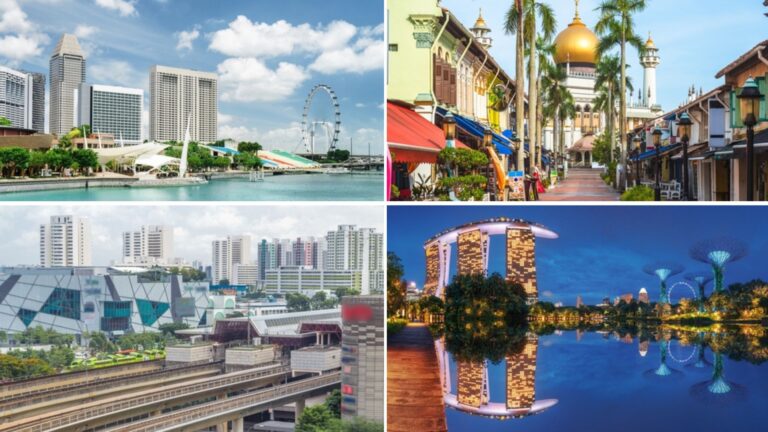
What strikes most people first about living in Singapore is how futuristic it feels, as if it were designed by a visionary. But beyond its modern look, this small Southeast Asian city-state has managed to pair rapid economic growth with spotless cleanliness and a level of safety that lets you walk down any street at any hour without a second thought.
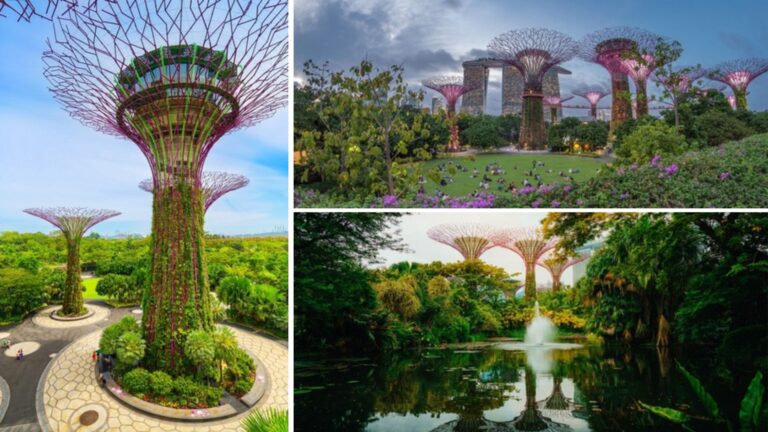
Did you know Singapore is known as the “Garden City” because nearly half of its land is covered in greenery? But beyond its futuristic parks, what truly draws people from abroad is the chance to build an international career in one of Asia’s most dynamic environments.
Today, we’re taking you on a journey to help you understand what it truly means to settle down in this global financial hub. We’ll explore everything from the exceptionally high standard of its public services to the unique legal system that keeps the city running like clockwork. And we’ll also speak candidly about the cost of housing and what it’s really like to adjust to a climate of constant tropical humidity.
What is the quality of life like in Singapore?
Settling down in this city-state means entering one of the most competitive and rewarding environments in the world.
According to the Mercer Quality of Life Index, Singapore consistently ranks among the top cities in Asia for its infrastructure, safety, and public services. Living in Singapore means enjoying a first-world bubble right in the heart of Southeast Asia, where nothing is left to chance.
Economy and wages
Singapore attracts talent from finance, tech, and biotech sectors around the world. For skilled expats, pay is highly competitive, with mid-level positions often earning over 8,000 SGD per month ($6,000). On top of that, the tax burden is relatively light, with income tax for most residents generally staying within the 15–20% range.
The real trade-off, however, is the cost of living. Renting a one bedroom in areas like Orchard or River Valley can cost anywhere from 3,500 to 5,000 SGD per month ($2,700 to $3,900). To make it more manageable, many expats look outside the city center for condos with perks like pools and gyms, or choose to share a place, something that is surprisingly common even among high earning professionals.
In fact, some choose to live in Malaysia (especially in Johor Bahru), where the short distance makes it possible to commute back and forth in a single day and save money on rent.
Absolute safety
If there’s one thing that defines the experience of living here, it’s safety. Statistically speaking, Singapore is one of the safest cities in the world.
Surveillance cameras are everywhere, and penalties for crimes, even minor ones like vandalism or theft, are strictly enforced. As a result, it’s completely normal to see people leave their laptops unattended on a café while they go grab a coffee.
For both families and people living alone, that sense of peace is truly priceless. You can walk through any park or alley at three in the morning with the same ease as you would at midday. This level of social discipline creates a predictable, well ordered environment that greatly reduces the usual stress you find in other major cities.
Healthcare
Singapore’s healthcare system is a global benchmark. It has excellent public hospitals alongside private clinics that feel more like five star hotels, such as Gleneagles and Mount Elizabeth. Living in Singapore, you quickly notice how fast, digitalized, and highly professional the care is.
That said, healthcare is not free for foreigners. Even though the government regulates costs, a surgery or extended treatment can still become very expensive if you do not have solid international health insurance. Most reputable employers include this coverage in their expat packages, so it is something worth looking into carefully before you sign any contract.
If you are going as a digital nomad, it is also wise to arrange your own health insurance. That way you can work remotely with peace of mind and explore Singapore knowing that if anything happens, you will get high quality medical care without having to spend all or most of your income on it.
Education
If you are moving with children, you will find yourself in a high performing education system. Singapore’s public schools consistently top global PISA rankings, with a strong focus on maths and science and a highly disciplined approach. That said, most expats opt for international schools such as Stamford American or United World College, as they offer a smoother cultural transition.
These schools offer facilities that rival those of many universities and a vibrant multicultural environment.
That said, tuition fees are among the highest in the world, often reaching up to 40,000 SGD per year ($30,000) per child. Living in Singapore, education quickly becomes one of the biggest expenses for international families.
Transportation and infrastructure
Singapore’s MRT system is famously clean, efficient, and always on time. Combined with a highly extensive bus network, it is so convenient that owning a car is unnecessary for most people and often not worth the cost. In fact, private car ownership is strongly discouraged through very high taxes. Because of the Certificate of Entitlement (COE), a basic car can end up costing up to three times more than in Europe.
The city is built for pedestrians, with air conditioned walkways and covered links connecting malls, MRT stations, and office buildings. This makes it easy to move around the financial district without dealing with the tropical heat.
Connectivity in Singapore
Singapore is a fully developed smart city. You can do almost everything, from paying at a hawker center to booking a tennis court, through mobile apps. As soon as you land, you will need mobile data right away to set up essential apps like Grab, the local ride-hailing service, or Singpass for official government services.
Although public Wi-Fi is common, having your own secure connection is essential. A Holafly eSIM for Singapore lets you skip airport queues and complicated registration, giving you unlimited high-speed data from the moment you land so you can move around and stay connected while you settle in.
An eSIM works great for short trips, but for a longer stay, Holafly’s monthly plans are a better option. You still get unlimited data, not just in Singapore but in over 160 countries worldwide. That means you can move freely across Southeast Asia without worrying about connectivity. And if you live in Malaysia but work in Singapore, it lets you cross the border daily without ever going offline.
You only need to subscribe once, pay a flat monthly fee, and you can cancel anytime. Plus, if you go for the yearly plan, you get a significant discount.

What are the advantages of living in Singapore?
Living in Singapore means stepping into a system built for efficiency, growth, and quality of life, all within an environment of remarkable order. These are the key advantages that make it one of the top choices for people around the world.
A financial and professional hub without borders
Singapore is Asia’s business hub. Its strategic location and business-friendly environment have attracted more than 7,000 multinational corporations. For foreigners, this gives access to a job market that rewards merit and offers truly global networking opportunities.
On top of that, the tax system is very simple and highly favorable. Not only are income taxes low, but there is also no capital gains tax or inheritance tax.
The culinary capital of the world
One of the greatest joys of living here is the food. Singapore is a melting pot of cultures (Chinese, Malay, Indian, and Eurasian), and this is reflected in its cuisine.
Singapore’s famous Hawker Centres are open air food courts where you can enjoy dishes like Hainanese chicken rice, even some with Michelin recognition, for just 5 to 8 SGD ($4 to $6).
This easy access to delicious, affordable food helps balance out the high rent prices. Social life here often revolves around eating out, and it becomes a daily pleasure. You can explore flavours from all over Asia without ever leaving your neighbourhood, turning every lunch into a small multicultural experience.
The “Dream Airport” and regional travel
We’ve all seen photos of Singapore’s airport and dreamed of passing through it.
Beyond its impressive design, having Changi Airport as your home base is an unbeatable advantage. It is consistently ranked among the best airports in the world and serves as the main gateway to Southeast Asia. Living in Singapore, you can decide on a Thursday to spend the weekend in Bali, Phuket, Vietnam, or Borneo and be there in under three hours at very affordable prices.
Travel is so easy it becomes part of daily life. The airport itself feels like a destination, with gardens, a huge waterfall, and free cinemas. For explorers, Singapore is the perfect base to tick off bucket list trips with ease.
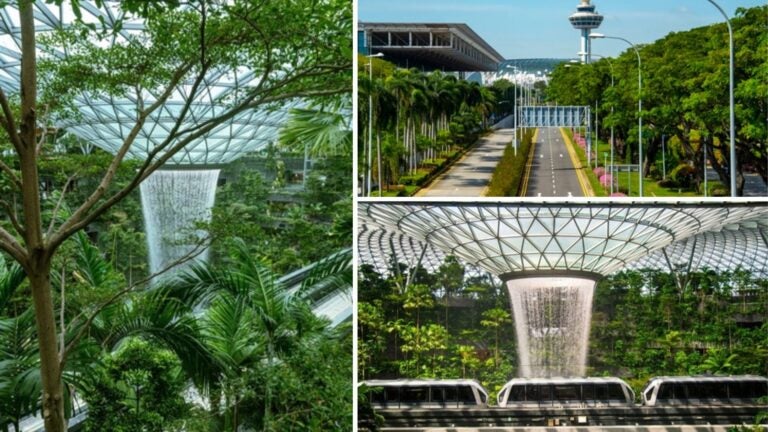
The Garden City
Even though it is a city of glass and steel, Singapore is surprisingly green. Strict government policies ensure that greenery is built into almost every skyscraper. Spaces like the Botanic Gardens, a UNESCO World Heritage Site, and Gardens by the Bay provide natural escapes in the middle of the city.
Living here means you can enjoy hiking trails like the Southern Ridges or take walks along pristine coastal parks. The city integrates nature throughout its design, which helps ease the heat and boosts mental well being.
Administrative efficiency and digital bureaucracy
In Singapore, time is the most valuable asset. Forget endless queues or months of paperwork. You can complete most administrative tasks, from setting up a company to renewing your residence pass or paying taxes, in minutes through the Singpass app.
This level of efficiency removes a lot of the usual frustration for expats. Living in Singapore, it feels like the system is designed to support you, not slow you down. Everything is digital, transparent, and runs seamlessly, so you can focus your time and energy on work, family, and free time.
What challenges does living in Singapore as a foreigner entail?
Singapore is known as a “fine city,” with the pun referring to both its beauty and its strict system of fines.
Once you settle in, you may notice that strict rules maintain this social harmony, which for some expats can feel like a loss of spontaneity.
The cost of living
Singapore regularly competes with Zurich and New York for the title of the world’s most expensive city. And this will be your first major challenge.
Housing is by far the biggest expense. A small apartment in a central area can easily cost between 4,000 and 6,000 SGD per month ($3,100 to $4,700).
On top of that, imported goods, dairy products, and alcohol are heavily taxed. A beer at a bar can cost around 15 SGD ($11), and a dinner for two at a mid range restaurant will rarely be under 120 SGD ($90).
The “Certificate of Entitlement” (COE) and the cost of cars
If you think buying a car will be easy, think again. To control traffic, the government requires a permit called the Certificate of Entitlement (COE), which is auctioned and can cost over 100,000 SGD ($75,000) just for the right to own a car for ten years.
Once you add the cost of the car itself and the taxes, a basic vehicle can end up costing around 150,000 SGD ($110,000). That is why most expats give up on the idea of owning a car and rely entirely on public transport or ride-hailing services, which can take away a bit of that sense of personal freedom.
Strict laws and social discipline
Singapore’s cleanliness and order come with very strict rules. Chewing gum is banned, and eating or drinking on public transport is not allowed. Even small infractions like not flushing a public toilet or crossing the street incorrectly can result in fines. The system is strictly enforced with no exceptions.
For people coming from more relaxed cultures, this constant oversight can feel stressful. Living in Singapore quickly teaches you that rules are not suggestions, they are strict requirements. While these rules keep the city spotless, they also limit urban creativity and make street culture far less visible compared to other Asian capitals.
The climate
Singapore sits almost right on the equator, which means the weather stays the same all year round. Temperatures hover around 31°C, with humidity often between 80 and 90%. There are no seasons, just hot days and the occasional heavy tropical downpour.
The humidity can be draining, and life quickly shifts indoors to air conditioned spaces, which can make you feel disconnected from the outside world. Mold is also a constant issue, and higher electricity bills for cooling and dehumidifying are something you need to account for in your budget.
Singapore’s “bubble” and the size of the island
Singapore is tiny, really tiny, about 730 km². After a couple of years, it can start to feel like you have seen everything there is to see. Life can become a bit repetitive, with routines revolving around the same malls and parks.
This “small island” feeling pushes many residents to travel abroad regularly just to get a change of scenery. If you are someone who needs wide open spaces, deserts, or mountains, living in Singapore can start to feel a bit geographically claustrophobic over time.
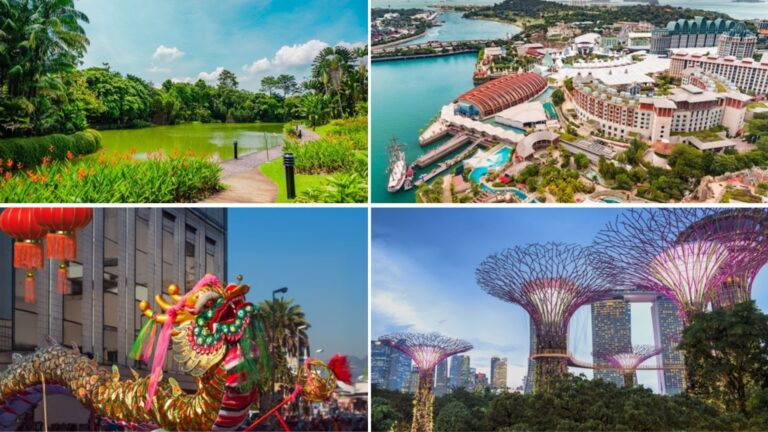
So… Is it worth living in Singapore or not?
It is probably one of the most strategic moves a professional can make for a career in Asia. It offers a level of security, efficiency, and quality of life that feels almost technologically perfect. If you value order, meritocracy, and want to be at the heart of the continent’s financial decision making, Singapore has no real rival.
However, it is important to understand that this “perfection” comes at a price, including high housing costs and a strict social order that leaves little room for spontaneity. Singapore is not for those seeking a bohemian lifestyle or vast untamed nature, but for those who value excellence, complete safety for their family, and a global launchpad.
If you have a solid budget and can handle the heat well, Singapore will quickly become the best home you’ve ever had.
Frequently asked questions about living in Singapore
Although there is no legal minimum salary for foreigners, the authorities do set certain thresholds for work visas such as the Employment Pass. To live comfortably, rent a studio, and enjoy a social life, you would generally need a salary of around 6,000 to 7,000 SGD per month ($4,400 to $5,100). If you are moving with a family and need a three bedroom apartment plus international schooling, that figure should rise to at least 15,000 SGD a month ($11,000). It is crucial to negotiate these packages with your employer, as housing and education are the two biggest expenses that can quickly drain your savings.
Singapore is very selective when it comes to immigration. The Employment Pass (EP) is issued through a points based system called COMPASS, which assesses your salary, qualifications, your company’s diversity, and whether your role fills a local skills gap. The process is not impossible, but it is highly strict, and your employer must prove that they need to hire you. For younger professionals, there is the S Pass, which has lower salary requirements but is subject to company quotas. The most important step is having a solid job offer from a reputable company that will handle the entire visa process for you.
Yes and no. You will not see police handing out fines on every street corner, but the government designs the system to ensure compliance through cameras, sensors, and strong social pressure. Penalties for things like littering or smoking in prohibited areas can range from 300 to 1,000 SGD ($220 to $740). The main rule is to follow local behavior. If no one is eating on the metro, you should not either.
It is one of the most attractive tax systems in the world. Singapore uses a progressive income tax structure that starts at 0% and goes up to a maximum of 24% for very high earners. For a typical expat salary, most people end up paying around 10% to 15%. On top of that, Singapore taxes foreign residents only on income they earn in Singapore. There is no capital gains tax, making it especially appealing for investors and entrepreneurs looking to maximize their annual returns.
Not at all. English is the main language in business, government, and education. All signs, ads, and official documents are in English. People in Singapore speak a local variation called “Singlish”, a mix of English with Chinese and Malay influences, and you will hear it on the streets, but in everyday professional and personal life, standard English is more than enough. That said, learning a few words of Mandarin or Malay can go a long way with hawker centre vendors and helps you connect with the island’s rich cultural mix.
Plans that may interest you


Hi! I'm a Spanish-English translator working with Holafly, helping bring travel content to life for curious travelers. As a digital nomad with a passion for exploring, I'm always adding new spots to my bucket list. If you love to travel like me, stick around because you're in the right place to find inspiration for your next trip! ✈️🌍