







 Language
Living in Rome as a foreigner: What is it really like?
Discover what living in Rome is like: lifestyle, pros and cons of moving to and settling into the Eternal City.

Living in Rome means being in a city where history is part of everyday life. People love it for the weather, the food, and the culture, but it also has some challenges and takes time to get used to. In this article, we explain the main pros and cons of living in Rome as a foreigner, so you can decide if it’s right for you.
Rome is more than just Italy’s capital. It’s a city where thousands of years of history are part of everyday life. Strolling through its neighborhoods, stopping for a coffee in a piazza, or walking past ancient ruins all become part of your routine. This mix makes living in Rome a unique experience, but it also means getting to know the city beyond its tourist side.
Quality of life in Rome
Rome can offer a very appealing lifestyle if you’re planning to settle there for a while. You benefit from public healthcare, plenty of education options, good connections to the rest of Europe, and a lively cultural scene. But it’s worth keeping things in perspective: wages tend to be lower than in many other major European countries, and renting in the capital can be quite expensive.
In international rankings, Mercer placed Rome 59th in its 2024 Quality of Living City Ranking. This suggests the city offers a solid quality of life for expats, though it doesn’t rank among the very top European destinations.
Education in Rome
Rome is a good option for families, students, and people staying for a longer time. It has well-known universities, public schools, private schools, and international options. The OECD reports that Italy funds education mostly through public sources, with 94.2% of funding for primary, secondary, and post-secondary non-university education coming from the public sector.
Rome does offer plenty of schooling options, but it’s important to carefully check the area, the language of instruction, and the type of school before choosing where to live. In other words, the system works well and is well established, but there can still be noticeable differences between schools, neighbourhoods, and what international families expect.
Safety and daily life
Living in Rome is generally not associated with high levels of violent crime compared to many major cities, but you do need to watch out for pickpocketing and opportunistic theft, especially in tourist areas, stations, and busy spots. ISTAT data shows that some people in Italy experience property-related crime, while the OSAC notes that crime is moderate overall, with theft being more common than violent incidents.
In simple terms, Rome feels like a normal big city, but you need to use basic caution. Keep an eye on your bag and phone on public transport, be a bit more careful at night in crowded areas, and don’t assume it’s a place with no risks just because it’s a tourist city.
Economy, wages, and cost of living
One of the biggest factors shaping quality of life in Rome is the balance between income and living costs. According to the latest data from the OECD, the average annual salary in Italy is around €34,000–35,000 before tax ($37,000–38,000), which is lower than in several other European economies. Economic forecasts also point to only modest wage growth in 2025, suggesting that purchasing power will improve only slowly.
In everyday life in Rome, housing is one of the biggest expenses. A single person is estimated to need around €855.50 per month without rent ($925), while a one-bedroom apartment in the city centre can cost roughly €1,186 ($1,280). This shows that living on a local average salary can make budgets quite tight. In practical terms, life in Rome is much more comfortable if you earn internationally, share a flat, or live outside the city centre.
Healthcare system
Healthcare is one of the key factors when assessing quality of life in Rome. The OECD notes that everyone in Italy is covered for a basic set of medical services, life expectancy is about 83.5 years, and only 1.8% of people report unmet medical needs, compared to the OECD average of 3.4%. Overall, these figures point to a broad healthcare system with strong health outcomes.
If you’re moving to Rome as a foreigner, the experience tends to be mixed. You can rely on a solid public healthcare system, but in practice things like waiting times, paperwork, and access to certain services can feel slower and more complicated than you’d expect.
Internet and digital coverage
Rome benefits from strong digital infrastructure, with ongoing fibre and 5G expansion. The AGCOM notes major providers like TIM, Vodafone, WindTre, and Iliad, which means good internet and mobile coverage across the city, enough for remote work, video calls, and heavy data use. Italy’s digital habits are growing, although e-commerce is developing more slowly than in some other European countries.
If you’re planning to live in Rome, you’ll still find all the usual digital platforms and services, but online shopping isn’t always as widespread or as seamless as in some of the more mature European markets.
Internet with Holafly in Rome
Having internet access from day one is essential when you move to Rome, especially if you need to get around, handle paperwork, or work remotely. Services like Holafly make it easier to stay connected without relying on traditional roaming or dealing with slower local setup processes.
On one hand, Holafly offers a day-based eSIM for Rome, designed for short or temporary stays. You can activate it before you travel, and it uses local networks to provide unlimited data plans, giving you a stable connection as soon as you arrive in the country.
On the other hand, if you’re staying longer or need more flexibility, Holafly also offers monthly plans. These work as a more stable international option for people who need constant connectivity across different countries, without having to switch SIM cards or set up local services every time.

Advantages of living in Rome
Living in Rome offers an experience that’s hard to find anywhere else. It’s not just about its history or architecture, but about the rhythm of everyday life. If you’re moving there as a foreigner, these are some of the main advantages you’ll notice right away:
A Mediterranean lifestyle and a more relaxed pace of life
Rome has a way of slowing things down. People take their time with meals, value their free time, and enjoy social life. You can stroll, or have a coffee without the constant rush you might find in bigger, faster cities. This work-life balance is especially appealing if you’re coming from a more intense environment.
Cultural richness in everyday life
In Rome, culture is part of everyday life. Museums, churches, squares, and monuments are everywhere. Living there means being surrounded by history all the time, which really changes what it’s like to live abroad.
Affordable, high-quality cuisine
Eating well in Rome doesn’t require a big budget. Fresh produce, local markets, and good-value restaurants are easy to find. Italian food is part of everyday life, which naturally improves your quality of life without needing to spend more.
A strategic location in Europe
Rome makes it easy to travel within Italy and to other European countries. It has well-connected international airports and a train network that’s great for weekend trips. If you enjoy traveling, its location is a real advantage.
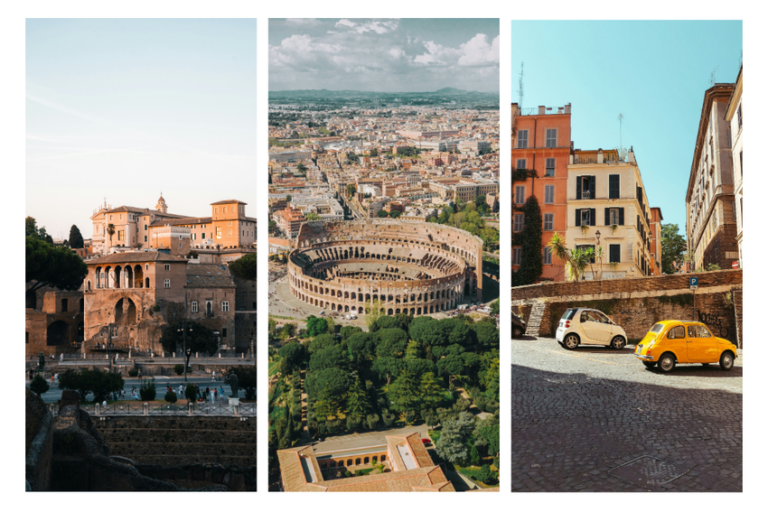
Disadvantages of living in Rome as a foreigner
Although living in Rome has many advantages, it also comes with real challenges that are worth understanding before you move. Foreigners usually come across these main downsides:
- Slow bureaucracy: Rome isn’t known for being very efficient when it comes to bureaucracy. Things like registering, permits, or dealing with public offices can take time and require patience. If you’re not familiar with the system or the language, it can feel frustrating at first.
- Low wages relative to the cost of living: Italy generally has lower average salaries compared to many other European countries, while Rome itself can be quite expensive, especially for housing. If you’re earning locally, careful budgeting is important to avoid financial pressure.
- Difficulty finding housing: Renting in Rome can be competitive, especially in central areas where prices are high and availability is limited. Plus, not all apartments are up to modern standards, so finding a decent place often takes time and patience.
- Irregular public transportation: Rome does have a metro, buses, and trams, but the system isn’t always as punctual or efficient as you might expect from a European capital. Delays, overcrowding, and disruptions are part of everyday life, especially during rush hour.
- Language barrier in everyday life: In tourist areas you can usually get by in English, but for things like paperwork, renting, or dealing with local services, Italian really makes a difference. If you don’t speak the language, some tasks can be more complicated than expected and may leave you relying on others.
Frequently asked questions about living in Rome
Yes, Rome is one of the most expensive cities in Italy, especially when it comes to housing. Rent in central areas like Trastevere, Centro Storico, or Prati can be quite high, while prices drop in neighbourhoods farther out. Still, your overall cost of living will depend a lot on your lifestyle.
It’s not always easy, especially if you don’t speak Italian. Fields like tourism, hospitality, customer service, and language teaching tend to offer more opportunities for foreigners. For skilled professionals, jobs are available, but the hiring process can be more competitive and slower than in some other European countries.
You don’t need it at first, but it’s definitely helpful. English is fine in tourist areas, but Italian makes daily life, paperwork, and work much easier and helps you settle in properly.
Yes, especially if you value lifestyle, culture, and the climate. It’s not the most efficient or administratively fast city, but it offers a rich and well-rounded living experience, ideal if you care more about quality of life than a fast-paced work environment.
Plans that may interest you

Hi! I'm a Spanish-English copywriter working with Holafly, helping bring travel content to life for curious travelers. As a digital nomad with a passion for exploring, I'm always adding new spots to my bucket list. If you love to travel like me, stick around because you're in the right place to find inspiration for your next trip! ✈️🌍
