




 Language


 No results found
Living in Punta Cana as a foreigner: What is it really like?
Find out what living in Punta Cana is like as a foreigner, including the quality of life, the main pros and cons, and more

Moving to the Caribbean is becoming an increasingly appealing option for people who work remotely, are looking for a lifestyle change, or simply want to spend some time living abroad. Among the most popular destinations is this city, known for its white-sand beaches, year-round warm weather, and well-developed tourist infrastructure. If you’re curious about living in Punta Cana, this guide will walk you through it!
Living in this part of the Dominican Republic can feel quite different from other Caribbean destinations. In recent years, there’s been a growing range of services, coworking spaces, expat communities, and housing options for long-term stays. As a result, Punta Cana has become an appealing choice for digital nomads, retirees, and professionals looking to work remotely.
Quality of life in Punta Cana
The quality of life in Punta Cana can vary depending on things like access to services, infrastructure, safety, job prospects, and overall living costs. While it isn’t a major city, the area has grown quickly in recent years, fueled by international tourism and strong real estate development.
International studies like the Global Social Progress Index and reports from firms like Mercer look at things like access to basic services, economic stability, safety, and connectivity. Punta Cana isn’t usually listed on its own in global rankings, but the La Altagracia region has been improving in terms of infrastructure and tourism development within the Dominican Republic.
Here we take a look at some of the factors that have the biggest impact on quality of life for those who decide to move to this destination.
Safety
Safety is one of the main concerns for foreigners thinking about moving to Punta Cana. In general, tourist areas tend to have stronger security measures than other parts of the country. Many residential complexes, condos, and gated communities also offer private security and controlled access.
Areas near resorts, hotel zones, and newer neighborhoods are generally quite safe compared to bigger cities in Latin America. Even so, as with any popular tourist spot, it is smart to be cautious, keep valuables hidden, and use reliable transportation.
Residential communities popular among expats tend to offer a fairly safe environment.
Healthcare
Healthcare in Punta Cana includes both public and private options. Most expats and visitors choose private clinics because they provide faster service and more modern facilities.
Some of the most well-known medical centers in the area cater to international tourists, with English-speaking staff and experience in global healthcare. Many of these facilities meet standards comparable to private hospitals in the United States or Europe.
For longer stays, it’s a good idea to have international health insurance. If you want to learn more, you can check out the article on travel insurance in the Dominican Republic.
Education
Education options in Punta Cana are more limited than in larger cities like Santo Domingo, but in recent years several international schools have opened to serve expat families.
Several private schools provide bilingual or international programs following U.S. or British curricula, making it simple for foreign students to keep up with their studies. For university studies, many people choose to move to larger cities in the country or pursue online programs with international universities.
Economy and wages
Punta Cana’s economy is closely tied to tourism. Hotels, restaurants, real estate, transportation, and other tourist services provide the majority of jobs in the area.
Local salaries are generally lower than in Europe or North America. However, for those earning income remotely from abroad, the cost of living can be quite manageable. This makes Punta Cana an appealing choice for remote workers and retirees with international income.
Transportation and mobility
Getting around Punta Cana is usually easy, though public transportation is limited compared to bigger cities. Many people rely on their own cars or private transport services.
In the main areas, you can easily use ride-hailing apps or tourist taxis, and the international airport connects directly to many cities across the Americas, Europe, and the Caribbean. Since beaches, shopping areas, and neighborhoods are all nearby, most trips don’t take long.
International connectivity and mobile data
For frequent travelers or remote workers, having a reliable mobile connection is essential. Services like Holafly, for example, provide convenient solutions to stay online from the moment you arrive in the country.
International eSIMs let you access mobile data without needing to buy a physical SIM card in the country. This is especially convenient during the first few days while arranging a local plan or setting up internet at home.
If you’re planning to travel to or spend some time in the Dominican Republic, you can check out the available options on Holafly’s eSIM page for the Dominican Republic.
If you need reliable internet while traveling or spending longer periods in different countries, Holafly’s monthly plans make it easy to stay connected globally without having to rely on local SIM cards.
Important: If you are a frequent traveler and want to stay connected without worrying about expensive roaming or looking for a new SIM at every destination, Holafly’s subscription plans are for you. With a single eSIM, enjoy internet in more than 160 countries for a fixed price and no surprises on your bill. Travel without limits and connect easily and securely! 🚀🌍

Advantages of living in Punta Cana
Moving to Punta Cana can mean a whole new way of life. Its warm climate, easygoing atmosphere, and well-established tourist infrastructure make daily living comfortable, which is why many foreigners choose to settle here. Here are some of the main perks of living here.
Year-round tropical climate
One of the biggest draws of living in Punta Cana is the warm, sunny weather most of the year. Temperatures usually stay between 25 °C and 30 °C, making it easy to enjoy outdoor activities almost any time.
This creates a more relaxed pace of daily life, with easy access to beaches, water sports, and outdoor activities. For those coming from countries with long winters or cold climates, this can be a big boost to overall quality of life.
Access to beaches and nature
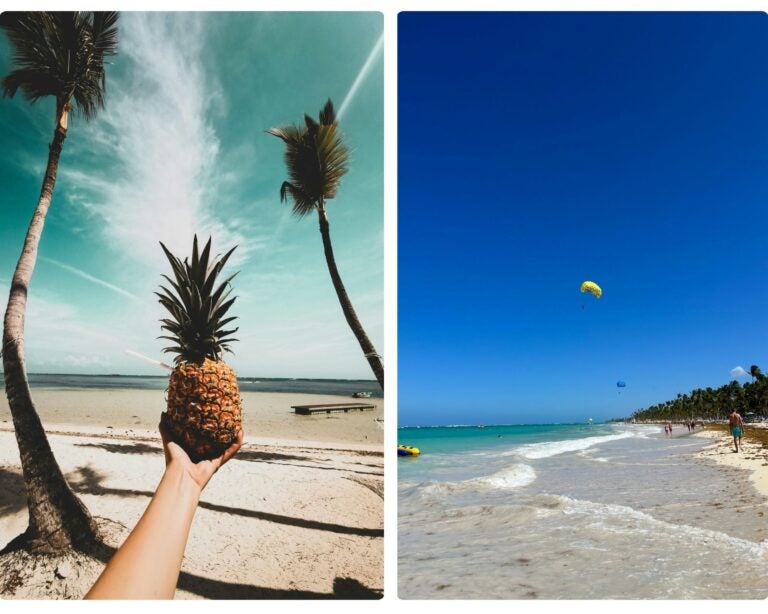
Punta Cana is known for its white-sand beaches and turquoise waters. Living here means you can enjoy some of the Caribbean’s most iconic scenery every day.
Beyond the beaches, the area is home to nature reserves, cenotes, and eco-parks, perfect for weekend trips or activities like diving, snorkeling, and hiking. This close connection to nature is one of the main reasons people choose to move here.
International community and multicultural environment
The rise in tourism has drawn people from all over the world. In Punta Cana, it’s common to find expat communities from Europe, North America, and Latin America.
This diversity makes it easier for newcomers to settle in. There are networking groups, social events, and coworking spaces where you can meet other people living abroad.
Thanks to its international community, Punta Cana now offers diverse dining options, services in different languages, and leisure activities that appeal to many lifestyles.
Tourism infrastructure and modern amenities
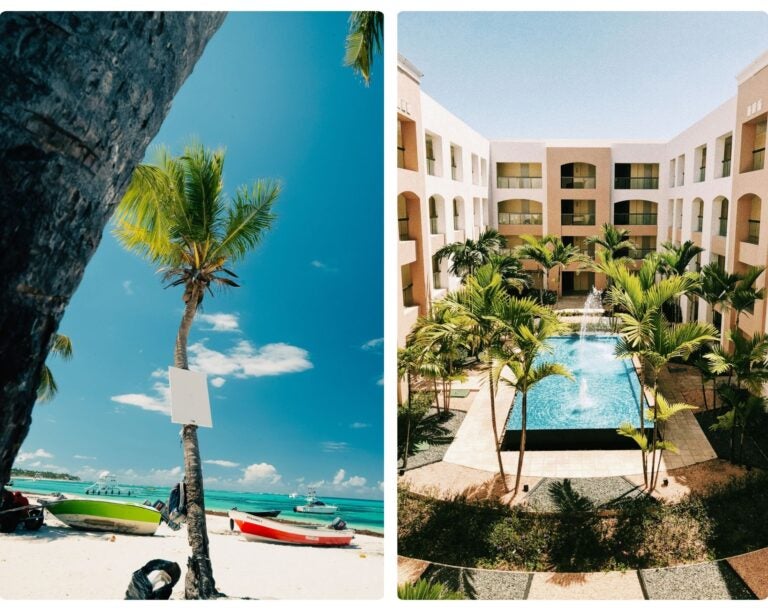
Thanks to hotel investments and growth in the real estate sector, Punta Cana boasts modern infrastructure in many residential areas.
You can find shopping centers, international supermarkets, private hospitals, and residential complexes with amenities like security, gyms, and pools. This level of development has made living in the area increasingly convenient for those planning to stay long-term.
A great destination for digital nomads
Punta Cana is an appealing choice for remote workers. With reliable internet, coworking spaces, and plenty of spots with Wi-Fi, staying connected and productive is easy.
Additionally, the cost of living can be quite affordable compared to many cities in Europe or North America, especially for those earning income in foreign currency.
The combination of connectivity, pleasant weather, and a relaxed lifestyle explains why more and more digital nomads are choosing this Caribbean destination.
International flights
Punta Cana’s international airport is one of the busiest in the Caribbean, offering direct flights to many cities across North America, Europe, and other Caribbean destinations.
This makes frequent travel much more convenient, whether it’s visiting family, working abroad for a while, or enjoying quick trips.
Disadvantages of living in Punta Cana as a foreigner
Punta Cana offers many benefits, but it also comes with its challenges. Being aware of these in advance can help you make better choices and settle in more comfortably.
Limited job market
The local economy relies heavily on tourism, which means most job opportunities are centered around hotels, restaurants, transportation, and other tourism-related services.
For those looking for local work outside the tourism industry, options can be limited. That’s why many foreigners living in Punta Cana rely on remote work or earn income from abroad.
Urban infrastructure outside tourist areas
While tourist areas are highly developed, some areas outside the main resorts may have more limited infrastructure.
Public transportation isn’t as extensive as in larger cities, so having your own car can make getting around much easier. Additionally, the availability of urban services can differ depending on the neighborhood or residential area.
Risk of severe weather events
The Caribbean is a region prone to severe weather events such as tropical storms and hurricanes, particularly between June and November.
While Punta Cana has infrastructure designed to handle these situations, it’s still important to consider if you plan to live there year-round. Many modern homes come equipped with structural safety features and climate-related precautionary measures.
The economy’s dependence on tourism
The local economy is heavily dependent on international tourism, which means global events like economic downturns or travel restrictions can have a direct impact on business and employment in the area.
When tourism slows down, some businesses and services may struggle. This can lead to instability for people whose work depends on the tourist industry.
High costs in some areas
While the overall cost of living can be reasonable compared to other international destinations, some residential areas and beachside complexes come with higher price tags.
Renting in newer neighborhoods or private communities can be quite pricey, similar to other popular tourist cities. It’s wise to compare different areas and housing options before committing.
If you’d like detailed estimates of monthly expenses, check out our blog post on the cost of living in Punta Cana.
Frequently asked questions about living in Punta Cana
The cost of living in Punta Cana can vary greatly depending on your lifestyle and where you choose to live. Beachfront or private community developments tend to be more expensive, while less touristy areas often offer more affordable options.
Foreigners planning to stay in the Dominican Republic for an extended period need to obtain the appropriate visa or residence permit based on the purpose of their stay.
Compared to other cities in the region, many residential areas in Punta Cana are quite secure, especially in private neighborhoods or gated communities.
Yes. In recent years, Punta Cana’s digital infrastructure has improved significantly. Major telecom providers now offer fiber-optic and high-speed internet in many residential areas.
Adjusting is often fairly easy for many foreigners, especially thanks to the laid-back atmosphere and the presence of international communities.
Plans that may interest you


Hi! I'm a Spanish-English translator working with Holafly, helping bring travel content to life for curious travelers. As a digital nomad with a passion for exploring, I'm always adding new spots to my bucket list. If you love to travel like me, stick around because you're in the right place to find inspiration for your next trip! ✈️🌍