







 Language


 No results found
Living in Puerto Rico as a foreigner: What is it really like?
Enjoy a tropical climate and an American way of life when living in Puerto Rico. We’ll tell you what the quality of life is like.

Living in Puerto Rico is becoming an increasingly popular choice among travelers looking for a high quality of life in a tropical, Caribbean setting. The island blends Latin culture with the U.S. system, which shapes everyday life and has a major impact on key areas such as the economy, job opportunities, and access to essential services.
In addition to its world famous beaches like Flamenco Beach, stunning natural places such as El Yunque National Forest, rich Caribbean culture, and great food, moving to Puerto Rico also means being aware of its challenges including the cost of living in some areas and economic reliance on external factors. In this article we will explore what life there is really like covering quality of life, pros and cons, healthcare and education systems, and job opportunities for foreigners so you can decide whether it is the right destination for you.
Quality of life in Puerto Rico
Living in Puerto Rico offers a quality of life shaped by a good education system, beautiful natural surroundings, and some challenges with safety and the economy. Still, many expats such as digital nomads, students, workers, and volunteers appreciate the warm weather, rich culture, and the chance to live in the Caribbean with the administrative system of the United States. Below, we will look at its main sectors.
The Puerto Rican education system
According to the Social Progress Index developed by the Social Progress Imperative, Puerto Rico has a relatively strong level of access to education compared to other parts of the Caribbean. Its education system includes public and private schools, as well as well regarded universities, many of which are connected to the U.S. system. If you are planning to move to Puerto Rico to study, you will need to apply for a student visa through the U.S. embassy in your country. Here are some of the most well known universities:
- University of Puerto Rico: Río Piedras Campus is the main campus of the country’s public university system and one of the most important research centers in the Caribbean.
- University of Puerto Rico at Mayagüez: Excels in engineering, science, and agriculture.
- Pontifical Catholic University of Puerto Rico: With campuses in several cities and programs in fields such as law, architecture, and business.
- Universidad del Sagrado Corazón: Well known for its programs in communication, art, and business.
Safety and recommended neighborhoods
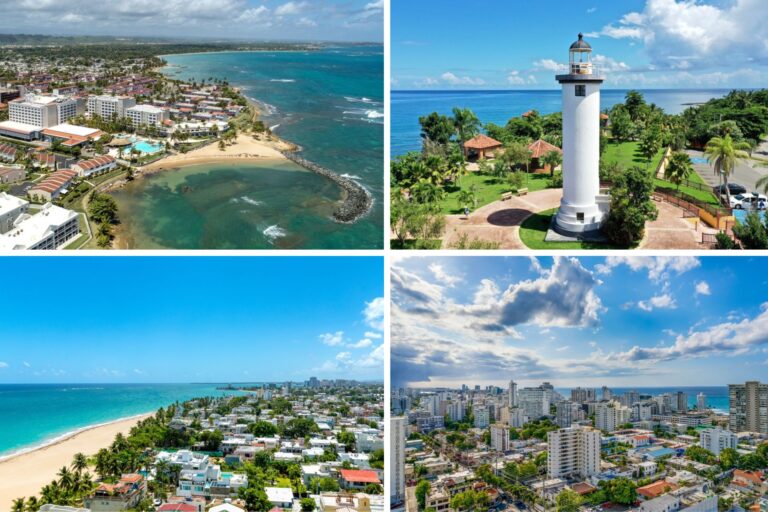
Safety is one of the drawbacks of living in Puerto Rico, as some reports suggest that crime levels are higher than the U.S. average. Authorities advise being careful in certain neighborhoods and urban areas, including parts of San Juan and La Perla. However, safety tends to feel much better in well developed residential and tourist areas. Here are some of the most highly rated areas:
- Condado: A modern waterfront area with apartments, hotels, and international amenities.
- Ocean Park: A quiet residential neighborhood with a beach and a relaxed atmosphere.
- Dorado: A coastal town with private developments and exclusive communities.
- Rincón: A town known for surfing and its international atmosphere.
Healthcare system in Puerto Rico
Healthcare in Puerto Rico combines public and private services, and the U.S. healthcare system strongly influences it. Most residents receive medical care through private insurance or publicly funded federal programs such as Medicaid or Medicare for low income individuals. In recent years, there has been growing concern among the population about a shortage of active doctors on the island due to professionals moving to the mainland United States, which has led to longer waiting times.
According to data from the country’s Department of Health, the territory has around 68 hospitals and over a hundred diagnostic and specialty centers. If you live in Puerto Rico, you will be able to access clinics such as the following:
- Cardiovascular Center of Puerto Rico and the Caribbean: One of the region’s leading hospitals specializing in cardiovascular diseases.
- University Hospital for Adults: Teaching hospital affiliated with the university and a leader in specialized medical care.
- UPR Dr. Federico Trilla Hospital: A university medical center offering advanced medical services and medical training.
- University of Puerto Rico Comprehensive Cancer Center: A leading institution in cancer treatment and research.
- Mennonite Health System: One of the largest private hospital networks on the island, with several hospitals and specialized services.
Economy and wages
Puerto Rico has one of the most developed economies in the Caribbean and is closely linked to the United States, using the U.S. dollar and being part of its broader economic system. Data from the World Bank and the International Monetary Fund shows that it has one of the highest GDP per capita levels in the region, although it also struggles with issues like high public debt and the loss of skilled workers who move to the mainland U.S.
Its economy is based on a mix of industries including manufacturing, tourism, services, and international trade, offering job opportunities for both locals and foreigners who choose to live in Puerto Rico. One of the main drivers of the economy is the pharmaceutical industry, with three manufacturing plants focused on medicines and medical technology.
If you plan to work for a local company, salaries in Puerto Rico are generally lower than in the United States, although the minimum wage follows U.S. federal law and is around $7.25 per hour. As for the cost of living, it stays fairly moderate compared to many U.S. cities, and a monthly income of about $1,500 to $2,500 usually covers basic expenses such as rent, food, transport, and utilities.
U.S. travelers who want to work on the island can do so freely without any work permit. However, if you are from another country, you will need to apply for a work visa. You can find the most opportunities in the following sectors:
- Tourism and hospitality: Especially in hotels, restaurants, and tourism-related services.
- Technology and digital services: A sector that has grown in recent years.
- Pharmaceutical and manufacturing industries: Seeking technical and scientific professionals.
- Education and languages: With a demand for English and other language teachers at language schools and educational institutions.
Internet connection
One important thing to consider when living in Puerto Rico is internet quality, especially for digital nomads or students working remotely. Connectivity has improved in recent years with fiber optic expansion, 5G rollout, and growing e-commerce. The main providers are T-Mobile, Liberty Puerto Rico, and Claro Puerto Rico, with average speeds of around 75 Mbps and fiber covering about 70% of the island.
Outside major cities, internet providers and connection quality can still be somewhat limited, so for reliable 5G coverage across the island it’s worth considering Holafly. For short stays, their Puerto Rico eSIM offers unlimited data for only the days you need. For longer trips, they also have monthly plans that work in over 160 countries with a single eSIM, offering either 25 GB or unlimited data that can be shared with other devices. Prices start at $49.90 per month, and you can change or cancel your plan anytime with no contracts or penalties.

5 advantages of living in Puerto Rico
Still unsure whether living in Puerto Rico is the right choice? If you are looking for a relaxed lifestyle in the Caribbean with great weather, while also enjoying some U.S. standards, this could be a great fit for you. Beyond everything we have covered in this article, the island has even more to offer if you decide to stay for a while. Here are some of the key benefits:
- Year-round tropical climate: You can expect temperatures between 24°C and 30°C year-round, making it easy to enjoy the beach, outdoor activities, and nature at any time of year.
- Connection to the United States: The island is a U.S. territory, which means it uses the U.S. dollar, is tied to the U.S. economy, and follows the American tax system. This makes trade easier, improves access to international products, and allows for greater mobility between territories.
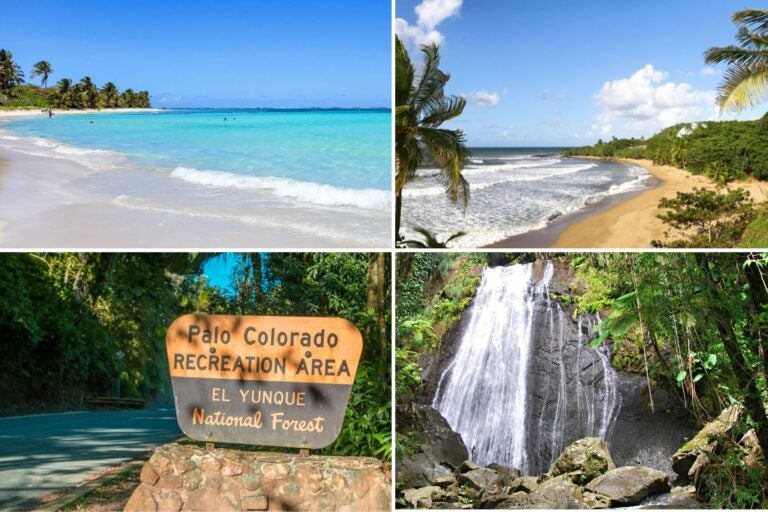
- Nature and environmental quality: With white sand beaches like Flamenco Beach and Sun Bay Beach, natural reserves, lush rainforests such as El Yunque National Forest, and nearby islands like Culebra and Vieques, there are plenty of opportunities for hiking, surfing, diving, and kayaking.
- Tax incentives for entrepreneurs: Some laws offer tax incentives for new tech companies, startups, and digital nomads, so if you are an entrepreneur, it can be a great place to start a business.
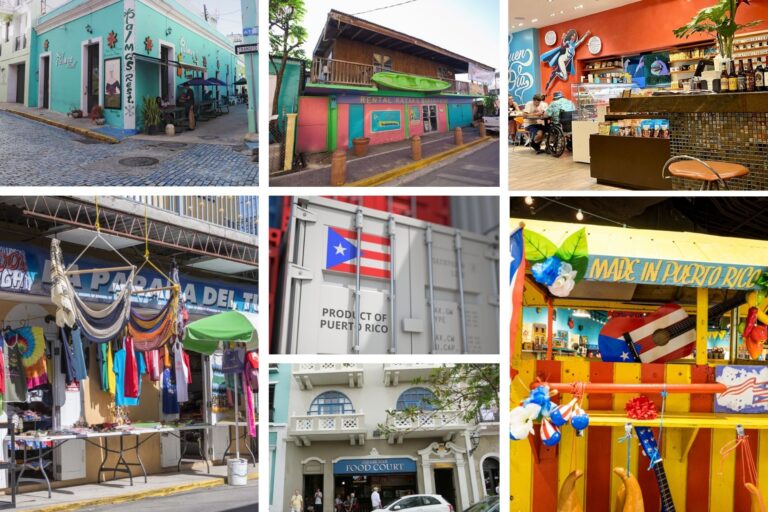
- Culture and bilingualism: Living in Puerto Rico means experiencing a blend of Caribbean, Spanish, and American cultures, where Spanish is the main language but English is also widely spoken, making it easier to adapt.
5 disadvantages of living in Puerto Rico as a foreigner
Even with all its advantages, it’s important to understand the main challenges that can impact everyday life. Being aware of them will help you make a more informed choice and better prepare for the adjustment of living in Puerto Rico. Here are some of the most common drawbacks on the island:
- High cost of living in some areas: Cities like San Juan or Dorado often have higher housing costs and more expensive goods than many other Caribbean countries.
- Lower wages than in the United States: Although its economy is tied to the United States, wages are lower, which can reduce purchasing power in some job sectors.
- Vulnerability to natural disasters: The region is prone to hurricanes, with storm seasons that can sometimes damage infrastructure and disrupt electricity, transport, and other essential services.
- Unstable energy infrastructure: You may also experience occasional power outages in some areas because of the condition of the electrical grid. This can be inconvenient if you need to work or study online.
- Competitive job market: Finding a job in some sectors can be difficult if you don’t have specialized experience, as many companies look for qualified foreign candidates.
Frequently asked questions about living in Puerto Rico
The cost of living is moderate, although it varies by area. In urban places like San Juan, rent and some services tend to be more expensive than in smaller towns.
If you are a U.S. citizen, you do not need a visa and can live and work freely on the island. However, if you are from another country, you will need to meet U.S. immigration requirements and apply for the appropriate visa through the U.S. embassy.
Safety depends on the area where you choose to live. Tourist and residential areas are the safest, such as Condado, Ocean Park, or Dorado.
There are job opportunities in specific sectors such as tourism, technology, education, digital services, and the pharmaceutical industry. However, access to the job market will depend on whether you are able to obtain a visa.
Living in Puerto Rico means enjoying a tropical climate year-round, with temperatures between 24°C and 30°C. However, the Caribbean hurricane season runs from June to November.
Plans that may interest you


Hi! I'm a Spanish-English translator working with Holafly, helping bring travel content to life for curious travelers. As a digital nomad with a passion for exploring, I'm always adding new spots to my bucket list. If you love to travel like me, stick around because you're in the right place to find inspiration for your next trip! ✈️🌍
