







 Language
Living in Prague as a foreigner: What is it really like?
Before you move, find out what living in Prague is like, what factors you should consider, and what the benefits of living there are.

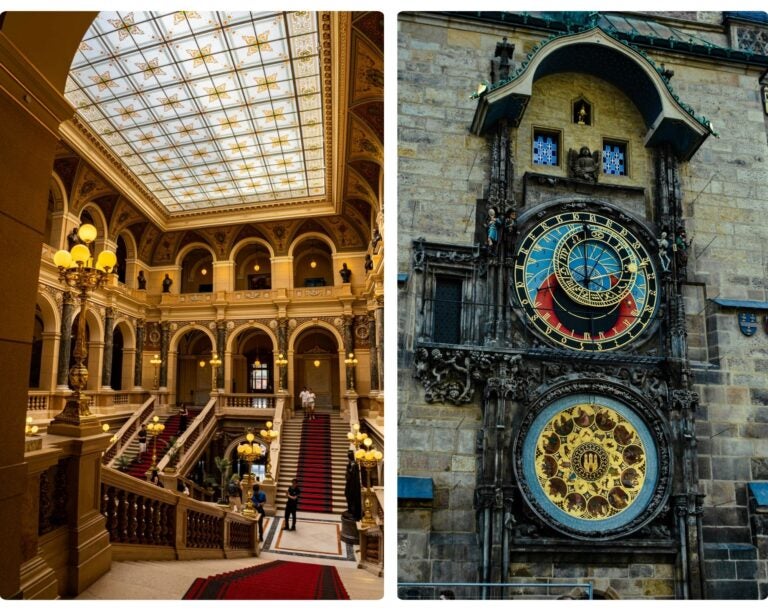
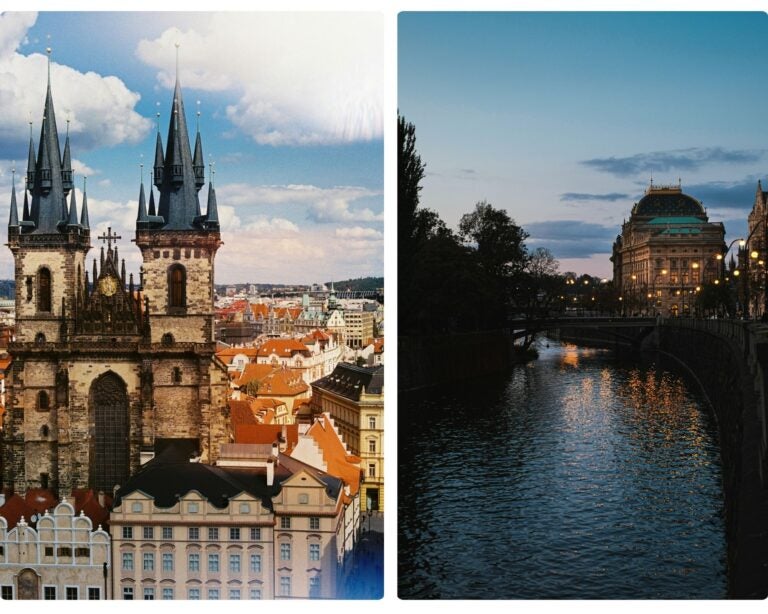
Discover what life is like in Prague, a beautiful and affordable city with a medieval fairy-tale atmosphere. Enjoy places like Prague Castle, the famous Charles Bridge at sunrise, the lively Old Town Square, and its Astronomical Clock. Plus, Prague is known for its beer culture, where beer is often cheaper than water.
Exploring Prague’s historic center, a UNESCO World Heritage Site, is one of the highlights of living in or visiting the city. But if you’re thinking about moving to the city, it’s important to understand both the benefits and the challenges of living there. In this guide, we’ll break down the pros and cons to help you make an informed decision.
Quality of life in Prague
Prague consistently ranks highly in global quality-of-life indexes. According to the Global Social Progress Index, the Czech Republic scores well in areas such as personal well-being, access to education, and individual freedoms, placing it among the best countries to live in Central and Eastern Europe. For expats, this means living in a city that is organized, efficient, and offers accessible public services.
Education
The Czech education system is strong and offers free public education from preschool to university for residents. For expat families, Prague has many international schools with programs in English, German, and other languages, such as Prague British International School and the International School of Prague. However, tuition fees can be high, usually between $11,000–27,000 per year. Prague is also home to Charles University, founded in 1348 and one of the oldest universities in Europe, offering English-language programs at much lower prices than many universities in Western Europe.
Safety
Prague is known for being one of the safest cities in Europe, with very low levels of violent crime. That’s one of the reasons Prague is popular with families, expats, and solo residents. Like in most major tourist destinations, pickpocketing can happen in crowded spots such as Charles Bridge and the Old Town, but serious crime is uncommon. Popular residential areas for expats, including Vinohrady, Žižkov, and Dejvice, are considered some of the city’s most pleasant neighborhoods.
Economy, wages, and cost of living
The Czech economy is one of the most stable in Central Europe. In 2024, the minimum wage is around $830 per month, while the average net salary is roughly $1,500–1,700. For expats working remotely or for international companies, the cost of living in Prague can feel more affordable compared to many other European capitals.
The cost of living in Prague is lower than in Western Europe. A one-bedroom apartment in the city center typically costs between $650–1,100 per month, while everyday expenses like food, transport, and entertainment are noticeably cheaper than in cities such as Vienna or Munich.
Healthcare system
The Czech Republic has a solid public healthcare system, financed through compulsory health insurance contributions. If you have a formal job, you’re automatically covered. However, for foreigners without official residency yet or those working remotely, access to public healthcare may be restricted during the first few months.
In those cases, private international health insurance is highly recommended. Private healthcare in Prague is of a high standard, with facilities such as Canadian Medical and Na Homolce Hospital, and many staff members speak English.
Connectivity and internet in Prague
Prague is a highly connected city with modern and continuously improving telecommunications infrastructure. According to the 2024 Ookla Speedtest Global Index, average fixed broadband speeds exceed 100 Mbps, and fiber-optic coverage in urban areas is widespread. Major providers such as O2, T-Mobile, and Vodafone dominate both mobile data and home internet services.
5G coverage is already available across most major areas of Prague and continues to expand. For remote workers and digital nomads, this is a big plus.
When it comes to e-commerce, platforms like Alza.cz, Mall.cz, and Rohlík (an online supermarket that delivers within hours) are very popular among locals. Smart home technology and app-based services are also becoming more common across the city.
Connectivity for newcomers: Holafly’s solution
If you’re heading to Prague without a local SIM, or you plan to travel around Europe while you’re there, Holafly lets you stay connected with international data plans using an eSIM, so you don’t need a physical SIM card. You’ll be connected as soon as you land, with no need to rely on Wi-Fi or visit a phone shop.
Holafly offers monthly plans for the Czech Republic and across Europe, with unlimited data available in different packages depending on how long you’re staying or traveling.

Advantages of living in Prague as a foreigner
Here are the main advantages foreigners experience when moving to the Czech capital.
Competitive cost of living within Europe
One of Prague’s biggest advantages is its great value for money. Compared to cities like Vienna, Berlin, or Amsterdam, you can live well on much less. A lunch menu usually costs around $4–7, a monthly transport pass is about $25, and cultural activities like theatre, opera, and museums are very affordable. For remote workers earning in euros, dollars, or pounds, daily life in Prague can feel noticeably more affordable.
Strategic location in the heart of Europe
Prague has a very convenient location in the heart of Europe. From Václav Havel Airport, you can fly directly to over 160 destinations worldwide. By train or bus, cities like Vienna, Berlin, and Budapest are all under five hours away. For expats who enjoy travelling and exploring Europe while living abroad, Prague is an ideal base, affordable, well connected, and centrally located.
Rich cultural offerings and a high quality of urban life
Prague has a rich cultural life, with over 40 museums, world-class theatre and opera, and frequent film, music, and jazz festivals. Its UNESCO-listed historic centre gives the city a unique atmosphere that you notice even in daily life, while parks, cafés, and restaurants add to a lively and comfortable city atmosphere.
A well-established expat community
Prague has one of the most active expat communities in Central Europe. Social groups on platforms like Internations, Meetup, and Facebook make it easy to connect with others from day one. Certain neighborhoods, especially Vinohrady and Dejvice, have a strong international presence, with plenty of shared apartments, multilingual coworking spaces, and English-speaking events. Having an active international community also makes the transition easier for many newcomers.
Modern infrastructure and efficient public transportation
Prague’s public transport system is one of the most efficient and affordable in Europe. The metro, trams (which run 24 hours), and buses cover almost the entire city with frequent, reliable service. Getting around without a car is easy, convenient, and cheap. On top of that, the city has solid infrastructure overall, including clean drinking water, well-equipped hospitals, good road conditions, and reliable public services.
A safe and politically stable environment
The Czech Republic is a well-established democracy in the European Union, with stable institutions and a generally reliable public system. For expats, this usually means a stable and comfortable place to live. It is also part of the Schengen Area, which makes travelling around most of Europe easy and seamless, without border controls.
Nature within easy reach of the city
Just under an hour from Prague by car or public transport, you can reach beautiful natural areas like the forests of Central Bohemia, the Berounka River, medieval castles such as Karlštejn, and hiking spots in the Bohemian Paradise. For those looking to balance city life with nature and weekend getaways, Prague offers all of this without long or expensive travel.
Disadvantages of living in Prague as a foreigner
Despite its many advantages, living in Prague also comes with a few challenges for foreigners. Knowing about them in advance can make the transition much easier. Here are the main ones for expats.
The Czech language barrier
Czech is a Slavic language with complex grammar, including seven cases and a pronunciation that can be challenging. While English is widely spoken in tourist areas, coworking spaces, and international companies, it can still be a barrier in everyday situations like dealing with paperwork, rental contracts, public healthcare visits, or even at the supermarket. Learning basic Czech is recommended, although expats who have lived in Prague for years often describe Czech as difficult to master.
Slow bureaucracy and complex administrative procedures
Getting a residence permit, opening a local bank account, registering a business, or dealing with public authorities can be frustrating for newcomers. Administrative processes in the Czech Republic often involve extensive paperwork, official translations, apostilles, and in-person visits with long waiting times. While digital services are improving, they still lag behind countries like Estonia or the Netherlands. Having a local advisor or agent, especially at the beginning, can save a lot of time and prevent costly mistakes.
Long winters and gray skies
Prague’s climate can be a challenge for people coming from sunnier countries. Winters are long, cold, and damp, with temperatures usually ranging from -5°C to 3°C between December and February, and overcast skies that can last for weeks.
The lack of sunlight during winter can take a toll on mood, especially for expats coming from Mediterranean or tropical climates. Seasonal Affective Disorder (SAD) is more common than many people expect among those living in Central European cities.
Overcrowding in the historic district
Prague’s Old Town is extremely popular with tourists, which brings large crowds, inflated prices in restaurants and shops, and at times a less authentic atmosphere in the centre. Many residents quickly learn to live in other neighbourhoods like Žižkov, Holešovice, or Nusle, where daily life feels more local and affordable. Staying in the historic centre itself can also be noisy and overcrowded.
Reserved social attitude and slow integration with locals
Czechs are often seen as reserved with strangers, especially at first. Unlike more openly expressive cultures, getting to know locals can take time and usually requires a bit of patience.
Many expats say that while locals and colleagues are friendly and polite, building real friendships with Czechs takes time. It’s not about hostility, just a different cultural approach to relationships. But once the initial barrier is crossed, friendships tend to be strong and long-lasting.
Rising rental prices
Although Prague is still more affordable than many other European capitals, its housing market has become increasingly competitive in recent years. Rents in the centre and in expat-favoured areas have been rising steadily, largely due to strong tourism demand (such as Airbnb) and the growing number of international professionals moving in.
Finding a well-located apartment in good condition at a reasonable price can take time, especially if you’re unfamiliar with the local market.
Frequently asked questions about living in Prague
It’s not required, but learning some basics is definitely recommended. English is widely used in international settings and central areas, but Czech becomes important for things like paperwork, doctor visits, or everyday errands.
It depends on your background and nationality. EU citizens can work without a special permit, while non-EU nationals usually need a work visa. The most in-demand fields for international workers are tech, finance, shared services, and language teaching.
A monthly budget of around $1,600–2,400 is usually enough to live comfortably as an expat in Prague. The main costs are rent ($650–1,100), groceries ($220–380), and public transport (about $25 per month).
EU citizens with a European Health Insurance Card can access emergency healthcare during temporary stays. For longer stays, it’s common to take out private health insurance while residency paperwork is being processed and access to the Czech public system is arranged.
Yes. Prague has fast internet, many coworking spaces, affordable costs, and a strong expat community that makes it easy to settle in. People from many countries can also stay up to 90 days without a visa under Schengen rules.
Plans that may interest you


Hi! I'm a Spanish-English copywriter working with Holafly, helping bring travel content to life for curious travelers. As a digital nomad with a passion for exploring, I'm always adding new spots to my bucket list. If you love to travel like me, stick around because you're in the right place to find inspiration for your next trip! ✈️🌍
