



 Language


 No results found
Living in Poland as a foreigner: What is it really like?
Living in Poland: Discover the cost of living, remote work, quality of life, and the benefits of moving to this European country.

Living in Poland is becoming an increasingly popular choice for foreigners looking to settle in Europe without taking on the high costs of countries like Germany, France, or the Netherlands. With modern cities, strong digital infrastructure, a reasonable cost of living, and a strategic location, Poland has established itself as an attractive destination for both long-term stays and remote work.
In addition, Poland stands out for its strong economic growth, safety, and digital connectivity, which make everyday life easier for digital nomads and international professionals. In this guide, we’ll explore what it’s like to live in Poland, looking at quality of life along with the main advantages and challenges for foreigners, so you can make the most of this exciting adventure.
Quality of life in Poland
When thinking about moving to Poland, quality of life needs to be viewed from a broad and realistic perspective. It’s not only about salaries or expenses, but about the overall daily experience: how easy it is to get around, how safe you feel, how accessible essential services are, whether you can work smoothly with a reliable internet connection, and how well you can enjoy your free time.
For foreigners and digital nomads, Poland can offer a well balanced lifestyle. The country is known for its safety, a steadily growing economy, and modern infrastructure that makes everyday life comfortable. At the same time, there are a few challenges to keep in mind, such as the language barrier and the long winters.
Understanding these pros and cons from the start helps you decide whether living in Poland fits your lifestyle and the kind of work and life experience you are looking for in Europe.
Education and academic standards
Poland has a strong and competitive education system, with public and private universities offering internationally recognized programs, many taught in English, especially in technology, engineering, and business. According to OECD data, its level of tertiary education aligns with the European average, and the country’s focus on STEM fields has helped position it as a key technology and shared services hub within the European Union.
Living in Poland gives foreigners access to a strong and relatively affordable education system. Polish public universities are well regarded in fields like engineering, technology, economics, and the sciences, and more programs are now offered in English. For international students, tuition typically ranges from $2,200 to $4,400 per year, significantly lower than in countries like the UK, the Netherlands, or France.
This balance of quality and affordability makes Poland an attractive choice for studying in Europe without breaking the bank, especially when combined with the relatively low cost of living in university cities like Kraków, Wrocław, or Poznań.
Safety and daily life
One of the biggest advantages of living in Poland is safety. The country has low crime rates compared with many other European destinations. This means everyday life is comfortable, with efficient public transport and urban spaces designed for residents and families. Combined with walkable, well-connected cities, this sense of security greatly enhances the quality of life for foreigners, students, and remote workers, who can move around freely both day and night.
Economy, wages, and cost of living
Although average salaries in Poland are lower than in Western Europe, the cost of living is also much more affordable. Rent, transportation, and groceries are easier on the wallet, allowing for a comfortable lifestyle. Studies from Mercer and Numbeo highlight Poland as a country with a balanced income-to-expense ratio, making it particularly appealing for digital nomads or remote workers earning from international sources. While the average monthly net salary is around $1,300 to $1,500, basic expenses are significantly lower than in Western Europe. Roughly:
- Rent: 1-bedroom apartment in a large city: $650–$1,000. In medium-sized cities: $500–$750
- Monthly public transportation: $27–$40
- Monthly grocery shopping: $200–$300 per person
- Utility bills (electricity, water, heating, internet): $150–$210
This means a person can live comfortably in Poland on a monthly budget of around $1,000 to $1,400, depending on the city and lifestyle. For digital nomads earning internationally, this balance between cost and quality of services is especially appealing. One of the main advantages of living in Poland is that it allows you to enjoy a European lifestyle on a more manageable budget. Lower costs for rent, food, and transportation make it easier to plan long stays, study, or work remotely without financial stress.
Healthcare system
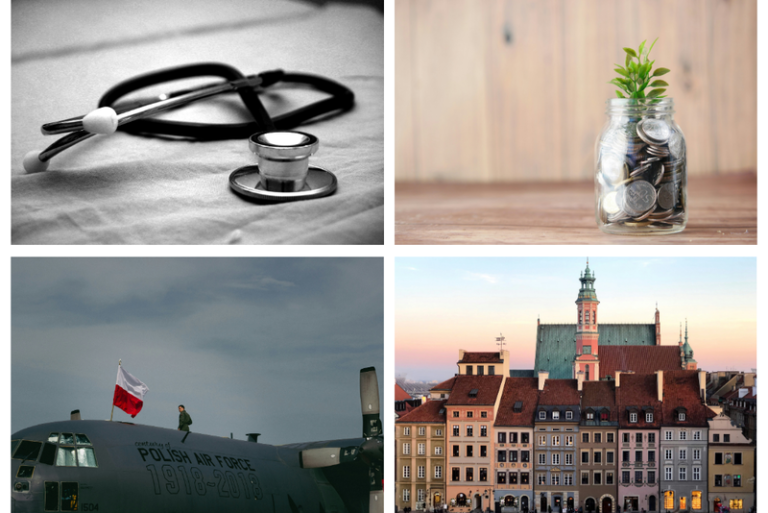
Poland’s public healthcare system works well, but many expats opt for private insurance to skip long waits and access services in English. Private coverage usually runs around $30 to $75 per month, which is affordable compared to much of Europe. With modern clinics and good-quality care, private healthcare makes living in Poland feel more convenient and secure.
Internet access and connectivity in Poland
Connectivity is one of Poland’s biggest strengths for residents. The country offers fast and reliable internet, with fiber speeds in major cities often exceeding 300–600 Mbps, along with excellent 4G and 5G mobile coverage. On top of that, digital payments, online shopping, and smart services are widely used, making daily life much easier for both locals and remote workers.
If you’re visiting Poland or often moving between cities or neighboring countries, a flexible solution like Holafly can be a real game changer. A daily eSIM is great for short trips or the first few weeks after arrival, giving you instant internet without local setup. For longer stays, remote work, or staying connected on multiple devices, Holafly’s monthly plans make life easier, so you don’t have to depend on public Wi-Fi or keep changing SIM cards.
Advantages of living in Poland
Living in Poland offers an appealing mix of a central European location, career opportunities, and a high quality of life. With strong connectivity, a growing tech sector, and well-organized cities, it’s a practical choice for both remote work and extended stays.
Strategic location and international mobility
One of the biggest advantages of living in Poland is its location in the heart of Central Europe. From cities like Warsaw, Kraków, or Gdańsk, it’s easy to travel by train or low-cost flights to Germany, the Czech Republic, Austria, Italy, or the Baltic countries. For those combining remote work with frequent travel, this international connectivity is a major perk.
Technology ecosystem and career opportunities
Poland has established itself as one of Europe’s emerging tech hubs. Major international companies, startups, and innovation centers have set up in cities like Warsaw, Kraków, and Wrocław. This creates real opportunities in areas like IT, software development, data analysis, and digital services, for both local professionals and foreigners living in Poland who work in international or remote environments.
Cultural life, leisure, and functional cities
One of the standout benefits of living in Poland is the quality of city life. The country has a lively cultural scene, from concerts and festivals to museums and a growing variety of restaurants. Cities mix charming historic districts with green spaces and practical urban design, making everyday life easy and enjoyable, particularly for longer stays or temporary living.
Disadvantages of living in Poland as a foreigner
Living in Poland as a foreigner also comes with a few challenges. Below, we explain the main disadvantages you should consider before moving.
The Polish language
For many expats, the language is the main hurdle in Poland. Polish can be difficult to learn, with its complex grammar and pronunciation that feels unfamiliar to Spanish or English speakers. In bigger cities, English is widely spoken, particularly among students and in tech or academic environments, but it’s often not enough to navigate daily life smoothly.
This is most noticeable when dealing with bureaucracy, rental contracts, healthcare, or situations outside the more international areas. It will not stop you from enjoying life in Poland, but it is something to consider. Learning some basic Polish or having local help can make settling in much easier.
Cold weather and adjusting to the seasons
Another downside of living in Poland is the climate, especially in winter. Temperatures often drop below 0 °C, winters are long, and daylight is limited between November and February. For those coming from warmer climates, adjusting can be challenging both physically and mentally.
However, it is worth putting this into perspective. Cities are well equipped for the cold, with reliable heating, winter-ready transport, and urban life that keeps going despite the weather. Still, it is important to consider whether this kind of climate suits your lifestyle, needs, and daily routines before deciding to live in Poland.
Bureaucracy and administrative procedures
As in many European countries, dealing with bureaucracy in Poland can be challenging for foreigners. Tasks like registering your residence, obtaining permits, accessing public services, or setting up certain contracts can be slow and sometimes confusing if you do not speak the language.
While this is rarely a major obstacle, it does require patience and some planning. Many foreigners rely on local help or professional services to speed things up, particularly in the first few months. Accepting that these processes take time can reduce frustration and help you make the most of living in Poland.
Frequently asked questions about living in Poland
Living in Poland is generally more affordable than in Western Europe. While prices have risen in recent years, especially in major cities, housing, transportation, and everyday expenses remain reasonable compared with countries like Germany, France, or the Netherlands. This makes it an attractive option for long-term stays or remote work.
Yes, you can live in Poland without speaking Polish, particularly in major cities like Warsaw, Kraków, or Wrocław. English is commonly spoken in international workplaces and everyday settings such as restaurants, coworking spaces, and public transport. That said, picking up some basic Polish can make day-to-day life and dealing with local procedures much easier.
One of the key advantages of living in Poland is its strong connectivity. The country offers fast and reliable internet, fiber optics in most urban areas, and solid 4G and 5G mobile coverage. This makes it an ideal place for remote work, studying, or starting a business.
Yes, Poland has become an appealing destination for remote professionals thanks to its affordable cost of living, strong digital infrastructure, and central location in Europe. On top of that, the country offers a growing number of coworking spaces, international communities, and cities well suited for medium- and long-term stays.
Quality of life in Poland is generally high, especially in medium and large cities. The country stands out for its safety, efficient public transport, plenty of green spaces, and a lively cultural scene. All of this makes living in Poland comfortable and well balanced, offering stability without giving up mobility and leisure opportunities.
Plans that may interest you


Hi! I'm a Spanish-English translator working with Holafly, helping bring travel content to life for curious travelers. As a digital nomad with a passion for exploring, I'm always adding new spots to my bucket list. If you love to travel like me, stick around because you're in the right place to find inspiration for your next trip! ✈️🌍