Language
Living in Palma de Mallorca as a foreigner: What is it really like?
In addition to the sun, mountains, beach, and cuisine, living in Palma de Mallorca also comes with a number of drawbacks that you should know.

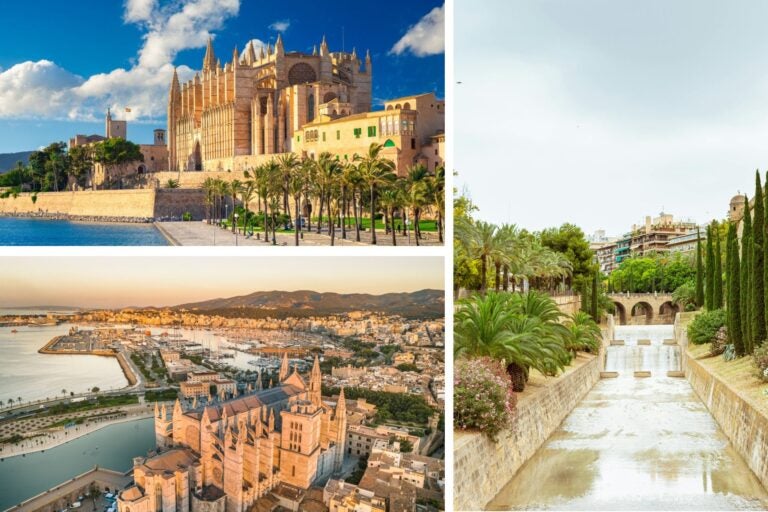
Located in the Balearic Islands in the Mediterranean, Palma de Mallorca is the island’s capital and is known for its good quality of life, nice weather, and job opportunities. If you’re thinking about moving there, this article covers some key things to consider. It also explains the education system and looks at the best universities if you plan to study there.
You’ll also see if it’s a safe place to live, what drives its economy, and what jobs you might be able to get as a foreigner. Get to know the island’s pros, like clear blue beaches and warm weather, as well as its downsides, such as high living costs and hard-to-find affordable rent. Could Palma de Mallorca be your next destination?
Quality of life in Palma de Mallorca
This city regularly ranks highly for quality of life in both Spain and Europe, thanks to its Mediterranean climate, natural surroundings, and overall lifestyle. At the same time, it’s also known for its strong pressure on the housing market. Below, we break down key aspects like education, healthcare, safety, the economy, and internet access.
The education system in Palma de Mallorca
OECD reports suggest that education systems with multiple languages and an international outlook, like in the Balearic Islands, make it easier for foreign students to integrate. The system follows Spain’s national structure, with public, semi-private, and international schools. For university, you can study through scholarships or programs like Erasmus.
- University of the Balearic Islands: It stands out for its focus on tourism, economics, law, and social sciences, all closely linked to the local economy. According to the CYD Ranking (2024), it is among the top 10 universities in Spain for employability in the tourism sector.
- Hospitality schools: Highly regarded due to the importance of the tourism sector on the island.
Safety in the neighborhoods of Palma de Mallorca
With a score of 65 out of 100 on the Numbeo index, Palma de Mallorca is considered a safe place to live, with relatively low crime compared to many other European cities. While there are a few areas with more issues, such as La Soledad, Son Gotleu, and parts of El Arenal, the island is generally calm and peaceful. The best neighbourhoods to stay in include:
- Santa Catalina: International atmosphere, entertainment, and safety.
- Portixol and El Molinar: Quiet coastal areas that are in high demand.
- Son Vida: An upscale residential area that is very safe.
- Historic Center: Attractive, though more touristy.
How the healthcare system works
Spain has one of the best healthcare systems in the world, with a public, universal system that is also accessible to foreigners, as highlighted by reports like the Social Progress Imperative. In the capital, the main hospitals include Hospital Universitario Son Espases and Hospital Quirónsalud Palma Planas, a leading private healthcare centre. If you live in Palma de Mallorca, you’ll be able to access healthcare in several ways as a foreign resident:
- EU/EEA citizens: You can apply for the European Health Insurance Card (EHIC) through your country’s health insurance agency, which entitles you to free medical care.
- Non-EU nationals: If you are not an EU citizen, you are required to purchase private health insurance along with the appropriate visa.
- Working for a local company: If you work for a local company, you can apply for an Individual Health Card (TSI) at a health centre and use the public healthcare system just like any other resident.
- Non-contributing foreigners: You can also join the healthcare system through a special agreement. This involves paying a monthly fee of $70 (€65) if you’re under 65, or $175 (€160) if you’re 65 or older.
Economy, wages, and employment in Palma de Mallorca
The city’s economy is largely driven by tourism, which strongly influences both the job market and salary levels, according to studies by Mercer. Average monthly gross salaries range from about $2,763 to $3,160 (€2,400–2,750), although wages in hospitality are lower, typically around $1,496 to $2,129 (€1,300–1,850) net. The main job opportunities for foreigners are in areas such as:
- Tourism (hotels, restaurants, leisure).
- Multilingual customer service.
- Sales and real estate.
Many foreigners live in Palma de Mallorca while working remotely thanks to Spain’s digital nomad visa, which lets you stay for up to a year (and extend it) if your income comes from abroad. The main drawback is the high cost of living, especially rent. Prices start around $1,266 (€1,100) for a one-bedroom in Son Ferriol, and about $2,648 (€2,300) for a three-bedroom in Sant Jaume, which makes saving money harder.
Internet access on the island
Many foreigners, especially digital nomads, like Palma for its modern and reliable internet, although it can vary between city and countryside. Main providers include Movistar, Orange, Digi, and Conecta Balear, with fibre speeds up to 1 Gbps. You can also use services like Amazon, Glovo, and Uber Eats with fast delivery.
If you’ve just arrived in Palma de Mallorca for a few days and need a quick way to stay connected, you might want to consider Holafly’s Mallorca eSIM. It offers unlimited data and 5G coverage across the city and beaches, and you can use it for as long as you need, with prices starting at around $3.90 per day.
If you’re staying longer and need a steady connection for remote work, Holafly’s monthly plans are worth considering. They come with unlimited data, stable 5G coverage across the island, and allow you to connect two devices at once with no contract. You can also use the same eSIM in over 160 destinations, with prices starting from $49.90 a month.

Advantages of living in Palma de Mallorca
Living in Mallorca gives you plenty of reasons to stay for a while and enjoy a high quality of life. If you’re looking for a long, relaxing break or want to work remotely surrounded by mountains and beaches with sunshine most of the year, keep reading to discover the benefits this city has to offer:
- Mediterranean climate: With more than 300 sunny days a year, mild winters, and warm summers, the weather makes it easy to stay active. You can go for a run or cycle along areas like Portixol or Molinar and enjoy a healthier, more outdoor lifestyle than in colder destinations.
- Nature: You can easily enjoy both the mountains and the sea, whether that means hiking in the Serra de Tramuntana or relaxing with a swim at places like Cala Deià or Cala Llombards.
- Excellent connections to Europe: The city’s airport is very well connected, with direct flights to many European cities and frequent, affordable connections to mainland Spain.
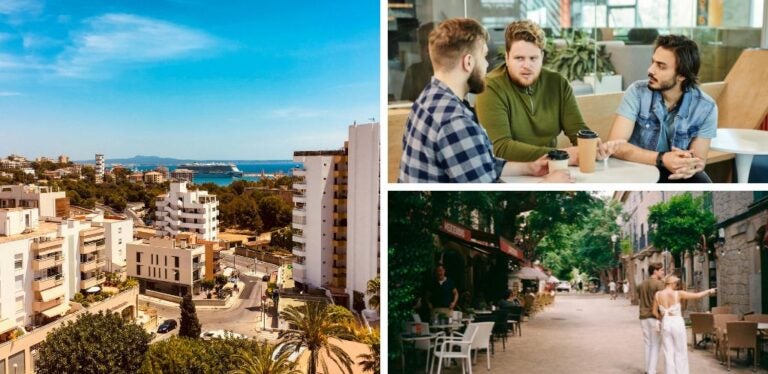
- Great environment for remote work: There are plenty of coworking spaces in Palma de Mallorca, especially in Palma and Santa Catalina, offering modern facilities and high-speed Wi-Fi.
- Cuisine and leisure: You can choose between local restaurants serving traditional dishes like tumbet or ensaimada, or more upscale dining spots in areas like Puerto Portals or Palma’s Old Town. There’s also a lively nightlife scene along the Paseo Marítimo, along with cultural and sporting events throughout the year.
Disadvantages of living in Palma de Mallorca as a foreigner
Although the advantages might make you want to pack your bags and move to the island right away, living in Palma de Mallorca also has some important downsides you should be aware of before deciding. The main issue is the high cost of living and housing combined with relatively low salaries, so it’s worth carefully working out your budget and making sure you can afford the expenses:
- High cost of housing: This is one of the main downsides of the city, where rents are higher than in many areas of mainland Spain. Neighbourhoods like Santa Catalina and Portixol are especially pricey because demand is so high, which can make it hard to find affordable housing, especially if you’re living on your own.
- Relatively low wages: The cost of living is higher than local salaries, and in many cases an entire paycheck can go just toward rent. If you come to work in tourism or hospitality, you’ll likely need to share accommodation just to make ends meet.
- Limited mobility on the island: Living on an island also comes with some limitations, such as needing to travel by plane or ferry to reach the mainland, and often relying on a car to get to more rural areas like Valldemossa or Sóller.
- Tourist overcrowding: In peak season during the summer months, the island gets millions of visitors. Places like Magaluf or Palma’s Old Town can become very crowded, affecting beaches, central areas, traffic, and even prices.
- Language and cultural adjustment: Although Spanish is widely spoken, the official language in schools and public administration is Mallorquín Catalan. This can make it a bit challenging to fully adapt to the local culture and community.
Frequently asked questions about living in Palma de Mallorca
Yes, living in Palma de Mallorca means enjoying a great quality of life, good weather, great food, and an international atmosphere. However, you’ll need to keep in mind the high cost of living and plan your budget carefully.
In the more touristy areas you can get by speaking English, but it’s a good idea to learn some Spanish and Catalan if you want better job opportunities.
To live comfortably in Palma de Mallorca, you’d generally need a monthly income of around $2,417–2,993 (€2,100–2,600), depending on your lifestyle and the area you choose to live in.
As a foreigner, you’ll find more job opportunities in tourism and hospitality, especially if you speak languages like English or German, although many of these jobs are seasonal. You can also work remotely as a digital nomad.
Yes, living in Palma de Mallorca as a digital nomad is a great choice. The city has plenty of coworking and coliving spaces, along with fast, reliable internet. On top of that, the sunny weather makes it an inspiring place to work.
Plans that may interest you


Hi! I'm a Spanish-English copywriter working with Holafly, helping bring travel content to life for curious travelers. As a digital nomad with a passion for exploring, I'm always adding new spots to my bucket list. If you love to travel like me, stick around because you're in the right place to find inspiration for your next trip! ✈️🌍