







 Language
Living in Munich as a foreigner: What is it really like?
The capital of Bavaria is one of the cities with the highest quality of life in Germany. Discover what living in Munich is like!

Living in Bavaria’s capital and Germany’s third largest city means experiencing how cutting edge technology coexists in perfect harmony with vast green parks and fairytale like castles. For many expats, living in munich represents reaching the highest standard of living in Germany, in an environment that feels both safe and welcoming.
In this guide, we’ll show you what it really means to settle down in the Bavarian capital. From navigating the challenging housing market to getting around the city easily by bike, we’ll cover the essentials. We’ll also explore the local economy and the small cultural details that make this city so unique.
Did you know that, despite sounding like a geographical contradiction, Munich is often affectionately called “the northernmost city of Italy” because of its strong cultural affinity with northern Italy?
Keep reading to find out if this corner of Bavaria, with the Alps always on the horizon, is the destination for your next move.
What is the quality of life like in Munich?
Munich stands out as the city with the highest quality of life in Germany and offers much more than that. According to the Global Social Progress Index, it consistently ranks among the cities with the greatest well being in the world. Here, German efficiency meets world class infrastructure that makes every aspect of living in munich easier and more enjoyable.
Economy and cost of living
Munich is, without a doubt, the most expensive city in Germany. However, this is offset by salaries that are typically much higher than in the rest of the country and across Europe.
Rent will be your biggest monthly expense, but choosing wisely can help you save some money. While a one bedroom apartment in central areas can easily exceed $1,600, neighborhoods like Neuaubing or Hasenbergl tend to offer some of the lowest rents in the city, around $1,200. That said, many expats prefer areas like Giesing or Sendling. For digital nomads, coliving spaces are a great housing alternative, offering both savings and the chance to meet people from all over the world.
Giesing, for example, has evolved from a working class district into an area full of character. Rents here are generally more reasonable than in the city center, and it still maintains a genuine neighborhood feel, with its own local markets. It’s a great choice if you’re looking for a balance between cost and proximity.
Even so, other expenses like groceries and public transport are quite reasonable relative to the region’s average income. Discount supermarkets such as Aldi, Lidl, and Penny dominate the budget segment, while the Deutschlandticket makes getting around easy with a flat monthly fare of about $55.
Living in Munich typically costs between $1,850 and $2,350 per month. It’s a high figure, but the average net salary for skilled professionals often exceeds $3,300, allowing for a level of savings that many other destinations simply can’t offer.
Safety
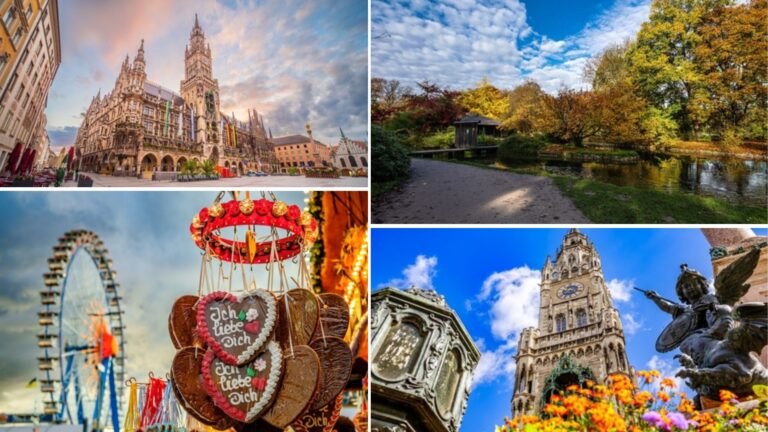
One thing that truly defines living in Munich is the feeling of complete safety. It’s considered one of the safest major cities in the world. You can stroll through the English Garden or take the subway late at night with total peace of mind.
For someone moving from abroad, the peace of mind here is invaluable. Kids can bike to school on their own, and evenings on the streets feel lively yet secure. It’s a place where people following the rules makes everyday life feel effortless and predictable.
Of course, like any big city, you need to stay aware of your surroundings. For example, the area around the Central Station (Hauptbahnhof) is bustling with travelers during the day, but after dark, the streets south of the station in Ludwigsvorstadt can feel a bit uneasy.
We also advise you to be careful at night in the Alter Botanischer Garten (Old Botanical Garden) and in the Hasenbergl and Neuperlach neighborhoods.
Healthcare system
Germany is known for having one of the world’s top healthcare systems, and Munich stands out as its highlight. The city hosts prestigious university hospitals and specialized clinics that attract patients from all over. Living here means you can count on quick access to excellent medical care.
Whether you choose public insurance (Gesetzliche Krankenversicherung) or private coverage, Munich has a strong network of general practitioners and specialists. It’s easy to find doctors who speak English fluently, making medical visits much less stressful when you’re vulnerable.
Education
Education in Bavaria is managed by the regional government and is known for being the most rigorous in the country. Living in Munich gives you access to a system that blends strong academic traditions with top quality technical training.
Public education in Munich is free and remarkably high quality. After primary school (Grundschule), the system takes a very structured approach. At around age 10, students are guided into different types of secondary schools based on their performance: Gymnasium for those aiming for university, Realschule, or Mittelschule.
For expat families, the system includes “transition classes,” or Übergangsklassen. These are specially designed for children who don’t speak German, offering intensive language instruction before they join regular classes. It’s a highly effective approach that helps kids feel confident and comfortable within just a few months.
If you prefer your children to continue their education in English, Munich has some top tier options. Schools like Munich International School (MIS) and Bavarian International School (BIS) are recognized worldwide. They offer the International Baccalaureate (IB) and a multicultural environment that makes the transition seamless.
Keep in mind, however, that these institutions have high annual tuition fees, which can range from $18,000 to $30,000.
On top of that, Munich is a true university city. It’s home to institutions like Ludwig-Maximilians-Universität (LMU) and Technische Universität München (TUM), both recognized as “Universities of Excellence.”
As a result, Munich is full of libraries, research centers, and a buzzing intellectual scene. With most master’s programs taught in English, the city draws talented people from across the globe, keeping it a dynamic hub of innovation.
Internet connection
One thing you’ll never have to worry about living in Munich is a top notch internet connection. While some parts of Germany are still catching up, Bavaria has invested billions to bring fiber optic (Glasfaser) straight to people’s homes.
Most modern buildings offer symmetrical connections that easily exceed one gigabit. Providers like Deutsche Telekom, M-net (Munich’s local provider), and Vodafone compete fiercely, so it’s easy to find reliable deals. Keep in mind, though, that contracts in Germany typically last 24 months, so if you’re staying for a shorter period, look for “ohne Laufzeit” (no commitment) options.
Munich was one of the first European cities to launch a full commercial 5G network. This means that even if you decide to work outdoors at a café or in a park, your video calls will run smoothly with very little lag.
The coverage is so widespread that dead zones are rare within the city. This means you can use your mobile phone as a portable office while exploring the most picturesque corners of the Bavarian capital.
For digital nomads, Munich offers one of the most professional coworking networks in Europe. This includes not only international giants like WeWork and Mindspace, often housed in stunning historic buildings, but also local spots such as Velvet Space and WorkRepublic.
Munich is at the forefront of digital administration. With the muenchen.de portal, you can take care of most city-related tasks online, whether it’s registering your address, paying taxes, or getting a resident parking permit.
The city also offers must-have mobile apps. MVG Fahrinfo is essential for navigating public transport in real time, while apps like ParkNow let you handle parking without needing coins.
Stay connected in Munich with Holafly
The best way to take full advantage of this digital infrastructure is with Holafly’s eSIM for Germany, which provides unlimited data across the entire country, not just Munich. It’s ideal for short stays, as you only pay for the days you need a connection.
Whether you’re moving to Munich permanently or just for a while, Holafly’s monthly plans are your best bet.
The Unlimited Plan gives you limitless data, letting you browse freely and use your phone as a hotspot. The Light Plan offers 25 GB, plenty for staying connected and getting your work done as a digital nomad without constantly watching your usage.
It ensures that, no matter what happens with local bureaucracy, your connection to the world and to your work won’t be interrupted for even a second.
Plus, the monthly plans work in over 160 countries. Whether you travel to France, Switzerland, Poland, or any nearby destination, you’ll stay connected wherever you go.

What are the advantages of living in Munich?
Moving to Munich comes with advantages few other European cities can match. Beyond career opportunities, the city makes it easy to relax and make the most of your free time.
A green oasis right in the heart of the city
One of the greatest perks for residents is the Englischer Garten, a massive urban park that even outscales New York’s Central Park. It is the perfect place to unwind after a day of remote work, whether you read under a tree, swim in the canal, or watch surfers tackle the famous Eisbach wave.
Beyond the Englischer Garten, the city is crossed by the Isar River, whose banks become a favorite summer spot for barbecues and relaxing outdoors. With so many green spaces, the feeling of urban stress is almost nonexistent, making a big difference for the mental well being of those who choose to settle here.
The Alps within easy reach
For mountain lovers, living in Munich is a dream come true. In under an hour by train or car, you can reach the Bavarian Alps. That means you could ski on a Saturday morning and be back home in time for dinner. In the summer, hiking and climbing opportunities are practically endless.
This close connection to the great outdoors shapes the character of the city. It’s common to see people on the subway carrying hiking gear or skis. The ability to swap city streets for fresh mountain air so easily is a unique advantage that few cities in the world can offer their residents.
An excellent public transportation network
You can forget about relying on a car. Munich’s transport network (MVV), which includes the U-Bahn, S-Bahn, trams, and buses, is a model of reliability and coverage. The city is designed so you can get anywhere efficiently and safely, even in the early hours on weekends.
Munich is one of Europe’s most bike friendly cities, with wide, well marked lanes through parks and neighborhoods. Many expats cycle as their main transport, saving money and seeing the city up close.
Job security and competitive salaries
Bavaria drives Germany’s economy, and Munich is at its heart. Global giants like BMW, Siemens, Allianz, and Google are based here, creating a dynamic and stable job market with some of the highest salaries in the European Union.
For expat professionals, this means strong career opportunities and financial stability. Even though living costs are high, higher salaries allow for savings and a good quality of life, making the move worth it.
A vibrant culture and traditions
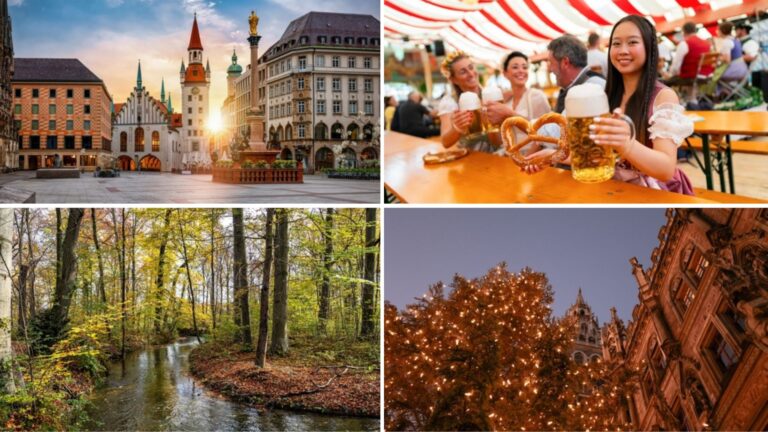
Munich hasn’t forgotten its roots. Bavarian traditions are a part of everyday life. Biergartens (outdoor beer gardens) are social hubs where people of all ages and backgrounds come together under chestnut trees. This strong cultural identity gives the city a warm and authentic feel.
It is more than just Oktoberfest. Munich is alive with neighborhood festivals, Christmas markets, and a love for local craftsmanship. Taking part in these traditions is the best way for an expat to truly feel connected to the community.
What are the challenges of living in Munich as a foreigner?
Munich is a city that excels in many ways, but that same high standard can create challenges for newcomers. The goal is not to discourage you, but to help you plan how to navigate the most common hurdles of the Bavarian capital.
Housing crisis
Without a doubt, the biggest challenge of living in Munich is finding a place to live. Demand far outstrips supply, creating a highly competitive and expensive housing market. It is not unusual for a single apartment to attract hundreds of applicants in just one day.
For expats, this means having all your documents ready and translated, like SCHUFA reports, contracts, and pay slips. Rents can take a big part of your salary, so many choose to live in commuter towns along the S-Bahn to save money.
The language barrier and bureaucracy
While English dominates in the corporate and tech world, daily life in Munich happens in German. For official paperwork, rental agreements, or even talking to the heating technician, you’ll need at least a basic level of German to get by.
German bureaucracy is strict and paper heavy. In Munich, many tasks still need in person appointments and long forms, so patience and learning some German from day one will save you a lot of frustration.
The climate
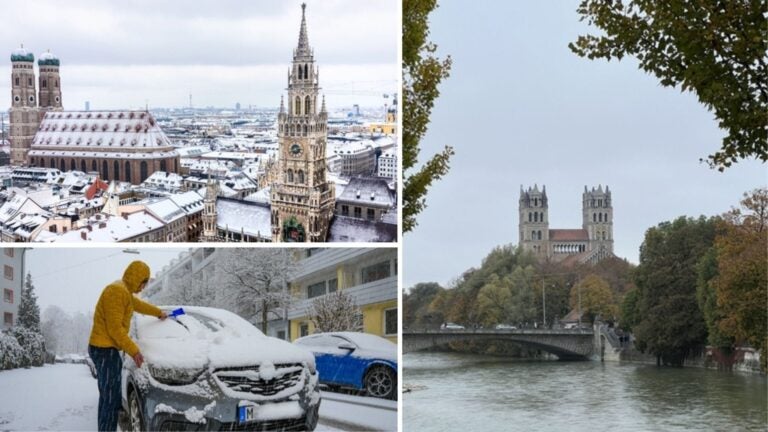
If you’re used to warm climates, Bavarian winters can be tough on your mood. From November to March, the days are short and the sky is often covered in persistent gray clouds. Freezing temperatures are common, and while snow can be beautiful at first, it can make getting around more difficult.
A more private social life
Although Bavarians are friendly, building close friendships with locals can take time. There is a clear boundary between professional and private life, and at first, you might feel that social circles are somewhat closed and that politeness doesn’t always equal friendship. For this reason, many expats stick to expat communities during their first year.
The high cost of services and leisure
While salaries are high, the cost of doing things is too. Dining out, going to the movies, or joining a gym is usually more expensive than in other German cities. Munich has a touch of luxury, which shows in the price of services, making careful financial planning essential in the first few months.
Living in Munich, you’ll discover that many of the best experiences are free, like strolling through parks or swimming in the river. But if you go for a more high end lifestyle, you’ll quickly see how fast your savings can disappear.
Living in Munich is essentially embracing a lifestyle where quality is the norm, not a luxury. The city demands discipline and planning, especially when it comes to housing and language, but it rewards you with a level of safety and well being that is hard to find anywhere else in the world.
If you love Alpine views, high tech work, and evening walks along the Isar, Munich will exceed your expectations. With planning, patience for bureaucracy, and the right connectivity, settling in Bavaria becomes much easier.
Frequently asked questions about living in Munich
Speaking German helps, but it’s not a deal breaker. Many Munich landlords are familiar with international tenants from big companies. What you do need is a work contract, recent pay slips, and a SCHUFA credit report. Airbnb can be pricier, but it often spares you the hassle of this bureaucracy.
The system is top notch, but it does not have to be expensive if you choose the right pass. With the Deutschlandticket, you can travel on all regional transport across Germany including Munich’s metro, trams, and buses for a flat monthly rate of about $55.
Munich has a strong remote work community, especially in tech and engineering. You will find plenty of stylish coworking spaces like WeWork or Mindspace, with a professional, international atmosphere. Unlike more casual destinations, the nomad scene here is closely tied to the startup world, making it a great place for high level networking while enjoying fast, reliable internet.
To get by and work in international settings, English is enough. But to truly live in Munich and feel part of the community, German is key. Without it, you’ll miss much of the neighborhood culture.
It is arguably the best city in Germany for staying active. Bike lanes are everywhere, the Isar River is perfect for swimming or surfing, and the Alps are just around the corner. Fitness culture is deeply rooted, and you’ll see people jogging in the parks rain, snow, or shine.
Plans that may interest you


Hi! I'm a Spanish-English copywriter working with Holafly, helping bring travel content to life for curious travelers. As a digital nomad with a passion for exploring, I'm always adding new spots to my bucket list. If you love to travel like me, stick around because you're in the right place to find inspiration for your next trip! ✈️🌍
