Language


 No results found
Living in Monaco as a foreigner: What is it really like?
Do you love luxury and exclusivity? We’ll tell you what living in Monaco is like: education, the school system, healthcare, and the economy.

This tiny principality on the French Riviera, nestled between France and the Mediterranean, is famous for its luxury lifestyle, iconic casino, and global events like the Formula 1 Monaco Grand Prix. If you’re curious about living in Monaco, this article explores what life is really like there, highlighting the key factors every foreigner should consider.
We’ll break down what it’s like to study, access healthcare, and stay safe when living here, along with an overview of the job market, salaries, and career opportunities. While Monaco offers an exceptionally high standard of living and strong earning potential, it also comes with a very high cost of living that can be challenging to manage. Find out whether this luxurious destination truly suits your lifestyle!
Quality of life in Monaco
Living in Monaco means enjoying one of the highest standards of living in the world. This small principality offers strong economic stability, exceptional safety, efficient public services, and a privileged seaside setting. International rankings such as the Global Social Progress Index consistently highlight its outstanding levels of well-being. Let’s take a closer look at the key factors that shape quality of life in Monaco.
Education and universities
If you’re an international student considering living in Monaco for your studies, you should know that its education system follows the French model. To enroll in its universities, you’ll typically need to apply for a student visa through the Monaco embassy in your country, demonstrate a strong command of English or French, and have a solid academic record.
Since there are only a limited number of universities, many residents choose to study in nearby cities such as Nice. Most higher education options focus on fields like international business, finance, and economics, with institutions such as the International University of Monaco and Monaco Business School.
Safety and the best neighborhoods
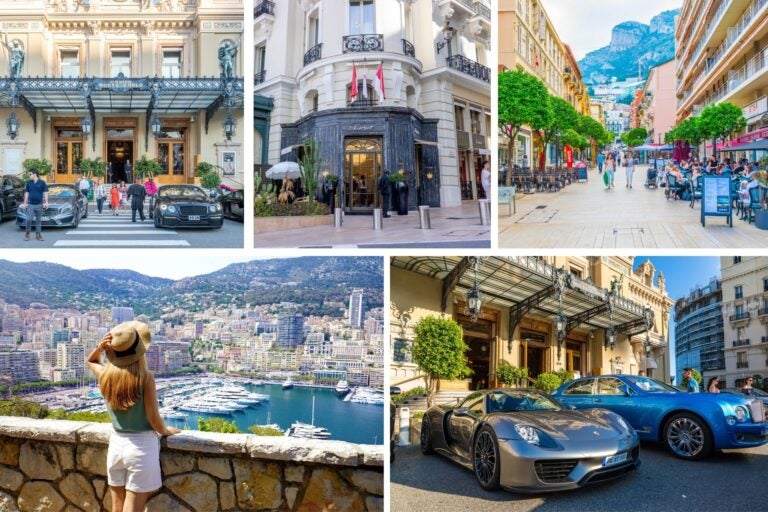
Safety is one of the biggest draws of living in Monaco. Crime rates are extremely low, and the police presence is remarkably high, with roughly one officer for every 100 residents, far above the norm in most countries, making it easy to feel secure at all times, even late at night. Among expats, some residential areas stand out as particularly popular choices:
- Monte Carlo: An iconic area known for its luxury, hotels, and famous casino.
- La Condamine: A lively neighborhood near the harbor.
- Fontvieille: A modern area with residential neighborhoods and parks.
- Monaco-Ville: The historic center of the principality.
Healthcare system
Monaco’s healthcare system is closely linked to France and offers modern facilities and top-tier specialists. As a legal resident contributing to social security, you can access public healthcare. If not, you would need to get international health insurance, as medical costs are quite high. The main public hospital, Centre Hospitalier Princesse Grace, provides advanced, efficient care and works in partnership with several French medical institutions.
Economy, wages, and opportunities for foreigners
Monaco has one of the strongest economies in Europe and offers significant tax advantages, which have long attracted entrepreneurs, investors, and international professionals. While average salaries are high, around $6,252 (€5,375) per month, living costs, especially rent, are also very steep. Many foreigners choose to work in Monaco but live in nearby French cities like Nice or Menton to reduce expenses.
If you are planning to live in Monaco to work for a local company, the most common opportunities for foreigners are in hospitality, tourism, finance, luxury retail, and international corporate services. To work legally, you will need to apply for a work visa through the Monaco embassy in your country.
Internet connectivity
Internet in Monaco is among the most advanced in Europe thanks to its modern infrastructure and government investments in high-speed networks. The main telecom provider, Telecom, offers mobile services, 1 Gbps fiber-optic connections, and fixed-line internet, with partnerships with international companies to ensure reliable 4G and 5G coverage across the principality.
In Monaco, online shopping is simple, whether from European stores or major platforms like Amazon, with quick regional delivery. If you are working remotely as a digital nomad, Holafly offers monthly plans with 25 GB or unlimited data and reliable 5G coverage across the country. The same eSIM lets you travel to over 160 destinations and connect multiple devices at the same time, starting at $49.90 per month with no contract required.
If you’re just visiting for a few days, you can opt for Holafly’s Monaco eSIM with unlimited data, available for only the days you need, starting at $3.90 per day.
Important: If you are a frequent traveler and want to stay connected without worrying about expensive roaming or looking for a new SIM at every destination, Holafly’s subscription plans are for you. With a single eSIM, enjoy internet in more than 160 countries for a fixed price and no surprises on your bill. Travel without limits and connect easily and securely! 🚀🌍

5 advantages of living in Monaco
As you’ve seen, life in Monaco offers many perks, including outstanding safety, top-notch services, and a strong economy. Even though it’s small, the principality provides a comfortable and secure environment with a touch of luxury. Here’s a look at the key benefits:
- Tax benefits: Residents do not pay income tax, making Monaco an ideal place to reduce your tax burden and enjoy significant benefits if you’re looking to start a business.
- Prime location: You can enjoy a Mediterranean climate on the French Riviera, surrounded by beaches and nature, with major cities like Nice and Cannes just a 30-minute drive away.
- International atmosphere: The principality is home to residents from over 130 different nationalities, creating a cosmopolitan and multicultural atmosphere. English and French are widely spoken, making it easier to settle in and feel part of the community.
- Major events: Monaco hosts major international events throughout the year that you can enjoy, including the Formula 1 Monaco Grand Prix, the Monaco Yacht Show, the Rolex Monte-Carlo Masters, and the Monte-Carlo International Circus Festival.
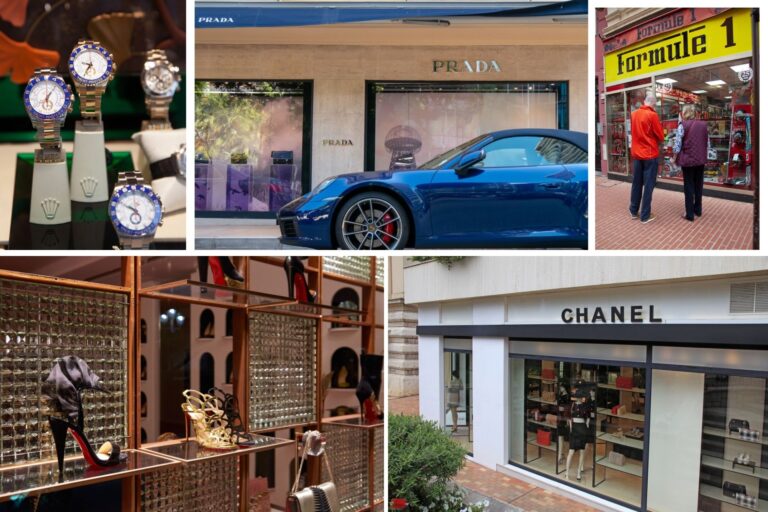
- Access to a luxurious lifestyle: Life in Monaco offers a truly luxurious and exclusive experience, from five-star hotels and fine dining to designer shops and elegant yachts in Port Hercules. If you’re drawn to this level of luxury and is within your means, there is no better place to enjoy it.
5 disadvantages of living in Monaco as a foreigner
Living in Monaco, like anywhere abroad, has its ups and downs. The biggest challenge is the high cost of living, which requires either a very strong income or significant savings to handle comfortably. Here’s a summary of the key drawbacks:
- Extremely high cost of living: It is one of the most expensive places to live, with housing making up a large part of the budget. Rent can exceed $5,350 (€4,600), and the cost of food and transportation is also high.
- Very limited real estate market: Because Monaco is so small, the limited number of housing options may force you to consider living in nearby cities if you struggle to find reasonably priced rentals.
- Scarce job market: The job market is concentrated in a few specific sectors, such as tourism, hospitality, finance, and luxury retail, which can make finding work in other fields more challenging.
- Reliance on nearby cities: Many residents choose to live, study, or shop in nearby cities like Nice to save on expenses, which means you’ll need to rely on public or private transportation to get around.
- Very exclusive lifestyle: Without a strong income to support Monaco’s luxurious lifestyle, it’s easy to feel both financial strain and social pressure.
Frequently asked questions about living in Monaco
Yes, Monaco is one of the most expensive places in the world to live. Even though salaries are high, many foreigners choose to rent in nearby cities to enjoy a more affordable and comfortable lifestyle.
The official language is French, although English and Italian are also widely used in business, tourism, and international services.
The principality is so compact that it’s easy to get around on foot or by bus. For trips to Nice and other nearby destinations, you can travel by car, train, or bus in about 30 minutes.
It depends on your nationality and how long you plan to stay. For stays longer than 90 days, you will need to apply for a residence, study, or work visa at the Monaco embassy in your country.
Living in Monaco means being surrounded by luxury and exclusivity. Yachts, high-end cars, and designer shops are part of everyday life, making the principality a truly one-of-a-kind destination.
Plans that may interest you

Hi! I'm a Spanish-English translator working with Holafly, helping bring travel content to life for curious travelers. As a digital nomad with a passion for exploring, I'm always adding new spots to my bucket list. If you love to travel like me, stick around because you're in the right place to find inspiration for your next trip! ✈️🌍