Language


 No results found
Living in Madeira as a foreigner: What is it really like?
“The Island of Eternal Spring” is a favorite for digital nomads, but living in Madeira offers both advantages and challenges to consider.

Does the fast pace of big cities ever get overwhelming? If you’re looking for a place where you can work surrounded by greenery, mountains, and the ocean within reach, we’ve got just the spot for you. Living in Madeira might be exactly what you need.
This Portuguese island is far more than a scenic getaway. It has become a go to place for anyone wanting to slow down without losing touch with modern life. These days, more and more digital nomads are settling in, working from coliving spaces in the capital or even from the small villages around the island.
Madeira has it all, and as soon as you set foot there, it’s easy to see why it’s become a hotspot for remote workers. Of course, island life comes with its own set of challenges.
Today we’re diving into what life is really like on this island paradise. We’ll explore the sense of security in its villages, the real cost of living in Funchal, and the nomad community that is shaping the island. We’ll also take a look at the challenges of living surrounded by the ocean.
Did you know it was named the best island destination in the world for several years in a row? Keep reading to see what life is really like there and to learn the benefits and challenges of living in Madeira.
What is the quality of life like in Madeira?
Living in Madeira means embracing a pace that feels timeless, yet enjoying all the conveniences of the 21st century. According to the Global Social Progress Index, Portugal ranks high in well-being, and Madeira reflects that too. The island offers an environment where work-life balance truly takes center stage.
Next, we’ll break down the key factors that shape quality of life. As a little preview, living in Madeira means enjoying a relaxed pace while benefiting from top-notch technology and infrastructure.
This Portuguese island is perfect for anyone moving from abroad, with a thriving international community that helps you feel connected. Let’s get straight to the essentials, including safety, healthcare, education, and the true cost of living in Madeira.
Safety
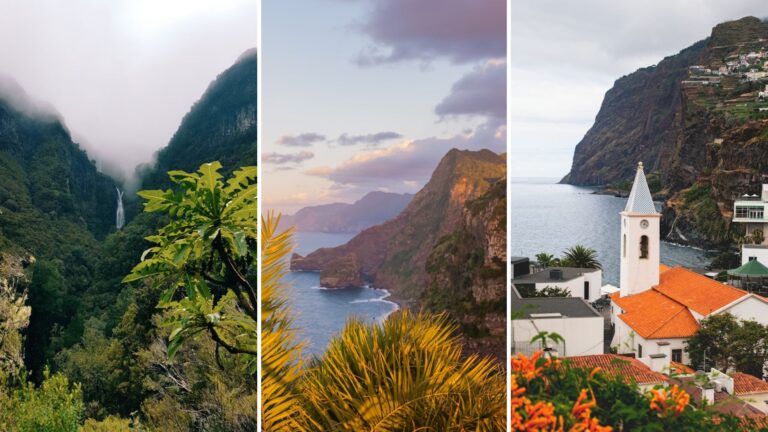
One of the biggest advantages of living in Madeira is definitely the peace of mind. The island boasts one of the lowest crime rates in Europe. It’s common to see doors left open in the smaller villages or to stroll through the streets of Funchal at midnight without feeling any danger. For newcomers, this level of safety brings an instant sense of relief.
The local residents, known for their friendliness, help newcomers feel safe and welcomed from day one. This sense of community and trust is something you rarely find in large mainland capitals.
Economy and cost of living
Compared to other European capitals, or even cities like Lisbon and Porto, living in Madeira is surprisingly affordable. While prices have risen with its growing popularity among digital nomads, it is still possible to enjoy a high-quality lifestyle on a moderate budget if you know where and how to spend wisely.
Research on cost of living from sources like Mercer shows that everyday expenses in Portuguese cities are generally lower than in much of Europe. In Madeira, fresh fish, tropical fruits, and the island’s well-known wine are very affordable. Imported products, however, can be costly because of the long shipping required to get them there.
Rent is highest in the heart of Funchal, but heading out to neighborhoods like Caniço, Camacha, or Machico can bring costs down while still keeping all the essentials. Prices also depend on the size of the place and whether it offers a view of the sea. Skipping the ocean view can make your rent much more affordable.
We recommend you check out this guide on where to stay in Madeira for a long-term visit, you’ll find some valuable information.
Eating out is very affordable. A coffee usually costs less than a euro, and a “prato do dia,” or daily special at a local restaurant, runs around 8 to 10 euros ($10-12). With an international salary, you can save more and enjoy life far more than in much of Europe.
Healthcare system
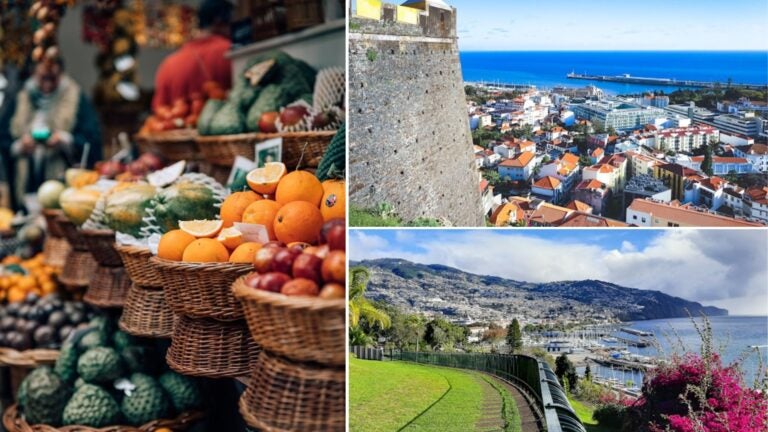
Madeira has the Regional Health Service (SESARAM), which provides a well-distributed network of clinics and hospitals across the island. The Dr. Nélio Mendonça Hospital in Funchal serves as the main hub, offering top-notch specialists and modern medical technology.
European Union citizens can use their European Health Insurance Card, while other foreigners usually go with private insurance. Private healthcare on the island is both affordable and efficient, with clinics like Hospital Particular da Madeira providing quick, multilingual care.
Knowing that you have access to a reliable medical infrastructure is essential when deciding to settle on an island.
Education
If you’re planning to live in Madeira with your family, you’ll be happy to know that the educational options are more diverse than you might imagine.
There are public schools with high standards that offer full immersion in Portuguese language and culture. For expat families, the Madeira International School is the preferred choice, as it follows an international curriculum.
The University of Madeira (UMa) adds a vibrant, youthful vibe to the capital. Its exchange programs and focus on marine sciences and technology contribute to the island’s reputation as an innovation hub.
Internet connection: The key to living in Madeira as a digital nomad
For those who work remotely, an internet connection is more important than any ocean view.
Luckily, Madeira has invested heavily in digital infrastructure to establish itself as a tech-friendly destination. High-speed fiber internet reaches nearly every corner of the island, even rural areas and hillside homes.
Funchal and Ponta do Sol, home to the well-known “Digital Nomad Village,” easily reach internet speeds of over 500 Mbps. Providers like MEO, NOS, and Vodafone offer competitive packages that combine mobile data and TV services.
The island is also packed with cafés set up for remote work and coworking spaces with ocean views that make it hard to imagine going back to a traditional office.
Having your own internet connection brings a lot of advantages, particularly the freedom to avoid relying on public Wi-Fi. Holafly offers an eSIM for Portugal with unlimited data nationwide, as well as monthly subscription plans. It’s easily the most convenient way to stay online in Madeira, across Portugal, and even around the world, with a single plan covering more than 160 countries.
The Unlimited Plan gives you data from the moment you step off the plane at Funchal airport. You can use maps, translate signs, or track down that café everyone raves about, all without relying on insecure public Wi-Fi or facing surprise roaming fees.
Important: If you are a frequent traveler and want to stay connected without worrying about expensive roaming or looking for a new SIM at every destination, Holafly’s subscription plans are for you. With a single eSIM, enjoy internet in more than 160 countries for a fixed price and no surprises on your bill. Travel without limits and connect easily and securely! 🚀🌍

Online shopping and logistics on the island
Despite its remote location, logistics in Madeira run surprisingly smoothly. Orders from Amazon or other European sites typically arrive in four to seven days, and there are forwarding services that make it simple to shop from mainland Portugal and have packages sent straight to the island.
Most local government and banking services are digital, letting you handle almost everything from your phone. This is a huge benefit for anyone moving from abroad, making it easy to manage daily tasks without waiting in line at offices.
Transportation and sustainable mobility
Traveling around Madeira is quite an experience. The island’s network of roads and the famous “furados” tunnels have made distances much shorter. Funchal’s yellow buses, Horários do Funchal, are dependable and cover the city efficiently, while intercity buses connect even the most remote villages.
Many locals choose a small car due to the island’s steep terrain. At the same time, electric mobility is on the rise, with charging stations becoming more common, reflecting Madeira’s push to be seen as a green and sustainable destination.
If you plan to rent or buy a car in Madeira, keep in mind that fuel is more expensive because it has to be shipped to the island. Also, some roads may require a special vehicle, like a 4×4.
Overall, Madeira offers an excellent quality of life. Expats especially appreciate the safety, the variety of outdoor activities such as hiking, surfing, and diving, the access to healthcare and education, and the vibrant international community.
What are the benefits of living in Madeira?
If you are seriously thinking about moving, you will see that the island offers far more than just beautiful scenery. Madeira has a unique energy, blending Portuguese warmth and hospitality with a wild yet well-managed environment.
An eternal spring climate
A big reason to consider living in Madeira is its consistent climate. Unlike the mainland, where winters can be harsh and summers unbearably hot, the island stays around 20°C for most of the year, allowing you to enjoy outdoor activities no matter the season.
For someone moving from abroad, this translates into significant savings on heating and cooling bills. The climate also has a positive impact on mood and productivity. Being able to stroll along the coast or work from a terrace in the middle of January is a luxury few European destinations can offer.
Lush nature right on your doorstep
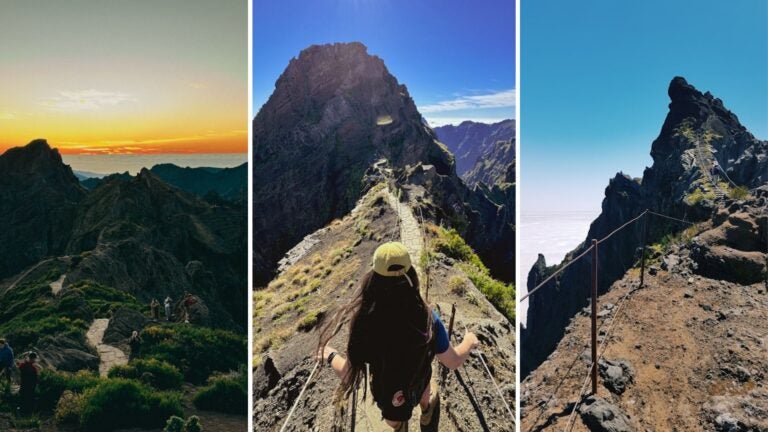
Madeira is a haven for hiking and trail running enthusiasts. The island is crisscrossed by the “levadas,” old irrigation channels that now serve as trails winding through the Laurisilva forest, a UNESCO World Heritage site.
Being so close to lush greenery and natural waterfalls makes it easy to unwind after a busy workday. Living here is like having a free outdoor gym and endless opportunities for adventure. It’s the perfect place for anyone looking for an active, healthy lifestyle immersed in nature.
A vibrant and well-organized nomadic community
Unlike other destinations where remote workers are scattered, Madeira has built dedicated ecosystems. The “Digital Nomads Madeira” initiative has put the island on the global map, offering meet-up spaces, weekly events, and a real support network for newcomers.
Building a social life in Madeira is easy. You quickly feel at home, and online communities on Slack and Facebook organize everything from group dinners to whale-watching trips, helping you meet like-minded people from around the world.
Safety
Safety here feels effortless. Kids play freely, people trust each other, and public spaces are always well cared for.
This sense of calm lets you focus on what truly matters, your work, your family, or personal projects. You do not have to be constantly on edge, creating a feeling of freedom that is hard to describe until you have spent an extended time living on the island.
Tax benefits for new residents
Portugal offers appealing programs for newcomers, such as the Non-Habitual Resident scheme. If you meet the criteria, you can enjoy tax exemptions or reduced rates on certain types of foreign income for ten years, making living in Madeira a smart financial choice as well.
The Madeira International Business Centre also provides tax advantages for international service companies that choose to base themselves on the island. For entrepreneurs and business owners, Madeira is more than a place to unwind, it is an ideal environment to expand your business while paying less in taxes.
Fresh and affordable cuisine
Dining in Madeira is a real treat every day. Fresh fish comes straight from the boat to your plate, and the black swordfish with banana is a must-try. Thanks to the fertile volcanic soil, local fruits and vegetables are full of flavor and very reasonably priced at the markets.
The island’s culture of local taverns makes it easy to enjoy good food without spending much. Grabbing a freshly made “bolo do caco” or sharing a “poncha” with friends after work is part of the social routine. This Atlantic-Mediterranean diet also promotes longevity and overall well-being for those who choose to live here.
What challenges does living in Madeira present?
Living in Madeira also comes with its challenges. While there are many upsides, some logistical and cultural aspects can take time to adjust to, especially in the first few months. These are a few things to keep in mind before booking a one-way flight.
The feeling of isolation
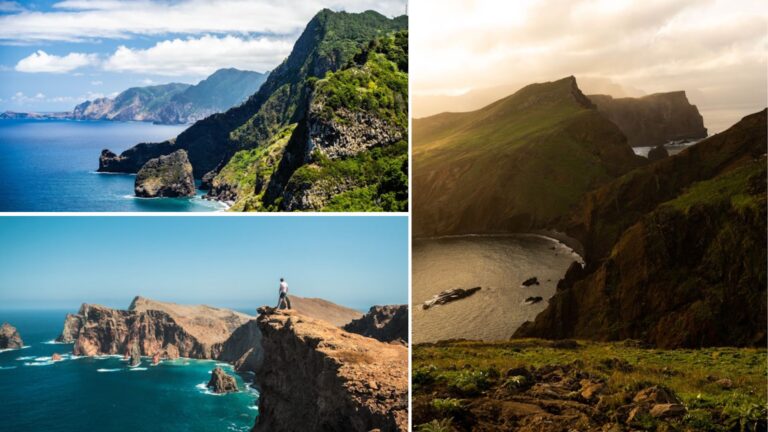
Living on a 740-square-kilometre island in the middle of the Atlantic can, over time, start to feel a bit confining. Even though Madeira has everything you might need, the fact that the only way off the island is by plane or boat can feel overwhelming for people used to the freedom of movement you get on the mainland.
For someone coming from abroad, it means that quick weekend trips to other countries are pricier and take more planning. It’s also worth thinking about whether you’re okay being surrounded by ocean all the time, because that “island feeling” can really get to some people after a while.
Bureaucracy and slow processing times
Dealing with paperwork in Portugal can be a slow process, and Madeira is no exception. Simple things like getting your tax ID, sorting out residency documents, or opening a bank account often take longer than you might expect and may involve several visits, so patience really helps.
Quite often, the information you get is unclear or even depends on who happens to help you that day. If you are used to places where everything can be sorted out with a click, the pace of the island’s bureaucracy can feel pretty frustrating.
We recommend that you be patient and, if possible, hire a local agent who knows the legal “shortcuts.”
The local job market is limited
If you are not planning to live in Madeira as a digital nomad earning a foreign salary, finding a good job on the island can be tough. Local wages tend to be low compared to the rest of Europe, and most opportunities are in tourism and service related roles.
Finding a good professional job on the island can be challenging, and in many cases, you really need to speak Portuguese well. Most foreigners who thrive in Madeira do so because they have their own work or earn money from outside the island.
Constant humidity and microclimates
Even though the weather is mild, Madeira is extremely humid year round because of its volcanic landscape and lush forests. This can lead to mold issues in homes that aren’t properly ventilated or insulated, which is pretty common in the older buildings around Funchal.
The island is also full of microclimates. You might enjoy bright sunshine on the coast, then drive just ten minutes inland and find yourself in thick fog and heavy rain. This kind of unpredictability means it’s smart to keep extra clothes on hand and not rely too much on the general weather forecast.
The terrain and transportation challenges
If you’re not comfortable driving or find steep hills intimidating, living in Madeira can be tough. The terrain is so steep that many streets are nearly vertical, making walking in some neighborhoods a serious workout and relying solely on public transport outside of Funchal a real hassle.
Having a car is almost essential to get the most out of the island, but both cars and fuel are more expensive than on the mainland because of import costs.
In addition, parking in Funchal can be a real nightmare during rush hour, adding a bit of daily stress to city life.
Shortage of specific products
Even though supermarkets are well stocked, living in Madeira makes you realize that some imported goods, certain clothing brands, or tech products aren’t always easy to find. Because most things arrive by sea, it’s not uncommon for items you’d consider everyday essentials in a big city to be out of stock.
Shopping online can help, but delivery takes longer, and some Amazon sellers or international stores add extra fees for shipping to Portugal’s remote regions.
It’s a minor detail, but it requires us to shift our mindset away from the instant gratification we’re used to.
Moving to an island in the middle of the Atlantic is a big decision, and not one to take lightly. This guide is meant to give you a realistic sense of life in Madeira, from the wonderful and simple aspects to the little daily challenges you might face.
Frequently asked questions about living in Madeira
Overall, not really. Compared to cities like London, Dublin, or even Lisbon, the savings are clear. Food and basic services are very affordable. A monthly budget of around $1,300 to $1,600 is enough for a single person to live comfortably, including rent in a nice area and regular leisure activities. Housing in Funchal has gotten pricier due to international demand, so if you want to save, it’s best to look east or west of the city, where rents can be up to 30% lower without compromising internet access or quality of life.
For everyday life and basic paperwork, English is widely spoken, especially in Funchal and tourist areas. Madeira has welcomed international visitors for decades, so most young people and professionals speak English fluently. That said, if you plan to live on the island long term, learning Portuguese is your best investment. It not only makes dealing with bureaucracy easier but also helps you connect genuinely with locals, who really appreciate the effort to speak their language.
Madeira Cristiano Ronaldo International Airport is the island’s main link to the outside world. It has daily direct flights to Lisbon and Porto, about an hour and a half away, where you can connect to destinations worldwide. There are also direct flights to major European capitals like London, Berlin, Madrid, and Paris. Strong winds can sometimes force temporary closures, which doesn’t happen often, but it’s something to keep in mind if you have fixed meetings on the mainland or tight connecting flights.
Absolutely. Madeira is a very safe and healthy place for children, with a family friendly culture and plenty of opportunities to enjoy nature. There are good public schools and quality international private options, and the slower pace of life lets parents spend more time with their kids outdoors, at parks, beaches, and on year round activities.
It’s one of the best setups in the world. Ponta do Sol’s “Digital Nomad Village” offers daily events, workshops, and social activities, connecting you to a global community. You will always find someone for a coffee, a project, or a levada hike, and Madeira makes international talent feel at home.
Plans that may interest you


Hi! I'm a Spanish-English translator working with Holafly, helping bring travel content to life for curious travelers. As a digital nomad with a passion for exploring, I'm always adding new spots to my bucket list. If you love to travel like me, stick around because you're in the right place to find inspiration for your next trip! ✈️🌍