Language


 No results found
Living in Madagascar as a foreigner: What is it really like?
Want to spend some time on one of the world’s largest islands? Find out what living in Madagascar is like, including its pros and cons.

Living in Madagascar gives you the chance to enjoy its stunning biodiversity and iconic landscapes, like the baobab trees. The island’s tropical nature, traditional culture, and low cost of living are appealing, but there are also significant challenges in certain areas that can affect daily life.
In this article, we’ve put together a guide covering the quality of education, safety, the best cities to live in, and healthcare, all backed by official studies. You’ll also learn about the country’s economy, average salaries, and the main job opportunities for foreigners. Finally, we’ll look at internet connectivity, which is important if you’re coming to the island to work remotely as a digital nomad. Keep reading to discover the main advantages and challenges of living in Madagascar!
Quality of life in Madagascar
Living in Madagascar comes with two sides. On one hand, its natural beauty and affordable cost of living make it an ideal place to stay for a while, whether as a digital nomad or a long-term visitor. On the other hand, some services, like education and healthcare, have limitations that you’ll need to consider. Let’s take a closer look at each.
Education in Madagascar
Madagascar’s education system faces challenges like poor infrastructure, a shortage of teachers, and limited government funding. If you want to study at one of its universities, you’ll need to apply for admission and then secure a student visa to stay in the country for the duration of your program. French is the main language of instruction, though some courses are taught in Malagasy. Universities are limited compared to other countries and are mostly located in the main cities:
- Université d’Antananarivo: The country’s leading public university, located in the capital, Antananarivo.
- Université de Mahajanga: Located in the port city of Mahajanga, on the northwest coast.
Safety
Safety in Madagascar largely depends on where you live. Overall, crime levels are relatively low, but it’s still wise to take basic precautions, especially in larger cities like Antananarivo. The capital occasionally experiences protests and unrest over essential services such as water and electricity. According to Numbeo, the island scores low on safety-related quality of life. The best areas to live are:
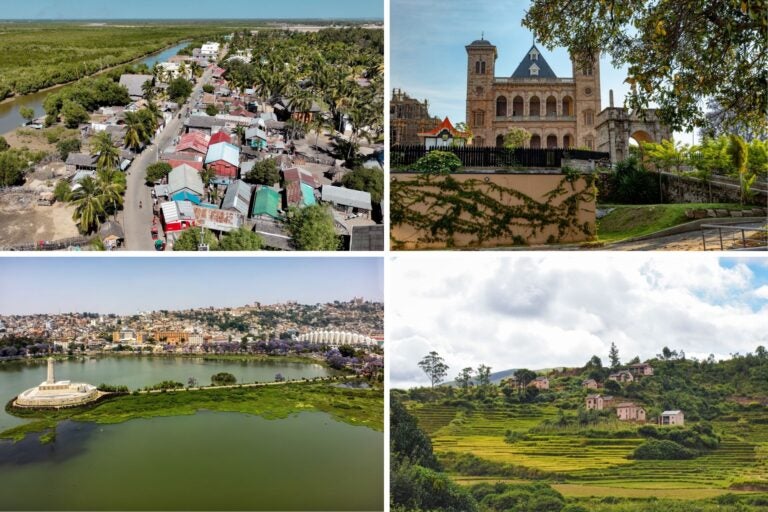
- Antananarivo: The country’s capital and economic hub, offering the widest range of services, educational opportunities, and job markets.
- Mahajanga: A port city with a vibrant coastal lifestyle, access to commerce, and basic services.
- Nosy Be: A northern island known for tourism and its natural beauty.
- Antsirabe: An inland city with a more relaxed pace of life.
Healthcare system
According to the Social Progress Index, healthcare and basic medical services in Madagascar score quite low. Reports from organizations like the World Bank and the WHO also highlight a significant shortage of specialists and limited universal healthcare coverage. Since there is no free public healthcare for foreigners, most expats rely on international health insurance with coverage in Africa. The best-equipped hospitals are mainly located in the capital:
- Hôpital Joseph Ravoahangy Andrianavalona: A major public hospital located in Antananarivo.
- Clinique Saint-Luc: A private facility with state-of-the-art equipment and shorter wait times.
The driving force behind Madagascar’s economy
Madagascar’s economy is still developing. According to the World Bank and the Social Progress Index, it has one of the lowest per capita incomes in the world. The country’s main economic drivers are the production of vanilla, coffee, cloves, and rice, along with exports of nickel and cobalt, tourism, and the textile industry. Despite its abundant natural resources, Madagascar faces significant gaps in industrialization and infrastructure.
The average monthly salary is around $130–$220, making it generally not worthwhile to work for a local company. Most foreigners take higher-level positions in public health, education, or community development through international organizations.
Internet connectivity
Internet quality is an important factor to consider when thinking about living in Madagascar, especially if you need to work or study online. Overall, the island’s digital infrastructure is still developing, and power outages can directly affect connectivity.
The main telecom providers on the island are Telma, Orange, and Airtel, offering speeds between 5 and 20 Mbps, with fiber available in certain parts of the capital. As for e-commerce, there’s no fully reliable delivery network, and major international platforms either have limited shipping to the island or charge high fees.
Given this situation, the best option is to go with Holafly’s monthly plans, which offer reliable 5G coverage across the island. You can choose between 25 GB or unlimited data plans and connect multiple devices at once, starting at $49.90 per month with no long-term commitment. If you plan to explore more of Africa, the same eSIM and SIM card work in over 160 destinations. For shorter trips, Holafly’s Madagascar eSIM provides unlimited data for just the days you need, starting at $9.90 per day.
Important: If you are a frequent traveler and want to stay connected without worrying about expensive roaming or looking for a new SIM at every destination, Holafly’s subscription plans are for you. With a single eSIM, enjoy internet in more than 160 countries for a fixed price and no surprises on your bill. Travel without limits and connect easily and securely! 🚀🌍
5 advantages of living in Madagascar
We’ve already looked at some of the challenges of living in Madagascar, but the island also has many advantages worth knowing. If you’re looking for an affordable, peaceful place to live surrounded by nature, this island has everything you’re after.
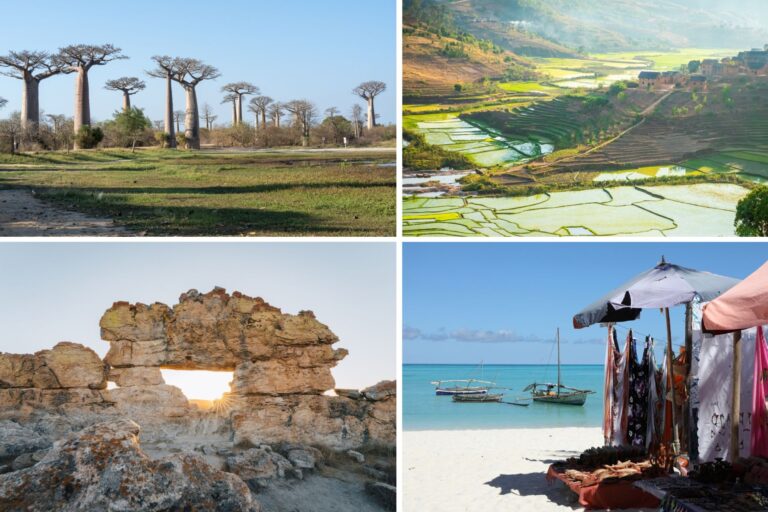
- Unique natural environment: The island is home to incredible biodiversity, with 90 % of its species found nowhere else. You can explore its iconic ancient baobab trees, the Tsingy de Bemaraha National Park, or the paradise-like island of Nosy Be.
- Low cost of living: This means that if you earn income from abroad, you can enjoy a very comfortable lifestyle, with low rent and inexpensive local food.
- A relaxed pace of life: Life on the island is more laid-back, without the urban stress you find in other Western capitals.
- An authentic cultural experience: Malagasy culture blends African and Asian influences with local traditions and festivals, giving you plenty of opportunities to connect with the community.
- Tropical climate: Much of the island enjoys warm weather year-round, especially along the coast, where you can enjoy outdoor activities and even water sports like diving at spots such as Nosy Tanikely or Manta Point.
Disadvantages of living in Madagascar as a foreigner
While we’ve covered many of the island’s challenges throughout this article, here’s a summary of the main points. Being aware of these drawbacks will help you make a more informed decision about living in Madagascar. Here’s what you need to know:
- Limited healthcare system: Hospitals with poor medical equipment and insufficient specialized care.
- Low wages: If you plan to work for a local company, wages are very low, and job opportunities for foreigners are also limited.
- Poor transportation: Outside the capital, roads are in poor condition, and the public transportation system is limited and unsafe.
- Basic services: Access to electricity and clean water can be limited in some areas, as they rely on generators. Frequent power and water outages can affect your daily comfort.
Frequently asked questions about what it’s like to live in Madagascar
Whether you’ll adjust easily depends on your experience living in developing countries. Life in the capital tends to be smoother, since it has better services and infrastructure than rural areas.
Yes, if your income comes from foreign clients, you’ll be able to maintain a good standard of living, since the cost of living on the island is very low.
French is essential for education, services, and business, while Malagasy is used in everyday life. English is mostly limited to the tourism sector.
Safety varies depending on where you choose to live. Major cities tend to have a stronger police presence, while in rural areas it largely depends on the local community.
Public transportation in Madagascar is limited and often unreliable. Renting your own vehicle is usually the safest and quickest way to get around the island.
Plans that may interest you


Hi! I'm a Spanish-English translator working with Holafly, helping bring travel content to life for curious travelers. As a digital nomad with a passion for exploring, I'm always adding new spots to my bucket list. If you love to travel like me, stick around because you're in the right place to find inspiration for your next trip! ✈️🌍