



 Language
Living in Estonia as a foreigner: What is it really like?
Are you looking for a new location for your next digital office? Living in Estonia could be a great choice.

In Estonia, you can do things like start a business or sign a rental contract online in just a few minutes. This small country by the Baltic Sea, with about 1.3 million people, is known as one of the most digital societies in the world, combining modern technology with beautiful, unspoiled nature.
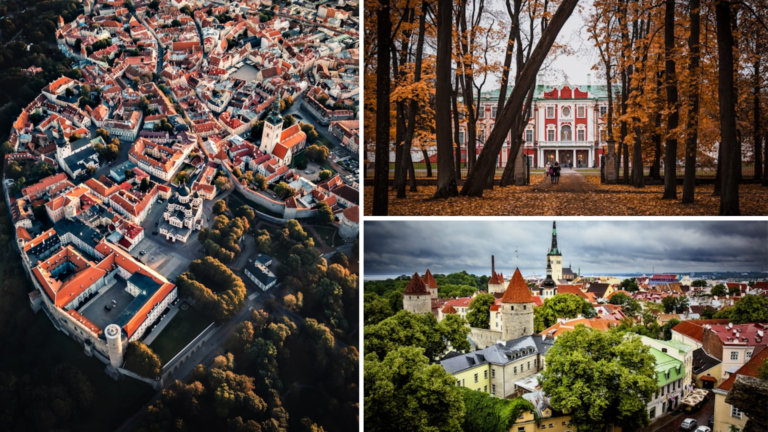
In this guide, we’ll take a look at what it’s really like to settle in cities like Tallinn or Tartu. We’ll explore how their Nordic and Baltic roots mix with a job market that’s always looking for tech talent. We’ll also go over the cost of living in a capital that’s becoming more and more international, along with the challenge of adjusting to a climate where the sun barely shows up for months at a time.
Estonia has some of the cleanest air in the world. When you live there, you see that technology hasn’t replaced nature, it just makes it easier to enjoy it.
Keep reading to find out if this Baltic gem is the perfect place for the next chapter of your professional and personal life.
What is the quality of life like in Estonia?
Settling in Estonia feels like stepping into a kind of social experiment where technology is designed to make everyday life easier for people.
According to the Economic Freedom Index, Estonia ranks among the most open and transparent countries in the world. That means living there comes with a stable, safe environment where time is truly valued, largely thanks to how much of daily life is handled digitally.
Economy and wages
Estonia isn’t the cheap country it was ten years ago, but it’s still more affordable than many other parts of Europe. Today, it’s a high-income economy, with the tech sector making up nearly 15% of its GDP. In Tallinn, the average gross monthly salary is around €2,000 ($2,200), while in IT or management roles for expats, pay is usually between €3,500–5,500 ($3,800–6,000).
One of the biggest draws is its tax system, where corporate tax is 0% on reinvested profits, making it especially attractive for entrepreneurs. Personal income tax is also simple and straightforward, with a flat rate of 20% for individuals.
As for the cost of living, a modern one-bedroom apartment in central Tallinn (in neighborhoods like Kalamaja or Kesklinn) typically costs between €650–900 ($700–980). While prices have gone up, the balance between take-home pay and living costs is still better than in cities like Stockholm or Helsinki.
Health
Estonia’s healthcare system (Haigekassa) is efficient and linked to your digital ID. You don’t need to carry documents. Your medical records, scans, and prescriptions are available in any hospital with your ID card.
If you live and work there, you’re fully covered under a solid public healthcare system. Prescriptions are digital too. Once your doctor issues one, it’s stored online, and you just need your ID at any pharmacy to get your medication.
For those who prefer private healthcare, there are modern, high-quality clinics like Confido or Fertilitas, where a specialist appointment usually costs around €70–100 ($75–110), which is very competitive compared to most of the EU.
Education
If you’re moving with children, it’s worth knowing that Estonia is officially ranked among the best education systems in Europe according to PISA results, even ahead of Finland. Public education is free, secular, and strongly focused on digital skills from an early age, with kids starting basic programming in primary school.
For expats, there are strong international school options in Tallinn, such as the Tallinn European School or the International School of Estonia, where classes are taught entirely in English. Tuition usually ranges from €15,000–20,000 ($16,000–21,500) per year.
However, given the high quality of public schools, many expats choose the local education system instead, as it helps children integrate more naturally both linguistically and culturally.
Security
Estonia is one of the safest countries in the world. Violent crime is extremely rare, and corruption is almost nonexistent. You can walk around Tallinn or Tartu at 2 a.m. without worrying. It’s also normal to see young children taking public transport to school on their own, or bicycles left locked with very basic security.
Living in Estonia, that sense of security also applies online. The country is a global leader in cybersecurity and hosts the NATO Cooperative Cyber Defence Centre of Excellence. That means one of the most advanced digital systems in the world protects your personal data and transactions.
Internet connection in Estonia with Holafly
In Estonia, internet access is considered a basic right. Free, fast Wi-Fi is available in almost every square, park, and café, and even deep inside national forests. That said, to handle official paperwork on your phone or use fully digital public transport systems, you still need a reliable private connection from the very start.
The Holafly eSIM for Estonia is a key tool when you first arrive. It gives you unlimited data so you can look for your first apartment, translate signs, and sign up for local transport apps like Bolt, Estonia’s version of Uber.
Another great option is Holafly’s monthly plans. If you’re planning to move to Estonia or stay for an extended period, they can be even more convenient than a standard eSIM. Why? Because instead of buying a short-term package and constantly renewing it, you subscribe once and don’t have to think about it again. You just choose between 25 GB or unlimited data, pay, and scan a QR code to install the eSIM. With just a few simple steps, you’ll have internet for as long as your plan is active.
With the Light or Unlimited plans, you also get global coverage in over 160 countries. That means you can travel freely across Europe without ever losing your internet connection. On top of that, the service connects to the strongest available network, giving you very stable coverage in a fully digital country like Estonia.

What are the advantages of living in Estonia?
Estonia has become a top destination for digital nomads, entrepreneurs, and professionals looking for a modern lifestyle without the chaos of Europe’s bigger capitals.
Here are the reasons why this small country is on everyone’s radar.
The world’s most digitized society (e-Estonia)
One of the biggest advantages of living in Estonia is how much time you save. Almost all government services are fully digital. You can file your taxes in minutes, register a newborn straight from the hospital, or renew your driver’s license while having a coffee.
There are only three things you can’t do online in Estonia: get married, get divorced, and handle real estate transactions (though even that last one is starting to change).
This efficiency eliminates the frustration of traditional bureaucracy and allows you to focus your energy on what really matters: your career and your well-being.
An ecosystem for entrepreneurs and startups
If you’ve got an entrepreneurial mindset, there are few better places in Europe. Estonia has the highest number of “unicorn” startups per capita on the continent. Companies like Skype, Wise (formerly TransferWise), Bolt, and Pipedrive all started here.
Living in Estonia also means becoming part of a community where networking happens naturally and all the time. The government offers unique incentives like e-Residency, which lets you run a company remotely, and a tax system where companies don’t pay tax on profits they reinvest.
In other words, it’s the perfect testing ground for launching and scaling any tech project.
Fresh air and nature all around
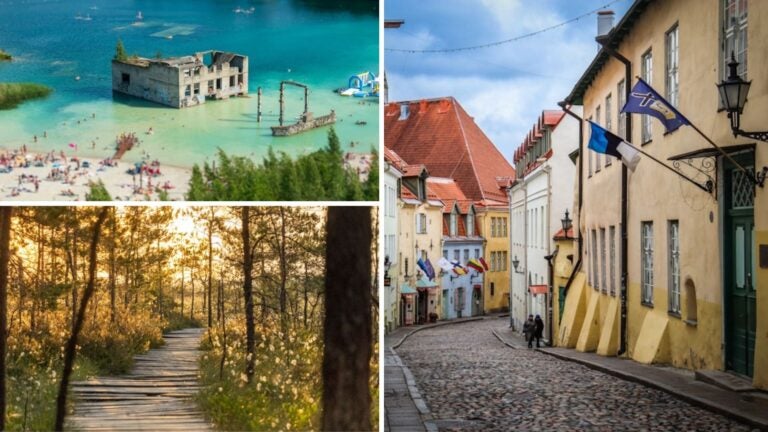
Estonia is one of the greenest countries in the world. More than 50% of its territory is covered by forests.
That means you’re never more than 15 to 20 minutes away from a national park, a lake, or the sea. The air is incredibly clean, which makes for excellent respiratory health and an overall quality of life that’s hard to beat.
One of the locals’ favorite activities is “bog walking,” which means walking through peat bogs on wooden boardwalks. It’s a kind of active meditation that helps you switch off from digital overload. Best of all, the authorities keep access to these parks free and maintain them very well, which encourages an active, healthy lifestyle all year round.
Safety and a family-friendly atmosphere
As mentioned before, safety is a key part of life here. Estonia is a great place to raise a family, not just because the streets are safe, but because there’s a strong sense of social security and stability. Parental leave is also among the most generous in the world, with up to 600 days of paid leave available.
Cities like Tartu and Tallinn are designed to be easy and comfortable to live in. There are lots of modern playgrounds, and people are generally respectful, which makes everyday life smooth.
An environment where it’s easy to speak English
Unlike many other countries in Eastern Europe or the Baltics, English levels in Estonia are extremely high, especially among people under 50. Almost all public services, banks, and hospitals offer support in English.
Even though Estonian is the official language, you don’t need to speak it at the beginning, especially if you work in international fields. Most people speak English, which makes it easy to settle in, avoid culture shock, and start your life there from day one.
What are the challenges of living in Estonia as a foreigner?
As we always say, every country has its advantages but also its challenges, and Estonia is no exception.
It takes some time to get used to life there. Even though things work well, the culture, weather, and lifestyle can feel very different, especially if you’re coming from a warmer or more social place.
Climate
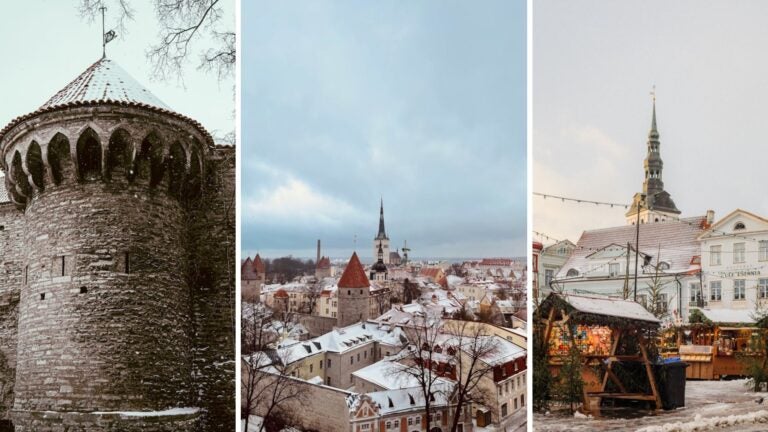
This is probably the biggest challenge of living in Estonia. Like in much of Northern Europe, winters are long, dark, and grey. In December, the sun gives you only around six hours of daylight, and clouds often hide it even then. During cold snaps, temperatures can drop as low as -20°C.
If you don’t prepare with natural light lamps and vitamin D supplements, the lack of sunlight causes what people call “Seasonal Affective Disorder.”
Even though Estonians have adapted by spending more time indoors, with saunas and cozy cafés, for someone who enjoys being out and about, the months from November to March can feel long and never-ending.
The Estonian language
Even though most young people speak excellent English, Estonian is the official language and it’s one of the hardest to learn. It belongs to the Finno-Ugric language family, like Finnish, and has 14 grammatical cases along with a very distinctive sound system.
If you don’t speak the language, it’s easy to feel a bit disconnected. Certain tasks, local news, or even simple things like following conversations and jokes at work can become a challenge.
The good news is that the government offers free courses for residents, but mastering it takes years of intensive study.
High utility costs in winter
Housing costs in Estonia aren’t always predictable. Because of the European energy crisis and the harsh climate, utility bills have risen quite a bit. By 2026, heating and electricity for a 50 m² apartment can range from about €200–250 ($215–270) per month during the coldest months.
If you live in an older (Soviet-era) building that hasn’t been renovated, your bills may be even higher due to poor insulation.
That’s why it’s important to check the building’s energy rating before signing a rental contract, since a “cheap” rent can end up being expensive once you factor in heating costs.
Estonian social reserve
Estonians are known for being quite reserved and introverted. It’s not rudeness, it’s just their way of respecting personal space. Don’t expect warm greetings from neighbors or small talk in the elevator.
Making local friends takes time and usually depends on shared interests like sports, hobbies, or work. For someone coming from a more outgoing and spontaneous culture, life in Estonia can feel quite lonely at first. However, once you break the ice, Estonians tend to be very loyal and straightforward friends.
A limited and growing real estate market
Tallinn is a small city, and the startup boom has brought in thousands of foreigners, which has pushed up demand for good-quality housing. Finding a modern apartment in a good location at a reasonable price has become quite competitive.
Many local real estate agencies tend to prioritize people who speak Estonian or have long-term contracts with well-known companies. Living in Estonia, you’ll notice that rents in trendy areas like Kalamaja or Noblessner are quickly approaching the levels of much larger capitals, which can make it harder to save money.
In short, Estonia isn’t for everyone. It suits tech-minded people, entrepreneurs, and nature lovers who don’t mind the cold. If you prefer efficiency and quiet over a busy social life, it offers a kind of calm that’s hard to find elsewhere.
Estonia challenges you with its climate and language, but rewards you with full digital freedom and a level of safety where you could practically sleep with the door unlocked. It’s a small country with big ambitions, and moving here means becoming part of one of the most successful social experiments of this century.
Frequently asked questions about living in Estonia
This is a common misconception. e-Residency is just a digital ID that lets you run a company in Estonia from anywhere, but it doesn’t give you the right to live there or act as a visa. To live in Estonia, you need a residence permit if you’re from outside the EU, or local registration if you’re an EU citizen. e-Residency is for business, not immigration.
One of the city’s biggest perks is its transport system. Once you register officially as a resident of Tallinn, you can apply for the Green Card by paying a small one-time fee of about €2. After that, buses, trams, and trolleybuses within the city are completely free and unlimited. They designed it to reduce traffic and pollution. For travel between cities, the Elron trains are modern and affordable, getting you from Tallinn to places like Tartu or Pärnu in under two hours.
If you have a residence card and a rental or work contract, opening a bank account at places like LHV or Swedbank is quite simple. However, strict anti–money laundering rules require them to ask for details about your income, especially if you’re self-employed. Many expats start with digital banks like Wise or Revolut since they’re easy to set up and provide an IBAN immediately. Once you get your Estonian ID, using traditional banks becomes much easier.
Tallinn Airport is small, comfortable, and very efficient, with security often taking less than 10 minutes. It has direct connections to major European hubs like Frankfurt, Helsinki, Stockholm, Riga, and London. You can also take a ferry to Helsinki, which only takes about two hours, making day trips or shopping visits very easy.
If you live and work in Tallinn or Tartu, you probably don’t need a car thanks to good public transport, walkability, and services like Bolt. But if you want to explore remote nature spots, islands, or national parks, a car can be useful. Many people just use car-sharing apps instead, which are common and affordable in Estonia.
Plans that may interest you

Hi! I'm a Spanish-English copywriter working with Holafly, helping bring travel content to life for curious travelers. As a digital nomad with a passion for exploring, I'm always adding new spots to my bucket list. If you love to travel like me, stick around because you're in the right place to find inspiration for your next trip! ✈️🌍