Language


 No results found
Living in Copenhagen as a foreigner: What is it really like?
Want to know what living in Copenhagen is like? Read this comprehensive guide to the quality of life in Denmark’s capital.

Curious why Copenhagen ranks among the cities with the highest quality of life in the world? You’ve come to the right place. In this article, we’ll explore what living in Copenhagen is really like, including key insights on its healthcare system, education, and other services like public transportation.
Plus, we cover other factors that shape everyday life in the city, including safety, income, and the overall cost of living. Discover the main pros and cons of Copenhagen so you can get a clearer picture if you’re thinking about moving there. Let’s get started!
Quality of life in Copenhagen
Copenhagen is known for having one of the highest quality of life ratings in the world, thanks to its strong healthcare and education systems and a high level of safety.
Currently, the Danish capital ranks 11th out of 304 cities in Numbeo’s global quality of life index, scoring high in salaries, citizens’ purchasing power, and its efficient transportation system. We’ll break down each of these in detail below.
Health
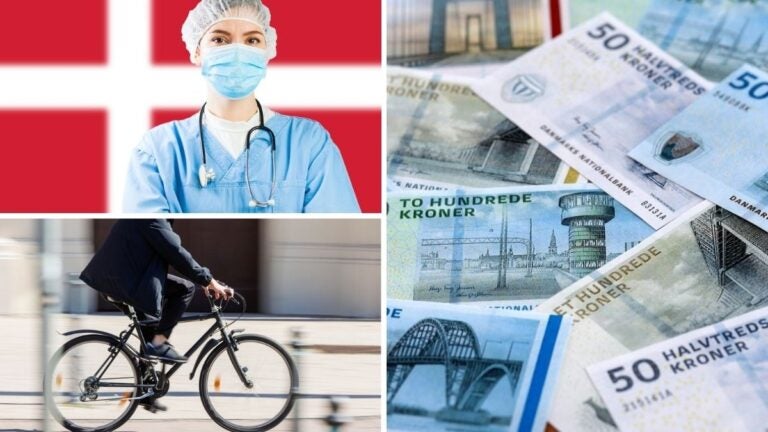
Copenhagen’s healthcare system is high-quality and funded through citizens’ taxes, making it universal. To access comprehensive free healthcare services, you need a civil registration number, known as a CPR.
Booking an appointment with a specialist requires prior approval from your assigned general practitioner. For dental visits, a co-payment is usually required.
Education
Education, from early childhood through university, is free for Danish citizens and residents from other EU countries. Non-EU students, however, are required to pay tuition fees.
In Copenhagen, you’ll find international schools and universities that maintain high academic standards, giving graduates strong career prospects not only in Denmark but across Europe.
Safety
Copenhagen’s crime levels are low enough for the city to be considered one of the safest in Europe, with a safety index of 74.01/100 on Numbeo.
This not only reflects how peacefully residents live, but also captures the overall socio-political climate, which is generally stable and positive.
Transportation
If you love cycling, you’ll love Copenhagen. The city is designed primarily for pedestrians and cyclists, discouraging the use of private cars while promoting environmental sustainability and overall well-being.
You also have access to 24-hour public transportation, which is highly efficient and punctual, making it an excellent complement to cycling as a way to get around the city.
High average salary and flexible work arrangements
Copenhagen often ranks as the Danish city with the highest average income in the country, despite the high taxes residents pay, which can range from 45% to 50% annually.
The average gross monthly salary ranges between 46,000 and 51,000 Danish kroner, roughly $5,900 to $6,500, while the minimum hourly wage is around $17 to $19.
Right now, the job market is especially strong in fields like tech, engineering, healthcare, and pharmaceuticals, as well as in hands-on roles such as construction and skilled trades. Across the board, workers benefit from a flexible work culture that makes it easier to maintain a healthy work–life balance.
On top of that, employees are entitled to up to five weeks of fully paid vacation each year. Many companies have also started offering hybrid work arrangements.
Cost of living
The biggest expense you’ll face if you decide to live in Copenhagen is housing, where high demand and limited supply make things even more challenging. You’ll likely need to spend between 35% and 50% of your salary to cover it.
On top of the high costs, renting often involves a fair amount of bureaucracy, which can make it even harder to secure a well-located, central home.
Another major expense to factor into your budget is monthly groceries, which can cost roughly $320 to $480 when shopping at regular local supermarkets.
Quality of the internet connection
Strong connectivity has made it possible for many everyday services in the city to be handled digitally. Providers like TDC and Telenor offer widespread fiber-optic internet coverage, along with 5G mobile networks.
Online shopping, digital payments, and money transfers are all easy to use thanks to the country’s strong internet, saving you time and trips to stores or offices.
The government has also improved public services by using digital systems for things like waste management, traffic monitoring, and tracking energy use across the city
With Holafly, you can stay connected as soon as you arrive in Denmark. Their monthly plans offer 25 GB or unlimited data that can be shared across multiple devices, and you can use it in over 160 destinations worldwide thanks to their global coverage.
You can also install Holafly’s Copenhagen eSIM, which gives you unlimited data for just the days you need. This way, you avoid international roaming fees and the hassle of swapping SIM cards.
Important: If you are a frequent traveler and want to stay connected without worrying about expensive roaming or looking for a new SIM at every destination, Holafly’s subscription plans are for you. With a single eSIM, enjoy internet in more than 160 countries for a fixed price and no surprises on your bill. Travel without limits and connect easily and securely! 🚀🌍

Advantages of living in Copenhagen
If there’s a city that truly offers advantages for living, it’s Copenhagen. Foreign residents often discover customs that, rather than feeling like a cultural shock, actually enhance quality of life and contribute to overall social well-being.
In this section, we’ll highlight some of the key benefits you can expect when moving to Denmark’s capital in 2026.
There is a good work-life balance
One of the things that stands out about living in Copenhagen is how easy it is to maintain a healthy work–life balance. It’s not legally required, but the culture encourages both employers and employees to respect personal time and prioritize life outside of work.
Unlike in some other cultures, companies in Copenhagen tend to value efficiency and reliability over simply working long hours or staying late at the office.
Efficient public transportation and widespread use of bicycles
Many might think Copenhageners rely on bikes because public transport is poor, but that’s far from true. The city has a modern, highly efficient transit system that runs smoothly every day, all day.
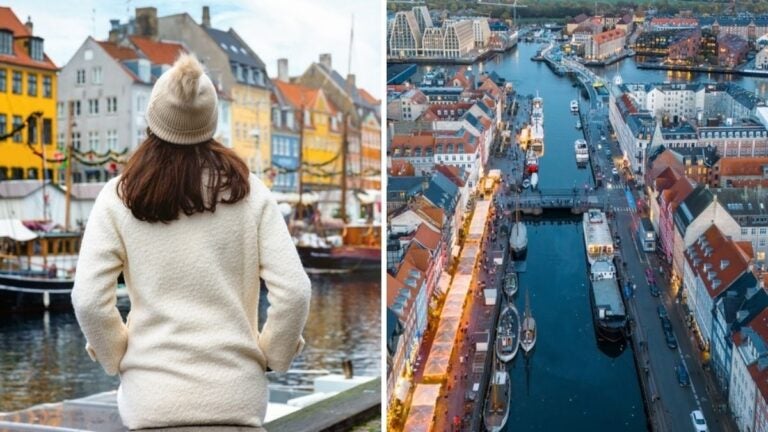
When you’re in the city, you’ll notice that locals ride bikes out of habit, convenience, and low risk of theft. The city is also designed with cyclists in mind, making biking easier and discouraging the use of private cars.
You can feel safe and at ease on the streets
In Copenhagen, people often go out to walk or meet friends. The city feels safe, and people trust each other more than in most other big cities.
In Copenhagen, you quickly notice the trust people have in each other. You might see babies sleeping in strollers outside cafés while their parents are inside, or belongings left on tables in public places that stay untouched until their owners come back.
Drawbacks of living in Copenhagen as a foreigner
Copenhagen has its good and bad sides. While living there has many benefits, some parts of Danish life might not fit your preferences.
An unaffordable cost of living without a high income
The city offers top-quality public services that make life comfortable, but they can be expensive. Without a well-planned budget, monthly expenses can become overwhelming
Housing takes up a big portion of your income and can be one of the toughest challenges in Copenhagen. High prices, limited availability, and the paperwork involved make finding an apartment or house for rent difficult.
Other aspects of social life, like going out to eat or grabbing a coffee, can also be quite expensive. These are often some of the first things people cut back on to manage their other expenses.
A closed social scene among locals
Danes in the capital value social and family life, but even if people are friendly, it doesn’t mean you’ll easily become part of their social circle. Copenhagen’s society tends to be quite closed.
People generally avoid showing off and appreciate modest, respectful behavior where no one stands out. This can be challenging if your goal is to make friends quickly, as it may feel frustrating at first.
Cold weather that affects your mood
Living through winter in Copenhagen will really test your tolerance for cold, rainy days, and limited daylight, as from November to March you’ll experience all three relentlessly.
Residents usually manage the cold and rain, but adjusting to the sun setting before 4 PM in December and early January can be tough. The darkness can affect your mood and add to the usual challenges of moving to a European city like Copenhagen.
Frequently asked questions about living in Copenhagen
Rent varies depending on the type of place you choose. A room in a shared house can cost between $730 and $1,120, while a small studio apartment typically ranges from $1,350 to $1,900.
Owning a car in Copenhagen is usually not worth it due to high costs. Getting around is easy with reliable public transport, and the city is very bike-friendly, making cycling one of the most convenient ways to move around.
Going out to eat is a common pastime for locals in Copenhagen, but it can be pricey. A dinner for two can cost anywhere from $90 to $145.
Attending universities, sports clubs, language classes, or art courses is often the best way to quickly get involved in Copenhagen’s social life.
In professional and work settings, English is usually enough to get by. But for daily life and social interactions, knowing Danish is essential, as it makes it much easier to access healthcare, education, and local services.
Plans that may interest you


Hi! I'm a Spanish-English translator working with Holafly, helping bring travel content to life for curious travelers. As a digital nomad with a passion for exploring, I'm always adding new spots to my bucket list. If you love to travel like me, stick around because you're in the right place to find inspiration for your next trip! ✈️🌍