Language
Living in China as a foreigner: What is it really like?
Discover the benefits and challenges of living in China as a foreigner. This comprehensive guide contains all the information you need.

If you’ve ever felt like the world is racing ahead, living in China will feel like stepping straight into the future. This is not just a country of temples and calligraphy. It’s a technological powerhouse that offers one of the most vibrant and eye-opening experiences any foreigner can have.
In this guide, we’ll break down what it really means to settle in the land of endless skyscrapers and super-apps. We’ll cover the near-perfect safety on the streets, what expat salaries are really like, and that digital ecosystem where your phone is your only wallet. We’ll also take an honest look at the challenges of navigating the language barrier.
Did you know that in cities like Shenzhen or Shanghai, it’s almost impossible to find anyone using cash? Everything, from a street food stall to renting an apartment, is paid with a QR code.
What is the quality of life like in China?
Settling in China means stepping into a world that runs by its own rules. According to various urban development indexes, cities like Shanghai, Beijing, and Shenzhen offer a quality of life on par with Western capitals, but with a digital agility that leaves them a step ahead.
Living in China today means being at the heart of global innovation, although this requires a constant ability to adapt.

Economy and salaries
Historically, China has attracted foreign workers with very generous compensation packages, and although the market has matured, the offer remains attractive.
Salaries for skilled professionals in fields like tech, finance, or international education usually range from 20,000 to 50,000 RMB per month, which is roughly $2,800 to $6,500, depending on experience and the city.
One of the biggest perks of living in China is how far your money goes. Rent in a modern Shanghai neighborhood might be around $1,300, but getting around the city barely costs a dollar per ride, and you can eat well at local restaurants for less than $11.
This results in a surplus of money that allows you to travel throughout Asia and maintain a lifestyle that would be unaffordable in Europe.
Safety
One thing that often surprises foreigners is just how safe it feels. China is arguably one of the safest countries in the world to be out at night.
Violent crime against foreigners is almost unheard of. It’s common to see people leave their laptops in a café while they step away or watch young children ride the subway alone to school.
This comes from a mix of a collectivist culture and a highly advanced tech safety network. As a foreigner, that sense of total security takes a lot of the daily stress off your shoulders. You don’t have to worry about “dangerous areas,” giving you complete freedom to move around cities across the country.
Healthcare system
Healthcare in China can be quite different depending on where you go. In big cities, some public hospitals and international clinics, such as Jiahui or United Family, have VIP sections where English is spoken, wait times are short, and the equipment is cutting-edge.
That said, as a resident, it’s essential to have premium international health insurance, since the costs at these clinics are high.
On the other hand, traditional Chinese medicine is an important part of the system. For a cold or back pain, it’s not unusual for doctors to combine modern treatments with acupuncture or herbal remedies.
This duality offers a perspective on wellness that is very different from the Western one, focusing not only on curing illness but also on bringing the body into balance.
Education
For families, living in China provides access to some of the best schools in the world.
International schools, whether British, American, or French, feel like luxury campuses with excellent sports and arts facilities. Kids grow up in a multicultural environment, developing a global perspective while learning Mandarin effortlessly.
If you choose to go with local schools, it’s important to know that China’s education system is highly competitive and demanding. Students face long hours of study and a strict, disciplined environment.
For many foreigners, this level of pressure can be overwhelming for their children. That’s why bilingual schools are becoming increasingly popular, blending the best of Western teaching methods with the academic rigor of the Chinese system.

The “Great Digital Wall” and connectivity
This is a crucial point for any foreigner. Google, Facebook, Instagram, and WhatsApp don’t work in China. Almost everything happens through WeChat, an app that handles messaging, social networking, banking, and even booking medical appointments. Without WeChat, you are, quite literally, cut off from daily life.
Digital life is so advanced that cash has practically vanished. Everything is paid with QR codes linked to your Chinese bank account. At the same time, the “Great Firewall” blocks access to most Western work tools, so using a reliable VPN in China is often the only way to stay connected.
Adapting to this unique ecosystem takes some getting used to, but once you’ve mastered the local super-apps, the convenience they offer is unmatched.
International connectivity with Holafly
Navigating the internet in China can be a real headache if you’re not prepared. When you arrive, many of your usual map and messaging apps won’t work. On top of that, getting a local SIM card can take several days, since it requires registering your biometric data in an office where English isn’t always spoken.
In this context, Holafly’s eSIM for China is a foreigner’s ultimate survival tool. Its biggest advantage is that it comes with a built-in VPN, letting you bypass the “Great Firewall” and use Google Maps, WhatsApp, or Gmail without any complicated setup. It’s the only way to make sure you can stay in touch with your family and navigate the city freely from the very first moment.
Another option is Holafly’s monthly plans, perfect if you’re planning an extended stay in the country. Unlike the eSIM for China, these plans cover over 160 countries, giving you the freedom to travel across Asia. You can choose between 25 GB or unlimited data, and you can cancel anytime with no penalties.

What are the advantages of living in China?
Moving to the Asian giant isn’t just a change of country, it feels like stepping into a different era. Living in China offers advantages that stem from a constant sense of progress that’s hard to find in the West.
For foreigners who arrive with an open mind, the rewards in terms of comfort, savings, and personal growth are immense.
A 22nd-century transportation system
One of the biggest advantages of settling in China is access to one of the most advanced transport networks in the world. High speed trains, known as Gaotie, connect nearly every major city, reaching speeds of up to 350 km per hour. Traveling from Shanghai to Beijing is often faster and more convenient than flying, with stations that feel like luxury airports and trains that run with near perfect punctuality.
Within cities, metro systems are modern, clean, and incredibly affordable, with many rides costing under fifty cents. On top of that, shared bikes are everywhere, and ride-hailing apps like DiDi make owning a car completely unnecessary.
Logistics are so efficient that you can cross a megacity in record time and for a fraction of what you’d pay in London or New York.
Extreme convenience
Living in China will completely redefine what convenience means to you. With apps like Meituan or Ele.me, you can have almost anything delivered to your door in under 30 minutes, from a hot coffee or a full meal to medicine or a phone charger. Delivery fees are usually just a few cents, and couriers operate around the clock.
That same convenience applies to online shopping. Order in the morning on Taobao or JD.com, and it may arrive the same afternoon.
This level of efficiency frees up a huge amount of personal time, letting you focus on work or simply enjoy the city instead of spending hours on errands.
Cultural richness and scenic diversity
China is vast, with an incredible range of landscapes and cultures. Living there gives you the chance to explore everything from the deserts of the Silk Road in Xinjiang to the Avatar-like mountains of Zhangjiajie and the tropical beaches of Hainan.
Every province has its own dialect, cuisine, and traditions. One thing is certain, you will never get bored in China. There is always something new to see, a different place to explore, or a culture to discover.
Immersing yourself in Chinese culture is a lesson in personal growth. Understanding social etiquette, “mianzi” (reputation), and festivals like Chinese New Year gives you a broader, more open-minded view of the world.

A dynamic job market full of opportunities
For foreign professionals, China remains a land of unique opportunities. It’s not just about competitive salaries, but also how quickly you can advance in your career. In fields like artificial intelligence, e-commerce, international education, and renewable energy, projects move at a breathtaking pace.
Living in China puts you at the heart of the technological decisions that will shape the world over the next decade. On top of that, having experience in such a complex and competitive market is an invaluable credential, opening doors on international resumes anywhere in the world.
Affordable cost of living in mid-sized cities
While cities like Shanghai or Shenzhen have high rent, China offers a unique advantage: second- and third-tier cities. Places like Chengdu, Hangzhou, or Suzhou provide a high quality of life with modern infrastructure and luxury shopping, but at about half the cost of the major metropolitan areas.
This makes it possible to save money at a rate that’s nearly impossible in Europe or the United States, all while enjoying a high standard of living.
What are the challenges of living in China as a foreigner?
When it comes to the challenges of living in China, the language barrier is usually the first thing people think of. Many Westerners find themselves thinking, “I don’t understand a word of this,” and Mandarin can feel intimidating. But it is just one of the obstacles you will face when moving here.
Crossing into the Asian giant means leaving behind many of the comforts and freedoms we take for granted in the West. While technology makes daily life easier, the country’s social and political structure can feel overwhelming or confusing in the first few years.
To help you be fully prepared, here’s a brief look at the realities you should consider before packing your bags.
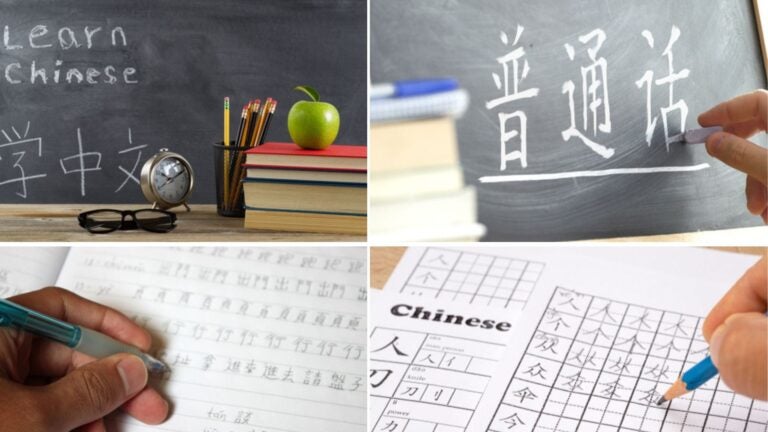
The language barrier and cultural isolation
Unlike in Europe or Southeast Asia, English is virtually nonexistent in China outside of elite business circles or heavily touristed areas.
Even simple things, like telling a barber how you want your haircut, understanding an electricity bill, or visiting the doctor, can feel impossible without a translator app on your phone.
Mandarin is a tonal language that is extremely challenging. This language barrier can lead to social isolation, where you end up sticking mostly to expat circles.
If you don’t make a real effort to learn the language, you will always feel like a bystander rather than a true part of the society.
The “Great Digital Wall” and the lack of freedom of information
As mentioned, internet restrictions are one of the biggest downsides of living in China. It’s not just about missing Netflix; essential work tools like Google Drive, Slack, and Dropbox are blocked. This forces you to rely on third-party services to bypass the censorship, which are not always reliable and can be restricted by the government during sensitive periods.
There is also strict oversight of what is shared on local social media. Privacy, as we understand it in the West, works very differently in China.
Keep in mind that chats on apps like WeChat are monitored, so you need to be mindful about what you say. For many foreigners, this can feel limiting or awkward at first.
Culture shock and social norms
Chinese culture is guided by concepts like “Mianzi” (reputation) and “Guanxi” (connections). Living in China, you’ll notice that communication is often indirect. Giving a firm “no” is considered rude, which can lead to misunderstandings at work or in rental agreements, where you might think something is settled when it really isn’t.
On top of that, everyday habits can clash with Western expectations: personal space is much smaller, crowds on public transport can be overwhelming, and the constant noise in megacities can lead to sensory fatigue.
Pollution and environmental issues
Although China is at the forefront of the shift to green energy and cities are much cleaner than they were a decade ago, air pollution remains a real issue, especially in the north, around Beijing, and during the winter months.
There are days when the Air Quality Index (AQI) reaches levels that require people to wear masks or keep air purifiers running at home.
In addition, tap water isn’t safe to drink anywhere in the country, so you’ll need to rely on bottled water or advanced filtration systems for cooking and drinking.
For those coming from countries with high environmental standards, this issue can be a constant source of concern for long-term health.
Bureaucracy and visa control
China has strict regulations, and obtaining or renewing a work visa (Z Visa) can be a complex process. It involves comprehensive medical checks and a lot of paperwork that must be certified back home.
If you plan to live in China, you should be aware that the authorities require you to register with the police every time you change your address or return from abroad.
Even minor administrative violations can complicate your stay or affect your visa renewal. Living under this constant bureaucratic scrutiny can create a subtle sense of anxiety.
Unlike other destinations where rules can be more flexible, Chinese authorities enforce the law very strictly for foreigners, leaving little room for mistakes.
As you can see, there are plenty of reasons why moving to China can be a great decision, but it also comes with significant challenges and a major cultural adjustment compared to the West. Going in with an open mind, a willingness to adapt, and a clear understanding of what to expect will make the transition much smoother.
Frequently asked questions about living in China
Even though salaries are good, moving to China requires a significant upfront investment. Most rentals in cities like Shanghai or Beijing ask for three months’ deposit plus the first month in advance. Agencies often charge a fee of 35 to 50% of one month’s rent. Between your flight, initial health insurance, and living expenses before your first paycheck, it’s wise to have a buffer of around $4,000 to $6,000. If your company does not cover relocation costs, this cushion is essential to avoid financial stress during the first month, which is usually the most expensive due to buying basic household items.
Almost never. China has mostly skipped credit cards and gone straight to mobile payments. Shops theoretically accept cash, but many do not give change and may look at you strangely. If you live in China, your first step should be opening a local bank account to use Alipay or WeChat Pay. Tourists can link foreign cards, but residents need a local account for things like transfers or paying bills. Without mobile payments, even simple tasks like getting a taxi or buying water can be tricky.
Getting started is manageable with a legitimate employer, but the process is very bureaucratic. You will need your university degree and a criminal background check, both certified and apostilled, which can take weeks back home. China also requires a full medical exam, including blood work, an ECG, and a chest X ray. Never work on a tourist or business visa expecting it to be converted later. That is illegal and can lead to immediate deportation.
Social life in China is lively but often divided. In major cities, there are entire neighborhoods, like Jing’an in Shanghai or Sanlitun in Beijing, where the expat community is huge. You’ll find book clubs, expat soccer leagues, and entrepreneur networks, making it easy to meet people from all over the world who share the experience of being “strangers in a strange land.” Connecting with locals takes more effort, but joining activities like karaoke or hot pot dinners and learning a bit of Mandarin can completely change how they perceive and treat you.
Internet speeds within China are excellent, but connections to international servers can be unreliable. If your work relies on servers in Europe or the U.S., you’ll notice higher latency. Using professional tools can be a daily challenge because the government blocks services like Dropbox and Google Drive. Many foreigners rely on VPNs to stay productive, though their legality and stability can vary depending on the political climate. That’s why having a reliable data solution from the start, such as Holafly’s eSIM, gives you a dependable way to keep your most critical international communications flowing, especially when you’re on the move.
Plans that may interest you

Hi! I'm a Spanish-English copywriter working with Holafly, helping bring travel content to life for curious travelers. As a digital nomad with a passion for exploring, I'm always adding new spots to my bucket list. If you love to travel like me, stick around because you're in the right place to find inspiration for your next trip! ✈️🌍