Language


 No results found
Living in Cape Verde as a foreigner: What is it really like
Discover what it's like to live in Cape Verde, its advantages and challenges, and the quality of life offered by this African archipelago.

If you’re dreaming of a place where life moves at a slower pace and hospitality comes naturally, Cape Verde might be just what you’re looking for. This Atlantic archipelago of ten volcanic islands blends African roots with European influences, creating a unique atmosphere that many remote workers find especially appealing. Curious about what living in Cape Verde is really like? You’re in the right place.
In this guide, we’ll cover everything you should know before making the move, from the main advantages and challenges of life in Cape Verde to the overall quality of life you can expect. We’ll also explore practical aspects like how reliable the internet is across the islands and what safety is like, take a look at the healthcare system, and introduce you to the famous Morabeza, the islanders’ warm and welcoming spirit that helps many newcomers feel at home almost instantly.
Did you know Cape Verde is considered one of the most stable and democratic countries in Africa? Stick with us to find out whether this Atlantic gem could be the next stop on your journey as a digital nomad.
Quality of life in Cape Verde
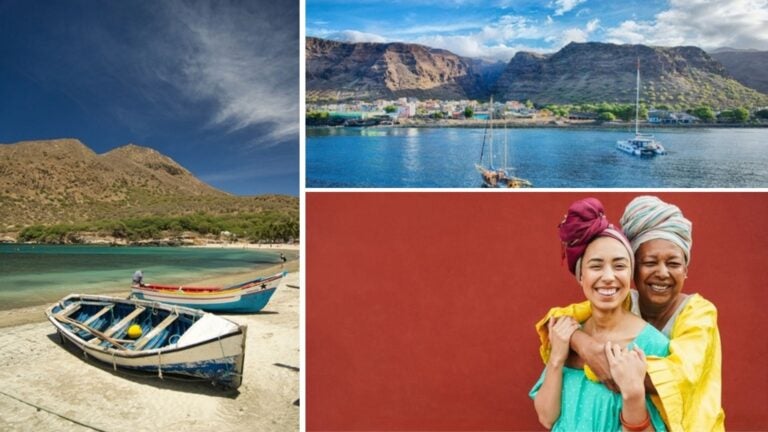
Living in Cape Verde is all about enjoying a mix of vibrant Creole culture and peaceful island life. For newcomers, quality of life is not just about the nice weather, it is also about how easy it is to settle in and enjoy the stability the country offers.
Time works differently here. Life moves at a slower pace, which can be a real blessing for anyone looking to balance work and personal life. To truly understand what living in Cape Verde is like, though, we need to break down the key aspects that shape everyday life on the islands.
Political security and stability
Cape Verde consistently ranks among the top African countries for governance. According to the Global Social Progress Index, it stands out for personal rights and freedom of expression. This strong political foundation creates a peaceful environment that visitors and newcomers notice right away.
Safety is one of Cape Verde’s strong suits. In Praia, the capital, it’s wise to be careful in certain areas at night, but serious problems are uncommon. Most expats feel secure exploring Mindelo’s historic streets or the tourist spots on Sal. The police are approachable, and people generally treat each other with respect.
The healthcare system: What you need to know
For a digital nomad arriving in a new country, healthcare is a top priority. Cape Verde’s health system has improved a lot, but it’s important to know what level of care to expect to avoid any surprises.
- Public infrastructure: Major hospitals, like Agostinho Neto in Praia and Baptista de Sousa in Mindelo, have highly trained staff, many of whom studied in Portugal or Cuba.
- Private sector: There are also modern private clinics, especially on the more touristy islands. Expats often prefer these for routine checkups, lab work, and quick diagnostics, as they usually have shorter wait times.
If you plan to use private healthcare, having good health insurance is a must. Make sure it covers emergencies, hospital stays, and medical evacuation. This is especially important because while routine issues can be handled on the islands, serious surgical emergencies are often sent to Lisbon or the Canary Islands.
Education and academic offerings
Another important consideration when moving to Cape Verde, whether alone or with your family, is education. The public system does well with basic literacy, but international schools are few and mostly concentrated in certain areas.
International schools are mostly found in Praia. They follow curricula that make it easier for students to transfer or continue their studies later in Europe or the Americas.
Although Portuguese is the official language and used in schools, Creole is what Cape Verdeans speak from the heart. Learning a few phrases can help you connect in ways Portuguese alone cannot.
Economy and salaries
Cape Verde uses the Cape Verdean Escudo (CVE), which is pegged to the Euro at about €1 = 110 CVE. This currency stability is a huge advantage for anyone earning in foreign money, as it protects against the kind of devaluations common in other emerging countries.
Living in Cape Verde is very manageable with a digital nomad income of around $1,650 per month. With that budget you would be in the upper range locally, able to rent a comfortable home, dine out often, and even hire household help.
A modern one-bedroom apartment in a good area of Praia or Santa Maria can cost around $440 to $660 a month, while on less touristy islands like São Nicolau or Santo Antão, prices are much lower.
Utilities can be quite expensive, since much of the water comes from desalination and electricity relies on imported fuel. If you use air conditioning, you should budget around $90 to $130 per month for electricity and water.
The digital revolution in the Atlantic
Although Cape Verde is geographically remote, it has kept pace with modern life. Good internet access is helping attract a growing community of remote workers.
Thanks to undersea cables like WACS and EllaLink, international connectivity is strong. In the main cities, fiber optic internet reaches homes with reliable plans, so you can work smoothly without constant interruptions.
For digital nomads and remote workers, more and more coffee shops with reliable Wi-Fi are opening in Mindelo, along with new coworking spaces in Praia. The nomad community is growing, making it easier to find support and connect with others.
If you love shopping online, Amazon and other international stores do deliver to Cape Verde, but customs fees can be high. It’s usually better to buy tech locally or bring it with you when you move.
To stay productive, staying connected is essential. Mobile network coverage is surprisingly strong, even on remote beaches, but many expats combine their home fiber connection with a reliable mobile backup for added security.
This is where services like Holafly really come in handy. When you arrive in a new country, the last thing you want is to spend hours hunting for a SIM card store and dealing with paperwork. With Holafly’s Africa eSIM, you can get online in seconds simply by scanning a QR code. Before you head to Cape Verde, check that your device works with eSIM.
Another option for staying connected is Holafly’s monthly plans. While they don’t cover Cape Verde, their global eSIM works in over 160 countries, giving you unlimited data across many destinations in Africa, Europe, Asia, and the Americas. All of this comes with a single monthly subscription that renews automatically and can be canceled anytime.
Important: If you are a frequent traveler and want to stay connected without worrying about expensive roaming or looking for a new SIM at every destination, Holafly’s subscription plans are for you. With a single eSIM, enjoy internet in more than 160 countries for a fixed price and no surprises on your bill. Travel without limits and connect easily and securely! 🚀🌍

Transportation and mobility between islands
Getting around is important for enjoying life in the islands. Cape Verde is not one single island, but a group of separate islands, each with its own character.
The fastest way to travel between the islands is by plane. BestFly, or the current carrier, links Praia, Sal, Boa Vista, and São Vicente. Tickets are cheaper for residents, so registering as one can save you a lot.
For short trips, like between São Vicente and Santo Antão, the ferry is the best option. It is affordable and offers beautiful views of the Atlantic. In the cities, shared vans called alugueres and taxis are the main forms of transport.
Living on the main islands makes having a car essential, because public transportation outside the cities is limited.
Climate and natural environment
The climate is definitely one of the biggest boosts to quality of life in Cape Verde. Like other sunny destinations, you can expect almost constant sunshine.
Temperatures in Cape Verde usually stay between 22°C and 28°C year round. Winters are mild, making it easy to enjoy an active, outdoor lifestyle. In other words, the weather feels like endless spring.
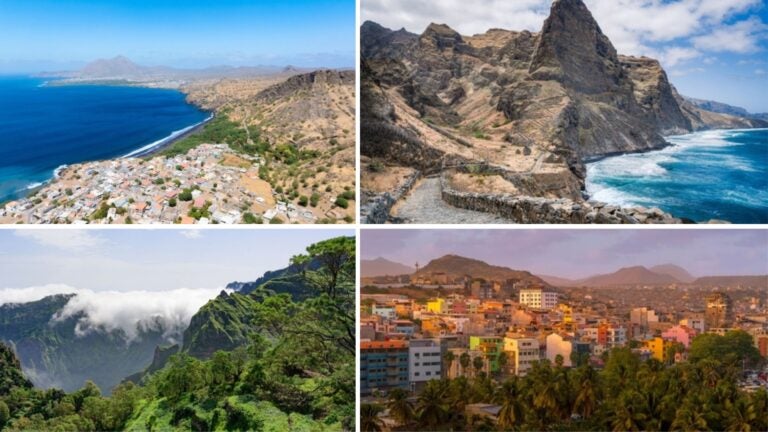
If you love photography, Cape Verde’s volcanic landscapes will be a dream. It’s also perfect for outdoor activities. From the endless dunes of Boa Vista to the lush mountains of Santo Antão, the islands invite hiking, water sports, and plenty of adventure.
It all sounds amazing, but keep in mind that at certain times of the year, the Harmattan wind blows dust from the Sahara. It’s similar to the haze in the Canary Islands and can affect people with respiratory sensitivities or reduce visibility at airports.
Advantages of living in Cape Verde as a foreigner
Just like in other sunny destinations, the environment plays a key role in your well being. Cape Verde offers a mix of lifestyle and cultural benefits that make it a perfect spot for remote workers.
Below, we outline the most positive aspects of choosing this archipelago as your home.
Morabeza: A unique sense of community
Cape Verdean hospitality, known as Morabeza, is more than just a friendly greeting. Like the long-standing traditions of Cypriot hospitality, Morabeza is a way of life focused on making others feel completely at home.
One of the first things you’ll notice is that, unlike in many places where expats stick to their own circles, people in Cape Verde are very social and welcoming. Neighbors often lend a hand with errands or invite you over for a meal just out of kindness.
Cape Verde also has a strong multicultural vibe. The islands attract people from all over the world, creating a vibrant and diverse international community.
No stress lifestyle
If your goal is to get away from the fast pace of city life, Cape Verde provides an ideal environment. The “No Stress” way of life is real here and can genuinely improve your overall health and well being.
Life on the islands is more about enjoying your days than being tied to work, which helps keep stress levels low. With the pleasant sunny weather, it’s easy to spend time outside, whether strolling along the beach or exploring the hills on a hike.
There’s also a growing range of healthy activities, from beach yoga to water sports that keep you active. Living in Cape Verde lets you work remotely for a few hours and then truly unwind in an enviable setting.
Safety and social peace
Cape Verde stands out as one of the safest countries in the region, with low crime rates that make for a peaceful life. Violent crime is rare, so you can walk the streets calmly, even at night.
A safe environment makes Cape Verde especially appealing for families and women traveling or living alone. Its strong democratic system also supports a peaceful society, where daily life is calm and free from major social unrest.
Competitive cost of living
Living in Cape Verde is generally much more affordable than in most countries in the European Union or North America.
Outside the main tourist areas, you can find modern housing at prices far lower than in European capitals. Eating well is also affordable. The local Mediterranean style diet, centered on fresh fish and seasonal produce, is inexpensive when you shop at local markets.
On the other hand, despite being an island, broadband and fiber optic internet access costs are proportional to the quality of life it offers.
Benefits for remote workers
The government recognizes the value of digital nomads and has created facilities to make their stay easier.
One option is the digital nomad visa. There’s a specific program with clear requirements that makes it easier for remote workers to live in the country legally for a temporary period.
More coworking spaces and cafés with fast internet are popping up for digital professionals, making it much easier to connect and network with other remote workers.
Finally, the archipelago has good air and digital connections, allowing you to stay connected to the world easily.
Disadvantages of living in Cape Verde as a foreigner
While we have already seen that there are many advantages to living in Cape Verde, moving to an island also means accepting certain limitations.
Bureaucracy and slow procedures
Like in other countries with a laid-back lifestyle, public administration can be slow. While the country is moving toward digital services, some processes still take a lot of patience.
For example, getting permanent residency or certain work permits can take longer than expected and may involve several trips to government offices. The same goes for opening a bank account or setting up basic services. These processes often require in-person visits and a pace that feels much slower than what you might be used to in Europe or North America.
Ultimately, the concept of “No Stress” sometimes carries over into the office, where deadlines are not always strictly adhered to.
Limited local job market
If your plan isn’t to work remotely but to find a job locally, opportunities are limited. Most positions are in tourism, construction, or essential services.
Although Portuguese is the official language, Creole is commonly used in daily business. Not speaking the local language can make it much harder to fit into the professional environment.
Wages for non-specialized jobs are low compared to international standards, making it hard to maintain an expat lifestyle if you rely solely on a local paycheck.
Import costs and product shortages
Living on islands that import most of what they use affects both your budget and what is available. Everyday items like cheese, meat, electronics, or furniture have to be brought in, which makes them more expensive.
Sometimes products can be missing from stores for weeks due to shipping delays. So even though living costs are generally reasonable, imported European goods or specialty items can be far pricier than in your home country.
Expensive and variable inter-island transportation
Getting around the ten islands of the archipelago isn’t always easy or cheap. Relying on a single airline for domestic flights often means high prices and frequent cancellations, especially when weather conditions like Sahara dust come into play.
When it comes to sea travel, ferries are available, but trips can take a long time, and rough Atlantic waters can be challenging for anyone prone to seasickness.
Finally, remember that some islands can feel quite isolated. Living on smaller islands like Santo Antão or Brava may make it harder to stay connected with the rest of the country if transport services are unreliable.
Limitations in the specialized healthcare system
As we mentioned earlier, primary care is functional. However, Cape Verde still faces challenges in highly complex medicine.
For some cancer treatments, complex surgeries, or specialized diagnoses, local facilities may not be enough. In serious emergencies, patients are often transferred to Portugal or the Canary Islands, which can be extremely expensive without international health insurance.
Another important consideration is water quality. In some areas, tap water isn’t safe to drink due to high salinity or strong taste, so you’ll need to rely on bottled water or use advanced filtration systems.
Frequently asked questions about living in Cape Verde
The official language is Portuguese, used in government, schools, and the media. But the language you’ll hear most on the streets is Cape Verdean Creole. In tourist areas like Sal or Boa Vista, and in professional circles in Praia, English and French are fairly common. Still, learning a few basic Creole phrases is the best way to connect with locals.
Yes, Cape Verde has launched the Remote Working Cabo Verde program, tailored for digital nomads and freelancers. This permit allows you to live in the country legally for six months, with the option to extend, as long as you can prove income from abroad. Similar to other countries in Europe, citizens from many Western nations can enter as tourists and then arrange their legal status without too much hassle.
Thanks to undersea fiber optic cables, internet connectivity has come a long way. In major cities, speeds of 50 to 100 Mbps are common. Still, it’s always a good idea to have a backup solution. A Holafly eSIM ensures you have data from the moment you arrive, so you’re not relying solely on hotel or rental Wi-Fi.
Although cheaper than Europe or North America, costs in Cape Verde vary depending on your lifestyle. A comfortable monthly budget for one person is usually around $1,000 to $1,550. This covers rent for a modern apartment ($440–660), utilities, food, and some leisure. Keep in mind that imported supermarket items can be as expensive as in Spain or Portugal.
The choice depends on what you are looking for:
– Santiago (Praia): Perfect if you are looking for a more urban environment, better administrative services, and a business community.
– São Vicente (Mindelo): This is the cultural capital, perfect if you enjoy art, live music, and a bohemian atmosphere.
– Sal or Boa Vista: These are the favorites for those seeking incredible beaches and a purely vacation-oriented environment with developed tourist infrastructure.
Plans that may interest you


Hi! I'm a Spanish-English translator working with Holafly, helping bring travel content to life for curious travelers. As a digital nomad with a passion for exploring, I'm always adding new spots to my bucket list. If you love to travel like me, stick around because you're in the right place to find inspiration for your next trip! ✈️🌍