







 Language


 No results found
Living in Berlin as a foreigner: What is it really like?
Would you like to know what living in Berlin is like as a foreigner? We’ll answer your questions in this practical guide.

If you are thinking about living in Berlin but are not sure what life in the German capital is really like, this article covers everything you should know before moving there. It explains how the city works and what you can expect day to day in Germany’s largest city, known for its government institutions, historic landmarks, museums, and the iconic Berlin Wall. But what is it actually like to live there?
In this blog, we will look at how key aspects of life work when moving to a new city as a foreigner, including education, healthcare, the safest areas to live, and what the economy is like along with typical salaries. We will also explore whether the city is well equipped for remote work, with strong technology and reliable internet. Finally, we will go over the main advantages and disadvantages so you can get a clear overall picture of what this German city has to offer.
Quality of life in Berlin
This city regularly ranks among the top European capitals to live in thanks to its strong public services, career opportunities, and overall safety. Living in Berlin allows you to enjoy a solid quality of life compared to other nearby cities with a higher cost of living such as London, Zurich, or Paris.
Study in Berlin
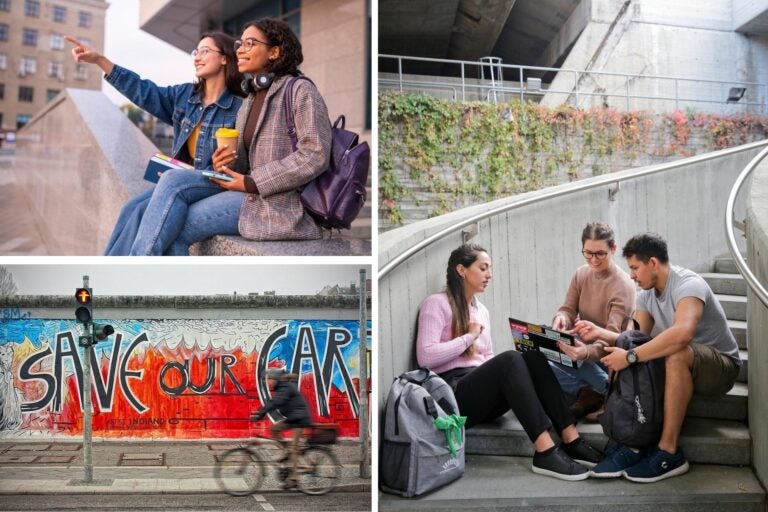
According to the OECD, Germany is one of the top-rated countries for education, and Berlin is home to some of the most prestigious public universities in the country. The city also offers a wide range of bilingual schools and international programs geared toward expat families. If you’re interested in spending an academic year in Germany as a student, you can apply to one of these institutions:
- Humboldt-Universität zu Berlin: One of the oldest universities in Germany, it is renowned for its focus on research, humanities, and social sciences, and has been attended by numerous Nobel Prize winners.
- Freie Universität Berlin: It is very popular with international students thanks to its English-taught programs, especially in political science, international relations, and European studies.
- Technische Universität Berlin (TU Berlin): A leader in engineering, technology, and innovation, with strong ties to startups and technology companies.
Access the healthcare system
One important thing to know about living in Berlin is how healthcare works for foreigners. Public healthcare isn’t free, and everyone living in the city must have insurance that covers most medical costs. For this reason, all newcomers are required to have a health insurance plan:
- Public health insurance (GKV): It is required for most salaried employees, students, and anyone earning less than $91,725 per year. This insurance provides comprehensive coverage, including doctor visits, hospital stays, and medical treatments, with a contribution of around 14.6% of your salary.
- Private health insurance: For freelancers, digital nomads, self-employed individuals, high-income employees, and international students who meet certain requirements.
On the other hand, Germany’s healthcare system ranks very high on the Global Social Progress Index, with hospitals recognized both nationally and internationally, including:
- Charité – Universitätsmedizin Berlin: One of Europe’s most prestigious university hospitals, a leader in medical research and specialized care.
- Vivantes Netzwerk: Germany’s largest public hospital network, with facilities located throughout the city.
Discover the safest neighborhoods
Safety is also a key factor when considering a move to Berlin. According to the latest Mercer Quality of Living data, the city stands out for its low crime rates and its quiet, well-connected residential areas. As in any city, it’s important to research before choosing where to live. Here are some of our recommended neighborhoods:
- Charlottenburg-Wilmersdorf: An elegant, quiet, and well-connected neighborhood, ideal for families and professionals seeking comfort and high-quality amenities.
- Prenzlauer Berg: Very popular among expats, with a youthful vibe, green spaces, cafés, and a strong sense of community.
- Friedrichshain and Kreuzberg: More alternative and multicultural, perfect for those seeking a vibrant social scene, culture, and diversity.
Economy and wages
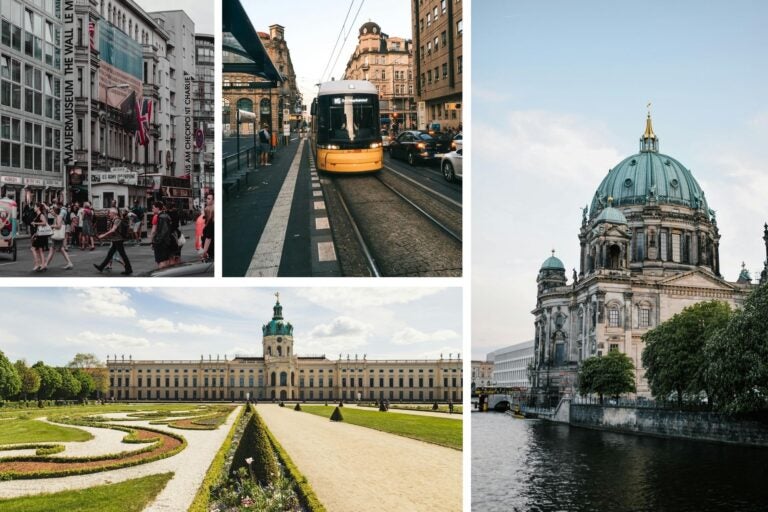
Although Berlin isn’t Germany’s main financial hub, it has become one of the country’s key centers for creativity, technology, and culture. Since reunification, the city has reinvented itself, and today its economy is driven by industry, the public sector, startups, and services. Here are the city’s main industries:
- Technology and startups: Berlin is one of Europe’s leading tech hubs, with a strong presence in software, fintech, e-commerce, AI, and the gaming industry.
- Creative industries: Design, music, film, fashion, advertising, and art play a major role in the city and attract international talent.
- Research and science: Universities, research centers, and companies involved in scientific innovation generate a significant number of skilled jobs.
- Tourism and services: Hotels, restaurants, cultural events, and leisure activities remain an important part of the local economy.
- Public administration and NGOs: As the nation’s capital, Berlin is home to numerous ministries, embassies, and international organizations.
As of January 1, 2026, the minimum gross hourly wage in Berlin is $16.47 for most employees, including foreigners. While slightly lower than in some other European cities, it still allows for a good balance between earnings and quality of life.
Stay connected
If you plan to live in Berlin as a digital nomad or student and need a reliable internet connection, the city has strong infrastructure across most areas and coworking spaces, especially in central neighborhoods. The main providers offer speeds that are more than enough for remote work or streaming, with widespread 4G coverage and 5G gradually expanding. The top providers are Deutsche Telekom, Vodafone, and O2, with approximate pricing as follows:
- 20–40 GB plan: With unlimited calls, starting at $23–35 per month.
- 6–12 GB plans: Starting at $10–17 per month.
- Unlimited data plans: Starting at $35–47 per month.
For even better connectivity, you can get Holafly’s monthly plans, which provide 5G coverage across Germany, 25 GB or unlimited data, and the ability to connect two devices at the same time starting at $49.90 per month with no contract. You can also travel to over 170 destinations without changing your eSIM or plan. If your stay is short, Holafly offers a Berlin eSIM with unlimited data for a few days, starting at just $3.90 per day.
Important: If you are a frequent traveler and want to stay connected without worrying about expensive roaming or looking for a new SIM at every destination, Holafly’s subscription plans are for you. With a single eSIM, enjoy internet in more than 160 countries for a fixed price and no surprises on your bill. Travel without limits and connect easily and securely! 🚀🌍
5 advantages of living in Berlin
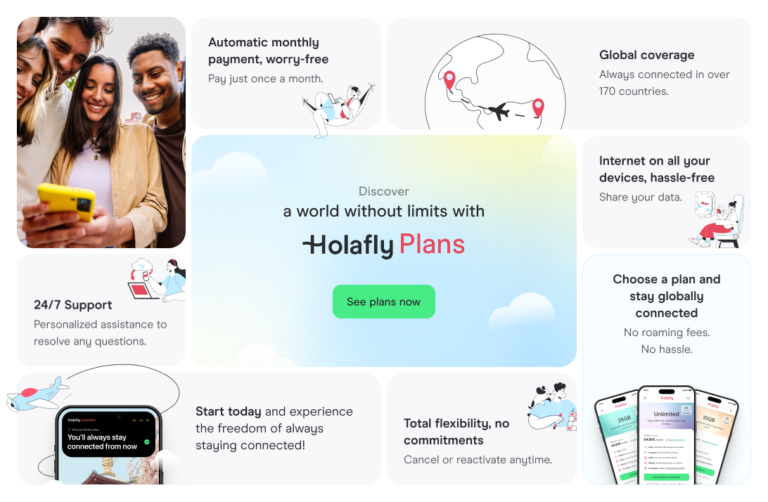
Still unsure about living in Berlin? To help you decide, let’s go over the benefits this city offers. Beyond everything we’ve covered so far, its open, flexible, and international lifestyle is a major plus for anyone moving here as a foreigner. Here are some of the main advantages:
- A multicultural city: Over a third of its residents are foreigners, so it’s easier to feel at home, even if you don’t speak German.
- Alternative culture: Berlin is known for its open and tolerant mindset, embracing diverse lifestyles, cultures, and forms of artistic expression without judgment. It’s a place where it’s easier to be yourself without the social pressures you might find in other cities.
- Wide range of cultural and recreational activities: You’ll never run out of things to do thanks to the city’s vibrant cultural scene, from music, film, and art festivals to museums, galleries, theater, and alternative events throughout the year, such as Berlin Music Week, Love Parade, Berlinale, and Karneval der Kulturen.
- Green spaces: You’ll find plenty of green spaces to relax or stay active, from Tiergarten and Tempelhofer Feld to Treptower Park, perfect for a walk, some outdoor exercise, or just enjoying a break in nature.
- Great location: You can easily travel to other European capitals by plane at low cost, visit neighboring countries like Poland, the Czech Republic, or Denmark, and explore other German cities by train or bus.

5 disadvantages of living in Berlin as a foreigner
Now let’s go over some of the challenges of living in Berlin. Knowing these can help you understand the situations that might be tricky and give you a full view of the city’s pros and cons.
- Cost of housing: Rent prices in Berlin have risen significantly in recent years. While they’re still lower than in cities like London or Zurich, finding an apartment in the city center can be highly competitive.
- Slow bureaucracy: Germany is known for its strict bureaucracy, and Berlin is no exception. Administrative processes, like registering at the city hall or opening a bank account, can often be slow and time-consuming.
- Cold climate: Berlin has a damp climate, with cold winters and short, gray days. If you’re coming from a warmer, sunnier country, this can take some getting used to and may leave you feeling a bit of seasonal fatigue at first.
- Language barriers: While English is widely spoken in many industries, knowing German is essential if you want to work for a local company and fully immerse yourself in the culture. Keep in mind that German takes time and practice to master.
- Public transportation during rush hour: During peak hours, public transport often becomes very crowded, so keep this in mind if you rely on it to get to work or university.
Frequently asked questions about living in Berlin
Although rent can be expensive, Berlin is still more affordable than cities like London, Paris, or Zurich. Overall, it offers a good balance between cost of living and quality of life.
It depends on the field you want to work in. In areas like tech or higher education, English is often enough, but for customer-facing roles, you’ll usually need at least an intermediate level of German.
Yes, especially in fields like digital marketing, tourism, hospitality, research, and tech. Salaries vary depending on experience and your level of German, but there are plenty of opportunities for international talent.
Overall, Berlin is a fairly safe city, although some areas are quieter than others. Neighborhoods like Charlottenburg-Wilmersdorf, Prenzlauer Berg, and Mitte are popular choices thanks to their safety and well-developed amenities.
Berlin has a vibrant international community and plenty of events where you can meet people from around the world, but it does take some effort. Joining a German language school or other workshops is a great way to connect with others in a similar situation.
Plans that may interest you

Hi! I'm a Spanish-English translator working with Holafly, helping bring travel content to life for curious travelers. As a digital nomad with a passion for exploring, I'm always adding new spots to my bucket list. If you love to travel like me, stick around because you're in the right place to find inspiration for your next trip! ✈️🌍
