




 Language
Living in Almería as a foreigner: What is it really like?
Find out what living in Almería is like, a peaceful city with a lower cost of living than other Spanish cities.

If you’re thinking about spending some time living in Almería, whether as a long term traveler, digital nomad, student, or even for retirement, this article gives you an idea of what life there is really like. Located in the southeast of Spain, the city offers a pleasant Mediterranean climate year round, easy access to beaches, beautiful natural parks, and a relatively affordable cost of living compared to other Spanish cities.
Before making a move, it’s important to think about the basics that affect everyday life, like access to healthcare, the quality of schools, how safe the area is, and what kind of job opportunities are available. Here, we walk you through what to expect from life in Almería, covering both the benefits and the possible downsides so you can decide with confidence.
Quality of life in Almería
Life in Almería tends to be quite appealing, especially thanks to its great weather, sense of safety, and a cost of living that is generally lower than in places like Madrid, Barcelona, or Valencia. While it may not offer the same career opportunities as larger cities, it does provide a calm and comfortable place to settle down. According to wellbeing studies from organizations such as the OECD, Mercer, and the Social Progress Index, cities like Almería score well in terms of overall quality of life.
Almería’s education system
Education in Almería follows Spain’s public and private system, with free, good quality schooling from primary to secondary, though the range of options is smaller than in bigger cities. If you plan to attend university, you’ll need an acceptance letter and a student visa from the Spanish embassy in your home country to stay there while studying.
The city is home to just one university, the University of Almería, founded in 1993. It offers over 38 undergraduate degrees, around 50 master’s programs, and various doctoral options across different fields, all aligned with the European Higher Education Area. It also runs exchange programs like Erasmus Programme and has partnerships with universities abroad.
Safety
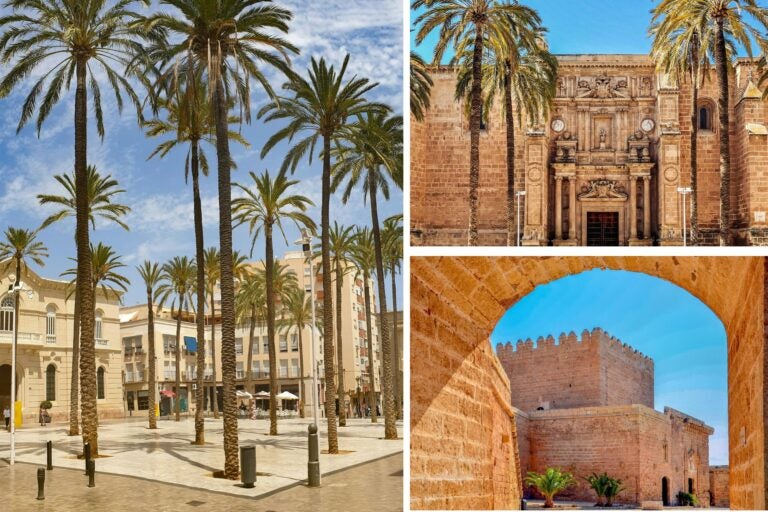
One of the biggest advantages of living in Almería is its safe and laid back atmosphere, with relatively low crime rates compared to other cities in the country, according to data from the Ministry of the Interior. Most neighborhoods are considered safe to live in, especially in residential and coastal areas. Here are some of the most recommended areas to live:
- Nueva Almería: A modern, residential neighborhood near the beach with wide avenues.
- Vega de Acá: One of the city’s neighborhoods with the highest quality of life, featuring new buildings, a family-friendly atmosphere, and proximity to the boardwalk.
- Cortijo Grande: An established neighborhood with good public transportation, parks, schools, shops, and a residential atmosphere.
- Downtown: An area with plenty of amenities, such as restaurants, shops, and entertainment options, well-lit streets, and close to offices and public transportation.
Healthcare system
Healthcare in Almería is part of Spain’s public health system, which is widely regarded as one of the best in the world according to studies from the OECD. You can access it if you’re working and contributing to social security, or, if you’re an EU citizen, by applying for a European Health Insurance Card in your home country. Some non EU residents choose private health insurance instead, which also gives access to private clinics with shorter waiting times. If you need medical care while living in Almería, you’ll be able to go to:
- Torrecárdenas University Hospital: The city’s largest and most renowned hospital, offering a wide range of medical specialties.
- HLA Hospital Mediterráneo: A private hospital with modern facilities and advanced technology. It features diagnostic and cardiac catheterization units.
- El Toyo High-Resolution Hospital: A small public hospital designed to handle outpatient visits and diagnostic tests, thereby reducing waiting lists.
Economy and wages
If you’re planning to live in Almería and work locally, the job market is mainly driven by intensive agriculture, tourism, retail, and the service sector. In recent years, areas like international trade, logistics, and agri-tech have also been growing. Salaries tend to be lower than in Spain’s larger cities, but so is the cost of living, which often helps balance out income and expenses.
The average salary in the province of Almería ranges from about $1,376 to $1,834 per month in many service sector jobs. For more skilled or technical roles, earnings can go above $2,293 a month. The most common jobs for foreigners include:
- Agricultural workers
- Agricultural engineers
- Logistics and export staff
- Hotel staff
- Waiters and bartenders
- Tour guides
Internet connection quality in Almería
Many foreigners who move to Almería work remotely for international companies as digital nomads, so good internet is a key factor. In general, the connection is fast and reliable, especially in the city centre and coastal urban areas, with average speeds between 300 Mbps and 1 Gbps. The main providers are Movistar, Vodafone, Orange, and MásMóvil, offering fibre optic internet along with mobile and combined internet and TV packages.
However, while coverage is generally strong in the city and nearby towns like Roquetas de Mar, El Ejido, and Níjar, it can be more limited in rural areas and parts of the Cabo de Gata-Níjar Natural Park. If you want to work remotely or study online from anywhere in Almería without worrying about dropouts, Holafly is a good option.
With Holafly monthly plans, you can choose between 25 GB or unlimited data and enjoy stable, secure 5G coverage starting from $49.90 per month with no contracts. You can also use the same eSIM in over 160 destinations without changing plans, which is ideal if you’re travelling around Europe. For shorter trips, there’s also a Spain eSIM option with unlimited daily data from $3.90, so you only pay for what you need.

5 advantages of living in Almería
If you’re still on the fence about moving to Almería, here’s a quick look at what makes the city stand out. We’ve already mentioned some of its key strengths, like how safe it is and how affordable it tends to be compared to most Spanish cities. Others come down to its weather and natural surroundings. Curious to learn more?
- Sunny weather all year round: The city enjoys more than 300 days of sunshine a year, with mild winters and warm summers, making it easy to enjoy outdoor activities all year round. If you’re coming from a colder country, you’ll really appreciate the difference.
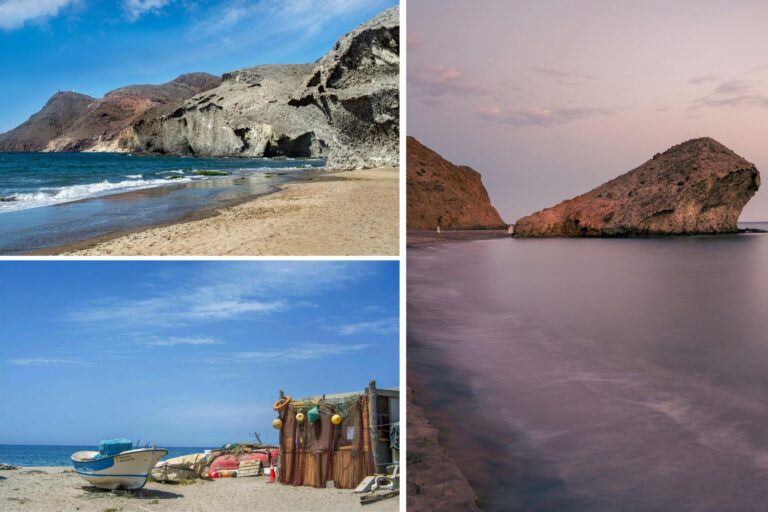
- Nature and beaches: One of its best known spots is the Cabo de Gata-Níjar Natural Park, famous for its untouched beaches, crystal clear coves, and volcanic landscapes. Some of the most popular beaches there include Los Genoveses, Playa de los Muertos, and Cala de San Pedro.
- A natural setting for film shoots: If you’re into film, you can explore spots that have served as filming locations for well known movies, like the Tabernas Desert, which was used for countless Westerns and even productions starring actors such as Clint Eastwood and Harrison Ford in Indiana Jones. At the Oasys MiniHollywood theme park, you can also see live reenactments of classic Wild West scenes.
- Lower cost of living: Living in Almería is much more affordable than in cities like Madrid or Barcelona, where rents can start from around $688 per month, meaning you can still enjoy a good quality of life on a modest salary.
- Excellent Mediterranean cuisine: Typical dishes include gurullos with rabbit, Almerían migas, and fresh Mediterranean seafood. It’s also very common here to get a free tapa with your drink.
Disadvantages of living in Almería as a foreigner
While the benefits we’ve covered are certainly attractive, living in Almería also comes with a few limitations you should be aware of. These can have an impact on your day-to-day life and career, so it’s helpful to know about them beforehand in order to plan and adapt more smoothly. Here are some of the main disadvantages:
- Limited job market: Since the local economy is mainly driven by agriculture, tourism, and services, job opportunities in other fields like tech or finance can be more limited if that’s what you’re looking for.
- Inadequate public transportation: There are city buses connecting the main neighbourhoods, but there’s no metro or tram system, so having a car is usually the most convenient way to get around.
- Very hot summers: In July and August, temperatures often rise above 35°C, which can feel pretty intense if you’re not used to it or don’t have air conditioning.
- Fewer cultural activities: While the city does have cultural venues such as the Alcazaba of Almería, the Almería Museum, and the Cervantes Theatre, it hosts fewer international concerts, major exhibitions, and large cultural events compared to bigger cities.
Frequently asked questions about living in Almería
Yes, it’s generally regarded as one of the safest cities to live in in Andalusia. Crime levels are low, and in most residential neighbourhoods you can go about your day with peace of mind. That said, like in any city, it’s still wise to take basic precautions and keep an eye on your belongings.
The cost of living in Almería is lower than in cities like Madrid, Barcelona, or Valencia, especially when it comes to rent, food, and transport. You can find apartments in the city starting from around $688 per month, which is almost half the price you’d pay in other destinations.
If you choose to live in Almería and work for a local company, you’ll mainly find opportunities in agriculture, tourism, and the service sector. You could also work remotely as a digital nomad.
You can enjoy its beaches and hidden coves, try water sports, go hiking in the Cabo de Gata-Níjar Natural Park, or visit the Tabernas Desert. There are also cinemas, theatres, and local festivals throughout the year.
Of course, you can explore charming villages like Níjar, Mojácar, or Albox, and enjoy outdoor activities such as hiking, mountain biking, and other nature based adventures.
Plans that may interest you


Hi! I'm a Spanish-English copywriter working with Holafly, helping bring travel content to life for curious travelers. As a digital nomad with a passion for exploring, I'm always adding new spots to my bucket list. If you love to travel like me, stick around because you're in the right place to find inspiration for your next trip! ✈️🌍