







 Language


 No results found
Which are the best neighborhoods to stay in Tokyo?
Discover the best neighborhoods to stay in Tokyo: safe areas with an excellent quality of life for students and digital nomads.

Living in Tokyo is a unique experience, where ancient temples meet futuristic skyscrapers and calm moments coexist with endless energy. Exploring the best neighborhoods to stay in Tokyo uncovers everything from peaceful residential streets to vibrant districts full of lights, cafés, and coworking spaces.
In this guide, we’ll explore the best neighborhoods to live in Tokyo, whether you’re coming to study, work as a digital nomad, or simply spend some time enjoying the Japanese capital. By the end, you’ll have a clear idea of which area suits you best and where to start looking for your new home in this incredible city.
The 5 best neighborhoods to live in Tokyo
Tokyo is a huge and incredibly varied city, where every neighborhood has its own personality and lifestyle. To make your choice easier, we have selected five of the best areas to live in Tokyo, neighborhoods known for their livability, great locations, and a balance between everyday comfort and authentic local charm.
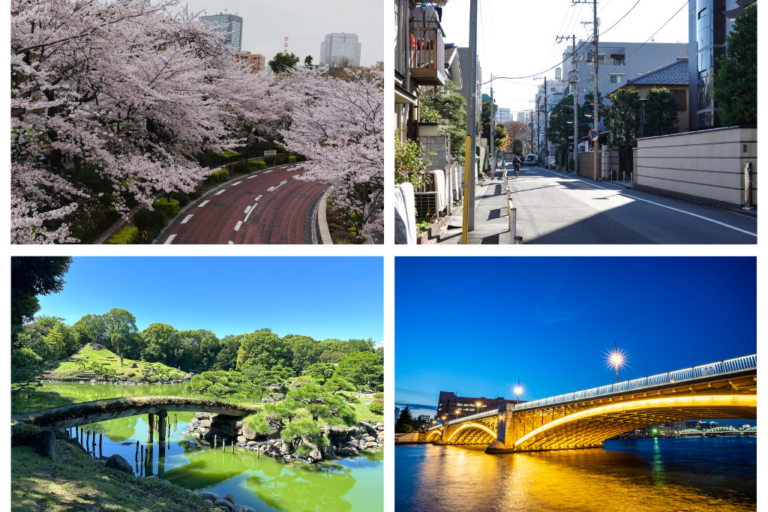
1. Ebisu (Shibuya)
Living in Ebisu means enjoying the city without dealing with its chaos. Just one stop from Shibuya, it offers clean streets, a calm atmosphere, and everything you need within walking distance. Its location is one of the best in Tokyo. From Ebisu Station, you can easily get around on the JR Yamanote Line or the Hibiya subway line, reaching areas like Roppongi, Shinjuku, and Meguro in minutes. That makes it an excellent choice whether you work in an office or remotely and value easy mobility.
The neighborhood also stands out for its refined yet laid back feel. Around Ebisu Garden Place, a modern complex with cinemas, shops, restaurants, and city view terraces, you’ll find some of Tokyo’s most interesting dining options. In the evenings, the streets glow with soft lights and fill with a mix of expats, young professionals, and locals unwinding after work.
It also offers an excellent quality of life:
- Prestigious hospitals and clinics, such as Hiroo Hospital, less than 10 minutes away.
- International schools and bilingual nurseries, ideal for families.
- Well-planned streets with good lighting, cleanliness, and safety.
- Fast internet and several coworking options or quiet cafés to work in.
While living here comes at a slightly higher price, the setting more than makes up for it. Ebisu blends the convenience and amenities of central Tokyo with a calm, modern atmosphere. It is definitely one of those neighborhoods where daily life simply feels easy.
2. Kichijōji (Musashino)
Kichijōji is just a 15 minute train ride from Shinjuku or Shibuya, yet it feels worlds apart. The pace is slower, the streets are quieter, the air feels fresher, and there is a sense that time moves a little more gently here.
Inokashira Park lies at the center of the neighborhood, offering a green retreat with lakes, old trees, and paths perfect for strolls, picnics, or just a break from city life. Living nearby brings cleaner air, lowers stress, and creates a healthier atmosphere, an especially valuable perk in a busy city like Tokyo.
Infrastructure is another of its strengths:
- Safe, well-lit streets with a very low crime rate.
- Top-notch basic services and hospitals, such as Seikeikai Chuo Hospital.
- A wide range of educational options, from daycare centers to bilingual schools and high schools.
When it comes to the social scene, Kichijōji offers the best of both worlds: modern shops, charming small cafés, traditional izakayas, and a lively local community that hosts markets, concerts, and outdoor fairs. This strong sense of community gives the area more of a neighborhood feel than that of a sprawling city.
3. Daikanyama (Shibuya)
Living in Daikanyama feels like discovering an oasis in the heart of the world’s largest city. Just a short walk from Shibuya, this compact neighborhood features tree lined streets, modern architecture, and a calm atmosphere that gives it the charm of an upscale village within the bustling city.
One of the things that makes Daikanyama so appealing is its layout. With wide sidewalks, light traffic, and a pedestrian friendly atmosphere, it’s easy to get around on foot or by bike. The lower levels of noise and light compared to surrounding areas help create a calmer, healthier way of living.
In terms of services and lifestyle, Daikanyama stands out for its sophisticated atmosphere:
- Designer boutiques, signature stores, and minimalist cafés.
- The Daikanyama T-Site complex, a cultural space with bookstores, coworking spaces, and restaurants, is a meeting point for locals and expats.
- Small but well-maintained green areas and tree-lined streets improve air quality and temperature.
Daikanyama is a safe and clean neighborhood with a low population density, featuring mostly mid to high end apartments and modern studio apartments. Though living costs are on the higher side, it provides a lifestyle that is hard to beat, with quiet streets, convenient access to amenities, and a welcoming international community.
4. Setagaya (particularly Futako-Tamagawa)
Living in Setagaya, especially in Futako Tamagawa, means opting for a calmer pace without leaving Tokyo. It is a green, clean, and safe area, ideal for families or anyone looking for a more relaxed environment while still enjoying the conveniences of city life.
The neighborhood is full of parks and bike paths along the Tama River, where people go for runs, strolls, or just to enjoy the fresh air. The urban design is modern and well organized, with wide streets, light traffic, and bright homes that blend seamlessly with the natural surroundings.
In practical terms, everything you need is close at hand: the Futako Tamagawa Rise shopping complex, highly rated schools and daycare centers, clinics, and supermarkets. Plus, the train gets you to Shibuya in under 15 minutes, making commuting for work or study easy.
Although the cost of living is slightly higher, the lifestyle makes it worth it. Setagaya offers something rare in Tokyo: space, tranquility, and a strong sense of community, all in a setting where nature and city life coexist in harmony.
5. Nakameguro (Meguro)
Living in Nakameguro means being in one of Tokyo’s most charming and vibrant neighborhoods. Its main attraction is the Meguro River, lined with hundreds of cherry trees that bloom pink each spring, bringing the streets to life. Beyond this famous scenery, the area maintains a creative and relaxed energy throughout the year.
The area offers excellent transport links: from Nakameguro Station, you can reach Shibuya in just three minutes or Yokohama in under half an hour. The Tokyu Toyoko Line and Hibiya subway line connect it seamlessly to the city’s main work, study, and entertainment districts.
The neighborhood is a model of urban planning, with wide streets, shaded sidewalks, moderate traffic, and a well maintained aesthetic. Even in the heart of Tokyo, it feels calm, with low noise levels and green spaces along the river that help keep the air fresh.
In terms of services, Nakameguro has all the essentials without losing its local flavor:
- Small shops and specialty cafés, perfect for working or unwinding.
- Supermarkets, clinics, and pharmacies within walking distance.
- Highly rated schools and nurseries, as well as international academies nearby in Meguro and Shibuya.
- Good digital connectivity and several coworking spaces.
While living costs are relatively high, the neighborhood’s environment makes it worth it. It is safe, tidy, and has a well balanced vibe, offering something between the upscale feel of Daikanyama and the energy of Shibuya.
The best neighborhoods to live as a digital nomad in Tokyo
Tokyo is designed for those who work from anywhere, with fast internet, cafés with Wi-Fi on every corner, and neighborhoods full of character. Here are some of the best areas to live as a digital nomad in Tokyo, where you can balance work, social life, and well being without missing out on the city’s vibrant energy.
Kiyosumi-Shirakawa (Kōtō)
If you work remotely and enjoy a relaxed, creative atmosphere, this neighborhood is an excellent pick. Famous as Tokyo’s coffee district, it’s full of specialty cafés, art galleries, and peaceful spots like Kiyosumi Garden and the Museum of Contemporary Art Tokyo. With the Hanzomon and Oedo lines, getting to the city center is quick, and the station even has work booths for calls or focused work sessions.
Why it works for nomads:
- Quiet cafés and a creative scene for alternating between work and walks.
- Green spaces that slow down the pace (traditional garden 3–5 minutes from the station).
- Convenient connectivity and micro-coworking spaces at the station itself.
Kuramae (Taitō)
Known as the “maker” district, this neighborhood is filled with artisan workshops, design stores, and cafés with a handcrafted feel. Quieter and often more budget friendly than Asakusa, it is still within walking distance of the river and well linked by the Asakusa and Oedo lines. There are social hostels and roomy cafés for work, plus coworking spaces like BIZcircle and BIZcomfort just a short walk from the station.
Why it works for nomads:
- Creative and local community, ideal for informal networking.
- 24/7 coworking spaces near the station; good value for money.
- Cafés and hybrid spaces (hostel-bar type) that make it easy to meet people.
Jiyūgaoka (Meguro/Setagaya)
A residential and charming neighborhood with a very walkable, European feel that many people look for when choosing a place to live. Just 10 to 12 minutes from Shibuya on the Toyoko and Oimachi lines, it blends boutiques, bakeries, and quiet cafés with coworking options like NewWork Jiyugaoka. The streets are tree lined, the area is safe, and everything feels perfectly manageable on a human scale.
Why it works for nomads:
- Relaxed pace to help you concentrate, but close to the center.
- Good mix of cafés + coworking spaces without crowds.
- Desirable neighborhood to live in due to its aesthetics and quality of everyday services.
Stay connected with Holafly’s plans
Being well connected is essential for any digital nomad, and in a fast paced city like Tokyo, a reliable internet connection can be the difference between a productive day and a wasted one. While public Wi Fi is common in cafés and coworking spaces, relying on it alone can be risky if you move around a lot or work from multiple locations.
A practical solution is to get a Holafly eSIM for Tokyo, giving you unlimited internet from the moment you land, without having to change your physical SIM or look for local SIM cards. Holafly’s monthly plans also make it easy to stay online if you visit other countries in Asia during your stay.
The best neighborhoods to live in as a student in Tokyo
Studying in Tokyo is a one of a kind experience, but where you choose to live can shape how much you get out of university life. Here are some of the best neighborhoods for students, offering safety, good transport links, and all the essentials to help you study, meet people, and enjoy life in the city.
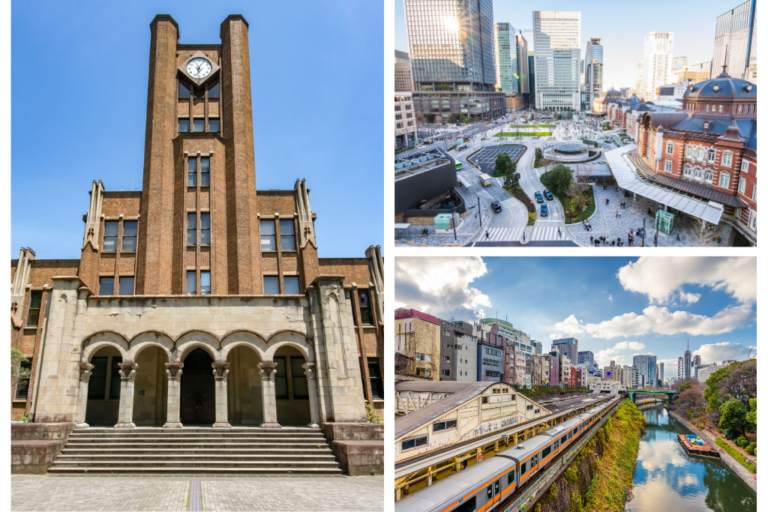
Ikebukuro (Toshima)
This area is student-friendly, with great transport, nearby universities, and more reasonable housing than central districts. It’s home to Rikkyo University’s main campus and many academies and technical schools. The station links to multiple lines, including JR Yamanote, Saikyo, Shonan Shinjuku, Tokyo Metro Marunouchi, Yurakucho, and Fukutoshin, plus the private Seibu and Tobu lines, making getting around the city simple and affordable. Everyday life is easy too, with libraries, bookstores, budget-friendly restaurants, and Sunshine City just minutes away.
Meidaimae (Setagaya/Suginami)
A convenient and very student friendly neighborhood, with Meiji University’s Izumi Campus just a five minute walk from the station. The station also connects the Keio and Inokashira lines, offering direct access to Shinjuku and Shibuya. The area is residential and safe, with cafés, convenience stores, and housing geared toward students.
Why it works for students:
- Campus with library, cafeteria, and international office.
- Two train lines for easy access to classes and downtown.
- Quiet environment for studying and living without distractions.
Komaba–Tōdaimae (Meguro)
The classic student neighborhood, home to the Komaba Campus of the University of Tokyo’s College of Arts and Sciences. It’s a quiet, residential area just one or two stops from Shibuya on the Keio Inokashira Line, making it easy to balance classes, library time, and cultural activities.
Why it works for students:
- Leading campus and academic resources close to home.
- Short commute to Shibuya for classes, part-time work, or leisure.
- Quiet streets and basic amenities within walking distance (clinics, shops, cafeterias).
What is the best neighborhood to live in Tokyo?
Kichijōji is the kind of neighborhood that offers the best of Tokyo while keeping its unique charm. You’ll find large green spaces like Inokashira Park, inviting shops and cafés, an active cultural scene, and fast connections to Shibuya and Shinjuku. The area feels safe and relaxed, full of local character, giving you a sense of community without sacrificing the comforts of city living.
Kichijōji offers a balance that’s hard to find elsewhere. The air is fresher, the streets are quieter, and daily life feels more manageable. You can walk in the park, get work done at a peaceful café, or handle errands all within the neighborhood. That’s why it’s considered one of the best places to live in Tokyo by both locals and expats, a place where you can enjoy the city without being overwhelmed by its pace.
Frequently asked questions about the best neighborhoods to stay in Tokyo
Shimokitazawa, Nakameguro, and Kiyosumi-Shirakawa have a high concentration of cafés with Wi-Fi, coworking spaces, and creative communities.
Bunkyō and Komaba-Tōdaimae, due to their proximity to universities such as Tokyo University and their safe academic environment.
Yes. Tokyo is one of the safest cities in the world, and neighborhoods such as Setagaya, Meguro, and Bunkyō are notable for their low crime rates.
Ebisu or Shinagawa are excellent choices due to their rail connections and proximity to bullet train (Shinkansen) stations.
Nakameguro strikes that balance: cafés, bars, and shops in a quiet setting along the Meguro River.
Kichijōji is the most recommended for its balance of nature, amenities, and quick connection to the center.
Plans that may interest you


Hi! I'm a Spanish-English translator working with Holafly, helping bring travel content to life for curious travelers. As a digital nomad with a passion for exploring, I'm always adding new spots to my bucket list. If you love to travel like me, stick around because you're in the right place to find inspiration for your next trip! ✈️🌍
