Language


 No results found
Volunteering in Norway: Get ready to go
Interested in volunteering in Norway? Here’s what you need to know: requirements, projects, costs, and how to get started.

Volunteering in Norway is an experience that combines social commitment, personal growth, and adaptation to a unique cultural and climatic environment. Located in Northern Europe, Norway is known for its high quality of life, its sustainable approach, and strong social policies, making it an ideal destination for those looking to contribute through volunteering in well-organised projects with real impact.
Volunteering isn’t just about helping: it requires preparation, information, and careful planning. In this article, we explain the key aspects you need to consider: from the types of available programmes, common requirements, and expenses to the practical tips on cultural adaptation and specific opportunities. If you’re considering Norway as your destination, you’ll find a clear guide to help you make decisions and start your process.
Why Volunteer in Norway?
Taking the step to volunteer in Norway means embracing an experience with purpose, in a country that values cooperation and the common good. It’s not just about what you can give, but also everything you can learn and experience. Here are some of the benefits worth considering for this destination.
- Social Environment: Norway is one of the countries with the best quality of life in the world. Its social structure supports the integration of volunteers in well-defined projects with clear roles and safe environments to develop in.
- Multicultural Experience: Although Norway has a very distinct culture, it is also open to diversity. Collaborating with international and local teams allows you to learn different ways of working and adapt to multicultural contexts.
- Personal and Professional Development: From improving your English to acquiring skills like problem-solving, adaptability, or teamwork, volunteering boosts both your personal and professional growth.
- Connection to Nature and a Sustainable Environment: Norway actively promotes environmental care. Participate in sustainability, organic farming, or conservation projects.
- Understanding Nordic Social Models: Living and collaborating in Norway gives you a direct perspective on how a system based on trust, equality, and welfare works. This experience enriches your critical and comparative view on other social models.
Requirements for Volunteering in Norway
If you plan to volunteer in Norway, it’s important to understand the requirements you must meet to do so smoothly. Here’s what you need to know to prepare properly from the start:
- Minimum Age and Residence Permit/Visa: Generally, volunteers are accepted from 18 years old. Some projects accept minors with authorization. EU/EEA citizens can enter and stay without a visa for 90 days, while those outside the EU/EEA will need a Schengen visa or a volunteer permit depending on the programme’s duration and nature.
- Health and Travel Insurance: It is mandatory to have valid health insurance throughout your stay. In certain cases, such as work or formal volunteering permits, full coverage (hospitalisation, evacuation, and civil liability) is required.
- Language Level: While Norwegian isn’t required, at least a basic level of English is expected for communicating with international teams and accessing the programme’s pre-training.
- Commitment and Minimum Time: Programmes typically require a dedication of between weeks and several months, with a maximum of 30 hours per week if there is no paid salary.
- Additional Documentation: Some organisations request a motivation letter, references, medical or police certificates, especially for sensitive roles (education, health, minors).
- Funding and Contributions: Depending on the programme, accommodation/food may be provided, or you may need to contribute a fee to cover logistical or material costs.
Holafly Monthly Plans
Having a good internet connection during your volunteering in Norway is essential. Whether it’s to stay in touch with your organisation, handle important paperwork, or simply use a map to find your way, having reliable mobile data brings peace of mind.
At this point, Holafly’s monthly plans become a great ally: they offer unlimited coverage in over 170 destinations, including Norway, with monthly plans that are easily activated through eSIM, without the need for physical cards or worrying about roaming. Plus, you can access 24/7 support. A practical and secure solution to ensure that technology isn’t a barrier during your experience.
Important: If you are a frequent traveler and want to stay connected without worrying about expensive roaming or looking for a new SIM at every destination, Holafly’s subscription plans are for you. With a single eSIM, enjoy internet in more than 170 countries for a fixed price and no surprises on your bill. Travel without limits and connect easily and securely! 🚀🌍

On the other hand, for short-term volunteer stays, the eSIM for Norway from Holafly is another option, with unlimited data only for the days you need.
Best Volunteering Programmes in Norway
Below are four programmes with different ways to get involved, tailored to various profiles: from those who want to live on farms, collaborate on social projects, or integrate into local communities, to those looking for international professional experience.
1. WWOOF Norway
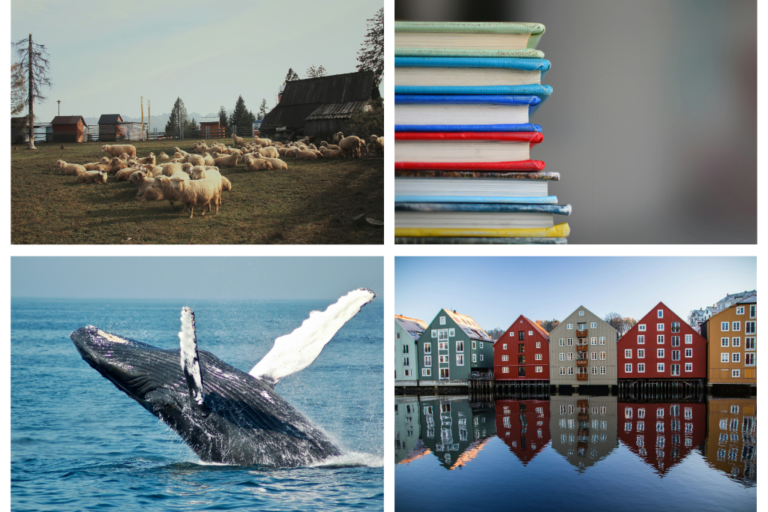
This is one of the most popular options for those wishing to volunteer in the Norwegian countryside. The programme is part of the international WWOOF network (World Wide Opportunities on Organic Farms), which connects volunteers with organic farms that offer accommodation and meals in exchange for help. As a volunteer, you’ll work between 4 and 6 hours a day on agricultural tasks, gardening, animal care, or general maintenance, depending on the type of farm and the season. No prior experience is required, but you should be in good physical condition and willing to integrate into rural life.
The duration is flexible, ranging from one week to several months, and adapts to both the host and the volunteer’s availability. In exchange for your help, you’ll receive accommodation, at least two meals a day, and hands-on experience in sustainable practices. To participate, you’ll need to pay an annual membership fee to WWOOF Norway (around $25-30 (€20-25)), in addition to covering your own transportation expenses to the farm.
2. European Solidarity Corps (ESC / European Voluntary Service)
If you are between 18 and 30 years old and a European citizen, the European Solidarity Corps (ESC) is one of the most complete and accessible ways to volunteer in Norway. This programme is highly recommended, as it covers nearly everything: accommodation, food, insurance, travel expenses, and even a monthly allowance for your personal expenses.
Projects can last from a couple of weeks to a year, and cover a wide range of topics such as environment, social inclusion, education, or culture. All you need is a sending organisation in your country to support you throughout the process, and a willingness to engage with the volunteering. The best part is that, since it’s funded by the European Union, you don’t have to pay any fees to participate. It’s a unique opportunity to learn and live in Norway without worrying about costs.
3. United Nations Volunteers (UNV) and Norec
The United Nations Volunteers (UNV) and Norec programmes offer more structured and professional volunteering opportunities, designed for those who want to contribute to development projects, human rights, sustainability, or peacebuilding. The UNV programme is a global initiative backed by the United Nations that selects qualified volunteers to collaborate in various parts of the world, including Norway, in specific roles.
On the other hand, Norec (Norwegian Centre for International Cooperation in Education) promotes voluntary exchanges between Norway and partner countries, involving both Norwegian citizens and foreigners. To participate in these programmes, you must be at least 18 years old and have relevant education or experience for the position you’re applying for, as the roles tend to be technical or specialised. Project durations vary between 6 months and 2 years, and the best part is that they’re fully funded: including a monthly allowance (Volunteer Living Allowance), health insurance, accommodation, and logistical support throughout the mission. If your goal is to get involved in high-impact volunteering with institutional backing, this is a solid option at no cost to the participant.
4. Volunteer at the Norwegian Whale Reserve
If you are passionate about marine life, this volunteering opportunity in Norway is an excellent chance to actively participate in the protection of marine mammals and coastal environment conservation. The organisation seeks volunteers to help with tasks such as monitoring species, awareness campaigns, environmental research, and actions focused on the wellbeing of whales. To participate, some prior training or experience in biology, environmental sciences, or conservation is typically required, along with being prepared to work in the field under variable weather conditions.
Stays usually last between 1 and 3 months, depending on the project. The programme includes shared accommodation, necessary equipment and specialised training, as well as the chance to work alongside professionals in a privileged natural environment. Costs for volunteers are low or non-existent, as the initiative is funded through grants and donations; in some cases, only contributions for logistical or food expenses are requested.
Types of Volunteering Projects in Norway
Volunteering in Norway allows you to get involved in projects that reflect the essence of the country. Below, we present three categories with features you’ll only find here:
Environmental Conservation and Marine Life
Norway is famous for its fjords, glaciers, and Arctic coastline, so there are plenty of opportunities to protect this natural heritage. There are programmes dedicated to:
- Beach and Coastline Cleanup: Local NGOs organise campaigns to remove marine waste from small boats, covering sections of the coast between Tromsø and Bergen during specific seasons (spring and autumn). During that time, they invite volunteers to join for stays typically lasting between 4 and 12 weeks.
- Environmental Restoration and Art: Some projects in Norway, like those in Børje, combine cleaning microplastics from beaches with creating sculptures made from waste. Through platforms like Workaway, volunteers assist with these tasks while learning about recycling, sustainability, and environmental education in a creative and natural setting.
- Marine Mammal Rehabilitation: In projects like the Norwegian Whale Reserve, volunteers care for orcas or belugas in the fjords, helping with rescue operations, research, and eventual rewilding. There are also programmes in organic farms (like WWOOF Norway), where volunteers live with farm animals in a respectful and sustainable way.
Social Inclusion and Community
Volunteering in Norway also focuses on strengthening the social fabric:
- Support for Refugees and Migrants: Volunteering helps with cultural integration and emotional wellbeing among refugees. Organisations like Norwegian People’s Aid and community centres accept help with language classes, administrative support, or cultural initiatives.
- Social Action in Small Municipalities: In places like Nordfjordeid, programmes funded by Erasmus+ allow volunteers to create cultural events and support local schools or festivals (with private accommodation and travel coverage) for 12 months.
- Rescue and Emergency Services: Through the Norwegian Red Cross rescue team, volunteers receive training in first aid, radio communication, mountain rescue, or avalanche response, contributing to saving lives in remote areas or at public events.
Education, Children and Culture
- School Activities: University students and international volunteers can join school or university programmes in Oslo, supporting the student community without needing to speak Norwegian, just English.
- Education in Rural Communities: In areas like Nordfjordeid, cultural events, theatre, or artistic projects are promoted in collaboration with schools and festivals like Malakoff Rock Festival, strengthening the sense of local identity.
How Much Money Do You Need to Volunteer in Norway?
Although many volunteering programmes significantly reduce travel costs, it’s important to account for certain basic expenses. Here’s a detailed list of the most common prices to help you plan your budget clearly:
- WWOOF Norway Membership costs $25–$30 (€23–28) per year. It’s a one-time payment that gives you access to the list of available organic farms across the country.
- Workaway Membership costs $44 (€40) per person, or $56 (€52) if you register as a pair. This platform connects volunteers with hosts who offer accommodation and meals in exchange for daily help.
- Private Programmes (like IVHQ): These programmes cost around $600 (€552) per month and include accommodation, meals, and project coordination. It’s a good option if you’re looking for a more structured programme with ongoing support.
- Schengen Visa: If you don’t have a European passport, you’ll need a visa for short stays (less than 90 days), costing around $80 to $100 (€75-95). For longer stays or special permits, the price may vary.
- International Flight to Norway: Depending on the country you’re flying from and how far in advance you book, prices usually range from $338 to $789 (€300-700).
- Local Transport (trains, buses, ferries): Local trips cost an average of $3 to $10 (€2.80-9) per journey. Some programmes assist with these costs, but not always.
- Interrail Pass for Norway (only for European citizens or residents): From $155 (€140) for 3 days of train travel within one month. It’s useful if you plan to travel around the country between projects.
- International Health Insurance: Mandatory for all volunteers. An insurance policy covering medical emergencies, accidents, and repatriation costs between $50 and $100 (€45-90) per month.
- Personal Expenses and Emergency Fund: It’s recommended to have between $100 or $200 (€90-180) available per month to cover unexpected costs, additional transport, laundry, clothes, or cultural activities.
Frequently Asked Questions
It depends on your nationality. If you’re an EU/EEA citizen, you can stay for up to 90 days without a visa. If you’re not, you’ll need a Schengen visa or a specific permit if the stay is longer.
A basic-intermediate level of English is sufficient in most cases. Norwegian isn’t required, but knowing it is an advantage.
Yes. Many programmes only require motivation and commitment. Others, such as marine conservation or humanitarian action, may require specific training.
Spring and autumn are usually ideal, especially for nature projects. Summer is popular, but flights are more expensive.
Yes. It’s mandatory to have health insurance covering emergencies, accidents, and repatriation for the entire stay.