







 Language
Public transport in Valencia: Comprehensive Guide
A complete guide to public transport in Valencia, covering buses, metro, trams, and trains, with costs, schedules and practical tips

There’s a very specific kind of travel frustration that tends to show up right after you arrive somewhere new. You’ve got your luggage, maybe a bit of jet lag, and suddenly you’re trying to figure out which ticket to buy while a line quietly forms behind you. In Valencia, that moment won’t last long if you have an idea of how things work beforehand.
Valencia’s public transport system is not as overwhelming as in larger European capitals, but it still combines several networks—buses, metro, trams, and regional trains that work together across the city and surrounding areas. Knowing which to use and when makes a noticeable difference, especially if you’re trying to move between a historic center, the beach, and modern attractions like the City of Arts and Sciences.
In this guide, we’ll go through each option in detail: How far it reaches, how much it costs, what the schedules look like including weekends, and what you can expect when using it day to day.
Buses
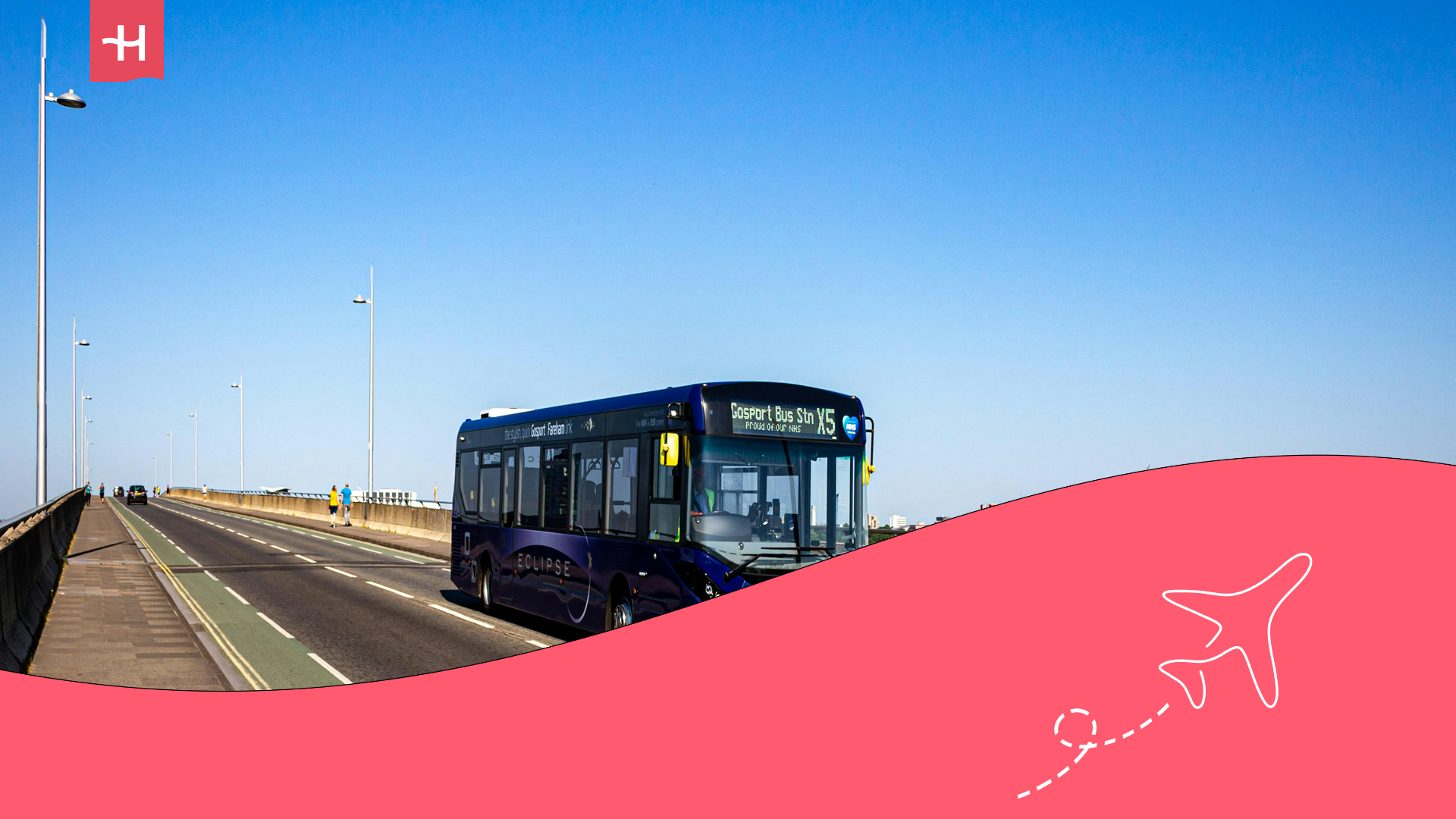
Buses in Valencia are one of the most practical ways to move around in the city, especially if you’re staying within the urban area. The network is extensive and reaches neighborhoods that are not always directly covered by metro or tram lines.
Operated mainly by EMT Valencia, the system includes more than 60 lines, covering the city center, residential districts, and key tourist areas. You can comfortably rely on buses to move between most parts of the city without needing another mode of transport.
In terms of cost, a single ticket costs around $2, purchased on board. However, most travelers quickly switch to a rechargeable card like the SUMA or EMT card. With these, each trip can drop to around $1 – 1.5, depending on the number of journeys loaded. A typical daily spend using buses falls between $6 and $10, depending on how often you travel.
Timetables are consistent but vary slightly depending on the day:
- Weekdays: Roughly from 5:30 AM to 11 PM.
- Saturdays: Similar hours, with slightly reduced frequency.
- Sundays and public holidays: Fewer buses and longer waiting times.
Valencia also runs night buses called “búho”, which operate between approximately 10:30 PM and 3:00 AM on selected routes, mainly connecting central areas. Concerning safety, buses are quite reliable and secure. They are widely used by locals, including late into the evening, and incidents are uncommon.
If you’re visiting major attractions, certain lines are especially useful. For example;
- Lines serving the City of Arts and Sciences connect directly from the center.
- Routes toward Malvarrosa Beach are frequent and easy to use.
Buses are often the simplest opinion when you want to think too much about transfers.
Trains
In Valencia, trains mainly refer to the CercanÍas (Commuter rail) network, and while they’re not the first option for getting around the city center, they become essential the moment you want to move beyond it.
The system is operated by Renfe and includes six main lines (C1, C2, C3, C5, C6, and C9). Most of these lines start or pass through Valencia Nord Station, which is centrally located and within walking distance of the historic center.
Within the city itself, trains are somewhat limited compared to the metro or buses. However, they are useful if your accommodation is near a CercanÍas stop or if you’re traveling between districts on the outskirts.
Where trains really stand out is for short regional trips. For example:
- C1 line connects Valencia to coastal twins like Gandía.
- C6 line runs toward Castellón along the coast.
Pricing is distanced-based:
- Short journeys (within nearby zones): $2 – 3.50.
- Medium distances: $3 – 5.
- Return tickets and multi-journey passes can reduce the cost slightly.
Timetable is structured but less frequent than metro services:
- Weekdays: Every 15 – 30 minutes on major lines.
- Midday gaps: Some lines slow down slightly between 12 PM and 4 PM.
- Saturdays: Similar to weekdays, with minor reductions.
- Sundays/holidays: Every 30 – 60 minutes.
First trains do run from around 5:30 – 6:00 AM, while the last departures are usually between 10:30 PM and 11:30 PM, depending on the line.
In terms of safety and cleanliness, CercaniaÍs trains are reliable and well-maintained. Stations are active and monitored, and trains are commonly used by commuters, which adds to the sense of normalcy.
If you’re planning even a one day trip outside Valencia, trains quickly become one of the most useful parts of the system.
Subway
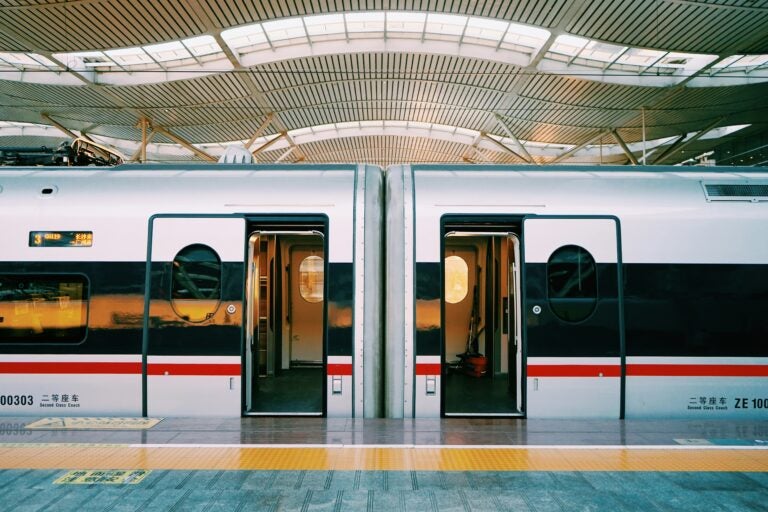
The Metrovalencia system is where things start to feel much more connected across the city. It’s the fastest and most efficient option for covering longer distances, especially if you’re moving between the airport, central districts, and outer neighborhoods.
The network includes 6 metro lines (Lines 1, 2, 3, 5, 7 and 9), many of which run underground in central areas and above ground further out. These lines intersect at key stations, making transfers relatively straightforward.
Coverage is broad, including:
- The airport.
- The city center.
- Residential districts.
- Connections to tram lines.
Ticket pricing depends on zones:
- Zone A (central Valencia): $2 – 3 per trip.
- Multiple zones: Up to $3.
- SUMA 10 card: $10 – 12 for 10 journeys.
- Tourist passes (24 – 72 hours): range from $6 – 10 per day depending on zones.
Timetable is one of the more structured parts of the system:
- Monday – Thursday: 5:30 AM to 11:00 PM.
- Fridays: Until 1:30 AM.
- Saturdays: Extended hours, often until 2:00 AM.
- Sundays: Service from 6:00 AM to 11:00 PM.
Frequency:
- Peak hours: Every 5 – 7 minutes.
- Off-peak: Every 10 – 15 minutes.
The metro is clean, punctual, and clearly signposted. Security is generally not a concern, even in the evening, although like in any city, it’s sensible to stay aware of your surroundings. Lines 3 and 5 connect the airport directly to central Valencia, and central stops allow easy transfers to buses or trams.
Trams
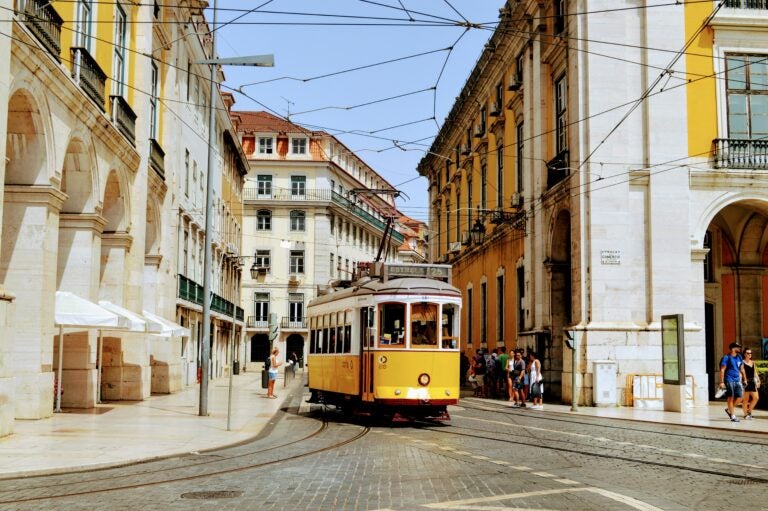
Trams in Valencia are part of the same Metrovalencia system but operate differently enough that they feel like their own category. There are 4 main tram lines ( Lines 4, 6, 8, and 10), and they are particularly useful for reaching areas that the metro doesn’t cover directly, especially along the coast and in the northern districts.
Unlike the metro, trams run entirely above ground. This makes them easier to navigate visually, which can be helpful if you’re still getting familiar with the city layout, and exploring areas like Malvarrosa beach, University areas, and quieter residential neighborhoods.
Pricing is fully integrated with the metro, the same tickets and passes apply, and there’s no additional cost for switching between tram and metro.
Timetable:
- Start around 5:30 AM.
- End between 11:00 PM and midnight.
- Weekends come with extended service, particularly on Friday and Saturday nights.
Frequency:
- Every 10 – 15 minutes during the day.
- Every 15 – 20 minutes during evenings or weekends.
Trams are clean, quiet, and considered very safe. They’re widely used by locals, especially students and commuters. One small but noticeable difference is pace, trams are slower than the metro because they run through city streets. However, for shorter or scenic journeys, they often feel more straightforward and less rushed.

Moving around Valencia without overthinking every step
After a short time in Valencia, public transport starts to feel less like something you need to figure out and more like something that quietly supports your day. At the beginning, you might hesitate for a second at a ticket machine or double-check which line to take, but that uncertainty doesn’t tend to last long.
What makes the system nice is not just its coverage, but how consistent it feels across different options. Whether you’re stepping onto a bus, heading underground on the metro, or taking a tram toward the coast, the structure remains familiar. You’re not constantly adjusting to new rules or pricing systems which makes it easier to settle into a rhythm.
Over the course of a day, you might find yourself naturally combining different modes without planning it that way—taking the metro for a longer stretch, switch-ing to a tram as you get closer to the beach, or relying on a bus when you want a more direct route. The transitions between them are straightforward enough that they don’t interrupt your movement through the city.
Costs stay within a reasonable range, timetables are predictable, and the overall environment is clean, safe, and well-maintained. It’s the king=d of system that doesn’t demand much from you, which is exactly what most travelers need.
By the time you’re a couple of days into your stay, getting around Valencia stops feeling like a task you need to manage. It simply becomes part of how you experience the city, without getting in the way of it.
Plans that may interest you

English Copywriter at Holafly, I'm committed to sharing tips that will make your travel experiences memorable. Over the years as a writer and strategist, I've managed teams across multiple industries - SaaS, tech, real estate, and personal brands. I wrote my first book as a child and have been writing ever since, cooking and reading are a few ways I explore my world.

