Language
Public transport in Munich: Comprehensive guide
A detailed guide to public transport in Munich, covering the best ways to get around, prices, schedules, and what to expect.

You usually don’t think much about public transport until you actually need it, for example, when you’ve just arrived in a new city, your phone is at 20%, and you’re trying to figure out which ticket to buy without holding up the line behind you.
In a city like Munich, that moment tends to pass quicker than expected. The system is structured, well-connected, and designed in a way that makes it easier to understand once you’ve used it once or twice. Still, knowing what to expect before you arrive can save you time and a bit of unnecessary trial and error.
In this guide, we’ll go through how public transport works across Munich, from buses and trains to subways and trams. We’ll also cover costs, timetables, safety, and which options are most useful depending on where you’re going.
Buses
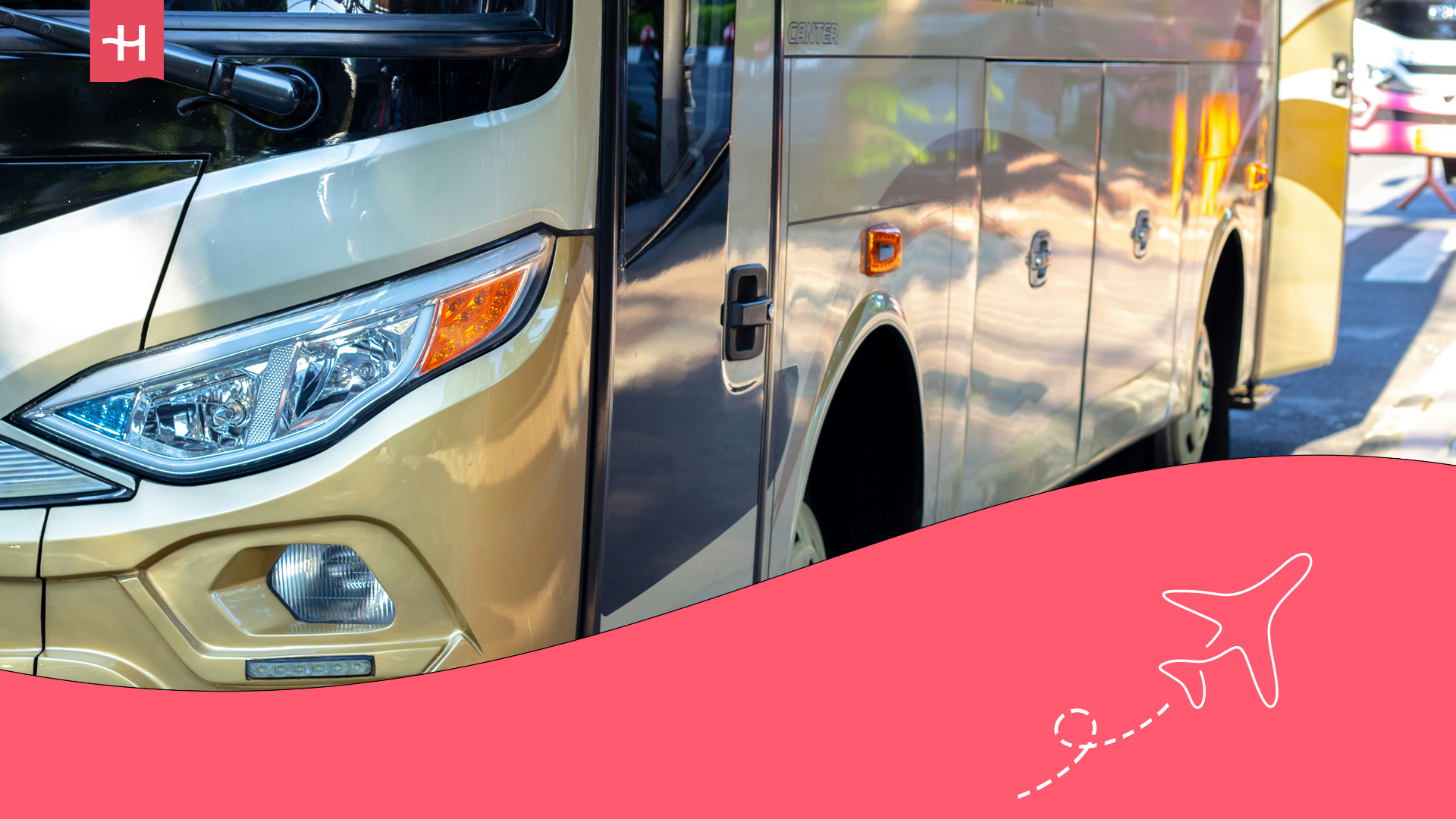
Buses in Munich tend to play a supporting role rather than being the main way people move around, but they are still an important part of the network. They are particularly useful for reaching residential areas or locations that are not directly connected by train or subway lines.
The bus system is extensive, with dozens of routes covering both central districts and outer neighborhoods. While most visitors rely more on trains or the subway, buses are more practical when you need to reach a specific street or destination that other transport modes don’t cover directly.
In terms of cost, buses use the same integrated ticketing system as the rest of Munich’s public transport. This means a single ticket, day pass, or travel card works across buses, trains, trams, and the subway without needing separate fares. On average, you can expect daily transport costs to range between $8 and $15, depending on how often you travel and the zones you cover.
Buses generally run from early morning until late evening, with night bus services operating on selected routes after regular services stop. On Sundays and public holidays, frequency may be slightly reduced, but core routes remain active.
As for safety, buses in Munich are considered reliable and secure. It is common to see both locals and visitors using it at all hours, and incidents are rare.
If you’re heading to areas slightly outside the main tourist center or trying to connect between neighborhoods, buses can be a good option, even if they are not the first choice for most journeys.
Trains
Trains in Munich primarily refer to the S-Bahn system, which connects the city center with suburban areas and nearby towns. For many travelers, this is the first form of transport they encounter, especially when arriving from the airport.
The S-Bahn network is well-developed, with multiple lines radiating from the city center. All lines pass through a central trunk route, which makes transfers relatively straightforward and allows you to reach different parts of the city without complicated planning.
Costs follow the same integrated fare system used across Munich’s transport network. Whether you are using the S-Bahn, bus, tram, or subway, the ticket structure remains consistent. Daily spending typically falls within the $8 to 14 range, depending on usage and zones.
Trains run frequently throughout the day, usually every 20 to 30 minutes on most lines. During peak hours, services are more frequent, while late evenings and Sundays may see slightly longer waiting times.
In terms of safety, the S-Bahn is considered very secure. Stations are well-maintained, and trains are regularly monitored. It is commonly used by commuters, which adds to the overall sense of normalcy and reliability.
One of the most useful lines for visitors is the S1 and S8, both of which connect Munich airport directly to the city center. These lines are often the starting point for navigating the rest of the network.
Subway
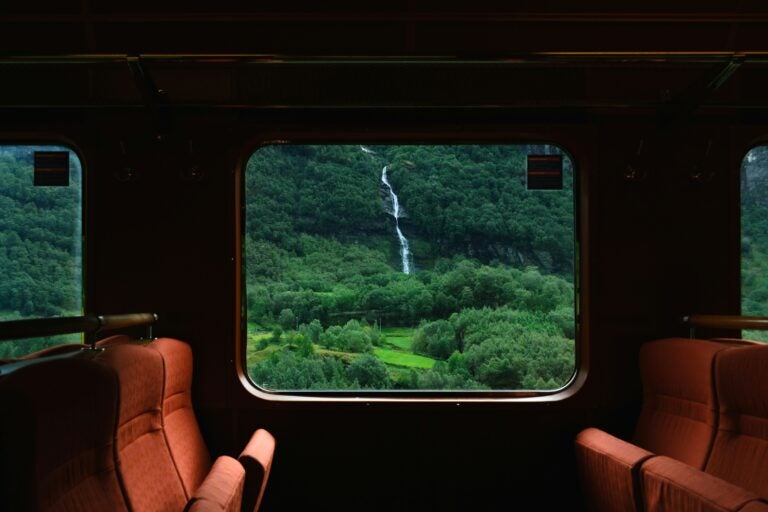
The U-Bahn or the subway system, is one of the most efficient ways to move around central Munich. It is particularly useful for racing key attractions quickly, without dealing with surface traffic.
The network consists of several lines that cover the city center and extend into surrounding districts. Stations are clearly marked, and signage is generally easy to follow even for first-time users.
As with other transport modes, pricing is integrated. A single ticket or day pass allows unlimited transfers within the selected zones, making it easier to combine the subway with other forms of transport. Daily costs are usually within the $8 to 14 range for visitors.
The subway operates from early morning until shortly after midnight, with extended hours on weekends. On Fridays and Saturdays, some lines run later into the night, reducing the need for alternative transport.
Safety is rarely a concern on the U-Bahn. Stations are clean, well-lit, and regularly used by both locals and tourists. If you’re visiting central locations such as Marienplatz or Olympiapark, the subway is the most direct and efficient option.
Trams
Trams in Munich offer a balance between practicality and a more visible way of moving through the city. Unlike the subway, they run at street level. which makes them useful for shorter distances and easier to navigate for those who prefer to see where they are going.
The trams network covers a significant portion of the city, particularly areas just outside the immediate center. It is well-integrated with other transport modes, allowing for smooth connections.
Costs are included within the same ticketing system, so there is no need to purchase separate tickets. As with other options, daily transport expenses generally range from $8 to 14 depending on travel frequency.
Trams run regularly throughout the day, with those services starting early in the morning and continuing until late evening. Night trams operate on selected routes, ensuring that the system remains functional outside standard hours. On Sundays, services are slightly less frequent but still reliable.
In terms of safety and cleanliness, trams maintain the same standards as the rest of Munich’s transport system. They are widely used and considered dependable.
Certain tram lines pass through areas close to major attractions, offering a more gradual way to explore the city compared to faster underground routes.
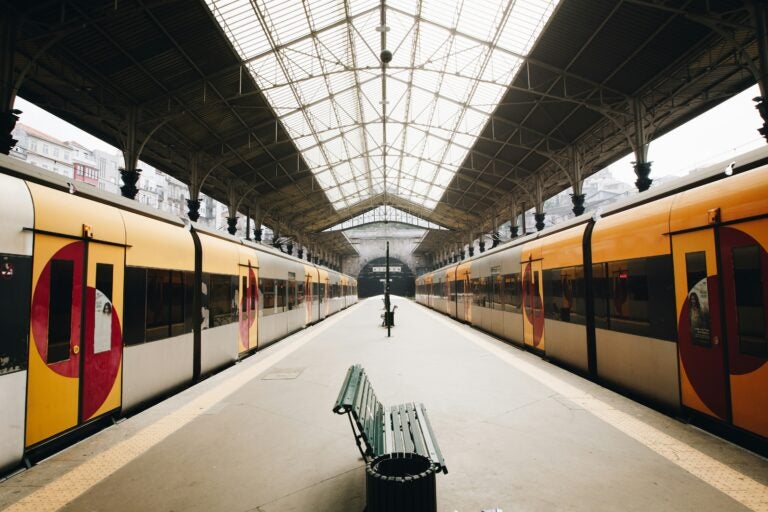

Getting around Munich without overthinking it
One thing that becomes clear once you start using public transport in Munich, is that the system is robust and is designed to work as a whole rather than as separate parts.
Buses, trains, trams, and the subway are all connected through the same ticketing structure, which removes the need to constantly adjust how you travel.
For most visitors, the subway and S-Bahn handle the majority of longer journeys, while trams and buses fill in the smaller gaps. The consistency across pricing, schedules, and routes makes it easier to move around without needing to plan every detail in advance.
Overall, public transport in Munich is reliable, clean, and structured in a way that supports both short visits and longer stays. Once you understand the basics, it becomes less about figuring things out and more about simply getting where you need to go.
Plans that may interest you


English Copywriter at Holafly, I'm committed to sharing tips that will make your travel experiences memorable. Over the years as a writer and strategist, I've managed teams across multiple industries - SaaS, tech, real estate, and personal brands. I wrote my first book as a child and have been writing ever since, cooking and reading are a few ways I explore my world.