




 Language
Public transport in Manchester: Comprehensive Guide
A detailed guide to public transport in Manchester, covering buses, trains, and trams, with costs, schedules, and practical travel tips.

There’s a particular kind of pause that tends to happen when you arrive in a new city, a quiet moment where you’re standing near a bus stop or ticket machine, trying to make sense of how everything fits together. It’s not confusion exactly, more like a brief adjustment period.
In Manchester, that adjustment tends to be shorter than you might expect, but it still helps to arrive with a clear picture of how things work. The city doesn’t revolve around a single transport system. Instead, it’s a combination of buses, trams, and trains, each covering different parts of daily movement.
Once you understand where each one fits, getting around like a local becomes very easy and seamless. In this guide, we’ll go through each option in detail: How far it reaches, how much it costs, what kind of timetable you’re working with, and what you can realistically expect when you start using it.
Buses
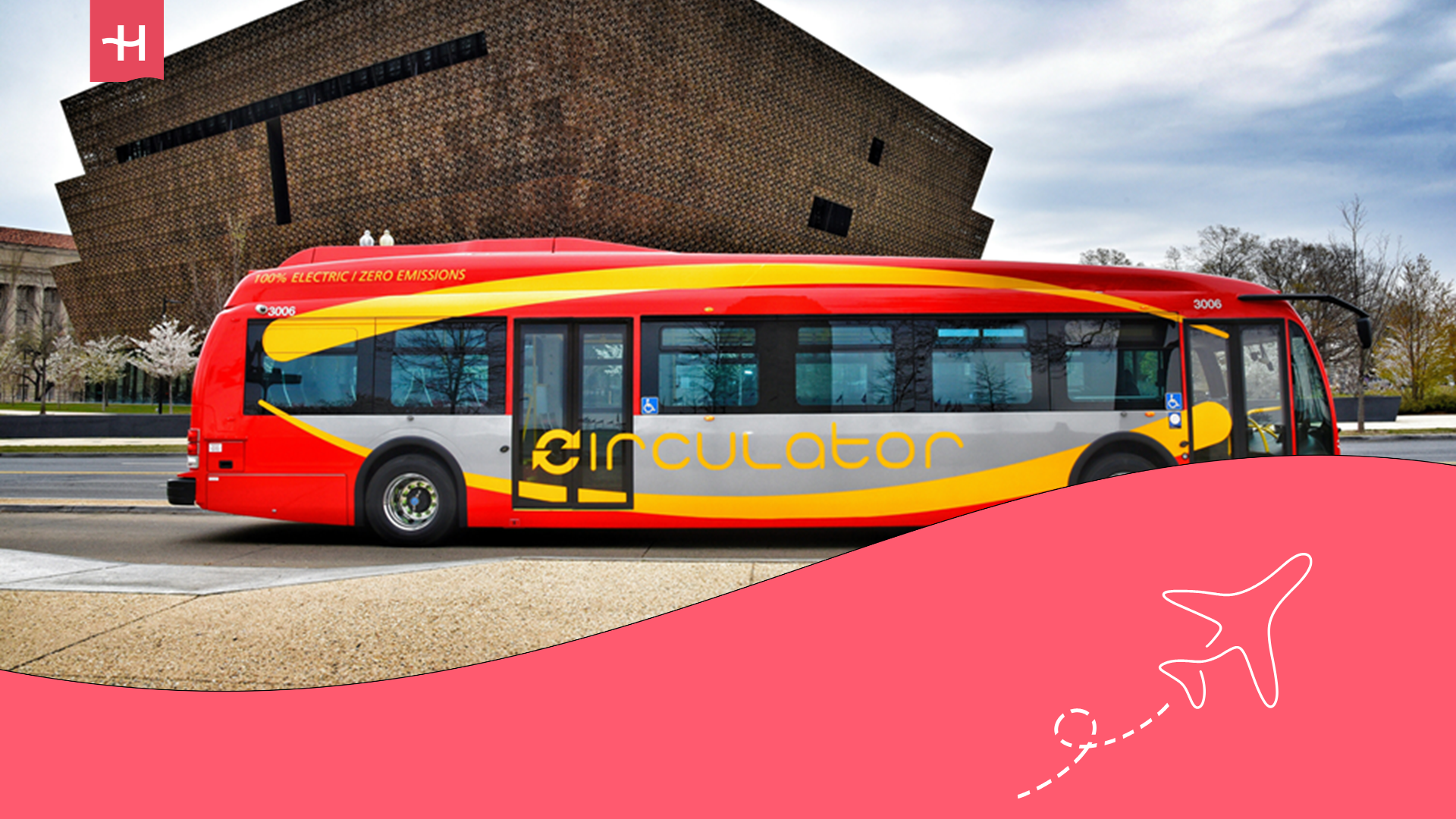
If you were to rely on just one form of transport in Manchester, buses would be the one that reaches the furthest. They move through nearly every part of the city and extend well into the surrounding neighborhoods, often filling in gaps that other systems don’t cover.
The network itself is large, with hundreds of routes operated by companies such as Stagecoach, First Bus, and Go North West. You don’t necessarily need to memorize route numbers, but it helps to know that most major roads are served frequently, and central Manchester acts as the main hub where many lines converge.
In terms of cost, Manchester has adopted a simplified fare structure that makes things easier for occasional users. A single journey is capped at around $3, regardless of distance within the city. This is particularly useful if you’re making short trips and don’t want to overthink ticket options.
For longer days of travel, daily bus passes typically range $6 and $8, allowing unlimited journeys within a set period. Weekly passes are also available, but they are more relevant for residents or longer stays.
Timetables follow a fairly predictable rhythm. On weekdays, buses begin running from around 5:00 to 6:00 AM, depending on the route, and continue until approximately 11:00 PM. After that, a limited number of night buses operate on key routes, especially on weekends, connecting the city center with outer districts.
Sundays and public holidays introduce a slight shift. Services still run, but frequencies are reduced, and waiting times can increase, particularly outside the city center. It’s not disruptive, but it’s noticeable if you’re used to weekday schedules.
In terms of safety, buses are widely used and generally considered secure. They can become crowded during peak hours, especially in the morning and late afternoon, but this tends to reflect normal commuter patterns rather than any issues with the system itself.
For visitors, buses make your journey easier when heading to places like Old Trafford or Etihad stadium. where direct routes from the city center are available. They also connect well with university areas and residential districts, making them one of the most flexible options overall.
Trains
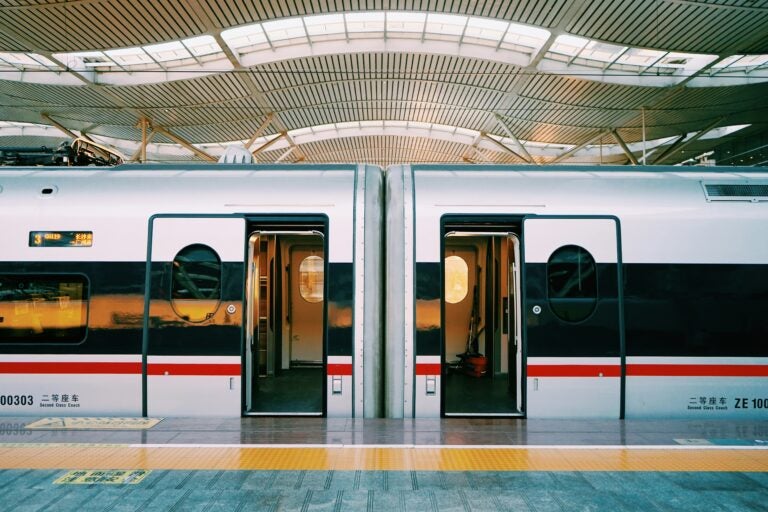
Trains in Manchester serve a slightly different purpose. While they can be used within the city, they are more commonly associated with regional and intercity travel. Still, depending on where you’re staying, they can be a practical option for certain routes.
The city is served by several major stations, with Manchester Piccadilly Station acting as the primary hub. From here, trains run in multiple directions, connecting not just different parts of Manchester but also nearby towns and major cities across the UK.
Within the city, local train services allow you to move between districts more quickly than buses, particularly if you’re traveling longer distances. However, coverage is less dense than the tram or bus network, so trains are used in combination with other modes.
Pricing is more variable than buses or trams. For short journeys within the Greater Manchester area, tickets range from $4 to 6, while longer or peak-time journeys can exceed $7 to 12. Off-peak tickets are usually cheaper and can make a noticeable difference if your travel times are flexible.
Timetables are structured. On weekdays, services begin around 5:00 AM and continue until close to midnight. Frequency varies:
- Busy routes: Every 10 – 15 minutes.
- Less central routes: Every 20 – 30 minutes.
On Sundays, services are reduced, often running every 30 – 60 minutes, and starting slightly later in the morning.
Trains in Manchester meet standard expectations for UK rail travel. Stations are staffed, trains are monitored, while peak times can feel crowded, especially on commuter routes, the overall experience is stable and predictable.
For visitors, trains are especially useful when traveling to or from Manchester Airport, when planning day trips to nearby cities. Within the city, they are more situational but still worth considering depending on your route.
Trams
The tram system, known as Metrolink, is often the part of Manchester’s public transport that visitors end up using the most consistently. It sits somewhere between a subway and a train, combining elements of both while remaining relatively easy to understand.
The network includes over 8 lines and connects the city center with key districts, suburbs, and important locations like Manchester Airport. Trams run both on dedicated tracks and through certain city streets, which allows them to cover a wide area without relying on road traffic.
Costs are based on zones, which means the price depends on how far you travel. A short journey within central zones might cost around $2.20 to 4, while longer trips can reach $6 to 8. For visitors, daily spending falls between $7 to 11, especially when using contactless payment or travelcards.
Timetables are one of the more reliable aspects of the system. Trams run from around 5:00 AM to midnight on weekdays, starts around 7:00 AM on Sundays, with extended hours on Fridays and Saturdays in some areas.
Frequency is consistent:
- Every 6 – 10 minutes during peak hours.
- Every 10 – 15 minutes during quieter periods.
The system is generally clean, well-maintained, and easy to navigate. Stops are clearly marked, and ticket machines are available at most stations. Safety is rarely a concern, with regular usage by commuters, students, and visitors throughout the day. Trams are more useful for better movement and navigation to Manchester Airport, areas near Old Trafford, and shopping and entertainment districts.
Over time, many travelers find themselves relying on trams as a default option, particularly when moving between central and outer areas.

Getting around Manchester without stress
What stands out about the public transport system in Manchester is not that it relies on a single dominant system, but that each part quietly supports the others. At first, it can feel like you have to choose between buses, trams, or trains, but after a short time, that distinction becomes less important.
You might start your day on a tram, switch to a bus without thinking too much about it, and later take a train for a longer journey. The transitions are not always seamless in a technical sense, but they are intuitive enough that they don’t interrupt your plans.
Costs remain relatively manageable, especially capped fares and day passes, and timetables are consistent enough that you don’t need to plan every movement in advance. There’s a certain rhythm to the system, one that becomes clearer the more you use it.
By the time you’ve spent a couple of days in Manchester, public transport stops feeling like something you need to figure out. It becomes part of the background, which is usually a sign that it’s doing exactly what it’s supposed to do.
Plans that may interest you


English Copywriter at Holafly, I'm committed to sharing tips that will make your travel experiences memorable. Over the years as a writer and strategist, I've managed teams across multiple industries - SaaS, tech, real estate, and personal brands. I wrote my first book as a child and have been writing ever since, cooking and reading are a few ways I explore my world.