




 Language
Cities with the best public transport in the world
Want stress-free travel? Discover which cities in the world have the best public transport systems.

Exploring a new city is one of the best parts of traveling, with all the sightseeing wonders, hidden authentic restaurants, and charming boutiques to discover and explore. However, figuring out how to get around a big city can sometimes feel a little overwhelming. Do you take the train, bus, or hail a taxi? That’s where a great public transport system makes all the difference. When it’s easy to navigate, reliable, and affordable, you spend less time stressing about directions and more time actually enjoying your trip.
Around the world, cities are constantly improving how people move, and global transport rankings show just how advanced these systems have become. In this guide, we’ll take a closer look at some of the cities that truly stand out and where getting from A to B is smooth and efficient.
These five destinations below are known for transport networks that are easy to use, well-connected, and traveler-friendly – perfect if you want to explore without the hassle of renting a car.
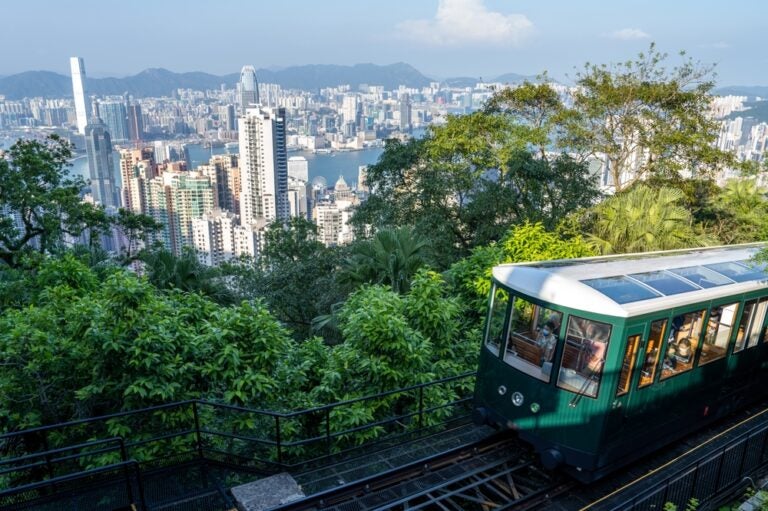
Hong Kong
Hong Kong, China, stands out for its efficiency and accessibility. According to a TimeOut study in 2025, where 18,500 local people were surveyed, Hong Kong has the world’s best public transport.
In 2025, Hong Kong was given a Rail Transit Accessibility Index of 0.78, showing how easy it is to reach stations and travel across the city. The MTR (metro) is the backbone of the system, covering all major districts, including connections to mainland China. It’s fast, reliable, and easy to navigate, even if it’s your first time in the city.
But what really sets Hong Kong apart is how well everything works together. For example, the Airport Express can take you from the airport to the city center in about 24 minutes, making arrivals and departures quick and stress-free. Prices start at around $1 USD (approximate fares may vary depending on distance and transport type).
To make things even easier, the Octopus card lets you pay across almost all transport modes – and even in shops and restaurants – without needing cash. If you prefer planning ahead, apps like HKeMobility provide real-time routes, fares, and journey times across all transport options, helping you find the fastest way around the city.
Overall, Hong Kong’s transport system is built for convenience, giving you the flexibility to explore efficiently – whether you’re commuting, sightseeing, or simply heading across the harbor.

Shanghai
Another top-notch city in China for public transport efficiency is Shanghai. It has one of the most advanced public transport systems in the world, designed to move millions of people efficiently every day.
As China’s largest city, it has built a robust, multi-layered network that combines metro, buses, ferries, taxis, and even one of the fastest trains on the planet. According to Global Transport Insights, the system is highly rated by locals, with around 94% satisfaction for its efficiency and coverage (according to a TimeOut survey).
The Shanghai Metro has more than 800 km of track across 20+ lines, and it connects downtown areas with suburbs. It’s fast, reliable, and designed to handle extremely high passenger volumes. Prices start at around $0.40 (approximate fares may vary depending on distance and transport type), making it an affordable option for most travelers.
Beyond the metro, Shanghai’s transport system stands out for its variety and innovation:
- Around 2,000 bus routes ensure coverage even in areas without metro access.
- Ferries cross the Huangpu River, offering both practical routes and skyline views.
- Shared bikes provide a flexible, eco-friendly option for short trips.
- The Maglev train, reaching speeds of up to 430 km/h, connects the airport to the city in just 8 minutes.
Digital tools and payment options make the system even easier to use. Travelers can pay via transport cards, mobile apps, QR codes, or even international bank cards in some cases.
Overall, Shanghai offers a highly efficient and future-focused transport experience – ideal if you want to explore a large, fast-paced city without relying on a car.
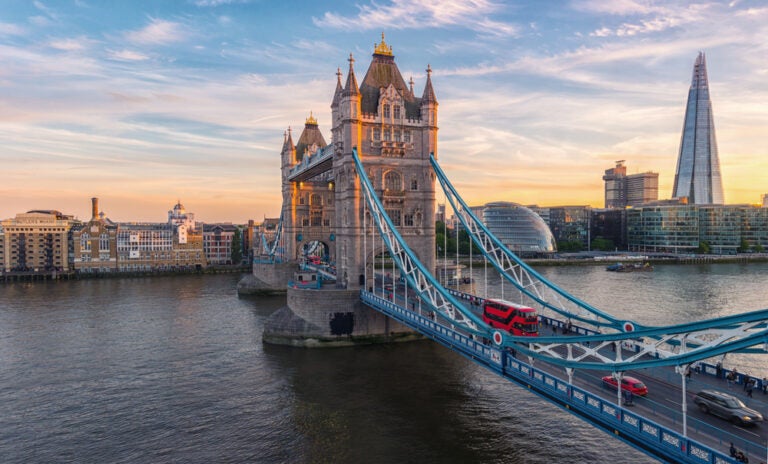
London
The capital of the UK, London, is widely considered one of the best public transport systems in the world – also one of the most historic.
The London Underground, often called “the Tube” by locals, first opened in 1863, making it the oldest metro system globally. Today, it remains the backbone of the city’s transport network, with 11 lines spanning over 400 km and connecting nearly every part of Greater London.
According to the TimeOut survey data, London’s public transport system has an 86% approval rating from locals, highlighting its reliability and extensive coverage. It also ranks among the top systems worldwide and is considered the best in Europe.
Prices typically range from $3.50 per ride (approximate fares may vary depending on zones, time of day, and payment method).
What makes London stand out is how well its transport options are integrated:
- The Underground, Overground, and National Rail services connect seamlessly.
- The Elizabeth Line, a modern high-speed addition, improves cross-city travel.
- Over 675 bus routes, including night services, cover the entire city.
- Contactless payments and Oyster cards make travel simple and efficient.
Beyond trains and buses, London also offers thousands of rental bikes available across the city.
Apps like TfL Go and Citymapper provide real-time updates, route planning, and fare information. Overall, London’s transport network combines history, scale, and innovation, making it one of the easiest cities in the world to explore without a car.

Berlin
Berlin is a great example of how public transport can be both simple and highly efficient. The city’s network is well-organized, easy to understand, and designed to get you wherever you need to go without complications.
What makes it stand out is how everything is fully integrated. The U-Bahn (underground), S-Bahn (overground trains), trams, buses, and even ferries all work together under one ticketing system.
The rail network is extensive, connecting the city center with surrounding areas and even nearby regions. Trains run frequently – often every few minutes during busy times – and services continue late into the night, with 24-hour options on weekends.
Through apps like Jelbi, you can plan routes and pay for journeys that include bikes, car-sharing, or e-scooters alongside traditional transport.
Prices are reasonable compared to many major cities, and if you’re staying longer, the Deutschlandticket offers unlimited travel across Germany for a fixed monthly cost.
Overall, Berlin is reliable, flexible, and easy to use – ideal for travelers who want a stress-free way to explore both the city and beyond.

Paris
Paris is not only a dream city for the romantics but also for travelers, as getting around is surprisingly easy. Its public transport system is dense, efficient, and designed to take you close to almost anywhere you want to go.
The Paris Métro is at the heart of it all, with 16 lines and over 300 stations. Chances are, wherever you are in the city, a station is just a short walk away. It’s fast, frequent, and one of the easiest ways to move between attractions.
Beyond the Métro, Paris offers a full range of options:
- The RER trains connect the city to suburbs, airports, and places like Versailles.
- Buses provide a slower, more scenic way to see the city.
- Trams cover outer areas not reached by the Métro.
Tickets are affordable, starting at just over $2, and passes like Navigo Easy make regular travel even better value.
Getting into the city from the airport is straightforward too, with direct train and Métro connections from Charles de Gaulle and Orly.
While public transport is the easiest way to get around, you’ve also got other options like bike-sharing (Vélib’), e-scooters, and ride-hailing services for shorter trips.
One of the most unique things about Paris is that even its transport system feels cultural – many metro stations feature distinctive designs and artistic touches, turning everyday journeys into part of the experience.
All in all, Paris makes it easy to explore quickly, affordably, and with a bit of charm along the way.
Exploring cities around the world without a car
Getting around a city is all part of the adventure when you do it right. From Hong Kong’s seamless connections and Shanghai’s high-speed innovation to London’s iconic network, and Berlin’s smart integration. Let’s not forget Paris’ dense yet easy-to-use system; each destination shows how good public transport can completely transform your experience.
What these cities all have in common is simple: they are designed to make travel easier. You don’t need to worry about renting a car, navigating unfamiliar roads, or spending too much on taxis. Instead, you can move around confidently, save money, and focus on what really matters: new experiences within new cultures.
Below is a quick comparison to help you see what makes each city stand out:
| City | Key strength | Transport highlights | Affordability | Ease of use |
| Hong Kong | Seamless connectivity | MTR, ferries, trams, Octopus card | ⭐⭐⭐⭐ | ⭐⭐⭐⭐⭐ |
| Shanghai | Scale and innovation | Metro, Maglev train, shared bikes | ⭐⭐⭐⭐⭐ | ⭐⭐⭐⭐ |
| London | Coverage and history | Tube, buses, Elizabeth Line, contactless payments | ⭐⭐⭐ | ⭐⭐⭐⭐⭐ |
| Berlin | Integration and flexibility | U-Bahn, S-Bahn, unified tickets, mobility apps | ⭐⭐⭐⭐ | ⭐⭐⭐⭐ |
| Paris | Density and accessibility | Metro, RER, trams, affordable tickets | ⭐⭐⭐⭐ | ⭐⭐⭐⭐⭐ |
So, the next time you’re planning a trip, it might be worth asking yourself: How easy is it to get around? One of these five cities might just be your best bet.

Plans that may interest you

I've been a copywriter for over 12 years, working mostly in the retail industry. I've managed copywriting teams and contributed to major campaigns for F&F at Tesco, TK Maxx, and Dreams. Outside of work, I love to cook, and a fun fact about me is that I have a phobia of bananas—it's the smell!