Language


 No results found
What food can you bring on a plane: what’s allowed and what’s restricted?
Wondering what food can you bring on a plane? Learn what’s allowed, what carries certain restrictions, and what you absolutely won’t get past security.

I’ll never forget my first trip to Italy. I discovered Pistachio spread and instantly became obsessed with it. So I treated myself to an expensive jar on the way to the airport and stuck it in my hand luggage, thinking nothing of it.
As I passed through security, I watched my bag get pulled aside. I approached the security officer who was searching my bag and saw her bring out my Pistachio spread. “You can’t take this through, it’s liquid,” she said, before tossing it in the bin and handing me my bag.
I stood there for a moment, confused. I had no idea that things like nut butters are not allowed on the plane.
Fast forward 10 years, and I’m now a much more clued-up international traveler. As it turns out, most food is allowed on planes, but there are some specific rules you must follow to avoid having your food taken away.
If you’ve ever wondered “What food can you bring on a plane?” and “What food is not permitted?” here’s a simple explanation:
- Allowed: Most solid foods
- Not allowed: Liquids or liquid-like foods over 100 ml (3.4 oz).
- What counts as a liquid? Anything you can pour, spread, or squish, including yogurt, soups, sauces, dips, peanut butter, honey, jam, hummus, and creamy desserts.
Foods you can bring on a plane
Snacks and dry food
Good news! You can bring your favorite candy bar on board. Most types of dry foods are allowed on a plane, including:
- Chips
- Crackers/popcorn
- Granola bars
- Nuts/trail mix
- Cookies/cakes
- Chocolate/candy
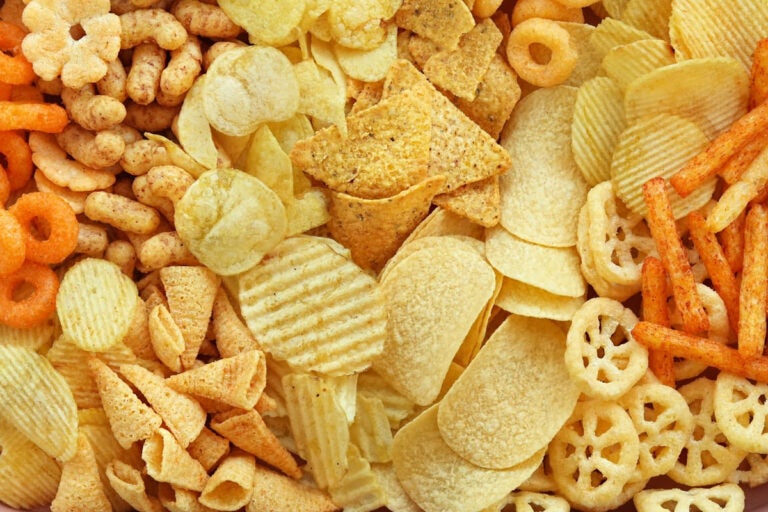
You can also bring dry pantry items such as pasta, rice, and grains. However, to avoid delays at security, ensure everything is sealed and ideally, in its original packaging.
Fresh food and homemade meals
Let’s be honest; most airplane food is terrible, so it’s natural to want to bring your own. But when it comes to meals, what kind of food can you bring on a plane?
You’ll be pleased to hear you can bring most types of fresh food, such as:
- Sandwiches/wraps
- Salads
- Cooked meat
- Cheese (except cream cheese over 100 ml (3.4 oz)
- Fruit
- Baked goods
- Cooked meals, except anything liquid-heavy like soup or stew
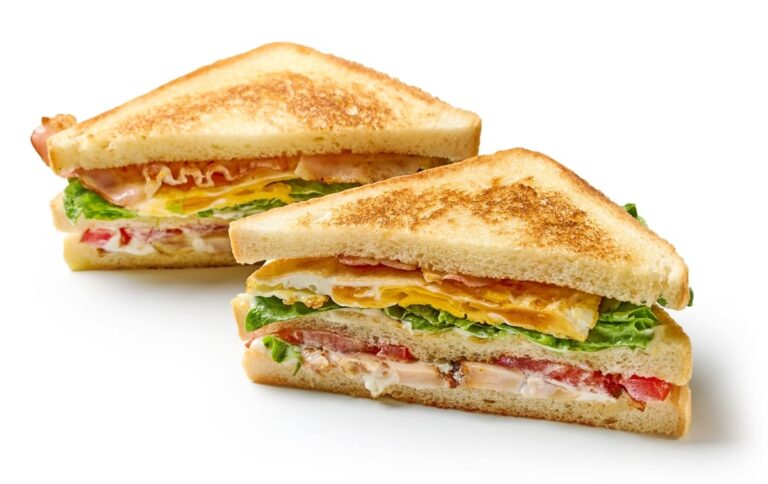
If bringing food from home, try to choose the least-smelly option. Strong-smelling foods like tuna, garlic-heavy dishes, or very pungent cheeses might not make you popular with fellow passengers. Also, pack your food in tightly sealed containers or zip-lock bags to avoid spills.
Baby food and special dietary items
Baby food, formula, and breast milk are classed as medically necessary food. So, they are allowed on the plane even if they exceed the usual 100ml limit for liquids.
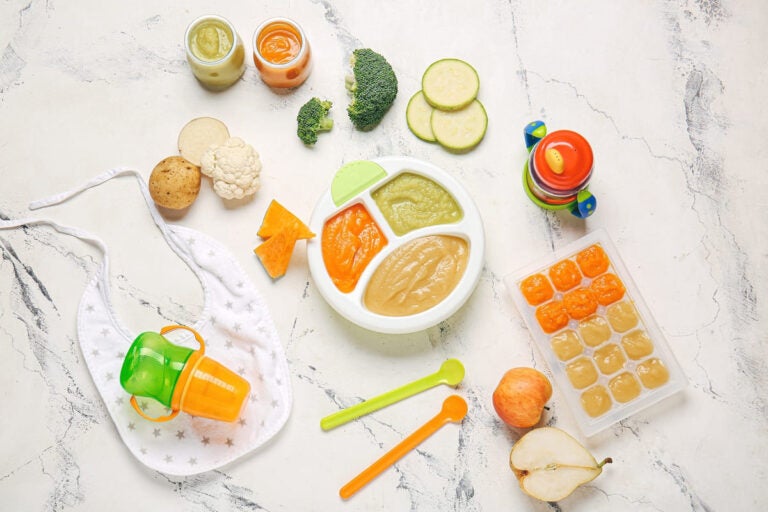
Additionally, any food or drink required for a medical condition, disability, or special health need is generally allowed in reasonable quantities, even if it breaks standard liquid rules.
Just be aware that your bag will get flagged for manual review when it goes through the machine. So keep these items readily accessible and allow a little extra time at the airport.
Similarly, if you’re traveling with a pet, wet pet food is also allowed. When I travel with my cats, my bag is usually flagged for their sachets of wet food (even though they are under 100g).
Foods that are allowed with restrictions
Restricted foods are generally liquid-based ones, like:
- Yogurt
- Cream cheese
- Nut butters
- Sweet or savory spreads
- Hummus, guacamole, or salsas
- Pasta sauces, pesto, and other sauces
- Condiments
- Soup
- Creamy desserts/puddings
How much liquid-type food you can bring depends on whether it’s in your carry-on or checked bag.
- Carry-on bag (the bag you bring in the cabin): Liquid or semi-liquid foods must be under 100 ml (3.4 oz).
- Checked luggage (the bag that goes in the hold): Almost any food is allowed, including full-size liquids like jars of sauce, bottles of olive oil, or big tubs of yogurt.
In addition, the TSA (Transportation Security Administration) has a specific rule regarding liquids in carry-on bags. Any liquid-type food must meet the 3-1-1 rule:
- 3 – Up to 3 liquids in containers no more than 100 ml (3.4 oz)
- 1 – All containers must fit inside 1 clear, resealable plastic bag
- 1 – Each passenger is allowed 1 bag of liquids
So, if you want to bring something like yoghurt, peanut butter, or, in my case, Pistachio spread, it must weigh less than 100 ml (3.4 oz) and be in a small container.
Technically, you could bring 3 small containers of the same liquid food if you wish. But remember, there is a limit of 3 small liquids in total, including liquid-based cosmetics or skin care products.
Food you can’t bring through security
There is generally one key rule about what you cannot bring in your cabin bag: any liquid or semi-liquid foods or drinks over 100ml.
Instead of putting these things in your carry-on bag, you can:
- Put them in your checked luggage
- Buy them after security
Alcohol restrictions
There are restrictions on how much alcohol you can buy at duty-free: 1 liter for spirits, 2 liters for sparkling wine, and 4 liters for still wine.
If bringing alcohol in your checked luggage, there’s no quantity limit on beer or wine, but you are restricted to 5 liters of spirits.
Flying internationally? Read this before you land
If you’re heading abroad, remember that what’s allowed in the air isn’t always allowed at your destination.
Each country has its own regulations on what you can bring through customs. Some items are restricted, even if TSA allows them on the plane.
The most common restricted foods are fruits, meat, and dairy products, and sometimes nuts and seeds. These are often banned to prevent pests, diseases, or contamination.
However, note that this only applies to your destination country. In general, this does not apply to passing through airports on a layover flight, where you don’t leave the airport.
So, if you take an apple or cheese snack with you on the plane, eat it during the flight or discard it before landing.
Additional tips for international travel
By planning ahead, you can enjoy a home-cooked meal on board and avoid getting your favorite foods confiscated at the airport.
Another way to make your airport experience stress-free is to know the recommended international flight check-in time and get to the airport with plenty of time to spare. This will ensure things like long security lines and extra screening for certain foods don’t cause you to miss your flight.
Another smart way to plan for an international flight is to have a reliable internet connection upon landing. And with Holafly, this step is easier than you think.
By getting a Holafly travel eSIM before you travel, you’ll have fast, unlimited data in your destination country from the moment you land. No swapping SIM cards or hunting for Wi-Fi required!
Browse the eSIM store to learn more about how Holafly keeps you connected 24/7.

Unlimited data. Peace of mind.
Make sure you have travel data that's there when you need it most.
Plans that may interest you


Hey, I’m Mika! I’m an SEO specialist with 7+ years of experience and a passion for travel info that actually helps you explore smarter. I write travel guides and tips backed by SEO insights so you can spend less time searching and more time adventuring.