Language
Two weeks in Southeast Asia on a tight budget: here’s what it actually costs
Planning a Southeast Asia backpacking trip? Here’s a practical guide to daily costs, routes, and smart money saving tips for a 2-week trip.

Southeast Asia has long been known as a cheap travel destination, loved by backpackers and budget travelers who want to keep costs low without missing out.
But in recent years, that “ultra-cheap” reputation has shifted, due to rising inflation, increased tourist demand, and economic growth.
So is it still possible to travel low-cost in Southeast Asia?
Yes, but it requires a few smart decisions upfront.
If you’re dreaming about backpacking this part of the world, but worry your budget won’t stretch, this article is for you. We’re sharing a practical, no-fluff breakdown on how to do two weeks in Southeast Asia on a tight budget in 2026.
What does “budget travel” actually mean in Southeast Asia right now?
10 years ago, it was possible to travel Southeast Asia comfortably on about $20–35 per day. In 2026, you’ll need double this, around $40–70 per day in most countries. This is generally enough to cover accommodation, food, local transport, and activities.
Despite the price increase, Southeast Asia is still one of the cheapest (and most beautiful) parts of the world. However, not all countries are priced the same, so the places you choose will shift your budget either up or down.
Here’s an overview of the average daily budget needed for low-cost traveling in the 4 key SEA countries:
| Country | Avg. daily budget (USD) | Budget-friendly highlights |
|---|---|---|
| Thailand | $45–65 | Street food, temples, beach islands |
| Vietnam | $35–45 | Pho breakfasts, overnight trains, UNESCO towns |
| Cambodia | $30–40 | Angkor Wat, river towns, low tourist density |
| Indonesia (Bali) | $40–60 | Rice terraces, surf beaches, villa stays |
While these are the country averages, many factors can affect the cost of your trip.
Firstly, choosing the most popular tourist destination in a country may raise your costs, while opting for the lesser-known destination often means lower rates. For example, Phuket is the most expensive place in Thailand, whereas Chiang Mai is much more affordable.
Other common budget killers include:
- Long-haul flights between countries: Choose destinations that are accessible by bus, train, or a short flight.
- Eating at tourist-trap restaurants near major landmarks: Eating in local areas almost always guarantees a cheaper, more authentic experience.
- Premium accommodation in peak season: The season you travel in significantly affects your daily expenses. Southeast Asia in Autumn is the best time to go, as the monsoons are ending, yet low-season pricing is still in place.
Which Southeast Asian countries should you choose for a two-week route?

For a two-week trip, it’s best to limit yourself to 2 or 3 countries. Ideally, you should choose destinations within a reasonable geographic distance to minimize the cost of internal flights.
For example:
- Chiang Mai – Hanoi – Da Nang
- Bangkok – Siem Reap – Ho Chi Minh
- Krabi – Kuala Lumpur – Bali
When traveling between places, check whether it’s possible to take an overnight train or bus. These are a genuine budget win as they save a night’s accommodation while being a low-cost way to reach your next destination.
For example, you can take a sleeper train from Hanoi to Da Nang, or an overnight bus from Bangkok to Siem Reap or Siem Reap to Ho Chi Minh.
For routes not accessible by land, budget airlines like AirAsia offer low-cost flights between SEA hubs when booked 6 to 8 weeks in advance. For instance, you can fly:
- Chiang Mai to Hanoi for just over $100
- Krabi to Kuala Lumpur for $50
- Kuala Lumpur to Bali for less than $100
If you’re on a very tight budget, it’s completely fine to stay in one country to reduce travel costs. For example, there are so many things to do in Vietnam in 2 weeks, and the regional buses between cities cost as little as $10-$20.
How to stretch your budget without missing out
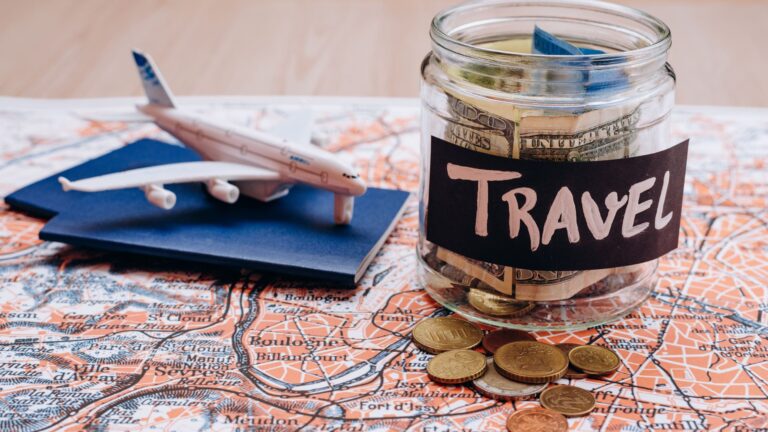
There are some costs you cannot avoid when traveling, but there are always ways to reduce these expenses.
Accommodation is typically the highest cost, but it can differ significantly depending on whether you choose private or shared. In most SEA countries, a private room in a hostel costs around $15-25 a night, while shared dorms drop to $8-12.
When booking your accommodation, always compare prices between booking sites and the hostel’s direct website. And if possible, opt for flexible cancellation to accommodate spontaneous itinerary changes.
If you’re flying between destinations, packing light is where you can save the most money. Having just one smart travel backpack as your carry-on means skipping checked baggage fees on every budget airline.
Food is where Southeast Asia genuinely delivers on its promise of cheap travel. Even in 2026, street food and meals at authentic local restaurants are typically under $3–5. However, restaurants in the most touristy districts can charge two to three times more for the same dish. So avoid the main squares and beach roads, and look for places where locals are eating.
Activities and entry fees to attractions are where costs add up fast, and without keeping track, it’s easy to blow your budget here.
To avoid that, plan just a few paid activities; the most iconic must-do things to do in each destination, like Angkor Wat in Siem Reap. Then, balance these with plenty of free options, such as temples, markets, beaches, and hiking trails.
Finally, be aware of the small but costly budget leaks that many travelers forget to account for, like:
- Spontaneous tuk-tuk rides
- Souvenir shopping
- Sunset beers
A realistic two-week itinerary that actually fits the budget
Not sure where you want to go? If you need some inspiration for an epic but cheap SEA trip, consider the following itinerary. Treat this as a flexible itinerary template rather than a set plan, knowing you can swap destinations or adjust durations to suit your preferences.
- Days 1-3: Fly to Bangkok for 3 nights.
- Days 4-6: Take the overnight train to Chiang Mai ($25–35). Stay for 2 nights.
- Days 7-9: Fly to Hanoi ($80-100) for 3 nights.
- Days 10-12: Take the sleeper bus to Hoi An ($15 – $25) for 2 nights.
- Day 13: Fly home from Da Nang
Total in-region transport budget: Approximately $120–160 if booked 4-8 weeks in advance.
This itinerary skips Cambodia and Bali entirely, which is fine for the duration of the trip. Trying to squeeze in four countries in two weeks usually means spending more time traveling than actually enjoying the destination.
Is now a good time to book, and how far ahead should you plan?
Shoulder season is typically the best time to visit Southeast Asia, as hotel rates are lower and crowds are fewer, and the weather is mostly good, though there may be occasional rain.
Shoulder season varies by country but generally falls between March and June and between September and November. This means there are two options:
- A last-minute getaway, which you will need to book ASAP
- An autumn trip with plenty of time to plan and get early bird deals
If you’re planning for this autumn, note that booking long-haul flights 3-4 months out offers the best rates. However, budget airlines like AirAsia typically release their lowest regional fares 6–8 weeks in advance. When booking flights, being flexible with dates will yield greater savings, as Tuesdays and Wednesdays are typically the cheapest days to fly.
For accommodation, especially hostels, there is no need to book far in advance. However, be aware of any local festivals during your trip, as this often causes accommodation to sell out weeks or months in advance.
Stay connected for less on your Southeast Asia trip
One small travel expense you shouldn’t skip? A reliable mobile connection.
When moving between cities, you’ll be relying on maps, booking apps, and translation tools to keep everything running smoothly.
The problem, however, is that WiFi isn’t always available, especially when you’re on the move.
A travel eSIM like Holafly lets you set up your data plan before you even leave home, so you can land in Bangkok, Hanoi, or Bali with instant internet access. No swapping SIM cards, no expensive roaming fees, just one low set costand unlimited data for your entire trip.
And for country-hopping, Holafly’s eSIM for Southeast Asia gives you an uninterrupted borderless connection.

Unlimited data. Peace of mind.
Make sure you have travel data that's there when you need it most.


Hi, I'm Mika, a South Korean writer living in the US. I cover travel and live events, focusing on the practical stuff that makes your trip smoother, whether you're navigating a new city or heading to a major international event.I'm also the founder of Search SEOul, South Korea's leading SEO conference, bringing together search marketing experts and speakers from around the world.