Language


 No results found
Don’t just watch the Games! Here’s how to spot the “real” Italy during the Winter Olympics
During Milano-Cortina 2026, the Olympics will be just one part of the experience. Here’s how to discover the unique cuisines, diverse landscapes, and hidden histories behind Italy’s Winter Olympic cities.

The 2026 Winter Olympics are about to begin, and this time, Italy is flipping the script.
Rather than creating the usual “Olympic bubble” to keep spectators in the heart of all the sporting action, Italy has spread the events across multiple regions. This setup gives visitors the perfect opportunity to see the “real” Italy.
With Olympic hubs in four distinct areas, the 2026 Olympics is not just an exciting sporting event, but a cultural journey that changes with each new place you arrive at.
In this article, we’re sharing insider tips on how to experience the famous “la dolce vita” during the Games. Read on to discover the foods, cultures, landscapes, and hidden histories behind Italy’s Winter Olympic cities!
Cortina d’Ampezzo: Alpine glamour
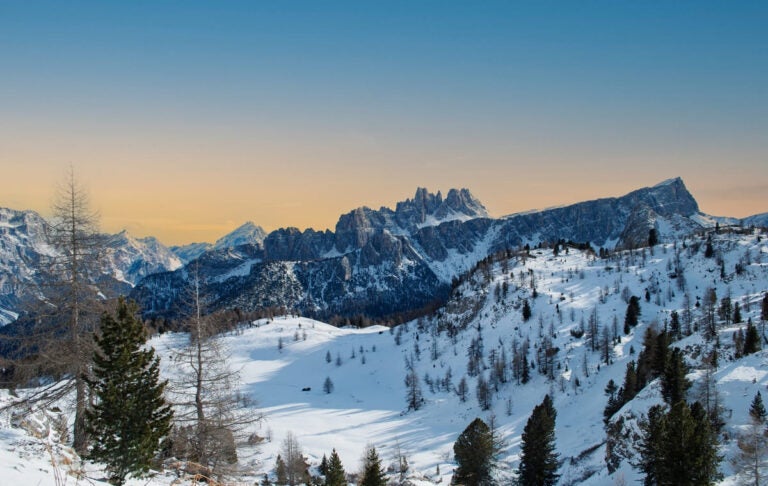
The alpine town of Cortina d’Ampezzo is no stranger to the Games, having hosted the 1956 Winter Olympics. This worldwide attention put Cortino on the map, as Italy’s “window to the Alps.”
With a breathtaking backdrop of the Dolomites, Cortina has become a luxury ski resort town that blends Alpine architecture (charming chalets) with Italian sophistication (boutiques and spa hotels).
Between watching Italy’s winter Olympics rising stars in action on the slopes, take a stroll through Corso Italia (the historic center), preferably in the evening, when the après-ski culture combines with the Italian Aperitivo tradition. During this time, the restaurants and cafes along the pedestrian-only streets fill to the brim with locals and tourists alike.
Another must-do in Cortina d’Ampezzo is to try the town’s traditional dishes. Blending Tyrolean, Venetian, and classic Italian cuisine, you’ll find hearty Alpine foods like:
- Spätzle (green dumplings made with spinach)
- Speck canederli (bread dumplings with smoked cured ham)
- Casunziei (ravioli filled with red beet)
Livigno: Cozy mountain life
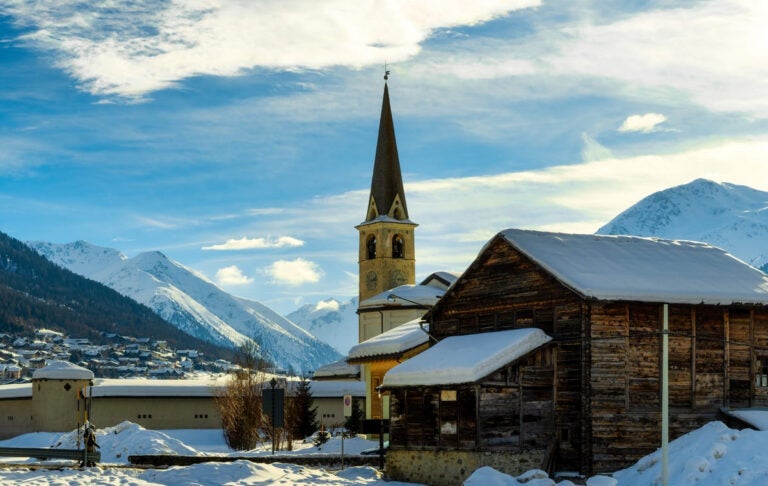
Livigno is the type of place where winter feels magical rather than miserable. The high-altitude ski town has long, snow-heavy winters, when locals and tourists hit the slopes and refuel with the region’s mouthwatering comfort dishes.
Despite being a popular ski town, Livigno has a relaxed “mountain life” vibe. Even with the Games on and ski season in full swing, the locals continue to go about their daily business, giving you a clear idea of what it’s like visiting vs living in Olympic cities.
This authenticity stems from the town’s history. During the 16th century, Livigno was an impoverished farming community, isolated from the rest of the country. Yet today it’s a premium duty-free tourist destination adored for its dramatic Alpine scenery and wide valleys.
While you might come to Livigno to watch the snowboarding and freestyle skiing events, don’t leave without exploring the food culture.
Here you’ll learn all about the concept of mountain food – hearty meals historically designed to sustain people through cold mountain winters. These comfort dishes are heavy, nutrient-dense, and they warm you from the inside out:
- Polenta livignasca (a type of polenta usually made with local alpine cheeses)
- Pizzoccheri (buckwheat pasta with potatoes, cabbage, and local cheese)
- Bresaola (a protein-rich cured meat with a deep red color but mild taste)
Valtellina: Scenic wine tasting
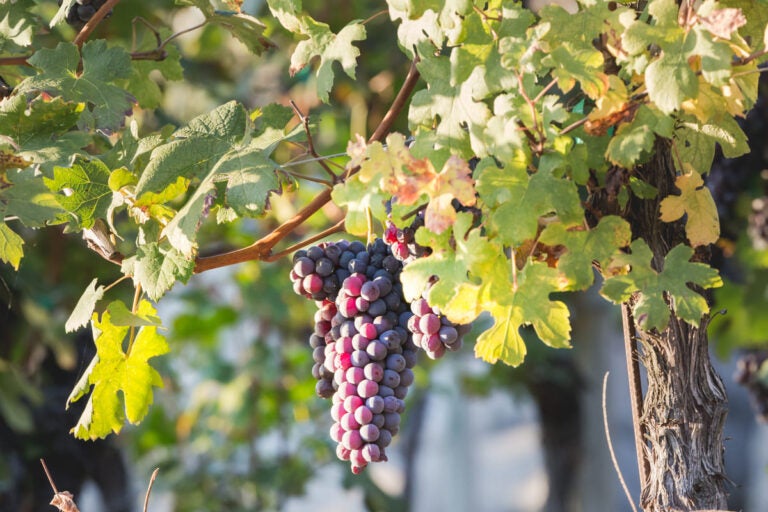
Valtellina is known for its scenic vineyards, an impressive array of regional wines, and cuisine as rustic as the region itself. The gorgeous Alpine valley oozes charm with old stone houses, perfectly terraced hillsides, and historic town centers that transport you back in time.
During Italy’s Winter Olympics, the Valtellina town of Bormio will host the debut sport of ski mountaineering, and so, it is expected to attract thousands of spectators.
While here, check out the valley’s wine-tasting heritage with a cellar tour or a visit to one of the many family-run trattorias. Taste the region’s alpine-grown Nebbiolo wines, such as Valtellina Superiore DOCG, which has distinct notes of red berries, dried flowers, and alpine herbs.
Pair these wines with hearty dishes that locals have been eating for centuries to survive the cold winters, like:
- Pizzoccheri
- Bresaola
- Sciatt (deep-fried cheese balls)
- Polenta Taragna (polenta with local cheese)
Milan: Fashion & design hub

If your vibe is more urban than rural, you’ll love Milan, where the 2026 Winter Olympics ice sports are taking place.
The city blends historic landmarks like the famous Duomo with modern districts and futuristic skyscrapers. With a bustling, international vibe, Milan’s fresh dose of urban energy is a stark contrast to the Alpine tranquility of Italy’s other Olympic locations.
However, as the fashion capital of the world, a thriving design hub, and the home to three international airports, Milan grounds the Games both culturally and logistically.
It gives you the chance to see what Italian city life is really like and partake in the famous aperitivo ritual that originated here.
Milan offers a varied food culture. You’ll find all types of international food alongside local dishes like:
- Risotto alla Milanese (rissoto made with saffron)
- Ossobuco (braised veal shank)
- Cotoletta alla Milanese (breaded veal cutlets)
How to experience the “real” Italy during the Winter Olympics
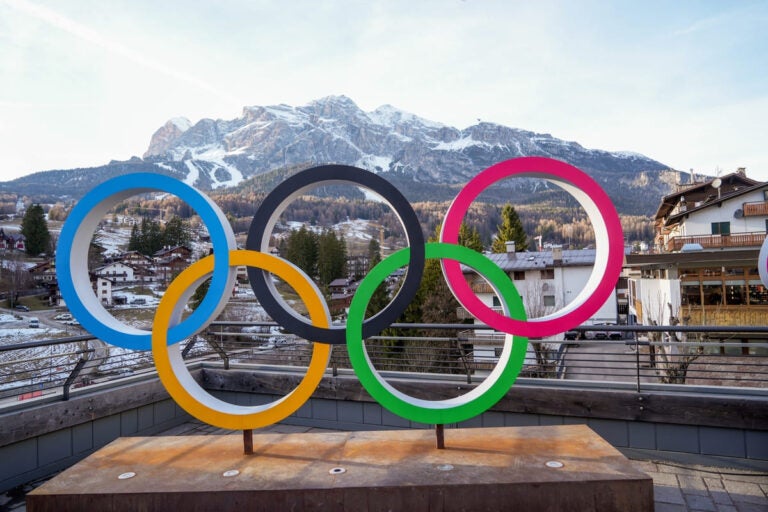
Italy’s Winter Olympics will feel different from past hosts as the venues are extremely spread out, meaning the culture, cuisine, and landscapes vary from place to place. So while you might be heading there for the Games, the Olympics are just one part of the experience.
Here’s how you can go beyond the venues, experience “Italia” in the most authentic way, and discover the hidden histories behind Italy’s Winter Olympic cities:
- Walk through the town centers, not just fan zones: Practically every Italian town and city has a historic center, usually located in the center of town. This area, which is often pedestrian-only, is full of cafes, restaurants, and bars where locals and tourists gather.
- Eat where locals eat: Tourist destinations like Milan and Cortina tend to have some restaurants primarily aimed at tourists, where the food is mediocre, and the prices are high. You can easily spot these “tourist traps” as you’ll hear more English than Italian. Instead, choose eateries where you see mainly locals. Hint: They are often on small back roads or a few blocks from the city center.
- Take your time: For Italians, slow moments matter. They enjoy long, relaxed lunches, multiple coffee breaks in the local cafes, and evening strolls after dinner. During your trip, try to adopt these habits and see how much more relaxed you feel!
- Learn a few basic Italian phrases: The locals love it when tourists try to learn their language. A simple Ciao (hello), Buongiorno (good morning), and Grazie (thank you) will go a long way.
Stay connected during Italy’s Winter Olympics with Holafly
From navigating regional trains to finding local trattorias, having a reliable internet connection is key to exploring Italy and the Games confidently and spontaneously.
That’s where Holafly eSIMs come in.
With instant activation and unlimited data across Italy, you can stay online from Milan’s city streets to Cortina’s ski slopes for just a few euros a day.
Get a Holafly eSIM for Italy here and make the most of every place the Olympics take you!

Unlimited data. Peace of mind.
Make sure you have travel data that's there when you need it most.
Plans that may interest you


Hey, I’m Mika! I’m an SEO specialist with 7+ years of experience and a passion for travel info that actually helps you explore smarter. I write travel guides and tips backed by SEO insights so you can spend less time searching and more time adventuring.