




 Language


 No results found
A local’s guide to Florida’s must-try foods: 10 dishes you can’t miss!
A local’s take on Florida food, from Cuban classics to fresh coastal seafood you won’t find on the usual tourist trail.

Florida is more than just theme parks and beaches.
The state’s authentic food culture is found in seafood shacks, Cuban cafés, and family-run spots that visitors often overlook. To uncover what locals truly love, I spoke with Manuela Oswald, a Miami native and Holafly employee, who shared her favorite Florida food.
Let’s make a start.
Cuban rice and black beans with sweet plantains (maduros)

In Florida, especially in Miami, Cuban rice and black beans with sweet plantains are among the most popular Florida foods shaped by the state’s large Cuban diaspora.
Manuela says this is the kind of food people grow up with and keep coming back to. It reflects Spanish, African, and Caribbean influences and shows up in cafés, bakeries, and street stalls across the city. You will often see it served as a side at long-standing Miami restaurants like Versailles and La Carreta, usually alongside roast pork or ropa vieja.
Manuela describes the dish as balanced and comforting. Savory black beans cooked with sofrito, cumin, and oregano pair with fluffy white rice, while caramelized maduros add a soft touch of sweetness.
Conch Fritters
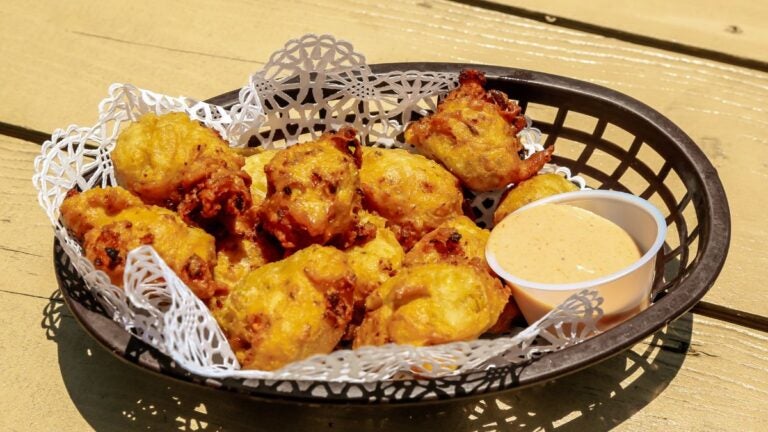
Conch fritters are a defining coastal snack in Florida cuisine, especially in the Florida Keys and parts of Miami.
The dish reflects Bahamian and Caribbean roots, brought to South Florida by Bahamian settlers in the 1800s. Today, conch meat is imported, but the tradition remains central to Key West’s identity, often referred to as the “Conch Republic.”
The fritters are crisp on the outside and tender on the inside. Mild, slightly sweet conch is mixed with onions, peppers, and celery, then finished with a gentle heat and a tangy dipping sauce.
Manuela recommends long-standing spots like Conch Republic Seafood Company, B.O.’s Fish Wagon, and La Camaronera Seafood Joint and Fish Market.
Stone Crab Claws with mustard sauce
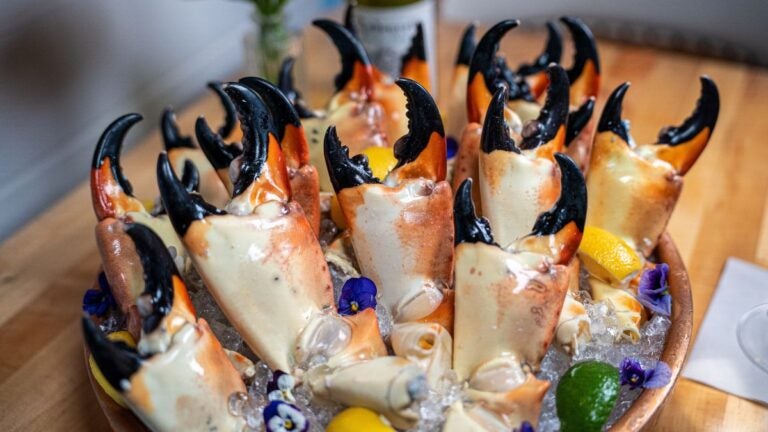
Stone crab claws with mustard sauce are a seasonal highlight of South Florida’s dining scene.
The dish is prized not only for its flavor but also for its sustainability, since only the claws are harvested and the crab is returned to the water to regenerate. The meat is firm, sweet, and clean, often compared to lobster.
It’s served chilled with a tangy mustard sauce that balances richness and sharpness. Manuela recommends trying it at Joe’s Stone Crab, Billy’s Stone Crab, or in Everglades City at City Seafood, the heart of Florida’s stone crab industry.
Grouper Sandwich
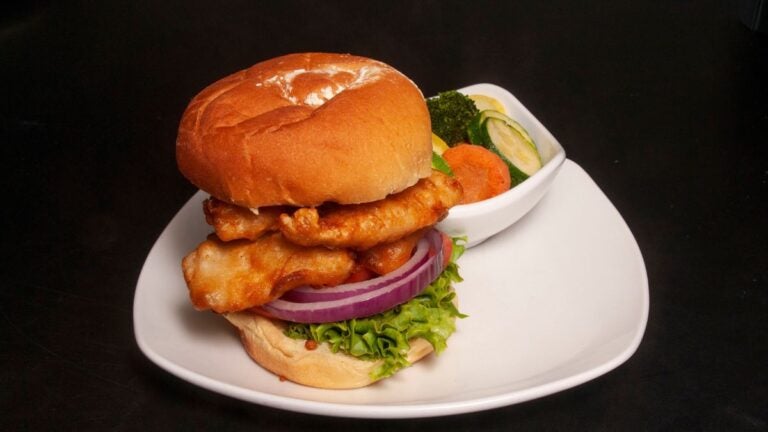
The grouper sandwich is one of the most recognizable foods in Florida, found on menus from the Keys to the Panhandle.
Manuela describes it as the default order at beachside restaurants, especially after a day on the water. Interestingly, its popularity has made diners more aware of sourcing, with many spots emphasizing “real grouper” to reflect local fishing traditions.
Grouper itself is mild, slightly sweet, and firm, with large flakes and a clean finish. It’s typically served on a simple bun with lettuce and tomato, plus a bright sauce or lemon to cut through the richness.
Some well-regarded spots across Florida known for their excellent grouper sandwiches can be found at Frenchy’s Rockaway Grill, Star Fish Company, and Hogfish Bar & Grill.
Cuban Sandwich (Cubano)
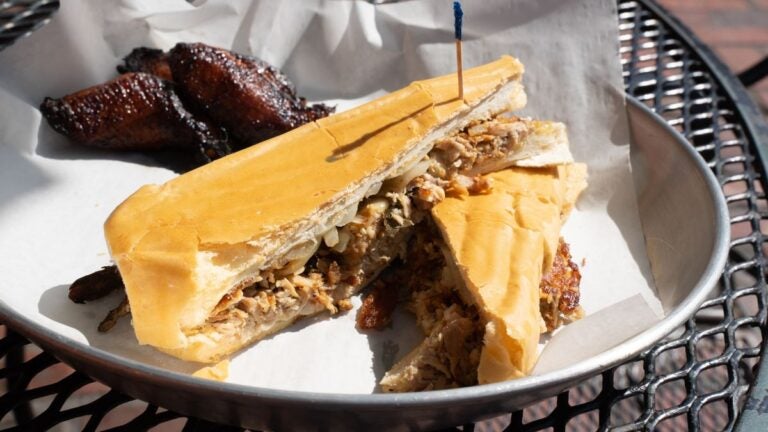
The Cuban sandwich is one of Florida’s most debated and enduring food icons.
Manuela explains that the sandwich began with Cuban cigar workers in Key West and Ybor City, before splitting into two clear styles. Tampa’s version includes salami, influenced by Italian immigrants, while Miami’s sticks to pork, ham, Swiss cheese, pickles, and mustard. Across Florida, it is always pressed until the bread turns crisp and the fillings come together.
Flavor comes from contrast. Mojo-roasted pork and sweet ham bring depth, mustard and pickles add bite, and melted Swiss rounds it out.
Manuela recommends classic stops like Columbia Restaurant, Sanguich, and Versailles for a reliable take on this Florida staple.
Key Lime Pie
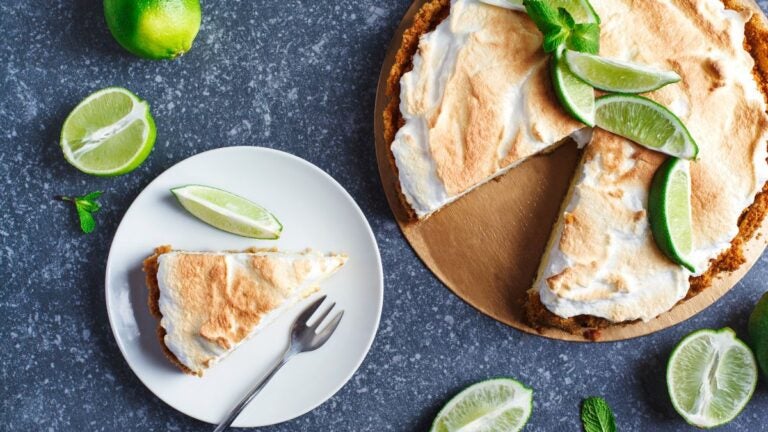
Key lime pie is Florida’s official dessert.
The pie emerged in the late 19th century, when residents relied on canned milk and local Key limes due to limited refrigeration.
When it comes to flavor, Key limes bring intense tartness, softened by sweet condensed milk and egg yolks, all set in a buttery graham cracker crust. Almost every eatery offers its own version, but some stand out for their authentic or unique take, including Blue Heaven, Blond Giraffe Key Lime Pie Factory, and Joe’s Stone Crab.
Pro tip: Restaurant tips in Florida typically range from 18% to 20%. Some restaurants automatically add an 18–20% gratuity for large groups, so it is always worth checking the bill. At casual Cuban cafeterías, tipping is less formal but still appreciated. Many of these iconic spots are spread across the state, so consider checking out Florida’s public transport options to navigate between neighborhoods.
Key Lime Cheesecake
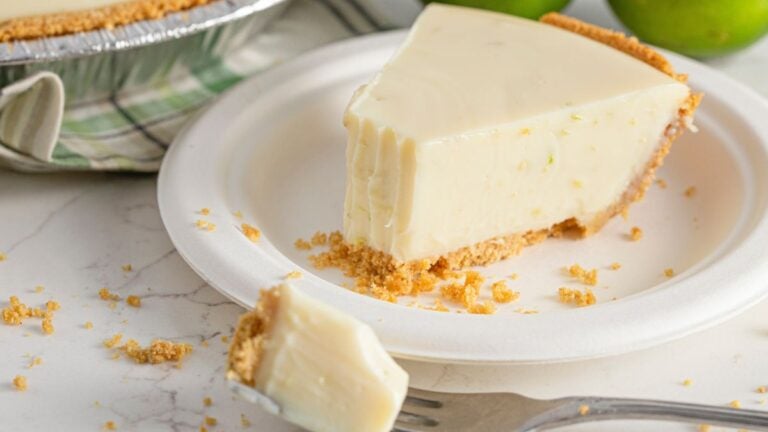
Key lime cheesecake is a modern Florida dessert that blends the state’s iconic citrus with a richer, more indulgent format.
Manuela explains that this dessert is more about adaptation than tradition. It offers a denser take on Key lime pie while keeping the same sharp citrus flavor. Real Key lime juice cuts through the rich cream cheese filling, with sweetness and tartness balanced by a buttery graham cracker crust. The result is creamy, bright, and filling.
If you fall in love with the flavor, you might want to bring some home. Check out our guide to Florida souvenirs for Key lime products and other local treats worth packing.
Manuela notes that it’s widely available across the state, from bakeries to restaurant dessert menus. Reliable versions can be found at The Cheesecake Factory locations, Blond Giraffe Key Lime Pie Factory, and at The Florida Key Lime Pie Company, which offers several tropical cheesecake variations.
Pastelitos de guayaba (Guava pastries)

Pastelitos de guayaba are a daily staple in South Florida, especially in Miami’s Cuban neighborhoods. Manuela describes them as an everyday treat, often picked up with a strong café cubano from a neighborhood ventanita.
The pastry is light and flaky, with a buttery crust that gives way to warm guava paste. The filling is sweet and slightly tart, and many locals prefer the guayaba y queso version, which adds a layer of creamy, lightly salted cream cheese.
Manuela recommends classic bakeries like Versailles Bakery, El Brazo Fuerte Bakery, and Pinecrest Bakery for consistently good pastelitos.
Tostones
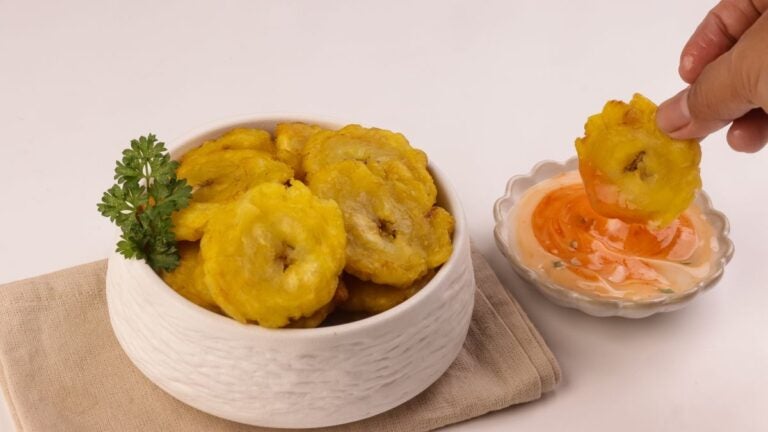
Tostones are another staple across Florida’s Latin American and Caribbean communities, from Miami to Orlando and Tampa.
Made from green, unripe plantains, they reflect everyday cooking traditions in Cuban, Puerto Rican, Dominican, Colombian, and Venezuelan households. Manuela points out that tostones appear everywhere, from family meals to restaurant plates, because they pair well with seafood, roast pork, and rice and beans. Their defining step is double-frying, which gives them structure and a crunchy texture.
The flavor is savory and earthy, with no sweetness. A crisp exterior gives way to a tender center, finished with salt and often accompanied by a garlicky mojo sauce. Some great versions can be found at Versailles Restaurant, La Carreta, and Old’s Havana Cuban Bar & Cocina.
Maduros
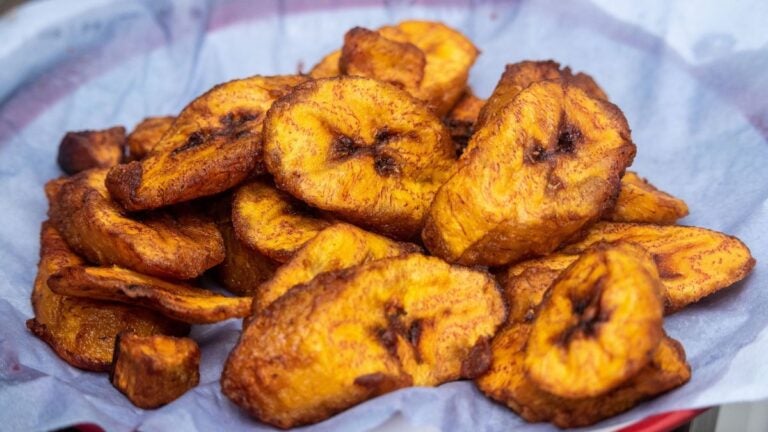
Maduros are a typical Florida food on Cuban and Caribbean tables.
Made from ripe plantains, Manuela describes them as comfort food that balances savory meals, such as roast pork or rice and beans. Their role is to add sweetness where other dishes tend to be salty or rich in flavor.
The taste is naturally sweet and tropical. As the plantains ripen, their sugars intensify, and frying caramelizes the surface while keeping the inside soft and tender. Maduros are widely available in most Cuban or Latin American restaurants in Florida.
Notable options include Versailles Restaurant, La Carreta, and Padrino’s Cuban Restaurant.
Find Florida’s best food spots on the move with Holafly
Finding popular foods in Florida often means checking maps and reviews while on the go. That’s where our Florida eSIM comes in handy.
Holafly eSIMs offer mobile data in Florida, eliminating the need to rely on public WiFi or swap physical SIM cards. With unlimited data eSIMs and flexible plans, you can navigate, message, and share your finds with family and friends with ease.
Holafly Plans also work well for longer trips or continued travel across America, keeping you connected from one destination to the next.

Peace of mind before you fly
Set up your eSIM before travel and get unlimited data on arrival.
Plans that may interest you

I am a Liverpool-based SEO content specialist with years of experience crafting content that connects. I combine my love for clear communication with a passion for travel and languages (currently diving into Japanese!). At Holafly, I'm here to help you understand everything about staying connected abroad, turning technical jargon into straightforward advice you can actually use.