Language
How to plan a first trip to Peru without overpaying for everything
Learn how to plan a Peru trip without blowing your budget. Discover real costs, tourist traps, and money-saving travel tips for first-time visitors.

The majestic Machu Picchu, the spectacular Sacred Valley, Cusco’s charming colonial streets; Peru isn’t just another destination on a list, it’s the kind of trip people dream about for years.
But while the desire to go is easy, figuring out how to afford it without massively overpaying is where the hesitation starts to creep in.
Between expensive tour packages, marked-up tourist menus, and endless “must-do” experiences, the cost of a Peru trip can add up quickly.
But the good news is, with some research and planning, Peru doesn’t have to drain your savings. In this article, we’re revealing where first-time travelers tend to overspend, what’s genuinely worth paying extra for, and where you can cut costs without diminishing the experience.
How much does a trip to Peru actually cost?
Peru is not the cheapest South American country to visit, but it certainly is not the most expensive either. It is far more affordable than places like Brazil, Chile, Uruguay, and Colombia.
Here are the estimated daily costs for budget, mid-range, and comfort travelers.
| Traveler Type | Estimated Daily Budget | What’s Included |
|---|---|---|
| Budget | $40 to $70 USD | Hostels, local restaurants, public transport |
| Mid-range | $80 to $140 USD | Private rooms, mix of local and tourist dining |
| Comfort | $150-350+ USD | Boutique hotels, guided tours, domestic flights |
Within these estimated budgets, some costs remain fixed regardless of your budget. Things like entrance fees to Machu Picchu, train tickets to Aguas Calientes, and domestic flights are unavoidable.
However, there are plenty of other ways to cut costs, which we’ll reveal in the next sections.
The Peru tourist traps that drain your budget on day one
Here are some common areas where first-time Peru travelers tend to overspend:
- Airport transfers from Lima Airport: The official taxis inside the terminal may seem like the safest option, but they are very overpriced. Savvy travelers use licensed apps like InDriver or Cabify that cost a fraction of the price but are just as safe and reliable.
- Tour packages in Cusco’s Plaza de Armas: The street sellers here are known for quoting notoriously high prices. You can find the same tours for much cheaper through hostels or by booking online in advance.
- The Machu Picchu ticket trap: Many first-timers don’t know that entry must be booked in advance through the official government site. You will find many touts offering to “help” you get tickets and offer “add-ons” like train upgrades or premium bus packages, charging double the price (or more). If online tickets are sold out for your preferred date, you can buy official tickets in person at the Aguas Calientes cultural center.
- Currency exchange at the airport: Exchange rates at the airport are extremely bad. Wait until you get into town, then find an ATM to withdraw using a multi-currency no-foreign-fee debit card. If you need to exchange cash, do it at the official casas de cambio in Miraflores or Cusco city center.
To avoid these common tourist traps, add tasks like getting a multi-currency card and downloading a local ride-hailing app to your international travel checklist. That way, you’ll arrive in Peru fully prepared.
What’s actually worth paying full price for?
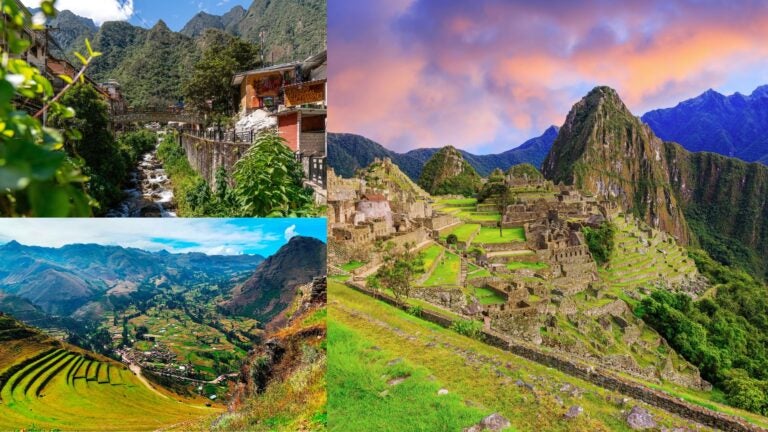
Peru is one of the best countries to visit in South America because there are so many cool things to do. However, if you make the mistake of trying to do it all, you’ll blow your budget before your trip has even begun.
Here are the Peru experiences you should focus on:
- Machu Picchu: No Peru trip is complete without it, so do NOT skip it to save money. It’s worth every cent.
- The Vistadome or Expedition train to Aguas Calientes: The journey to Machu Picchu is part of the experience. Yes, the train is expensive, but it’s incredibly scenic, and it saves a huge amount of time and energy, especially if you’re on a shorter itinerary. There are cheaper ways to get there, like shared mini-buses followed by a long walk to the trailhead, but they add a full day of travel, which offsets the money saved.
- A half-day guided tour of the Sacred Valley: The Sacred Valley is full of impressive sites, but without context, it can all blur together. A good guide connects the dots, so you’re not just staring aimlessly at nice ruins. Guides also save you time, as they know what to see and what to skip.
While not an experience, another thing you should not skip is altitude sickness medication (soroche pills). You don’t need to put this on your Peru packing list, as they are available at all pharmacies in Cusco for very little cost.
Lima vs Cusco vs Machu Picchu: where does your money go the furthest?
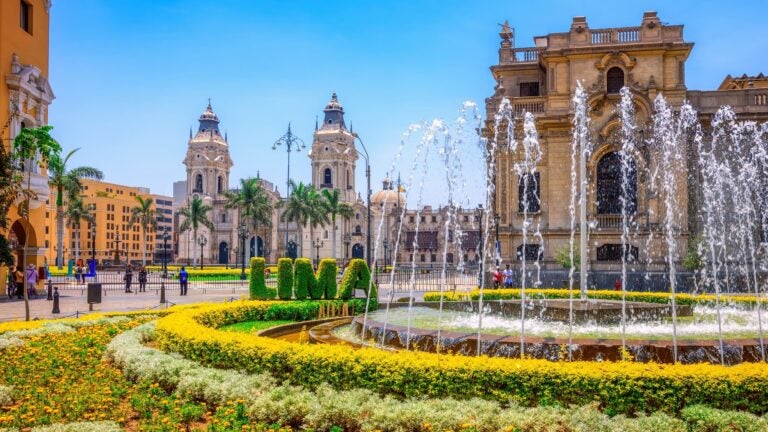
Prices in Peru vary by region, so your budget will determine, to some degree, where you go and how long you stay.
- Lima: The capital city is significantly cheaper than Cusco, though the beachfront restaurants tend to have inflated tourist-menu prices. If you’re in the Miraflores or Barranco district, head inland to find excellent local ceviche restaurants for a fraction of the cost, as well as cheap market lunches.
- Cusco: Restaurant and accommodation prices are most inflated near the Plaza de Armas. By choosing to stay and eat a few streets away from the plaza, you can save considerably on costs.
- Aguas Calientes: This small town below Machu Picchu is the most expensive place in Peru. Minimize nights there to avoid your entire budget being absorbed in one place.
- Ollantaytambo: This town in the Sacred Valley is a beautiful, cheaper alternative base for a day trip to Machu Picchu. You will find more “local” pricing, as well as affordable family-run hotels and homestays.
How to book Peru the smart way (and what not to leave until you arrive)
A Peru trip involves many moving parts, so it can be confusing to know how to plan. Here’s when to book each part of your trip:
- 2-3 months in advance: Machu Picchu entry, the Inca Trail, and the train to Aguas Calientes all require advance booking. Depending on the season, they typically sell out weeks to months out, so this is the first thing you should book after securing your return flight.
- 4-8 weeks in advance: If you’re visiting in the high season (June to August), book your Cusco accommodation at least 4 weeks in advance, as hostels and mid-range hotels fill up quickly. If you’re traveling in shoulder season, you can book closer to your travel date, but don’t assume you can sort out accommodation on arrival.
- 3-4 weeks in advance: For domestic flights between Lima and Cusco, book a few weeks in advance for the best prices. Look for local airlines such as Sky Airline or LATAM Peru.
Travel insurance: Many travelers assume they can sort out international travel insurance the night before their flight, but this is incredibly risky. In reality, you should buy insurance right after making your first non-refundable booking, such as your return flights. Doing so protects you from things that could happen before your trip, such as flight cancellations, unexpected illness, or emergencies.
When is the best time to visit Peru?
Most travelers visit Peru from June to August, which is the high season. The weather is beautiful (it’s dry, warm, and sunny), but it’s also very busy, more expensive, and everything sells out in advance.
April to May and September to October are Peru’s shoulder-season sweet spots. There are fewer crowds, lower prices, and weather that is still manageable.
December to March is the rainy season in the highlands, which affects visibility on the Inca Trail and at Machu Picchu. While you might find significant deals during this period, the weather can dampen your experience.
As of now (May 2026), a trip in September or October 2026 is the most realistic planning window with good conditions, availability, and prices.
Avoid high roaming fees in Peru with Holafly
Once you’ve sorted flights, accommodation, and your Machu Picchu plans, there’s one more thing that can determine your Peru budget and experience: mobile data.
Between navigating the streets of Cusco, booking last-minute transport in the Sacred Valley, and using translation apps in local markets, you’ll rely on your phone constantly. But roaming charges can add up quickly, and airport SIM cards are often overpriced.
A more wallet-friendly alternative is setting up a Holafly eSIM before you travel. It gives you unlimited mobile data as soon as you land, and keeps you connected across the country, including remote areas like the Sacred Valley.
Check out the Holafly eSIM for Peru here.

Unlimited data. Peace of mind.
Make sure you have travel data that's there when you need it most.
Plans that may interest you


Hi, I'm Mika, a South Korean writer living in the US. I cover travel and live events, focusing on the practical stuff that makes your trip smoother, whether you're navigating a new city or heading to a major international event.I'm also the founder of Search SEOul, South Korea's leading SEO conference, bringing together search marketing experts and speakers from around the world.