Language


 No results found
Easter traditions around the world: 12 unique ways Easter is celebrated
Easter traditions around the world include 12 unique celebrations. See how people celebrate Easter in different countries, plus travel-ready highlights.
Easter traditions around the world vary far more than many people expect, from solemn religious processions to playful, even surprising local customs. Instead of focusing on theology, this guide explores how people celebrate Easter in different countries, highlighting unique rituals shaped by culture, history, and folklore rather than one shared set of traditions.
Whether you’re curious about unusual Easter customs or looking for inspiration on destinations to visit during Easter, this article shows what makes Easter celebrations around the world so distinctive.

An eSIM you can rely on
Join over 10 million Holafly customers and get connected with our trusted, global services.
12 unique Easter traditions around the world
Easter is observed in many countries, but the way it’s celebrated often reflects local identity more than global tradition. The table below provides a quick overview of where and how these Easter customs take place, followed by deeper explanations of each one.
| Country | Location | Local name | Highlights |
|---|---|---|---|
| Germany | Franconia, Bavaria | Osterbrunnen | Decorated village fountains |
| Greece | Corfu Island | Botides | Clay pot throwing |
| Sweden | Nationwide | Påskkärringar | Children dressed as witches |
| Poland | Nationwide | Śmigus-Dyngus | Water splashing |
| Czech Republic and Slovakia | Nationwide | Pomlázka | Braided willow whipping |
| France | Bessières | n/a | Giant omelette making |
| Spain | Seville and Málaga | Semana Santa | Processions and floats |
| Italy | Florence | Scoppio del Carro | Exploding cart ritual |
| Bermuda | Nationwide | n/a | Homemade kite flying |
| United States | Washington D.C. | n/a | White House egg roll |
| Mexico | Nationwide | n/a | Burning Judas effigies |
| Australia | Nationwide | n/a | Easter bilby replaces bunny |
Germany – Decorating Easter fountains
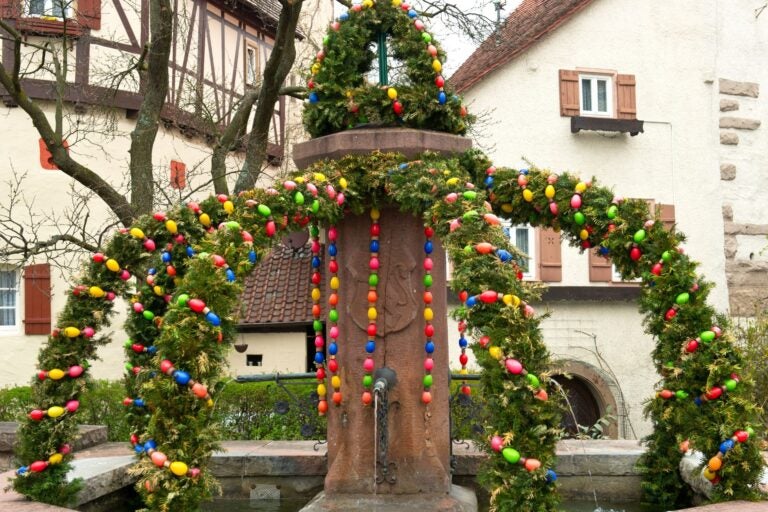
When it’s Easter in Germany, especially in Bavaria and Franconia, villages decorate public fountains with painted eggs, flowers, and greenery in a tradition known as Osterbrunnen.
The custom began in rural communities in Germany, where water symbolised life and survival, particularly after long winters. By decorating fountains before Easter, locals celebrate renewal, gratitude, and the return of spring, turning everyday infrastructure into seasonal artwork.
Greece – Throwing clay pots in Corfu
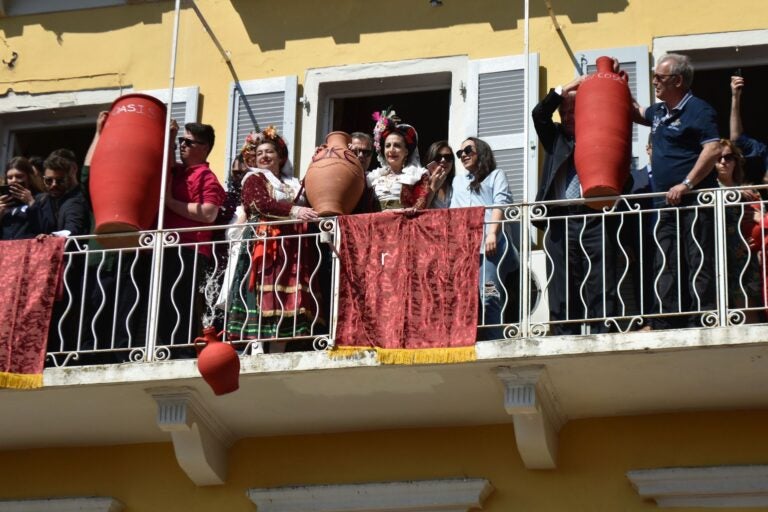
On the Greek island of Corfu, locals celebrate Easter in Greece with a tradition called Botides. Residents throw large red clay pots filled with water from balconies on Holy Saturday morning, shattering them on the streets below.
The tradition is believed to symbolise new beginnings and good fortune, clearing out the old to welcome the new. Today, it’s one of Greece’s loudest and most visually striking Easter celebrations, drawing crowds who gather for the spectacle and the festive atmosphere.
Sweden – Easter witches
In Sweden, children dress up as Easter witches, known as påskkärringar, wearing headscarves and long skirts, painted freckles and rosy cheeks while going door to door for sweets.
This playful tradition comes from old folklore about witches flying off to meet evil spirits before Easter. Over time, the superstition softened into a child-friendly custom that blends Halloween-style fun with Easter timing.

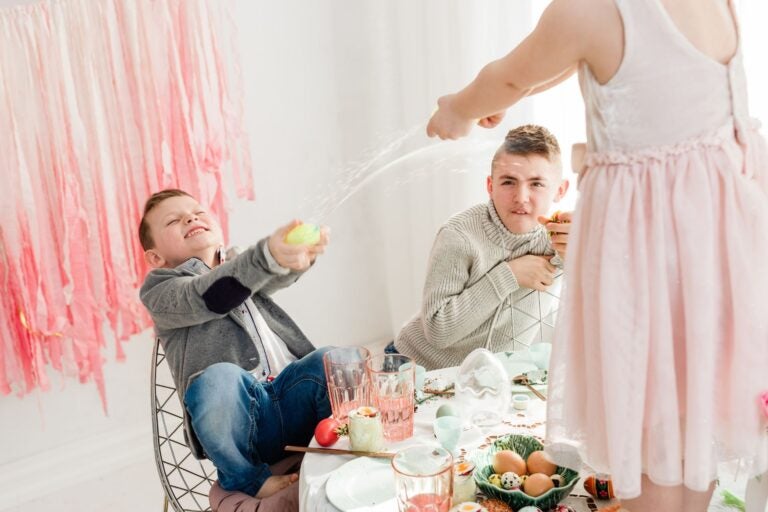
Poland – Water splashing on Easter Monday
Easter Monday in Poland is celebrated with Śmigus-Dyngus, also known as “lany poniedziałek” (Wet Monday), a day when people splash water on friends, family, and sometimes strangers.
Originally connected to purification, good luck, and the arrival of spring, the ritual has evolved into a nationwide water fight. While traditions vary by region, the symbolism of renewal remains central to the celebration.
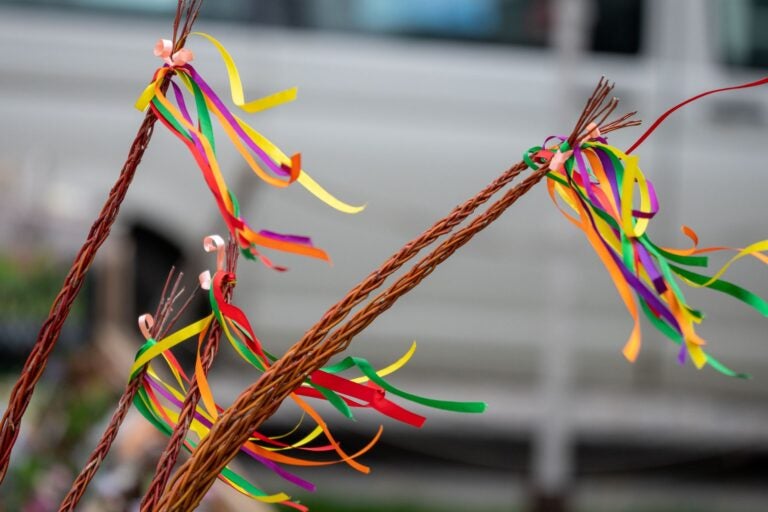
Czech Republic & Slovakia – Easter whipping traditions
In the Czech Republic and Slovakia, Easter Monday involves a tradition called pomlázka, where men lightly whip women’s backs with braided willow branches.
The branches symbolise youth, strength, and vitality, and the act is meant to pass those qualities on for the coming year. In return, women often give painted eggs or treats, making it a ritual exchange rather than punishment.
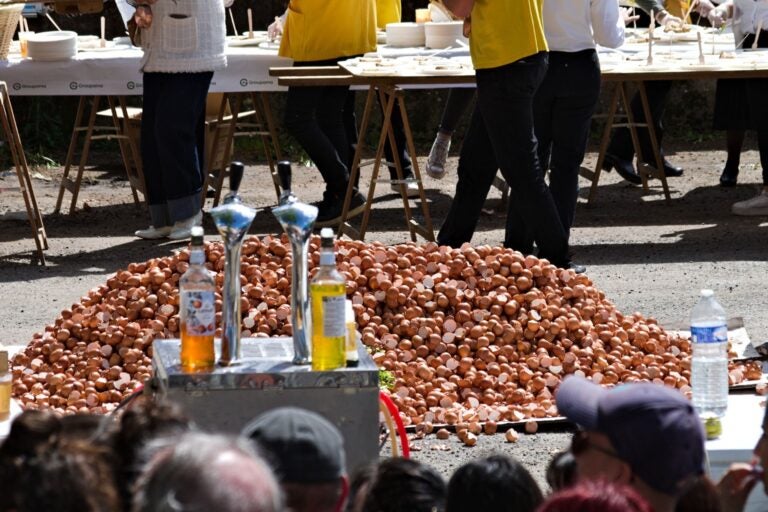
France – Giant Easter omelette
In Bessières, France, locals gather to cook a giant omelette using 15,000 eggs on Easter Monday.
The tradition is linked to a legend involving Napoleon, who supposedly ordered an enormous omelette for his army after enjoying one in the town. Today, it’s a communal event celebrating abundance, sharing, and community unity.
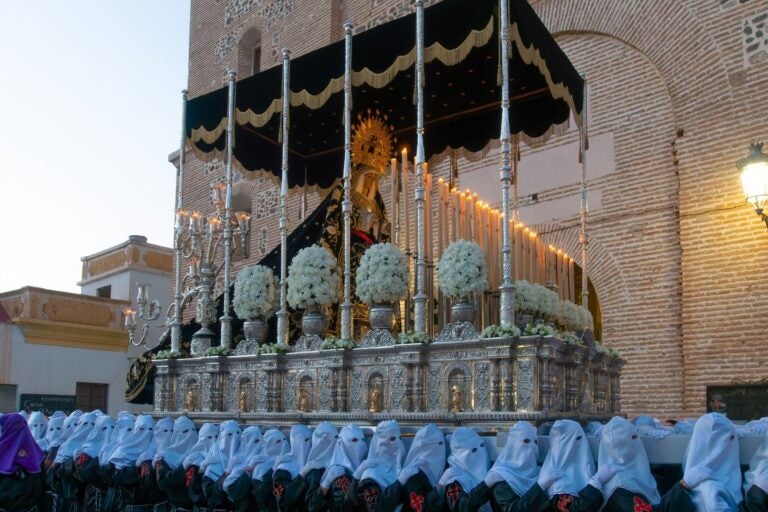
Spain – Easter processions and hooded costumes
Easter in Spain, especially in Seville and Málaga, features Semana Santa (Holy Week), a week of elaborate processions with religious floats, marching bands, and participants dressed in hooded robes.
The costumes, often misunderstood by visitors, symbolise penitence and devotion rather than secrecy. These processions reflect the deep Catholic heritage in Spain and are among the most emotionally powerful Easter events in Europe
Italy – Scoppio del Carro
In Florence, Easter in Italy is celebrated with Scoppio del Carro, meaning “Explosion of the Cart,” on Easter Sunday.
A historic cart packed with fireworks is ignited to ensure good harvests and prosperity for the year ahead. This ritual in Italy dates back to medieval times and blends religious ceremony with civic tradition and spectacle.

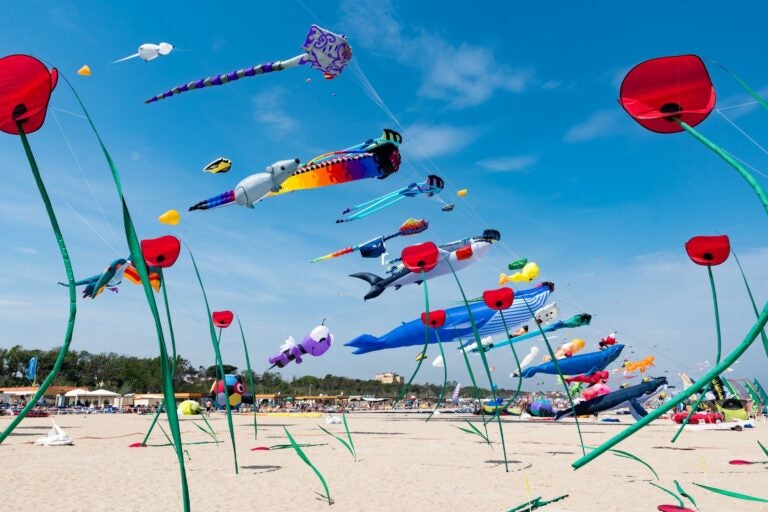
Bermuda – Flying kites on Good Friday
Good Friday in Bermuda is celebrated by flying brightly coloured, handmade kites across the island. Some kites would even feature hummers that make high-pitch buzzing sounds.
The tradition symbolises Christ’s ascension and has become a uniquely Bermudian Easter ritual, combining the spiritual meaning of hope and renewal. This tradition also turns into annual outdoor family gatherings and friendly kite-flying competitions.
United States – Easter egg rolling at the White House
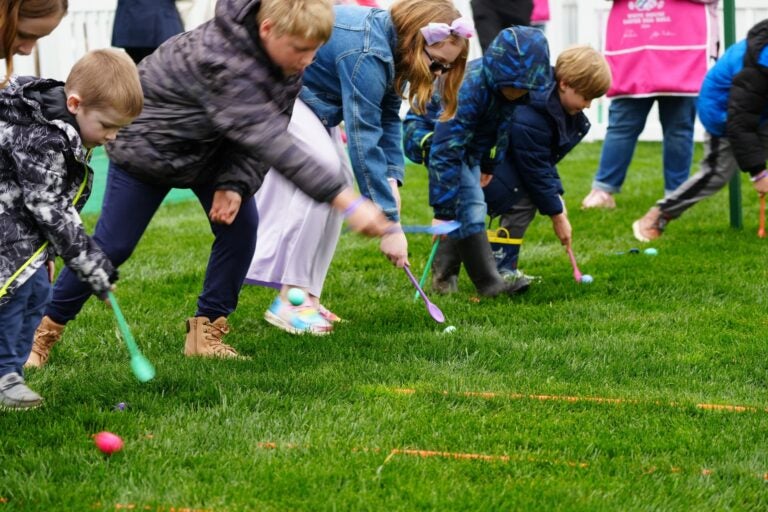
This tradition takes place in Washington, D.C. in the United States, on the White House South Lawn, where families roll decorated eggs across the grass using long-handled wooden spoons.
This tradition started for a practical reason: after egg rolling was banned on the US Capitol grounds in 1876, President Hayes allowed children to do it at the White House in 1878. Since then, it’s grown into a major annual event that many families plan around.
Mexico – Burning Judas effigies
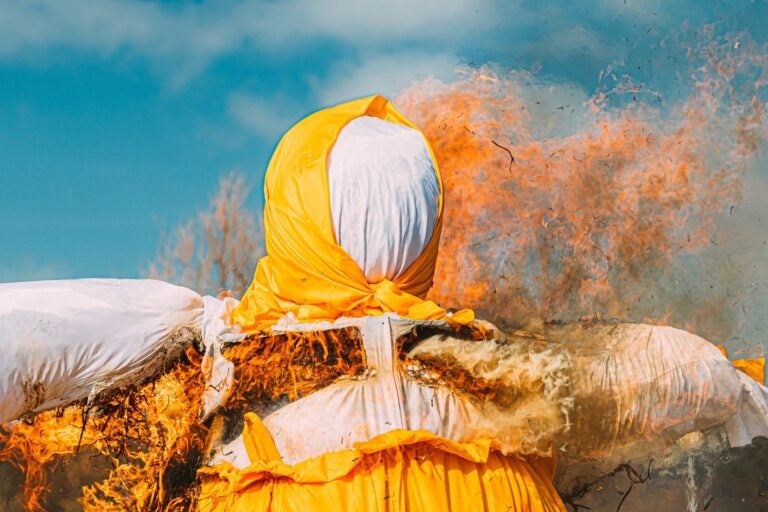
In parts of central Mexico, Easter is marked by the burning of effigies representing Judas, and sometimes even modern public figures.
The ritual symbolises the cleansing of sins, betrayal, and evils, often incorporating satire and social criticism. It reflects how Easter traditions can also become outlets for cultural expression beyond religion.
Australia – The Easter bilby instead of the Easter bunny
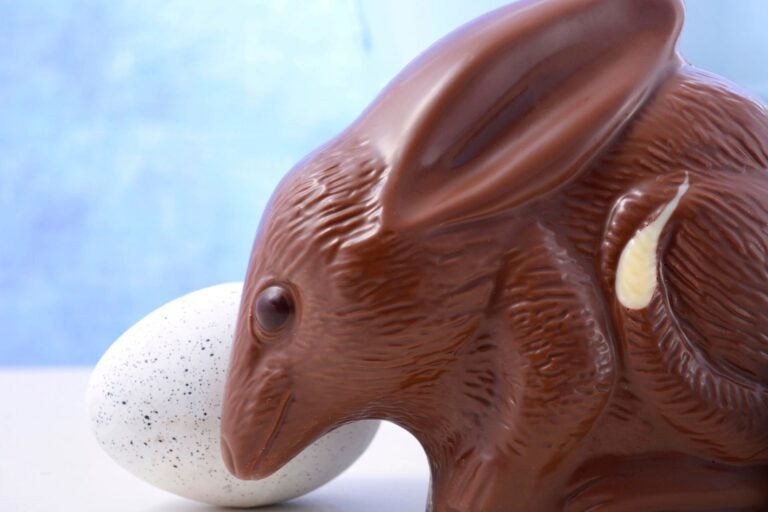
In Australia, you’ll sometimes see Easter bilbies (often as chocolate bilbies) promoted as a local alternative to the Easter bunny. Bilbies were once widespread but are now rare, largely due to predation by feral cats and foxes and competition linked to rabbits.
This adaptation promotes local wildlife conservation while keeping Easter gift traditions alive, showing how countries reinterpret Easter symbols to reflect local environmental values.
FAQs about Easter traditions around the world
Easter customs can look very different depending on where you are. These common questions help explain why Easter traditions vary so widely.
What is an unusual Easter tradition?
An unusual Easter tradition is one that goes beyond egg hunts and church services, such as throwing clay pots in Greece or water splashing in Poland. These customs often reflect local folklore or historical beliefs rather than religious rituals alone.
Why is Easter different in each country?
Easter traditions differ because they evolved alongside local culture, environment, and history. While the religious foundation is shared, how people celebrate Easter has been shaped by regional customs over centuries.
Stay connected during your Easter travels with Holafly
While searching for the best Easter holiday destinations, it’s also an ideal time to plan for your data options around your travel itinerary. With Holafly, travellers can choose country-specific eSIMs or explore options through the eSIM shop before departure. Coverage spans over 200 destinations worldwide, making Holafly a practical choice whether you’re planning Easter in Europe, the Americas, or beyond.

Get an unlimited data eSIM
Use code MYESIMNOW5 for 5% off at checkout
Plans that may interest you


哈囉我是來自台灣的 Wen,平常最喜歡旅遊,也喜歡將旅遊的種種化成文字跟大家分享,希望大家能在我的文章中找到有用的資訊,加上 Holafly 的 eSIM,讓你的旅程更美好!✈️✈️✈️ Hi! I'm Wen, a passionate content writer and travel enthusiast from Taiwan. I transform my wanderlust adventures into engaging stories and practical guides, helping fellow travelers make the most of their journeys.Through my articles, I strive to provide travel tips while introducing how our eSIM technology can enhance your travel experience - keeping you connected wherever your adventures take you!