




 Language


 No results found
Best time to visit Fiji from Australia
Best time to visit Fiji from Australia? May to October offers the best weather. See cheapest months, crowd levels, and travel tips.
Australians make up the largest share of tourists who visit Fiji, thanks to the short flight time, warm climate, and world-class beaches. For most travellers, the best time to visit Fiji from Australia is during the dry season from May to October, when weather conditions are more stable and sea conditions are calm.
This guide also breaks down the best time to visit Fiji from Australia based on your travel priorities — whether that’s good weather, romantic escapes, fewer crowds, or kid-friendly travel.
We also explain what to expect during the wet and dry seasons in Fiji, so you know exactly what you’re signing up for, together with a few things to keep in mind for your next Fiji trip.

An eSIM you can rely on
Join over 10 million Holafly customers and get connected with our trusted, global services.
When is the best time to visit Fiji from Australia?
The best time to visit Fiji from Australia depends on what you’re looking to do, but the dry season from May to October is the safest bet for most travellers.
During these months, Fiji experiences lower humidity, minimal rainfall, and comfortable temperatures, making it ideal for beach time, island hopping, and outdoor activities.
If you’re visiting at another time of year, the table below breaks down each month in Fiji, including typical weather, crowd levels, and the best activities to do during that period.
| Month | Avg. daytime temp | Weather | Crowds | Best activities |
|---|---|---|---|---|
| January | 30°C (86°F) | Hot, humid, heavy rain | Low | Waterfalls, spa days |
| February | 30°C (86°F) | Very humid, cyclone risk | Low | Resort stays |
| March | 29°C (84°F) | Warm, easing rain | Low | Snorkeling, diving |
| April | 28°C (82°F) | Warm, drier | Moderate | Island hopping |
| May | 27°C (81°F) | Mild, dry | Moderate | Beach time, snorkeling |
| June | 26°C (79°F) | Cooler, dry | High | Diving, whale watching |
| July | 26°C (79°F) | Coolest, dry | Peak | Family travel, festivals |
| August | 26°C (79°F) | Cool, dry | Peak | Outdoor activities |
| September | 27°C (81°F) | Warming, dry | High | Beach, adventure |
| October | 28°C (82°F) | Warm, dry | Moderate | Shoulder-season deals |
| November | 29°C (84°F) | Hot, rising humidity | Low | Resort stays |
| December | 30°C (86°F) | Hot, wet | High | Holiday travel |
* Note: January–March falls within Fiji’s cyclone season.
Fiji seasons overview
Fiji has two main seasons — dry and wet — and understanding the difference helps travellers plan around weather, activities, and potential disruptions.

Dry season in Fiji (May–October)
The dry season brings sunny days, lower humidity, and more comfortable weather overall. Average daytime temperatures range from 24°C to 28°C (75°F to 82°F), with cooler evenings, especially in July and August.
Rainfall is lower and more predictable, so conditions are excellent for snorkeling, diving, island hopping, hiking, and cultural village visits. Seas are typically calmer on the western coasts of Viti Levu and the Mamanuca and Yasawa Islands, which improves visibility for water activities.
This is also peak tourist season, particularly during Australian and New Zealand school holidays (June–July and September). Booking flights and accommodation early is recommended, as prices tend to be higher and availability more limited.
Wet season in Fiji (November–April)
The wet season brings warmer temperatures and higher humidity, with daytime highs averaging 28°C to 31°C (82°F to 88°F). Rain often falls in short, heavy tropical showers rather than all-day downpours, and many days still include sunshine.
This period overlaps with Fiji’s cyclone season, which officially runs from November to April, with the highest risk typically between January and March. While severe cyclones are not frequent, stay updated and be flexible with your plans during this time.
On the upside, the wet season offers fewer crowds, greener landscapes, and better deals on resorts and flights. It can be a good option for budget-conscious travellers or those who don’t mind occasional rain and prioritize relaxation over packed itineraries.
Best time to visit Fiji from Australia by travel type
Rather than one perfect season, the best time to visit Fiji from Australia depends on how you plan to spend your trip. Different months offer advantages for outdoor activities, quieter stays, family travel, or better value.
Best time for outdoor lovers and first-time visitors
May–October: Fiji experiences its driest, most stable weather, with lower humidity and plenty of sunshine. Calmer sea conditions make it ideal for snorkeling, lagoon cruises, hiking, and inter-island travel.
Best time to avoid crowds
Late October–early November: This shoulder period balances good weather with lighter crowds. Resorts are less busy than during peak winter months, and flights and tours are easier to secure before the Christmas and New Year travel surge.
Best time for cheaper prices and deals
February–April (excluding Easter travel): Higher humidity and occasional heavy rain are common, but visitor numbers drop. This often means quieter resorts and better chances of finding discounted flights and accommodation.
Best time for snorkeling and diving
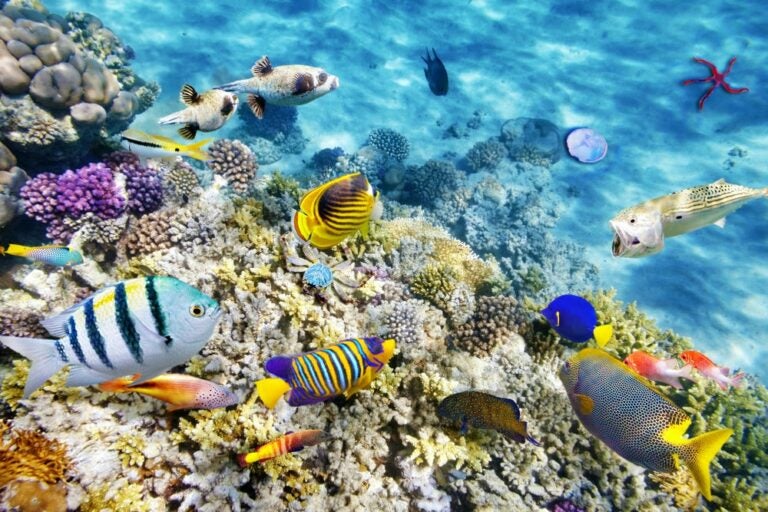
May–October: Clearer visibility and calmer seas create more consistent underwater conditions. Reef access is easier, particularly around outer islands, although conditions can vary slightly by location.
Best time for Australians travelling with kids
June–July and September: These months align with Australian school holidays and offer reliable weather. Demand is higher, so booking family-friendly resorts and flights early is recommended.
Best time for honeymoons and couples
May–June and late October: These periods combine pleasant weather with fewer visitors, creating a more relaxed and romantic atmosphere for resort stays and private island experiences.
Practical travel tips for Australians visiting Fiji
Here are a few things to keep in mind when travelling from Australia to Fiji, for both first-time visitors and returning travellers.
- Book flights early if you’re travelling during the dry season or school holidays.
- Bring some cash for taxis, markets, and smaller local shops.
- Pack light rain protection, even if you’re travelling in the dry season.
- Arrange travel insurance that covers medical care, delays, and island transfers.
- Respect local customs by dressing modestly when visiting villages.
- Plan for limited WiFi by arranging roaming or an eSIM for Fiji before arrival.
Enjoy unlimited data in Fiji with Holafly
After deciding on the best time to visit Fiji from Australia, make sure you can stay connected wherever you are on the island. Holafly offers an eSIM for Fiji, which provides unlimited data, flexible validity periods from 1 to 20 days, and 24/7 customer support.
It supports 4G, LTE, and 5G coverage across the island and allows up to 500 MB of daily hotspot sharing. If you need more hotspot data or coverage beyond Fiji, Holafly’s Global eSIM offers unlimited data in 121 countries, including Fiji, with plans lasting from 1 to 90 days.

Get an unlimited data eSIM
Use code MYESIMNOW5 for 5% off at checkout
Plans that may interest you


哈囉我是來自台灣的 Wen,平常最喜歡旅遊,也喜歡將旅遊的種種化成文字跟大家分享,希望大家能在我的文章中找到有用的資訊,加上 Holafly 的 eSIM,讓你的旅程更美好!✈️✈️✈️ Hi! I'm Wen, a passionate content writer and travel enthusiast from Taiwan. I transform my wanderlust adventures into engaging stories and practical guides, helping fellow travelers make the most of their journeys.Through my articles, I strive to provide travel tips while introducing how our eSIM technology can enhance your travel experience - keeping you connected wherever your adventures take you!