



 Language
Ethiopian Airlines reviews: experiences of working there
Learn the most common and notable opinions of pilots and cabin crew about working at Ethiopian Airlines.

Working at Africa’s largest airline, Ethiopian Airlines, creates many opinions about its salaries, working environment, schedules, and even benefits, which we gather here so that you, as a pilot or flight attendant, can get a broader overview of this airline.
We review what current and former cabin crew and pilots think about each aspect of working at Ethiopian Airlines. Also, we share our viewpoint based on the general opinions we found.
Flight attendant opinions at Ethiopian
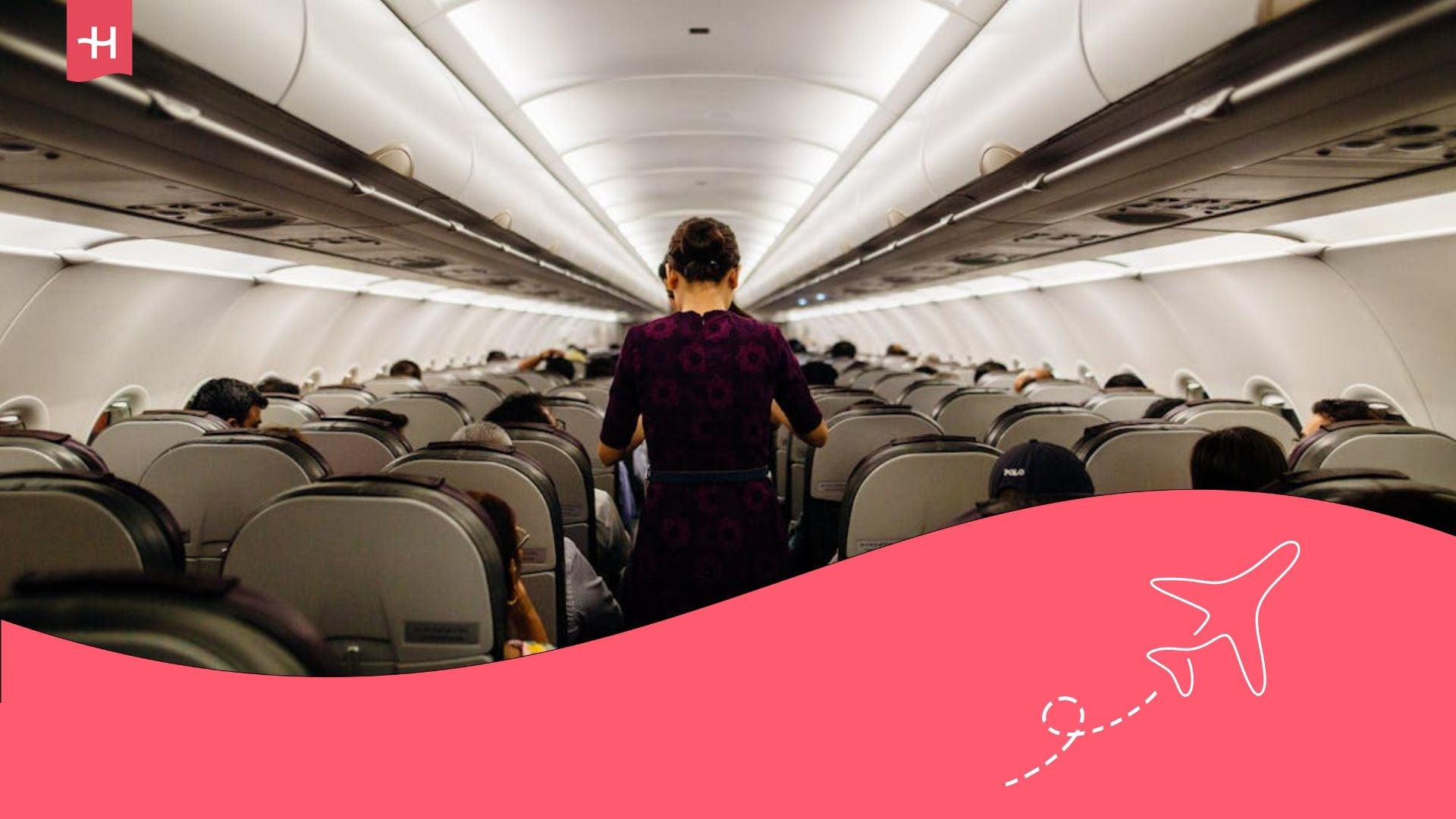
Understanding the experience of flight attendants at Ethiopian Airlines helps more professionals join the company with better insight into key factors for future cabin crew employees.
Salaries
It is important to start by saying that a “good salary” depends on each professional’s context, since for local flight attendants in Africa, the salary can be competitive, but for foreigners it may not cover all expenses.
Currently, the salary for this role ranges between 176,000 and 192,000 ETB per year (€1,036 ($1,127) to €1,132.80 ($1,230) annually), considering factors such as seniority, base salary, flight hours, allowances, and commissions.
Some workers report a strong dependence on onboard sales and overtime to increase monthly income. However, they also say living in Addis Ababa can still be challenging on this salary.
Let’s look at some anonymous comments from cabin crew who have worked at Ethiopian Airlines:
“It is a good company if you have no other options in mind. The salary is low and employee benefits are almost non-existent. Some managers and team leaders make life very difficult,” said a flight attendant on Indeed who worked for the airline.
Another former employee had a different experience, highlighting other benefits of working at Ethiopian Airlines alongside salary:
“You can travel around the world and experience different cultures, food, and places, meet new people, and earn a good salary,” they also said on Indeed.

Opening Hours
Opinions about working hours from former cabin crew are mixed. On one hand, they highlight demanding work as a chance for growth, experience, and learning. On the other hand, they report fatigue and limited personal life stability due to long working hours.
“Keep up the good work, it was the best time of my life, although there were difficult moments. However, schedulers should be fair and understand that we sometimes get tired, so we need fair schedules,” wrote a user on Indeed.
Meanwhile, on the same platform, they said: “Working as cabin crew is a great opportunity to experience many things. Flexible schedules are needed. You must work weekends and holidays. I learned many things from the company such as work discipline, responsibility, punctuality, time management, teamwork…”
Benefits:
Among the benefits most highlighted by flight attendants who spent a long time at the Ethiopian airline is the opportunity to travel to different countries, gain international exposure, and acquire high-level work experience.
In addition, Indeed comments highlight benefits such as travel insurance, health insurance, and other special airline perks for cabin crew.
“It is a great and incredible experience. They have a good work culture and enough staff. They offer health insurance, life insurance, overtime pay, free tickets for family and different subsidies…”
Some flight attendants also mention that the company is friendly towards young professionals who are new to the role, which encourages new cabin crew to join after finishing their studies.
“A competitive company that motivates employees by offering different rewards and benefits. One of the youngest airlines, but a successful company. It prioritises safety…” and “It was an exciting experience, although also hard and demanding. I enjoyed benefits such as free travel and medical care for my family”.
Work environment
Opinions about the work environment matter when deciding to join the African airline, as it can influence frustration levels or your character as a flight attendant. Therefore, we analysed the most honest comments about Ethiopian Airlines’ work culture.
On Glassdoor, anonymous reviews show dissatisfaction with the work environment, mainly due to high workload, which creates friction between employees and ongoing struggles over labour rights:
“Frequent struggles for rights: Employees often have to constantly fight for their rights, increasing stress and workplace dissatisfaction” and “Employees face significant workloads and tight deadlines, leading to a high-pressure environment”.
On Indeed, you can find more reviews and opinions, both positive and negative, about the airline’s culture. According to a senior cabin crew member, she always received support from managers and colleagues and described her experience as “favourable”:
“My experience working at Ethiopian Airlines was very positive. The work environment was very favourable and I valued growth opportunities. The team was collaborative and management gave valuable guidance. Although there were areas to improve, overall it was a great place to work and I learned a lot.”
Advantages and disadvantages of working as cabin crew at Ethiopian
The table below highlights the advantages and disadvantages of choosing Ethiopian Airlines as your next job as a flight attendant. We based it on general opinions from cabin crew across different job platforms.
| Advantages | Disadvantages |
| Many cabin crew comments highlight the opportunity to visit multiple destinations and experience international cultures. | Salaries, compared to other airlines and countries, are low, making it difficult to maintain a better quality of life. |
| Crew members usually receive benefits such as subsidies, health insurance, and discounted flight tickets for themselves and their families, improving well-being. | High workload leads to fatigue and stress. Reviews show limited time for rest and personal life. |
| Collaborative work environment and growth opportunities within the airline. | Bureaucracy appears from recruitment to internal requests, often causing frustration. |
Pilot opinions at Ethiopian
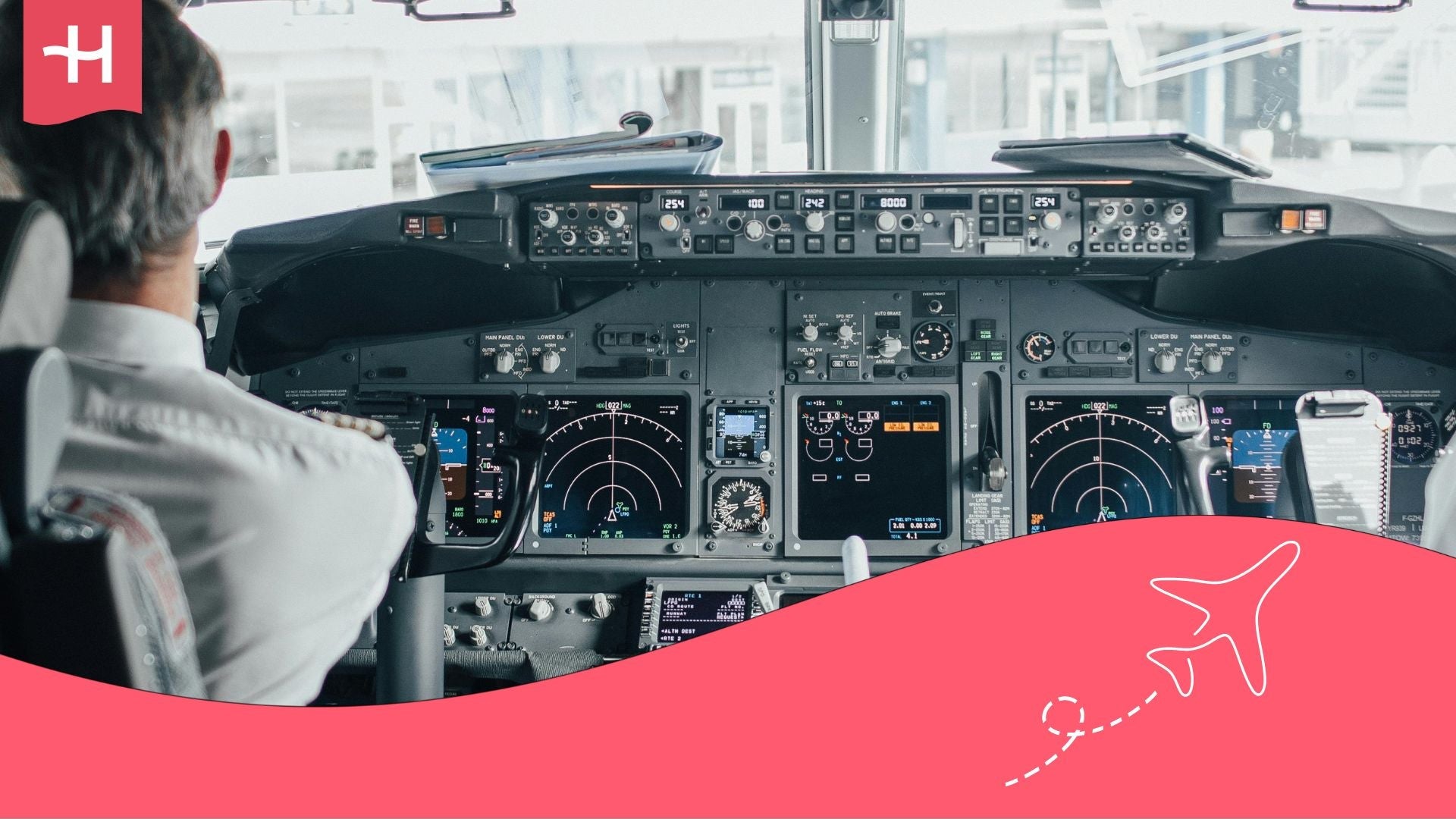
If you want to become a pilot at Ethiopian Airlines, it is important to understand the general work environment, salary competitiveness, schedules, and benefits available in Africa’s largest airline.
Salaries
In terms of salary, pilot opinions on Glassdoor show mixed to negative views, as most consider that “salaries are low compared to other companies” and do not match workload levels.
Also on Glassdoor, a captain pilot with over five years at the company described the salary as “low pay and heavy workload”, matching the airline’s 3-star salary rating across job platforms.
In contrast, according to World Salaries, pilot salaries increase in line with experience and seniority.
For example, a junior pilot may earn around 102,720 ETB per year (€562.47 ($660)), while senior pilots with over 20 years may earn 258,400 ETB (€1,419.81 ($1,666)) annually or more.
Still, general pilot opinion remains negative, with comments such as “Salaries are among the lowest in the aviation industry.”

Opening Hours
Regarding schedules, many comments agree that work-life balance is not a strong point of the airline, due to strict planning, irregular shifts, and long working hours.
This affects personal wellbeing, as most pilots’ time revolves around their job and airline availability. On Glassdoor, a former Ethiopian pilot stated:
“Work-life balance is not adequate.”
The platform also shows a 2.9 rating for work-life balance, one of the lowest scores for the airline.
Benefits:
Some pilots say the airline offers benefits that, although they do not match the low salary, help improve work and personal wellbeing, such as flight discounts, training, and health insurance.
“Ethiopian Airlines is a fast-growing airline. It has a strong foundation and long history. I worked there for 17 years. Health insurance and free flight tickets are some of the benefits for the whole family,” wrote a pilot from Addis Ababa on Indeed.
“I want to practise more and become a good pilot. It is really great working for this company. This has always been my childhood dream job,” said a junior pilot, highlighting training quality.
However, on Glassdoor, Ethiopian Airlines scores only 2.9/5 for compensation and benefits, similar to its 3/5 rating on Indeed, showing moderate dissatisfaction overall.
Work environment
The work environment is one of the best-rated aspects of Ethiopian Airlines, with 3.9 to 4.1 ratings on Glassdoor and Indeed, and generally positive comments.
“Good atmosphere and good people” and “Highly skilled professionals and a strong work culture” appear frequently in reviews.
However, some negative opinions mention management issues: “Overly controlling management and abusive treatment from leadership.”
In conclusion, opinions are more positive than negative, based on both online reviews and average ratings across platforms.
Advantages and disadvantages of working as a pilot at Ethiopian
Learn, in summary, the most relevant advantages and disadvantages of working as a pilot at Ethiopian Airlines. The following table is based on opinions from pilots and former pilots across different platforms, helping form a more impartial view of the Ethiopian airline.
| Advantages | Disadvantages |
| Opportunity to grow and learn with a modern fleet, including Airbus A350-1000 and Boeing 787 Dreamliner. | Pilot salaries are not competitive and do not support a high quality of life. |
| Good benefits such as flight discounts and family health coverage. | High workload prevents a healthy work-life balance. |
How to stay connected while working and travelling with Ethiopian
For Ethiopian Airlines crew, connectivity is essential, as they land in multiple destinations, reaching up to three continents in a week. Relying on unstable public WiFi in hotels or airports is not always a good option.
That is why Holafly monthly plans are an efficient solution for pilots and cabin crew, offering unlimited data or 25 GB from the moment the plane lands in any country. These global plans help you stay connected, making it easier to communicate with family or manage upcoming flights without roaming charges.
They also allow you to share data across devices, such as laptops, tablets, and mobile phones.

Frequently asked questions about working at Ethiopian
To become a pilot at Ethiopian Airlines you must hold a valid licence such as ATPL or CPL depending on the role. You also need at least 250 to 500 flight hours as first officer and over 1,000 hours for large aircraft. They also require a high level of English (ICAO level 4 or higher). Flight attendants must have fluent English, good physical condition, technical training, and customer service skills.
Schedules at Ethiopian Airlines are usually irregular for both pilots and flight attendants. This often leads to fatigue, as employees struggle to disconnect due to frequent time zone changes.
Yes, the airline has a strong reputation for operational safety both locally and internationally. They provide continuous training and follow international aviation standards.
Many pilots say Ethiopian Airlines is mainly for junior professionals. This is partly true, as the company hires many new pilots and cabin crew, but they often do not stay long-term.
Yes, the airline has its own aviation academy for initial and ongoing training of all crew members.