Language


 No results found
Cost of living in Sydney in 2026 in dollars and euros
This guide to the cost of living in Sydney will help you work out a budget for settling into this vibrant Australian city.

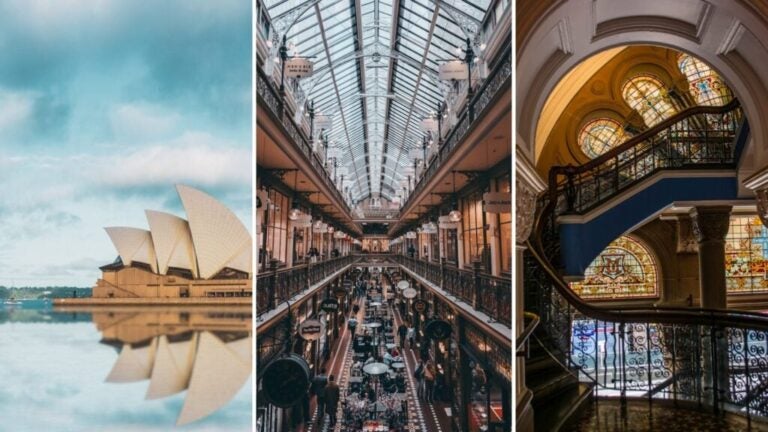
Sydney is a city that captivates you from the very first second. With its iconic Opera House, surf beaches, and unique multicultural energy, it’s the dream of many digital nomads. However, to enjoy its charm without surprises, you must understand the cost of living in Sydney. I’ll tell you now that, although salaries are high, daily expenses also require smart planning, so your budget doesn’t vanish.
In this article, we’ll break down how much money you really need to settle here in 2026. We’ll see that accommodation tips the scale most, but there are positive points too. For example: Public transport has very clear spending caps, so you can move around freely for little money. Also, Sydney offers a quality of life that, for many, justifies every dollar spent on the experience.
Throughout the next paragraphs, we’ll analyse everything from the price of a city-centre apartment to what you’ll pay for a coffee by the harbour. We’ll also explore ways to save on food and how healthcare services work for foreigners. If you’re deciding between Sydney and another destination, this guide will give you the clarity you need to make the final choice.
Get ready to discover the figures behind one of the world’s most desirable cities. Join me on this detailed journey to find out whether the Australian lifestyle fits your plans this year.
Cost of living in Sydney: Average prices for different types of accommodation
Accommodation is, without doubt, the biggest financial challenge you’ll face when moving to Sydney. It takes up most of your monthly budget and determines how comfortable you’ll feel with your finances. Sydney has extremely high housing demand and limited space, so prices stay high compared with other Australian cities.
If you want a fully immersive experience, furnished apartments in neighbourhoods near the centre are a fantastic option. They give you your own space, privacy, and the ease of moving in with only your suitcase, while avoiding the stress of buying furniture.
- A one-bedroom apartment with these features usually costs around €2,440 ($2,650) per month, depending on how close you are to the coast or the Central Business District (CBD).
For digital nomads seeking community and networking, coliving spaces have become very popular in areas such as Surry Hills and Newtown. These spaces offer private rooms, stylish shared areas, included high-speed internet, and an active social calendar.
- Coliving in Sydney is an excellent way to make friends quickly, with an average cost of €1,750 ($1,900) per month for a good-quality room.
If your stay is shorter or you prefer total flexibility, Airbnb remains a common alternative, although it’s usually the most expensive long-term option.
- Renting an independent studio through this platform can cost around €2,945 ($3,200) per month.
Meanwhile, mid-range hotels, which offer cleaning services and constant security, have monthly rates averaging €3,500 ($3,800).
Food prices and eating out
Within the cost of living in Sydney, food is another component that can affect your budget significantly, depending on how demanding your palate is.
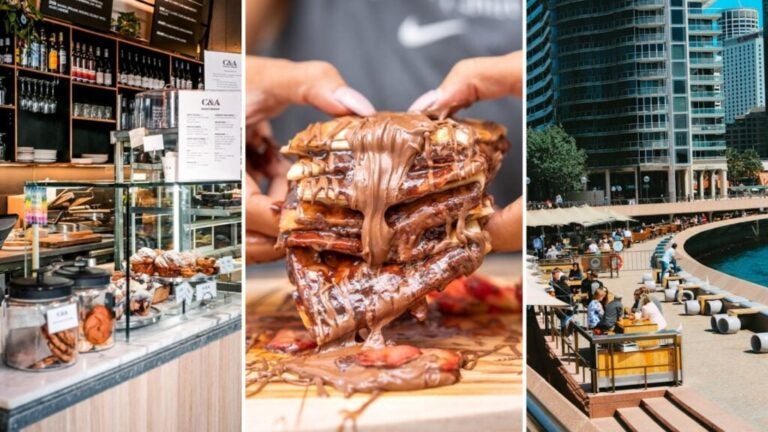
The city’s food culture reflects its cultural diversity, with options ranging from local markets with fresh produce to world-class restaurants. If you balance cooking at home with occasional meals out, the impact on your budget will stay moderate. Sydney isn’t cheap, but the quality of the ingredients justifies the price.
For your weekly shopping, one of the most reliable and widespread chains is Woolworths (affectionately known as “Woolies”). Here, you can find essential products at stable prices:
- Pack of pasta (500g): $1.50 (€1.38)
- Dozen large eggs: $3.80 (€3.50)
- Chicken breast (1 kg): $10.50 (€9.65)
- Good-quality beef (1 kg): $18.00 (€16.55)
- Milk (1 litre): $1.60 (€1.47)
- Branded chocolate bar: $3.50 (€3.22)
- Locally roasted coffee beans (250g): $9.50 (€8.75)
Shopping in these supermarkets is the key to keeping your spending under control and enjoying high-quality products at home.
Now then, eating out is an essential social experience in Sydney, although it can be expensive if you don’t choose well. The most affordable options usually appear in shopping-centre food courts or Asian districts such as Haymarket, where you can find generous dishes. If you want gourmet options or international-class restaurants, get ready to eat very well… and pay a lot.
These are the average prices you’ll find in places aimed at residents:
- Breakfast in local café: $16.00 (€14.70)
- Lunch (midday menu): $22.00 (€20.25)
- Full dinner in an average restaurant: $35.00 (€32.20)
Cost of living in Sydney: How much does it cost to get around the city?
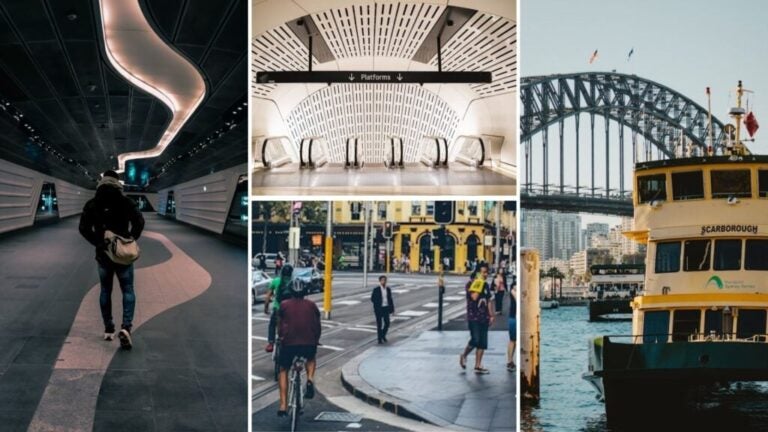
Transport in Sydney is efficient and very well integrated, although it can become a significant expense if you don’t know the fare system. The good news is that public transport costs have daily and weekly caps thanks to the Opal card, so you can explore the city and its surroundings without your budget rising unexpectedly.
Getting around by public transport is the preferred option for residents and nomads, because it connects beaches, suburbs, and the financial centre easily:
- Metro or train journey (average trip): $3.50 (€3.22)
- Bus or tram journey: $2.80 (€2.58)
- Ferry trip (a city icon): $5.50 (€5.06)
- Daily spending cap (Monday to Thursday): $11.80 (€10.85)
- Weekend and public holiday spending cap: $5.90 (€5.43)
If you prefer the freedom to drive, first remember that traffic in Sydney is among the country’s heaviest, so bring patience. Also, you’ll need to add the costs linked to vehicle upkeep, which we can break down into:
- Petrol per litre (Unleaded 95): $1.45 (€1.33)
- Price per kWh for an electric car: $0.42 (€0.39)
- Mandatory vehicle insurance (CTP Green Slip): €414 ($450) per year.
- Comprehensive insurance (monthly average): $85 (€78).
- Popular new vehicle (Toyota Corolla or similar): $22.500 (€20.700).
For quick or late-night journeys, digital platforms are very common. An average 15-minute trip in Uber or Ola usually costs around €16.55 ($18).
On the other hand, if you want a healthy and sustainable option, Sydney has a shared-bike system and expanding cycle lanes. Hiring an electric bike costs around €2.76 ($3) for unlocking, plus a per-minute charge, while a monthly subscription for regular residents costs around €41 ($45).
Healthcare costs
Healthcare in Australia is exceptionally good, although it can feel expensive for new arrivals without the right cover. The public system, known as Medicare, is excellent, but free access mainly applies to citizens, permanent residents, and citizens from countries with reciprocal agreements.
As a digital nomad or temporary worker, you’ll most likely need to arrange your own cover.
If you travel on a visitor visa or temporary work visa, you usually won’t access the public system for free. Therefore, taking out private health insurance (Overseas Visitor Health Cover – OVHC) isn’t just recommended, but often a visa requirement. Basic private insurance for a young, healthy person has an average monthly cost of:
- Basic private health insurance: $85 (€78).
- Comprehensive health insurance: $160 (€147).
Beyond the paperwork, this cover lets you access private hospitals and cut waiting times. An accident or specialist consultation in Sydney can hit your wallet hard.
If you doubt it, here are some reference prices you’d pay for occasional care without health insurance:
- General medical consultation (GP): €60-87 ($65-95)
- Routine dental cleaning and check-up: $130 (€120)
- Wisdom tooth extraction: €230-368 ($250-400)
- Appendicitis surgery (private hospital): €4,600-7,360 ($5,000-8,000)
As for pharmacies, you can buy many basic medicines without a prescription in chains such as Chemist Warehouse, which usually has the city’s best prices. Here are some examples of over-the-counter products:
- Box of painkillers (Paracetamol, 20 tablets): $4 (€3.68)
- Standard cough syrup: $12 (€11)
- Saline nasal spray: $9 (€8.28)
Connectivity in Sydney: Internet and call plan prices
Sydney is one of the world’s best-connected cities. Competition between providers is strong, which benefits users with stable speeds. However, the cost of staying connected can vary greatly, depending on whether you need fixed installation in your apartment or prefer moving around the city freely.
If you’re renting an apartment long-term, fixed internet is essential. Most plans offer fibre optics or connection through the NBN (National Broadband Network).
An unlimited internet plan with 50 Mbps speed, ideal for video calls and 4K streaming, has the following average monthly cost:
- Fixed internet (50 Mbps): $52.00 (€47.85)
- High-speed fixed internet (100 Mbps): $68.00 (€62.55)
For your smartphone, prepaid and contract options are very varied. A standard mobile plan including around 40 GB of data and unlimited national calls usually costs about €27.60 ($30.00). It’s a good option if you’ll stay settled in the city, but if you plan to travel or don’t want local contracts and SIM changes, more flexible alternatives exist.
This is where with unlimited data make great sense. Holafly’s monthly plans They let you land in Sydney and connect instantly without searching for shops or signing documents. They’re ideal for anyone who values peace of mind and needs guaranteed internet to work from any café in Bondi Beach or while crossing the bay by ferry.
Also, Holafly’s monthly plans are global, which means they cover more than 160 countries worldwide. That means you’ll stay connected if you move across Oceania, Asia, or any other continent. That’s why they’re the favourite option for digital nomads who never know where their next office will be.
There are two plans:
- Unlimited: Unlimited data for €59.70 ($64.90) per month.
- Light Plan: 25 GB for €45.90 ($49.90) per month.
In both cases, the plans renew automatically, you can cancel whenever you want, without penalties, and, most importantly, they include 22% savings with the annual subscription.
Finally, you can also buy the eSIM for Australia, which gives you unlimited internet in the country for your trip’s full length. The cost? €3.59 ($3.90) per day.
Important: If you are a frequent traveler and want to stay connected without worrying about expensive roaming or looking for a new SIM at every destination, Holafly’s subscription plans are for you. With a single eSIM, enjoy internet in more than 170 countries for a fixed price and no surprises on your bill. Travel without limits and connect easily and securely! 🚀🌍
As you can see, staying connected in Australia is simple, but always check coverage if you plan trips to remote areas outside New South Wales. In the city, 5G signal is the norm and will let you meet work deadlines without any lag.
Cost of leisure activities in Sydney
Once you arrive in this Australian city, you’ll see that you won’t want to spend all day behind your computer. You’ll want to get out and explore, and here another element enters the cost of living in Sydney: Entertainment.
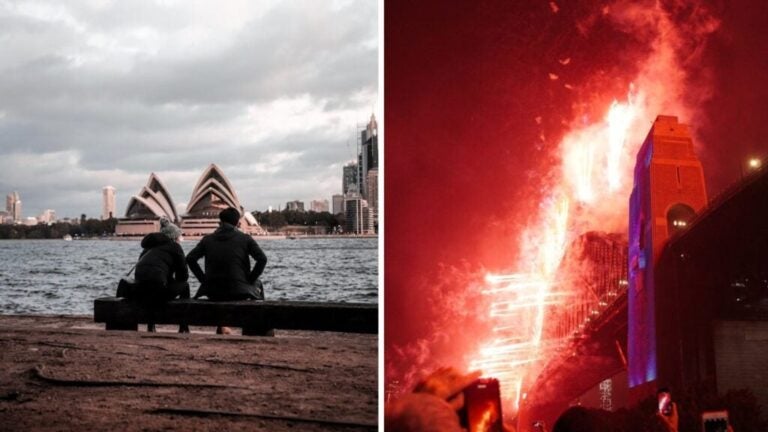
Sydney is a city full of outdoor activities and endless culture, with options for every budget, from free beach plans to top-level shows. It’s not all about spending; sometimes, the best plan is simply watching the sunset over the harbour.
Here are the five most recommended attractions that should be on your list, and they don’t require much spending:
- Bondi to Coogee Coastal Walk: A spectacular coastal route with ocean views.
- Royal Botanic Garden: A green oasis beside the Opera House with free entry.
- The Rocks: The perfect historic district for markets and charming pubs.
- Manly Beach: Ideal for surfing and arriving by enjoying the ferry ride.
- Taronga Zoo: A zoo with the best views of the city skyline.
If you prefer more conventional leisure activities or indoor plans for rainy days, these are the average prices you’ll find in 2026:
- Cinema ticket (international release): $18.00 (€16.55)
- Sydney Opera House ticket (tour or basic performance): $35.00 (€32.20)
- Taronga Zoo ticket (adult): $34.00 (€31.25)
- Entry to a major museum (such as the Art Gallery of NSW): Free (special exhibitions €18.40 ($20))
- Monthly Netflix or similar subscription: $12.00 (€11.05)
- Cable TV or sports service (Kayo/Foxtel): $25.00 (€23.00)
Enjoying Sydney doesn’t necessarily mean spending a fortune every weekend. Many of the best plans, such as ocean pools or walking across Harbour Bridge on the pedestrian lane, are completely free or cost very little, which balances monthly spending very well.
Budget and conclusions on the cost of living in Sydney
After analysing every category, from rent to your morning coffee, it’s time to see the full picture. Sydney is a city with a high cost of living, but it also offers salaries that usually match these expenses. The secret to living well here without financial stress lies in choosing the right neighbourhood and making the most of public transport.
So you can plan your move with specific data, here’s a summary of the estimated total monthly budget for 2026, including accommodation, food, transport, services, and some moderate leisure:
- For one person: If you live in a studio or one-bedroom apartment and keep a balanced lifestyle, you’ll need around €3,545 ($3,850) per month. This budget lets you cover your basic needs and enjoy the city without going without.
- For a couple: Sharing housing and service costs helps a lot. A couple living in a comfortable one or two-bedroom apartment should budget around €5,155 ($5,600) per month in total.
- For a family of four: Including a three-bedroom apartment, school or childcare costs, and higher supermarket spending, the budget rises to around €8,650 (US$9,400) per month.
It’s important to remember that these figures are averages. If you choose to live farther out or share a flat, these numbers can fall considerably. On the other hand, if your priority is living by the sea in Bondi Beach, get ready for a notable increase in the accommodation budget.
Frequently asked questions about the cost of living in Sydney
Yes, it is, but it requires sacrifices. The most effective way to cut costs is sharing accommodation (flatsharing) in less central neighbourhoods such as Ashfield or Parramatta. Also, using fresh produce markets late in the day and relying only on public transport with fare caps will help you keep spending under control.
Ideally, you should arrive with a cushion covering at least three months of living costs. Based on 2026 prices, you should save around €10,580 ($11,500). This will let you pay the rental deposit (bond), which is usually four weeks, and settle in calmly while you establish yourself or look for work.
Sydney has a vibrant but expensive nightlife. A beer in a pub can cost around €9.20 ($10), and a cocktail on a rooftop with views can easily rise to €20.25 ($22). Many residents choose “Happy Hours” between four and six in the afternoon, so they can enjoy the city without the final bill becoming excessive.
Generally, they aren’t. Unless you stay in a coliving space or an Airbnb, you’ll need to budget for utilities separately. For a standard apartment, allow around €165 ($180) extra per month. One key detail: In summer, air conditioning can raise the electricity bill considerably.
Historically, Sydney remains Australia’s most expensive city, mainly because of housing costs. Although food and transport prices are similar, rent in Sydney is usually between 10% and 15% higher than in Melbourne, which makes the difference in the total annual budget.