


 Language


 No results found
Cost of living in Albania in 2026 in dollars and euros
Find out the cost of living in Albania in 2026: rent, food, transport, healthcare, internet and leisure, in dollars and euros.

If you’re planning to move or spend some time in Albania, one of your first questions is likely: How much does it really cost to live there? In this article, we explain the cost of living in Albania clearly and practically, and what you can expect to spend on accommodation, food, transport, healthcare, internet, and leisure.
To give you an idea, Albania remains one of Europe’s most affordable destinations. In cities like Tirana, rent can be much lower than in other European capitals, and eating in a local restaurant can cost the same as a daily set menu in many Latin American countries. Public transport is affordable, and fresh products in local markets often come at very convenient prices. However, some things may still surprise you, such as the cost of certain imported products or some private services.
Throughout this guide, we’ll break down each cost category in Albania, from renting a flat to budgeting for dinner out or an internet plan, so you get a realistic and updated picture. So, if you’re comparing destinations or want to know whether Albania fits your budget, keep reading: This Balkan country may surprise you more than you expect.
Average accommodation costs in Albania
In this section, we explain what you can expect to pay for mid-range hotels, furnished flats, coliving spaces, and Airbnb-style stays, which are a key part of the cost of living in Albania if you’re planning a longer stay. We focus on balanced options: Not luxurious and expensive, and not extremely cheap with major drawbacks, but realistic choices that let you live comfortably, calmly, and with good service and location standards.
If you’d like to explore recommended areas and accommodation types based on your stay length, you can read this guide on accommodation in Albania for longer stays before making a decision.
Hotels
If you plan to arrive and stay a few days while exploring the country or searching for something more permanent, a mid-range hotel in Albania can cost around €33–85 ($35–90) per night. That usually means a clean, safe room with basic services, sometimes including breakfast, in cities like Tirana, Durres or Vlora.
For example, arriving at a hotel in the afternoon after a travel day and knowing you have air conditioning, a private bathroom, and WiFi is very common and quite affordable here.
Furnished apartments
If you’re planning to stay for weeks or months, renting a furnished flat usually works out much cheaper per night than a hotel. In Tirana, a one-bedroom flat costs about €400–750 ($430–810) per month. That usually includes a living room, equipped kitchen, bathroom, and good transport links. If you need two bedrooms, for example if you’re travelling with family or a friend, the average rises to around €600–1,200 ($650–1,290) per month.
In other, slightly smaller or less central cities, prices may drop a little, but it’s still easy to find full flats with comfortable amenities within these ranges. This is usually the best option if your stay lasts more than a couple of weeks, because you end up paying less per month than you would in hotels.
Co-living spaces
Coliving spaces are shared properties where you have your own private room, but share the kitchen or lounge with others, and they usually include services like internet and cleaning of common areas. In Albania, good-quality coliving spaces usually cost between €285 and €615 ($300-650) per month. This type of accommodation is ideal if you’re travelling alone, want a social environment, or work remotely and want to connect with other professionals. If you’d like specific areas and recommendations, you can read this guide on coliving in Albania.
Airbnb and holiday rentals
If your stay lasts a few days or several weeks, but not full months, many travellers choose Airbnb. Average prices usually range from €35 to €120 ($37-128) per night, depending on the city, the season, and how close you are to tourist areas.
For example, during the high summer season, from June to August, a nice flat near the beach may sit closer to the top end. Meanwhile, in low season, you can find much lower prices. In many cases, if you book several days in a row, hosts often offer discounts that bring the cost closer to a monthly rental.
Food costs in Albania
When you live in or travel around Albania, you soon notice that food is one of the country’s most affordable aspects, which directly affects the cost of living in Albania. Eating here is usually cheaper than in many European countries, although your final budget will depend on whether you cook at home or eat out often. To get a clear reference, we can look at prices in international chains present in cities like Tirana, such as Conad or Spar, and compare them with the usual prices in restaurants popular with residents and locals.
Basic supermarket prices, for example, Conad or Spar
If you shop in a store like Conad or Spar, these are some guideline prices for products you’ll likely use every day:
| Product | Prices |
|---|---|
| Milk (1 litre) | $1.40 (€1.30). |
| Eggs (12 units) | $2.37 (€2.20). |
| Bread (500 g) | $1.40 (€1.30). |
| Rice (1 kg) | $1.40 (€1.30). |
| Chicken breast (1 kg) | $7.39 (€6.90). |
| Beef (1 kg) | $13.90 (€13.00). |
| Coffee (bag, ground or instant coffee) | €3.70–5.60 ($4–6) |
| Chocolate (standard bar) | €1.90–3.70 ($2–4) |
Typical breakfast
If you decide to have breakfast out, in local places or small cafés you can expect to spend less than in more expensive countries: A simple breakfast, such as coffee and toast or traditional bread with sides, usually costs around €2.80–5.50 ($3–6) if you have it in a café used by residents and not in tourist areas. If you prefer a fuller traditional breakfast in a local restaurant, the price may rise a little, but it still stays very affordable.
Healthy lunch
If you go for lunch in a restaurant mainly used by people living in Albania, a meal with a main dish and a basic drink can cost about €4.70–9.30 ($5–10). In these places, you’ll often find typical dishes like tavë kosi, lamb with yoghurt, or fërgesë within that range, and they usually come with salad or bread.
Dinner
In the evening, the cost remains affordable if you choose restaurants aimed at residents and not tourist venues: A full dinner, with a main dish and drink, in a mid-range place for locals usually costs between €7.50–14 ($8–15).
Transport prices in Albania
Getting around the country is generally quite affordable, and this directly affects the cost of living in Albania. Although Uber doesn’t operate there, local taxi apps work well and make it much easier to get around for both residents and visitors. Public transport has affordable fares, and taxi journeys are usually reasonable compared with other European cities. Here we explain how much each part of transport costs if you’re planning to live in or travel around this Balkan country.
Public transport
If you want to get around the city without spending much, public transport is the cheapest option: In cities like Tirana, a bus ticket costs about €0.42 ($0.45). If you stay longer and use transport every day, a monthly pass costs around €17–19 ($18–20). The bus network is very affordable, although outside the main cities it can be a little harder to find clear routes.
Taxi and Uber-style services
There’s one important point here: Uber is NOT officially available in Albania. Instead, local apps and services such as Speed Taxi, Patoko or VrapOn work in a similar way to Uber or Bolt for booking a taxi from your phone. A taxi ride within the city usually starts at around €3.30–3.70 ($3.50–4.00) for a short trip. These app-based local taxis sometimes offer more transparent prices than traditional street taxis, and they let you see the fare before getting in.
Petrol and electric cars
If you’re going to drive, the first thing you notice is that petrol isn’t cheap compared with public transport: One litre of petrol costs around €1.95 ($2.08). As for electricity prices for electric cars or vehicles, there isn’t one easily published standard across Albania, but it’s known that electricity usually costs less than petrol, and many imported electric vehicles receive tax incentives, which makes them popular with some local drivers.
Bike rentals
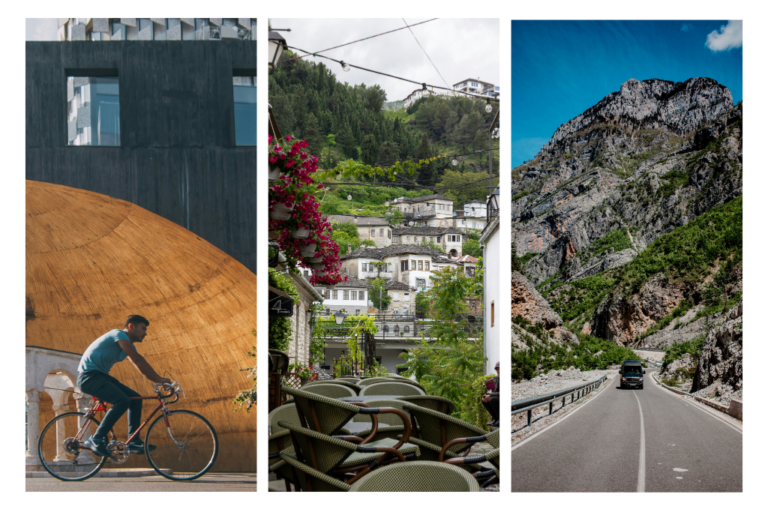
Cycling is becoming more popular, especially in flat or coastal areas. However, bike rental prices aren’t as standardised as in other European countries, and they often depend on the city, the provider, and whether it’s high or low season. In general, according to travellers’ experiences:
- Bike rental per day can cost between ~€8–15 ($8.50–16), especially in tourist areas like Sarandë or Berat.
- Subscription options or seasonal rentals are usually cheaper, but they vary a lot depending on the provider.
Mandatory and optional vehicle insurance
If you’re going to drive in Albania with your own or a rented car, there’s something important: Every vehicle must have mandatory third-party liability insurance.
- Basic mandatory insurance usually costs about €55–140 ($60–150) per year for standard vehicles.
- If you want more complete cover that includes damage to your own car, known as “Kasko” or fully comprehensive cover, it can cost around €250–600 ($270–650) per year, depending on the car and the plan.
Price of a new car
If you’re thinking about buying a car in Albania, prices aren’t very different from those in other Eastern European countries: A popular-segment car, such as a medium hatchback like a Volkswagen Golf or similar, costs around €28,000–33,000 ($30,000–35,000). Popular models like the Toyota Corolla usually sit in similar ranges, offering a practical option for daily use.
In Albania, getting around by public transport is very cheap, taxis and local app-based services have moderate prices, and driving your own car means higher costs, both for petrol and insurance, but it still remains affordable compared with many parts of Western Europe.
Healthcare costs in Albania
Living in Albania or spending time there also means thinking about your health, as this forms an essential part of the cost of living in Albania. Albania’s healthcare system has two important parts: public and private, and although you can access public services, the most common option, especially as a foreigner, is to use private clinics and pay directly or through health insurance. According to expat and insurance experts, prices are generally much lower than in Western Europe or the United States, although they can vary by clinic and city.
Private health insurance
If you’re going to Albania for several months or plan to live there as a resident, many expats take out private health insurance because it gives peace of mind and better services:
- Basic private health insurance: Around €30–150 ($33–165) per month, depending on cover and provider.
- Some more complete plans may cost more, with international cover, maternity, or special services, but this range covers the basics for consultations, emergencies, and several tests.
This type of insurance is especially useful because in private clinics you usually pay directly at reception, and then the insurer may handle the reimbursement later. If you want to review options and better understand what each policy covers, you can read this guide about the best travel insurance for Albania before deciding.
Healthcare service costs
These are guideline prices for common consultations and procedures in private clinics in Albania, especially in major cities like Tirana, converted into dollars and euros:
- General medical consultation: Around €20–35 ($22–38) per visit with a GP.
- Specialist consultation: Around €30–50 ($33–55) per appointment with a specialist, such as a cardiologist or dermatologist.
- Dental cleaning or a simple dentist visit: About €25–40 ($28–45), depending on the clinic.
If you need more complex procedures, such as braces, orthodontics, or specialist treatments, prices rise depending on the case, material, and clinic.
Over-the-counter medicines
In Albania, many over-the-counter medicines, such as painkillers or cold remedies, are usually quite cheap compared with Western European countries:
- Paracetamol or ibuprofen, basic pack: Usually costs around €2–5 ($2–5) in local pharmacies.
- Basic antihistamines or cough syrups: Around €3.50–9.50 ($4–10).
Pharmacies are well distributed, especially in cities, and you can buy many common medicines without a prescription.
Internet and call plan prices
If you rent a flat and want a home internet plan, most local providers offer fibre optic broadband with good speeds. For example: An internet plan with 500 Mbps to 1 Gbps usually costs around €13–16 ($14–17) per month in cities like Tirana, Durrës or Vlorë, based on domestic offers. This type of plan works well for several devices, video calls, streaming series, or working from home without interruptions.
Mobile plans: Data and local calls
In Albania, you can buy SIM plans from local operators such as Vodafone Albania or One Albania, which include data and call minutes: For example, a prepaid plan with 40 GB of data plus 1,000 local call minutes for around 15 to 21 days costs about €21–27 ($23–29).
If you want fewer data or fewer days, there are also smaller packages from €6.50–14 ($7–15), depending on the number of gigabytes and the validity period. In these plans, the data works on the local 3G, 4G, or 5G network, and the included calls are mainly domestic calls within Albania.
Hassle-free mobile internet with Holafly
Holafly plans are an excellent option for staying connected in Albania, and in more than 170 countries, without hassle from the moment you arrive. They come as a digital eSim for Albania, and they let you enjoy unlimited mobile data for the time you choose, for example, 7, 15, or 30 days, which is ideal for travellers, digital nomads, or people who don’t want to worry about topping up or finding a local SIM on arrival. The data works on local 4G and 5G networks where available, and you can use apps like WhatsApp or Telegram for voice and video calls over the internet without needing traditional minutes.
Unlike traditional mobile plans in Albania, which usually have data limits or require you to buy and activate a SIM in a physical shop, Holafly lets you manage everything from your phone before travelling, so when you land, you’re already connected. That makes it a practical and quick alternative, especially if you’re staying for a short period or want to keep your usual number on your phone while using internet without worries.
Important: If you are a frequent traveler and want to stay connected without worrying about expensive roaming or looking for a new SIM at every destination, Holafly’s subscription plans are for you. With a single eSIM, enjoy internet in more than 170 countries for a fixed price and no surprises on your bill. Travel without limits and connect easily and securely! 🚀🌍
Cost of leisure activities in Albania
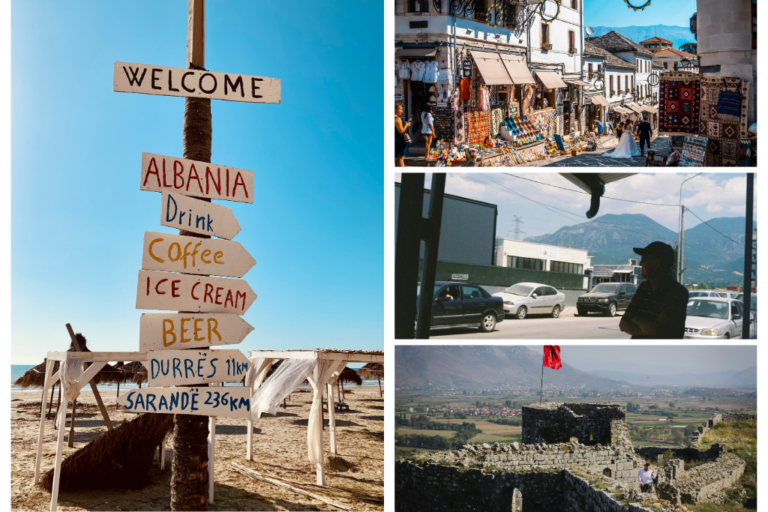
If you’re going to live in or travel around Albania, you’ll also want to know how much it costs to have fun and explore the country. The good news is that many leisure and tourism activities here are quite affordable compared with Western Europe, although prices vary by place and season.
- Cinema: One ticket costs about €8–9 ($9–10), which makes film releases an affordable plan.
- Theatre: Two tickets in Tirana can cost between €14–17 ($15–18), depending on the show and seat location.
- Nightlife: One drink in a club or nightclub usually costs around €10–12 ($11–13). There are also festivals, concerts, and cultural events with similar or even lower prices. Some local events may be free or donation-based, especially outside the high season.
- Museums and historical sites: Tickets usually range from €1.80–7 ($2–8), depending on the place. Important archaeological sites like Butrint may have slightly higher fees because of their heritage value. In several cities, you’ll also find small museums with low prices or voluntary contributions.
- Outdoor activities: Many hikes, public beaches, and natural parks are free; costs only appear if you hire guides, organised tours, or equipment rental. If you’d like to explore mountain routes and natural scenery, you can read this full guide on hiking in Albania with practical tips before planning your adventure.
- Streaming platforms: Services like Netflix or Disney+ keep approximate global prices of €7–14 monthly ($8–15), depending on the chosen plan.
- Subscription television: The price depends on the selected package, although many residents prefer combining home internet with streaming platforms to reduce costs.
In cities outside Tirana, such as Durrës, Shkodër or Berat, costs can be lower, especially for rent and some services, which means that with a tighter budget, you can still live well if you prioritise spending and choose quieter areas.
Frequently asked questions about the cost of living in Albania
No. Albania is one of Europe’s most affordable countries, especially compared with countries like Spain, Italy, or Germany. Rent, food, and transport are usually more affordable, although prices in Tirana are a little higher than in the rest of the country.
Yes, as in most countries, accommodation represents the highest expense. In the capital, Tirana, prices are higher, while in smaller cities or coastal areas outside the season, they can be lower.
Generally, yes. Shopping in local supermarkets and traditional markets is quite affordable. Eating in restaurants aimed at residents is also cheaper than in many European capitals.
No. Urban transport in Albania is cheap compared with other European countries. Also, many distances within cities are walkable, which helps reduce monthly costs.
Yes. With proper planning, it’s possible to maintain a comfortable lifestyle without excessive luxury. The cost of living in Albania lets you balance housing, food, services, and leisure without your budget rising too much.