Language

How to fix an eSIM error during installation on Android
To resolve an eSIM installation error on Android, first make sure your phone is compatible and carrier-unlocked, then connect to a strong Wi-Fi network with Airplane Mode and VPNs turned off. Most installation failures happen when one of these conditions isn’t met, causing the setup to stop before it can finish.
If the process is interrupted, you may see messages like “Your eSIM isn’t ready yet” or “Couldn’t connect with SIM, try again later.” This usually means the eSIM profile is already on your device and just needs to be completed for activation. Below, you’ll find the most common Android eSIM installation messages and the steps to address each one.
Common reasons eSIM installation can fail on Android
Several technical and configuration factors can prevent an eSIM from installing correctly on Android. These are the most common ones.
- eSIM availability varies by region and manufacturer, so some Android devices don’t display the option to add an eSIM.
- The device is locked to a carrier, which blocks third-party eSIM profiles even if the model supports eSIM.
- The eSIM QR code has already been scanned or partially installed, causing the system to reject a new attempt.
- A weak Wi-Fi connection, VPN, or background restriction interrupts the eSIM download process.
- The eSIM profile is already installed but turned off, triggering errors when scanning the QR code again.
- The QR code is scanned from the camera app instead of through Android network settings.
- The Android system software is outdated and prevents the installation flow from completing.
Android eSIM installation error messages
During eSIM setup on Android, different error messages can appear depending on where the installation process stops. Below are the most common ones and what they usually indicate.
1. Your eSIM isn’t ready yet
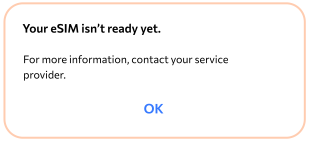
This message usually appears when the eSIM profile is already installed on the device, but hasn’t completed the activation process. It can also show up if Airplane Mode is enabled, the phone isn’t connected to a stable Wi-Fi network, or the eSIM installation was interrupted. To resolve this installation error, review the following points:
- Avoid scanning the QR code again if the eSIM profile is already present, as most eSIMs can only be installed once.
- Turn OFF Airplane Mode if it’s enabled.
- Connect to a strong and stable Wi-Fi network.
- Check whether the eSIM is already installed on your phone and only needs to be activated.
2. Plan already in use
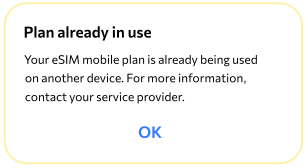
This message means the eSIM profile has already been activated on the device and cannot be installed again. It usually appears if the QR code was used before, even if the mobile data isn’t working yet. Check whether the eSIM is already installed and turned on in your network settings, and avoid scanning the QR code again, as most eSIMs can only be installed once.
How to check if your eSIM is already installed on Android
Both “Your eSIM isn’t ready yet” and “Plan already in use” can appear when the eSIM profile is already stored on your device. In these cases, installing it again isn’t necessary.
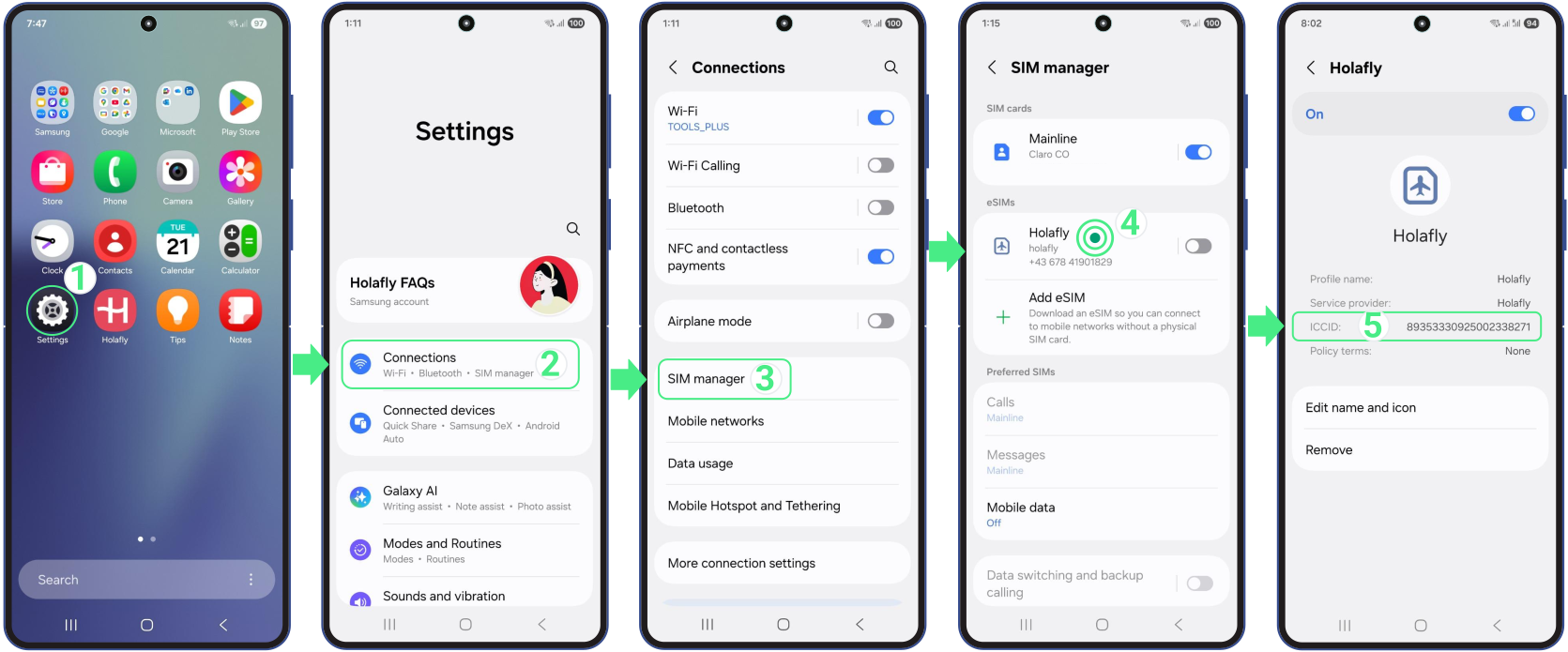
Note: If you see two mobile signal icons, the eSIM may already be installed and just needs activation. Checking the ICCID helps confirm it.
To check the ICCID on Android:
- Open Settings → Select Connections → Tap SIM manager → Choose the last eSIM installed → Turn it ON → Open the ICCID section → Check the ICCID number.
3. Couldn’t connect with SIM, try again later
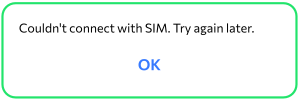
This error appears when the eSIM download is interrupted before it can finish. It doesn’t mean there’s a conflict with the eSIM itself, but rather that the device lost connection during the setup process, often due to unstable Wi-Fi or system restrictions.
To continue, make sure the installation is done over a strong and stable Wi-Fi connection, with VPNs or data-saving features turned off. Keep the installation screen open until it completes, and restart the device before trying again if the connection was interrupted.
4. Can’t add eSIM
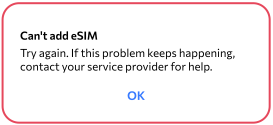
This error can appear at different stages of the eSIM installation process on Android, even though the message shown is the same. Here are the two possible reasons:
1. If the device blocks the eSIM profile, the cause is usually a carrier lock, regional incompatibility, or reaching the maximum number of stored eSIMs. In this case, Android won’t allow a new digital SIM to be added.
2. If the message appears during setup, it can also be caused by a connection issue that interrupts the download, such as unstable Wi-Fi or system restrictions.
What to review:
- Keep the installation screen open until the process finishes.
- Confirm the device is unlocked and supports eSIM in your region.
- Remove unused eSIM profiles if the device has reached its limit.
- Use a stable Wi-Fi connection and disable VPNs or data-saving features.
How to check if your Android phone is carrier-locked
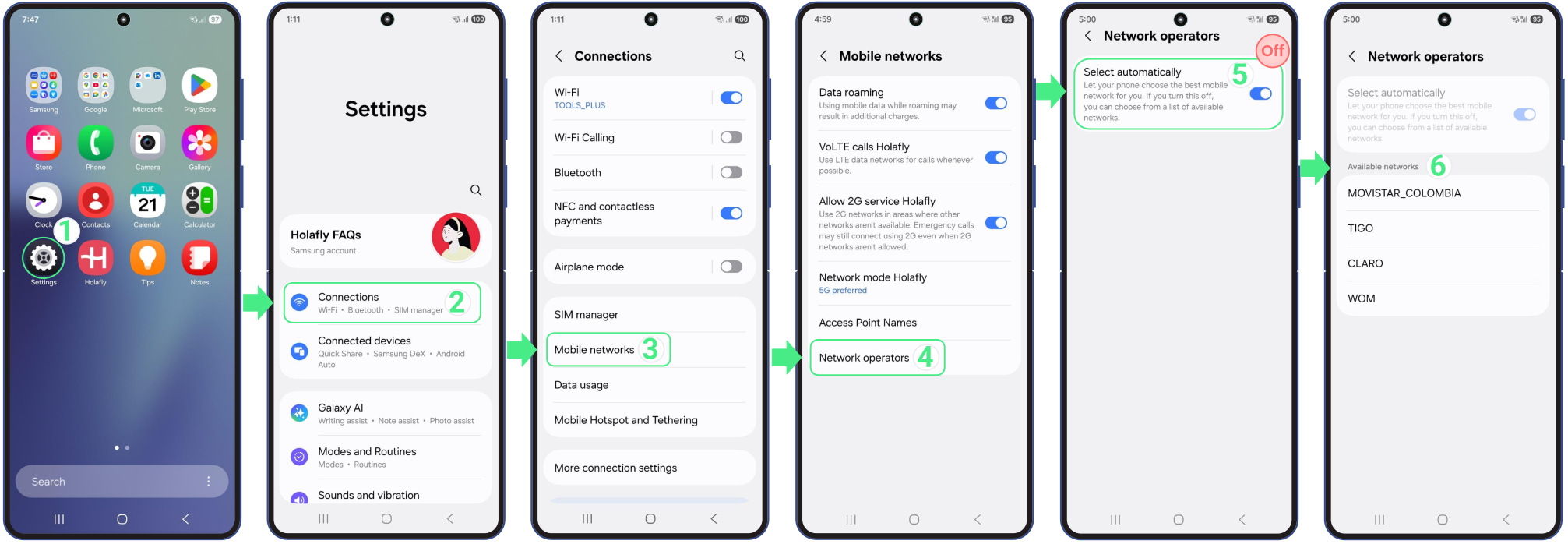
- Open Settings → Select Connections → Tap Mobile networks → Choose Network operators → Turn Select automatically OFF → Wait about 30 seconds for the available carriers to load. If you see only one carrier, your phone is locked. If multiple carriers appear, your Android device is unlocked and can use an eSIM.
5. Add plan to watch
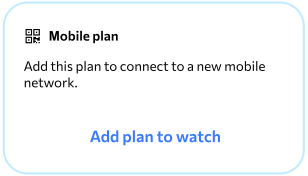
This message is a clear sign that your Android device doesn’t support eSIM. It usually appears when the QR code is scanned from the camera app because the Add eSIM option isn’t available in your device settings. Since Android can’t add the eSIM directly, it redirects to a generic “Add plan” option, which is commonly used for wearables like smartwatches.
Before trying again, confirm that your phone supports eSIM and start the installation from the network settings, not from the camera.
Troubleshooting tips
If you’ve reviewed the error messages above and the installation still doesn’t move forward, these additional checks often help complete the setup successfully.
Install the eSIM manually on Android
Install the eSIM by entering the activation codes from your purchase confirmation email while connected to a strong and stable Wi-Fi network. The video below walks you through each step so you can complete the setup smoothly.
Reset your network settings
This clears saved network data that may interfere with the installation process. After the reset, reconnect to Wi-Fi and try again.
- Go to Settings → Scroll down and select General management → Then on Reset → ChooseReset mobile network settings (If you’re prompted to enter a PIN, enter the code you use to unlock the screen and tap Next) → Confirm your selection with the Reset settings option.
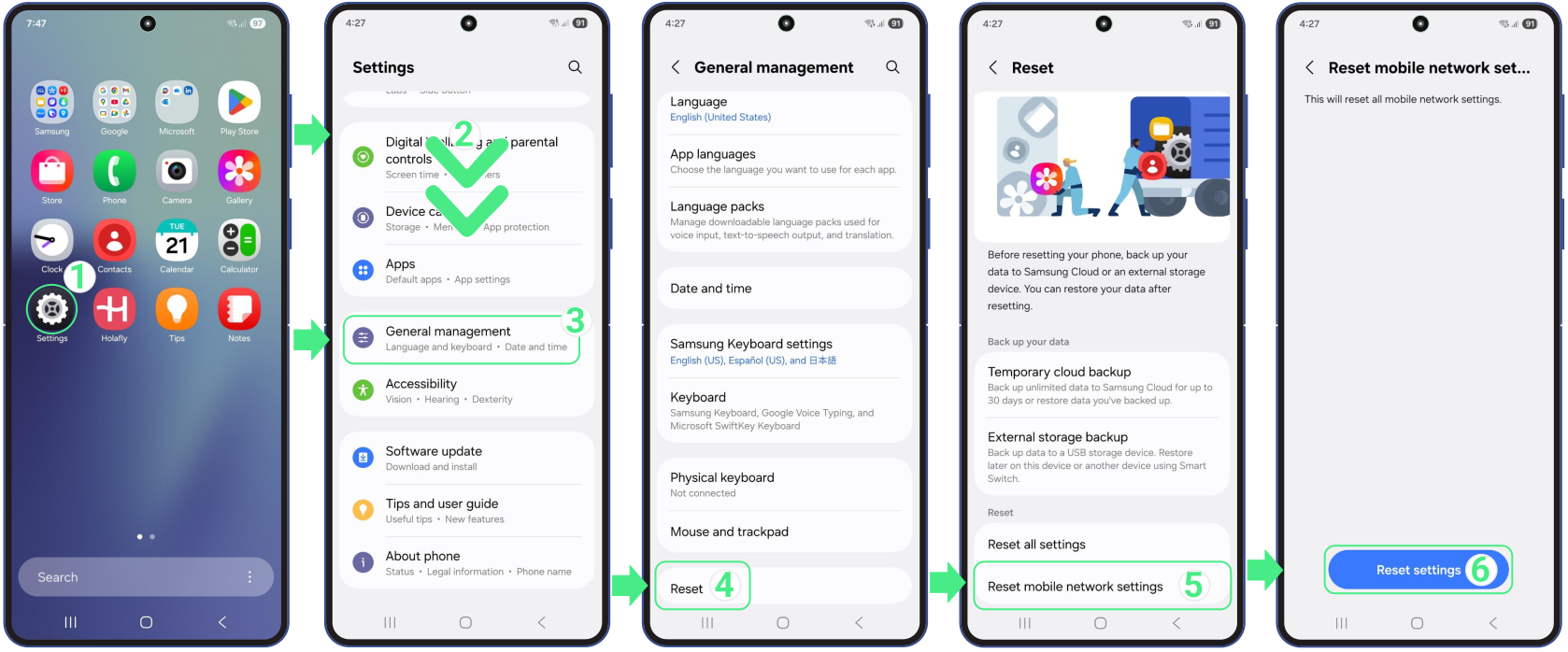
If you still have any doubts, here’s a video that will guide you through resetting your Android!
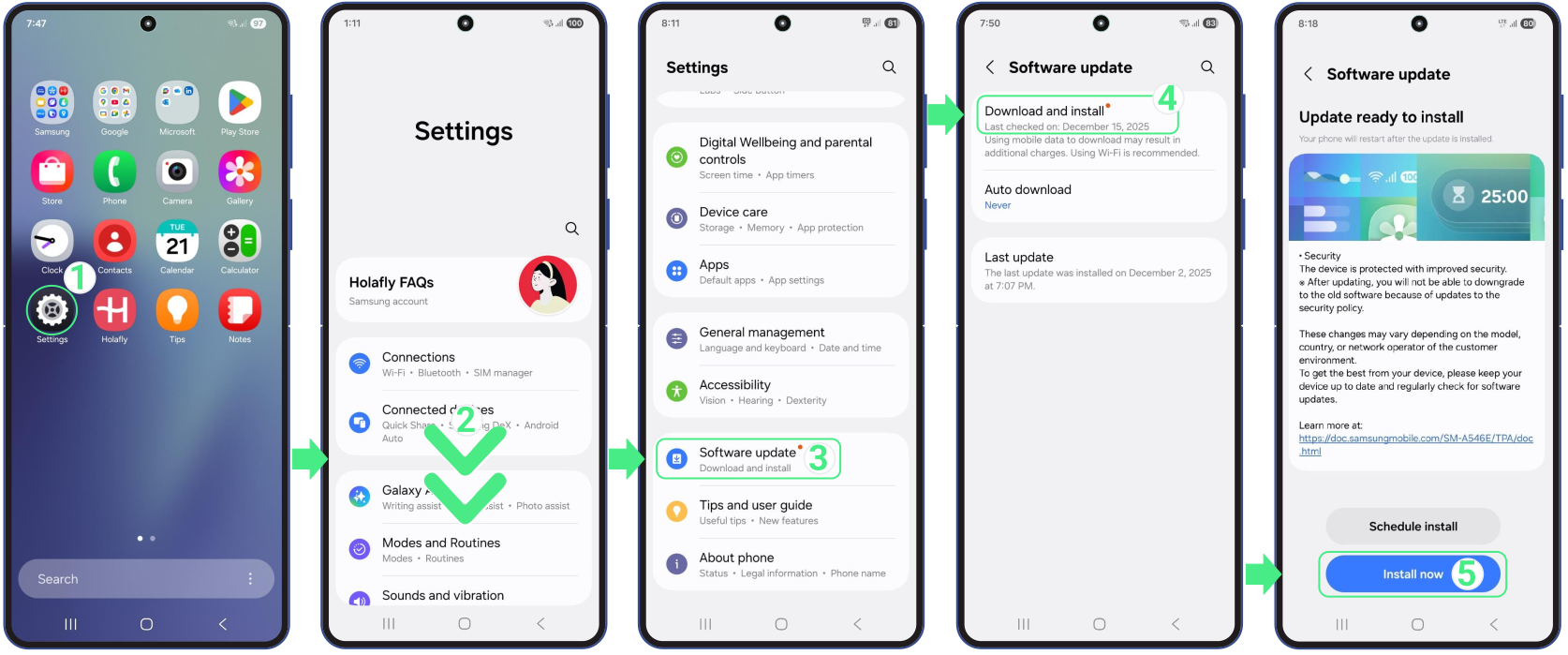
Update your Android software
Make sure your device is running the latest software version, as updates help keep the eSIM setup process running smoothly.
- Open Settings → Scroll to Software Update → Tap Download and Install → Select Install Now.
To keep in mind
- eSIM setup paths vary by Android manufacturer, so it’s important to follow the specific installation steps for your device. Brands like Samsung, Google Pixel, Huawei, Xiaomi, Honor,Vivo, Motorola, Nokia, Sony,and OnePlus may show different menus or options during the process.
- If your Android device doesn’t support eSIM, the digital profile is still valid. As long as the QR code hasn’t been scanned or activated, the eSIM can be installed on another compatible phone or saved for future use.
- Device compatibility alone isn’t enough; your phone must also be unlocked. A carrier-locked device can block third-party eSIM profiles and cause an eSIM error, so requesting an unlock from your carrier may be necessary before installation.
- If you see iOS-specific messages such as “Unable to Complete Cellular Plan Change,” follow the iPhone eSIM troubleshooting guide instead, as those errors use a different setup flow.