Language


 No results found
Best supermarkets in Italy: Where to go grocery shopping?
Make a note of the best supermarkets in Italy so you can do your shopping during your trip. All the information is here!

If you’re planning to spend a few days in this country for tourism, business, or you’re staying for a while as a digital nomad or student, this article we’ve prepared will be very helpful. Moving to a foreign country involves an adaptation process and learning about nearby stores where you can shop. That’s why today we bring you the five best supermarkets in Italy to make your shopping experience easier.
You have many options to choose from, ranging from large international chains to small local shops or central markets with fresh local products. So, take note of their prices, locations, and main features to fill your pantry while saving money.
What Types of Stores Are There in Italy?
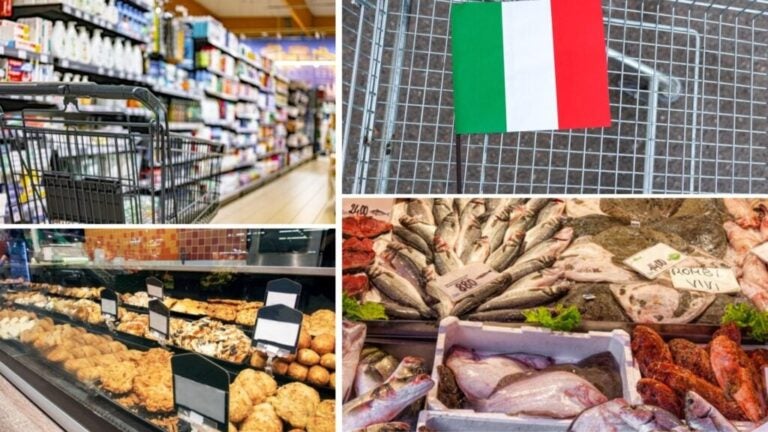
What type of shopping do you need to do? Depending on whether it’s an urgent purchase, you can visit a local shop, but if you’re doing a big weekly shop, the best options are medium-sized supermarkets or hypermarkets, which offer better deals. There are several types of supermarkets in Italy where you can choose from:
- Supermercati: These are medium-sized supermarkets where you can find a wide range of food, cleaning products, and household basics. Examples: Coop, Conad, Esselunga.
- Ipermercati: These are larger stores often located on the outskirts of cities. Here, you can buy not only food, but also clothes, electronics, and household goods. Example: Carrefour Iper.
- Discount stores: These supermarket chains offer the lowest prices and focus on basic goods and own-brand products. Examples: Eurospin, Lidl, MD.
- Alimentari: You can also shop at small local neighbourhood shops selling bread, milk, fruits, vegetables, and fresh produce.
- Mercati rionali: Lastly, markets are outdoor or covered spaces where local producers sell fruits, vegetables, meats, fish, and regional products.
Top Supermarkets in Italy
With a moderate cost of living compared to other European countries, supermarket prices in Italy aren’t excessively high and, if you know where to shop, you can benefit from their offers and promotions. If you’re staying in this country as a digital nomad, student or just for tourism, here’s a list of the best places to fill your cart.
1. Esselunga
Founded in Milan in 1957, it’s one of the most prestigious supermarkets in Italy, especially in the north and centre of the country, as it operates in the Lombardy, Tuscany, and Emilia-Romagna regions.
Here, you can buy high-quality fresh products, Italian cheeses, cold cuts, all kinds of wines, and gourmet items, with operating hours from 8:00 AM to 9:00 PM. Below are some examples of their prices:
- Pasta (500 gr): $1.20 (€1.15)
- Eggs (12 pcs): $3.50 (€3.35)
- Milk (1 l): $1.20 (€1.15)
- Beef (1 kg): $18.00 (€17.25)
- Chicken breasts (1 kg): $11.50 (€11)
- Bread (loaf): $2.10 (€2.01)
| Pros | Cons |
|---|---|
| Excellent wine selection | Higher prices than average |
| Plenty of fresh, local products | Limited locations in the north and centre |
| Modern stores | Not recommended for big shopping |
Advantages and disadvantages of Esselunga.
2. Coop
Coop is the largest supermarket cooperative in Italy and is highly recognised by its residents. It was founded in 1854 in Turin and focuses on sustainability and social responsibility. It’s present all over the country, especially in the north and centre, with operating hours generally from 8:00 AM to 8:00 PM, depending on the location.
It’s not the cheapest option, but it’s also not the most expensive, and they offer a wide range of fresh products, fruit, vegetables, organic, vegan, and gluten-free options. They also have their own cheaper private label brand. For example, a litre of milk costs €1.20 ($1.42), and a kilogram of Coop-brand pasta is €1.00 ($1.18).
| Pros | Cons |
|---|---|
| Great national coverage | Limited presence in villages |
| Fresh and organic products | Higher prices in tourist areas |
| Quality white-label brand | Reduced evening hours |
Important: If you are a frequent traveler and want to stay connected without worrying about expensive roaming or looking for a new SIM at every destination, Holafly’s subscription plans are for you. With a single eSIM, enjoy internet in more than 170 countries for a fixed price and no surprises on your bill. Travel without limits and connect easily and securely! 🚀🌍

3. Central Market
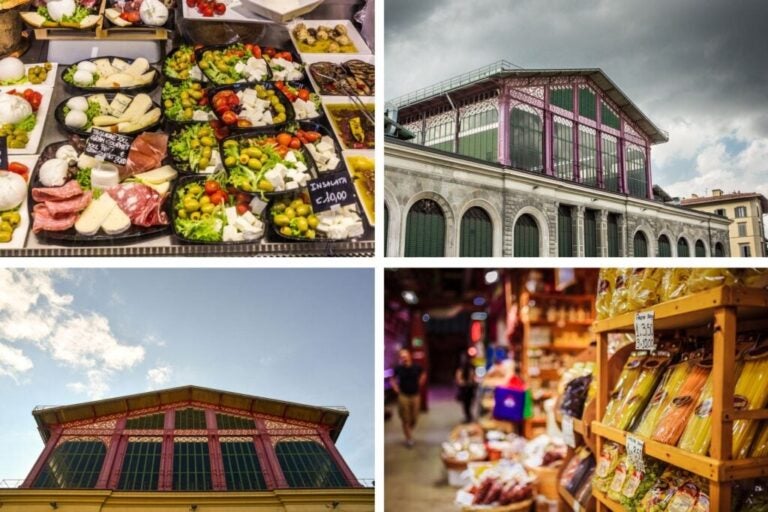
In cities like Florence, Rome, and Milan, the central markets are very well known as gastronomic spaces with various stalls selling local products, and they are open from approximately 9:00 AM to 11:00 PM.
If you love artisanal bread, fresh fish, meats, fruits, vegetables, and gourmet products, you’ll find the highest quality at these markets, though prices are higher than in supermarkets. For example, an artisanal pecorino cheese costs between €10 ($11) and €20 ($22) per kilo.
| Pros | Cons |
|---|---|
| Quality and freshness | High prices |
| Tourist-friendly place to socialise | Not available in every city |
| Local products | Crowded at busy times |
Advantages and disadvantages of the Central Market.
4. Carrefour Iper
Carrefour is one of Italy’s hypermarkets, a French chain with over 1,200 stores in major Italian cities since 1972. Its stores are typically open from 8:00 AM to 9:00 PM, while Express stores stay open until midnight.
The prices of their products aren’t as cheap as Esselunga or Coop for everyday shopping, but it’s recommended for large purchases, allowing you to take advantage of their famous 3-for-2 offers. It is known for collaborating with local Italian producers and exporting their goods worldwide:
- Mineral water (3 L): $2.05 (€1.74)
- Organic eggs (6 pcs): $2.82 (€2.39)
- Macaroni (500 g): $1.76 (€1.49)
- Bread loaf: $0.89 (€0.75)
| Pros | Cons |
|---|---|
| Wide variety of international products | Located on city outskirts |
| Multiple store formats | More expensive than discount supermarkets |
| Great gourmet and organic range | Not available in villages |
Pros and cons of Carrefour.
5. Alimentari, Neighbourhood Stores
Alimentari are small, family-run neighbourhood stores found in every district. Unlike the supermarkets we’ve seen so far in Italy, these establishments are independent, with a strong local history, such as Alimentari Roscioli near Piazza Navona in Rome. This shop was founded in 1824 as a bakery and now offers gourmet products.
In these shops, you can find typical Italian products such as focaccia, cheeses, preserves, handmade pasta, and a wide selection of wines. They usually close at midday, operating from about 8:00 AM to 1:00 PM and from 4:00 PM to 8:00 PM, with slightly higher prices than in supermarkets:
- Artisanal bread: $4.75 (€4.00)
- Fresh burrata: $5.93 (€5.00)
- Pecorino cheese: $23.70 (€20)/kilo
| Pros | Cons |
|---|---|
| Personal service | Higher prices than supermarket chains |
| Close to your home | Limited variety |
| Fresh, local products | Shorter opening hours |
Pros and cons of neighbourhood stores.
Other Notable Stores and Warehouses in Italy
Now that you have an idea of the best supermarkets in Italy, it’s also important to know what other types of stores are available in the country. If you need to buy clothes, electronics, or household items, don’t miss the following stores we recommend.
MediaWorld, Electronics and Appliances
Founded in 1991, it’s the Italian subsidiary of the German multinational MediaMarkt, and has become Italy’s most important electronics chain, with 110 stores. Here, you can find all kinds of electronic products, appliances, smart home devices, and household goods.
Their prices are very competitive, lower than local shops. For example, a basic laptop costs around €400 ($475). You can visit this store from 9:00 AM to 9:00 PM.
| Pros | Cons |
|---|---|
| Frequent promotions | Fewer local brand options |
| Wide product range | Lack of staff attention |
| Large stores in several cities | More expensive than online shopping |
Advantages and disadvantages of MediaWorld.
OVS, Italian Fashion
This Italian fashion chain started in 1972 in Venice, and today has over 1,200 stores across the country. They sell women’s and men’s clothing, footwear, and accessories in Italian style, but at affordable prices similar to other well-known chains like Zara. For example, a basic t-shirt costs €10 ($12) and jeans are €25 ($30), and they’re available from 9:00 AM to 8:00 PM.
| Pros | Cons |
|---|---|
| Affordable prices | Average quality |
| Great national coverage | Limited stock |
| Italian fashion |
Advantages and disadvantages of OVS.
Bata Italia, Footwear
Although it originates from the Czech Republic, this company has been operating in Italy since 1931 and is a leader in the footwear sector. You can find over 200 stores across the country, operating from 9:00 AM to 8:00 PM, both in urban centres and shopping malls.
Their prices are affordable compared to other Italian brands, for example, sports shoes start at €40 ($47) and summer sandals cost around €25 ($30).
| Pros | Cons |
|---|---|
| Variety for the whole family | No luxury footwear |
| Affordable prices | More basic models |
| Good quality |
Pros and cons of Bata Italia.
Frequently Asked Questions about the Best Supermarkets in Italy
The cheapest supermarkets in Italy are Esselunga or Coop for small to medium purchases, and Carrefour for large shopping trips.
The central markets are the best places to buy fresh produce and products from local producers.
Yes, several supermarkets in Italy offer home delivery, such as Esselunga, Coop, or Carrefour.
Yes, most supermarkets in Italy accept international credit and debit cards. However, neighbourhood shops usually only accept cash.
You can find Italian gourmet products at supermarkets like Esselunga and at central markets in any city.