







 Language


 No results found
Is shoulder season the best time to travel?
From fewer crowds to lower prices, there are many benefits of shoulder season travel. Here’s when to go, where it works best, and how to travel smart.

You don’t have to choose between peak season crowds or unpredictable off-season weather. Shoulder season is the period between peak season and off-season, and for most travelers, it’s undoubtedly the best time to travel.
Shoulder season travel offers a sweet spot where destinations feel calmer, prices drop, and the weather is still pleasant.
In this article, we’ll explore what shoulder season travel is, when it occurs, and why it may be the best time to take a trip. I’ll also share my top shoulder season travel tips for getting the best deals.
What does shoulder season mean?
- Peak season: This is often during summer or Christmas holidays, or when the destination experiences the most pleasant weather. For example, in many tropical countries, the peak season coincides with the dry season, when the chance of monsoons is at its lowest. Peak season is when a destination sees the most visitors, so it typically brings higher prices and crowded attractions.
- Off-season: This is often the period of the year when the weather is at its worst, such as winter in Europe and the rainy season in Southeast Asia. There are fewer things to do, and many businesses close down for this period. However, the low demand does mean minimal crowds and better deals.
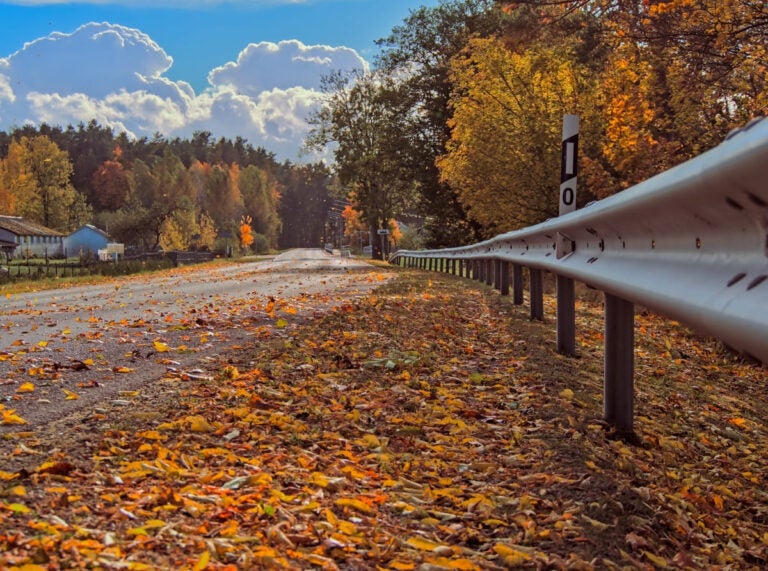
- Shoulder season: It sits on the shoulders of peak season, just before and just after the busiest, most expensive travel period. During this time, there are fewer crowds, yet everything is still open, and the weather is still good, making it the best time to explore sights and attractions.
Many people assume shoulder season guarantees bad weather, but this is not the case. It’s usually the period when the weather is starting to change, so while it is a bit more unpredictable than the peak season, conditions are often still very good.
What’s more, destinations are still pretty lively during the shoulder season as they are even preparing for the peak season or winding down from it. Places aren’t empty, but they’re not crowded either.
Is shoulder season the best time to travel?

Yes, shoulder season can be the best time to travel, but not for everyone.
If you’re flexible about when you can travel, shoulder season is absolutely the best time to go.
If crowded places make you feel more stressed than relaxed, shoulder season is definitely for you.
Or if you’re on a budget, shoulder-season travel makes your dream trip more accessible without compromising the experience or the weather.
Unfortunately, for families with young kids, shoulder-season travel isn’t realistic because it doesn’t coincide with the school holidays. Similarly, if your job only allows you to take time off at certain times of the year, traveling in shoulder season may not be possible.
The benefits of shoulder season travel

As someone who has traveled in all seasons, I’ve found there are MANY benefits of shoulder season travel:
- Lower flight prices: During peak season, flights are almost certain to sell out. In shoulder season, this isn’t the case, so airlines reduce prices to stimulate demand.
- Cheaper hotel rates: Most hotels are not fully booked during the shoulder season, so they are more likely to offer lower nightly rates or special deals.
- Easier reservations for restaurants, tours, and accommodations: Because destinations are quieter, you don’t have to book months in advance. In fact, shoulder season travel offers spontaneity and last-minute reservations rather than carefully planned itineraries to avoid missing out on tours and activities.
Something I’ve noticed with traveling at different times of the year is that every travel period has a different pace.
Peak season can be so hectic that you can’t even enjoy what you’ve gone on holiday for. The beaches are so crowded that you can’t enjoy a nice sunset walk, and the temples feel more stressful than serene.
Off-season, on the other hand, can make a destination feel like a depressing ghost town. The places you want to visit are closed, the restaurant and bars are empty, and outdoor activities are impossible due to bad weather.
Shoulder season gives an idyllic balance between the two; the pace is relaxed but not sleepy. Because it’s less hectic, the locals are much less stressed. Eating dinner at a local restaurant becomes an enjoyable opportunity to chat with the staff, rather than the conveyor-belt feeling of peak season.
When is shoulder season? A simple travel calendar

Shoulder season isn’t the same everywhere. It varies by region, shaped by weather patterns and travel demand. That means it doesn’t always fall when you might expect.
For example, one of the best times to visit Thailand is November. While early winter in Europe or North America might mean chilly weather, shoulder season in Southeast Asia marks the end of the monsoon season. The result? Warm temperatures, plenty of sunshine, and clear skies.
Similarly, the best time to visit Egypt is March. As much of the world starts to warm up, Egypt is already enjoying pleasant temperatures of 25–30°C (77-86°F), making it a perfect shoulder season for sightseeing and outdoor activities.
This shoulder season travel calendar breaks down when shoulder season is in each part of the world so you can plan accordingly:
| Region | Shoulder Season |
|---|---|
| Europe | Spring (April-May) + autumn (September-October) |
| Southeast Asia | Pre-monsoon (February-April) + post-monsoon (October-November) |
| North America | Spring (April-June) + early fall (September-October) |
| South America | Spring (September-October) + fall (March-May) |
| Australia / New Zealand | Spring (September-October) + fall (March-May) |
| Africa (Safari / Coastal) | Spring (March-May)+ fall (September-October) |
Smart shoulder season travel tips

For the last few years, I’ve chosen to travel mostly in the shoulder season. Here are my tried and tested shoulder season travel tips for getting the best deals during this period:
- Be flexible with your dates: Shifting your trip by even a week or two can make a big difference in price. For example, the beginning of shoulder season may be cheaper than the end, or vice versa. Likewise, certain days, like Tuesday and Wednesday, might be the cheapest days to fly during shoulder season.
- Monitor airline price drops: Airfares can fluctuate significantly during the shoulder season. Use fare alerts, track deals, and be ready to book when you see a good price.
- Check regional holidays: While shoulder season doesn’t coincide with global holidays, it might conflict with local festivals or school breaks in your destination. This can drive up prices and crowds due to increased domestic travel.
- Pack for varied weather: The shoulder season often brings warm days, but mornings and evenings can be chilly, and unexpected showers can occur. Pack plenty of layers as well as a lightweight, waterproof jacket.
- Stay connected for smooth travel: Shoulder season travel often means lots of last-minute planning. Instead of constantly hunting down places with free WiFi, use a travel eSIM for a consistent, reliable internet connection, so you can book on-the-day activities, navigate public transport, and access Google Maps.
Get unlimited data wherever you go with Holafly
With a Holafly eSIM, you’ll enjoy fast, reliable data the moment you land—no need to search for a local SIM card or worry about expensive roaming charges.
By connecting to the best local networks, Holafly makes shoulder season travel smooth, stress-free, and affordable.
Explore the Holafly eSIM store here.

Unlimited data. Peace of mind.
Make sure you have travel data that's there when you need it most.
Plans that may interest you

Hey, I’m Mika! I’m an SEO specialist with 7+ years of experience and a passion for travel info that actually helps you explore smarter. I write travel guides and tips backed by SEO insights so you can spend less time searching and more time adventuring.

