Language
More than music: Why locals say New Orleans Jazz Fest is a food lover’s paradise
Discover why New Orleans Jazz Fest is a food lover’s paradise, with iconic Cajun and Creole dishes, local vendors, and exclusive festival-only recipes.

Jazz Fest might be known for its music, but the food is as much of a headliner as the artists.
What you eat at New Orleans Jazz Fest is not your typical festival fare. It’s a living showcase of Louisiana’s Cajun and Creole heritage.
In fact, if you were to ask the locals how they spend their day at Jazz Fest, they would tell you how they plan it around the food. And what do they look forward to the most? The dishes that are made exclusively for Jazz Fest.
So, if you’re heading to New Orleans, read on to discover exactly what makes Jazz Fest a food lover’s paradise.
How Jazz Fest became as much about food as music
The New Orleans Jazz & Heritage Fest launched in 1970. From the beginning, the vision was to celebrate the state’s music and cuisine. So not only did they purposely invite local artists to play, but they also invited local food vendors.
Together, local artists and food vendors have built the event’s identity. Many of the carefully selected vendors have held the same booth for 20 or 30 years, and each year they return to dish up heritage recipes passed down through generations.
The result is something rare: a festival where the food lineup is treated with the same seriousness as the music lineup. And this is exactly what makes Jazz Fest stand out from other music festivals around the world, where the food is simply an afterthought.
Why Louisiana food culture makes this unlike any other festival
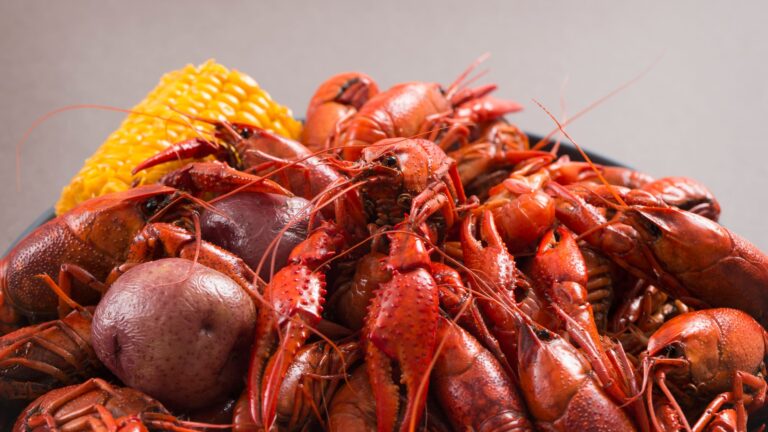
But what is it that makes Louisiana’s food so unique and noteworthy?
New Orleans sits at the intersection of French, African, Spanish, and Native American culinary traditions. That melting pot of cultures produced two distinct cooking traditions: Cajun and Creole.
These two cuisines are often confused, but they taste very different.
- Creole cuisine originated in New Orleans, so it is locally known as “city food.” Creole cooking features lots of tomatoes, butter, cream, and a wide range of spices, resulting in iconic dishes like gumbo, jambalaya, and dirty rice.
- Cajun cuisine has its roots in rural Louisiana, so it is often referred to as “country food.” It was developed by the Acadian people (French settlers). The dishes, such as seafood crawfish boil and shrimp étouffée, are bold, hearty, and tend to use smoky spices.
Jazz Fest is one of the only places where non-locals can try both cuisines. The traditions appear side by side, with the classic dishes prepared by families who have cooked this way for generations, so you know what you’re eating is truly authentic.
The festival also features dishes from other parts of Louisiana. For example, there are meat pies from Natchitoches and lobster butter from Acadiana. This gives attendees a complete snapshot of the entire state’s food identity, making New Orleans during Jazz Fest one of the best USA weekend trips in April and May.
What locals actually do differently at Jazz Fest
Most festival-goers fit their meal times in around the sets, but Jazz Fest locals do things very differently.
The most popular food booths at Jazz Fest are known to form half-hour-long queues at certain times of day. To avoid these long waiting times, Louisianans plan their day around the food, not the music, and hit their preferred booths early in the day.
This concept of strategic eating lets locals get the must-try dishes from the most popular booths before lines form. They then spend the rest of the day checking off the lower-priority items on their food lists, which are typically lesser-known dishes.
In fact, many locals create a personal list of booths they want to visit (usually the ones they visit every year), with a specific order of which ones they will prioritize first.
While this may seem a bit extreme, it shows just how much Louisianans treat Jazz Fest as an annual food ritual. They wait all year to taste that same dish from that same booth, reigniting memories of it from all the previous years.
Along with avoiding long queues, locals ensure they pace themselves well throughout the whole day. With a long list of foods to try, they typically share each dish with friends, having small portions of multiple dishes rather than indulging fully in one thing.
The vendors and traditions that make Jazz Fest food irreplaceable
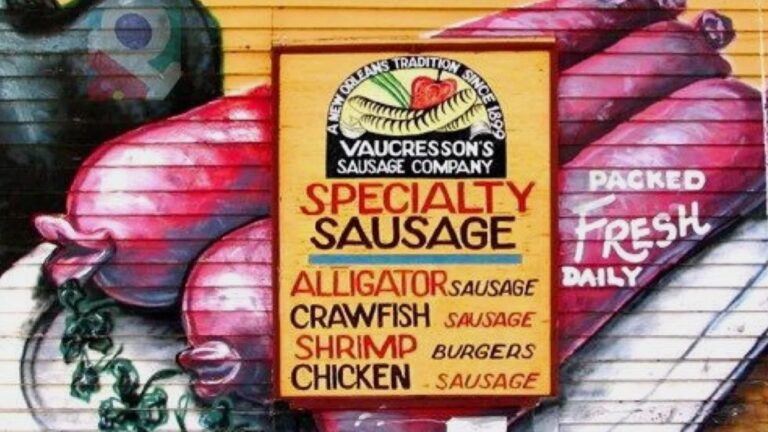
Jazz Fest brings together dozens of local New Orleans food businesses. Yet some vendors cook only for Jazz Fest, giving the festival’s food area a truly exclusive feel.
What’s more, several vendors create signature dishes at the New Orleans Jazz Fest specifically for the festival. This means you can’t find them anywhere else or at any other time of the year.
This exclusivity is combined with longevity: some food booths have been dishing up at Jazz Fest for as long as 30 or 40 years. That kind of continuity is rare anywhere in any other festival.
In 2026, there are set to be around 60 food vendors at Jazz Fest, split between two main food areas and two squares in an open-air fairgrounds setting. These include many well-known local companies, like:
- Vaucresson’s Sausage Company
- Keyala’s Pralines
- Walker’s BBQ / Love At First Bite
- Sweet Soulfood Vegan Cuisine
The open-air setting of the food areas is key to the food culture the festival creates. With food booths dotted around the grounds rather than in a separate area, you can eat a hot crawfish bread in the shade with a brass band warming up nearby. This makes eating at Jazz Fest a much more immersive experience than eating in a restaurant.
There’s also another key element of the Jazz Fest’s food culture that you should not miss: The food heritage stage.
The food heritage stage features some of New Orleans’ best chefs cooking iconic dishes live. The demonstrations are an awesome way to learn more about Louisiana’s food culture and pick up some recipes to try at home.
Is Jazz Fest worth the trip for a food traveler who doesn’t follow jazz?
Yes, many people who attend Jazz Fest every year are there primarily for the food, and they find the music a pleasant bonus.
Jazz Fest makes it easy for food travelers by offering day tickets available online and at the gate on a first-come, first-served basis. Therefore, you don’t have to commit to the full weekend.
And if you’re wondering which weekend to go, Jazz Fest’s first weekend falls in late April, which is one of the better months for value travel in the US. Therefore, New Orleans tends to be a fairly cheap place to travel in April.
Beyond food and music, there are many other things to do in New Orleans once the Jazz Festival ends, such as exploring the diverse neighborhoods, strolling along the riverfront, and even kayaking in the bayous.
And if Jazz Fest converts you into a festival fan, there are plenty of awesome music festivals happening in June that will allow you to continue the experience.
Stay connected while eating your way through Jazz Fest
Whether you’re checking food stall locations or posting your food shots on Instagram, you’ll need a reliable mobile connection.
If you’re traveling from abroad, a Holafly eSIM lets you avoid high roaming fees and patchy public WiFi. With fast, unlimited data from the moment you arrive, you can focus fully on the food and the fun.
Grab an eSIM for the USA before you go to ensure you have a smooth connection throughout your trip.

Unlimited data. Peace of mind.
Make sure you have travel data that's there when you need it most.
Plans that may interest you

Hi, I'm Mika, a South Korean writer living in the US. I cover travel and live events, focusing on the practical stuff that makes your trip smoother, whether you're navigating a new city or heading to a major international event.I'm also the founder of Search SEOul, South Korea's leading SEO conference, bringing together search marketing experts and speakers from around the world.