







 Language


 No results found
How to plan your first Formula 1 trip without stress
Learn how to plan your first Formula 1 trip without stress, from saving money on flights and hotels to avoiding common race-day mistakes.

Grand Prixs always look glamorous on TV; sun-drenched circuits, champagne sprays, and packed grandstands buzzing with energy. But planning a Formula 1 trip can feel anything but glamorous.
Race tickets often sell out months in advance, seating options can be confusing, and unexpected transport chaos can leave you frazzled. One wrong detail, and your first Formula 1 trip can become unforgettable for all the wrong reasons.
The good news is, with a little research and the right information, you can ensure a smooth and enjoyable Grand Prix experience. In this guide, you’ll learn how to plan your first Formula 1 trip without stress, overwhelm, or blowing your budget.
First Formula 1 trip overview (cost & planning basics)
Here are the typical estimated costs for your first international Formula 1 trip in Europe or the Middle East, including 4–5 nights in an entry-level to mid-range hotel.
| Expense category | Estimated cost (USD) | Notes |
|---|---|---|
| Round-trip flights | $700 – $1,200 | Depends on season & host city |
| F1 race tickets | $350 – $900 | General admission is much cheaper than grandstand tickets |
| Accommodation (4–5 nights) | $600 – $1,200 | Hotel prices typically spike on race weekend |
| Local transport | $80 – $200 | Getting to and from the circuit via trains, metro, or shuttle buses |
| Food & drinks | $250 – $400 | Track food is pricey, cheaper eats can be found away from tourist areas |
| Travel essentials (SIM/eSIM, insurance, etc.) | $50 – $100 | These small costs are often overlooked |
| Estimated total | $2,000 – $4,000 | Realistic first-time range |
A few considerations regarding these estimates:
- Luxury accommodation, such as 5-star hotels, will increase prices drastically. On the other hand, if you stay in a budget hostel, you can expect lower accommodation costs than these estimates.
- Flight estimates are based on departing from a major U.S. city like New York, Los Angeles, or Chicago, but costs can differ significantly, depending on the location and date.
- F1 race ticket prices vary drastically. For example, some smaller Grand Prix, like the Bahrain GP, are cheaper than you think, with the average ticket price at $296. However, tickets to the most famous F1 races, like the Monaco GP, can be almost $1000.
Race tickets and accommodation drive most of the budget for a Formula 1 trip. So, if you’re looking to keep costs low, affordable races like Shanghai, Budapest, or Bahrain may be the best F1 Grand Prix to attend for your first time.
Tickets: how to choose without overpaying
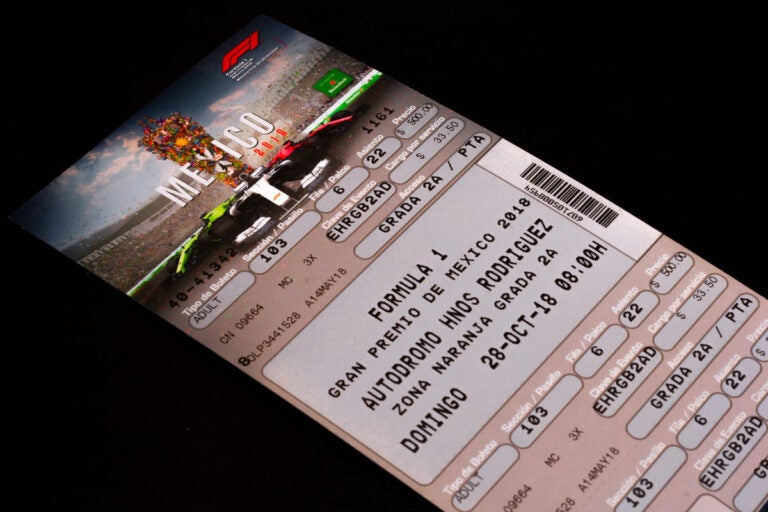
You’ve likely come across two F1 ticketing terms, General Admission and Grandstand, and may be wondering what the difference is.
- General admission is the cheapest F1 ticket. With this, you don’t get an allocated seat in the stands. Instead, you can roam the grounds and watch from various spots, such as grassy areas.
- Grandstand tickets are F1’s more premium option, giving you a reserved seat and elevated views from the stands.
Many first-timers make the mistake of believing they need grandstand tickets to be able to enjoy the game. But this isn’t necessarily the case. You can get excellent views with general admission tickets, but it may require a lot of standing and walking.
Grandstand tickets offer the most comfort, but general admission offers more flexibility and freedom of movement. So choose based on what you value more, and don’t overthink it, as the race atmosphere matters more than “perfect” seats anyway!
Common F1 first-timer mistake: Waiting to get tickets, hoping for a last-minute price drop. While this can happen, it’s not always the case. If the race is popular and filling fast, prices will go up closer to race weekend.
Flights: when to book and what actually matters
For international F1 trips from the U.S., the ideal booking window is usually 3 to 5 months before race weekend. This is when prices are relatively stable, and there’s the most availability.
One reason why you shouldn’t book your flight too late is that race weekends push prices higher.
Unlike a normal vacation, the dates aren’t negotiable. Tens of thousands of people are trying to arrive within the same 48-hour window to watch one of the most-watched sporting events in the world. This demand spikes higher fares and limited availability.
So, if you’re looking for the best fares, be flexible with your dates. If you arrive a few days before the race and stay a few days after, you might find much cheaper flights.
Common F1 first-timer mistake: Arriving too close to the race. It’s best to arrive at least one full day before any on-track action. This might mean choosing a more expensive flight, but it gives you breathing room for delays, time-zone adjustment, and unexpected hiccups.
Accommodation: where to stay during an F1 weekend

For most first-time F1 travelers, the biggest decision about accommodation is whether to stay near the circuit or in the city center.
Hotels closest to the circuit are the most convenient, but they’re also the first to sell out and the quickest to inflate prices. They may also have limited dining and entertainment options nearby.
Hotels in the city center offer more consistent pricing and better food and entertainment. You will also find a wider choice of accommodation, including low-budget options. The biggest drawback is that it takes longer to reach the circuit, so it’s key to ensure there are reliable transport links, such as direct train lines or official shuttle buses.
You can also consider staying in neighboring cities or towns. Here you can get some great deals, but again, it’s crucial to consider how easily you can get to and from the track.
Common F1 first-timer mistake: Booking accommodation that looks affordable but is far from transport hubs. This can result in long travel times and expensive taxi rides.
Getting around: transport realities on race weekend
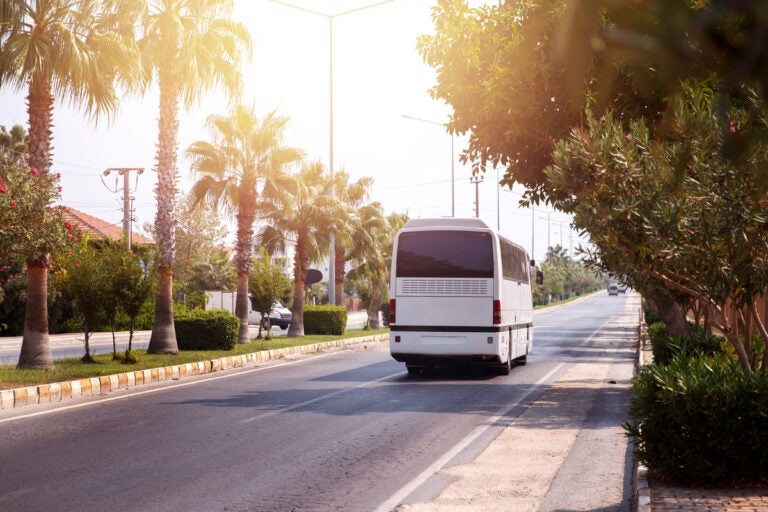
In many F1 host cities, public transport such as trains and metros serves the event venue. Some Grand Prixs also arrange shuttle services to bring fans from the city center to drop-off points near the circuit, and many hotels offer their own shuttle buses for guests.
Because F1 races draw tens of thousands of people into a small, congested area, arriving and leaving the venue can be stressful. While race-day transport chaos is part of the experience, there are things you can do to ensure it doesn’t overshadow the excitement:
- Leave earlier than you think you need to
- Expect queues at transport hubs, security, and circuit entrances
- Follow official shuttle and walking routes
- Be patient after the race; waiting 30–60 minutes can make your return far smoother
Race-day mistakes first-timers always make
From underestimating wait times to not checking race schedules properly, even the best-planned F1 trips can unravel on race day. So here are my final tips on how to plan your first Formula 1 trip without stress:
- Don’t leave immediately after the race: Instead, grab some food nearby and wait 30–60 minutes, or walk part of the route to avoid the transport queues and gridlocked roads.
- Don’t overplan: Race weekends are already intense, so trying to cram in too much can make the weekend feel more like a checklist than an adventure. Keeping things spontaneous and leaving time to wander will help you fully enjoy these major sporting events of 2026.
- Don’t forget race-day essentials: Bring both cash and cards, and check the weather forecast to ensure you’re wearing appropriate clothing.
- Don’t rely on Wi-Fi: You’ll need reliable mobile data to navigate the city, check transport updates, and access tickets. Avoid the stress of relying on overcrowded Wi-Fi by getting a travel eSIM. With Holalfly, you’ll arrive at your F1 host city with instant, reliable, and unlimited data. Explore the Holafly eSIM store here.

Unlimited data. Peace of mind.
Make sure you have travel data that's there when you need it most.
Plans that may interest you


Hey, I’m Mika! I’m an SEO specialist with 7+ years of experience and a passion for travel info that actually helps you explore smarter. I write travel guides and tips backed by SEO insights so you can spend less time searching and more time adventuring.

