







 Language


 No results found
How Italy’s Winter Olympics will feel different from past hosts
Wondering how Italy’s Winter Olympics will feel different from past hosts? Milano–Cortina 2026 is set to be a journey, not a hub, with multi-city events blending sports with travel, nature, and culture.

Until now, the Winter Olympics have typically been experienced as a single destination: one chosen city transformed into a vibrant stage for sport and spectacle.
Italy is about to break this tradition completely.
The upcoming Milano-Cortina 2026 Olympics won’t be a hub you arrive at, but a journey you move through.
Rather than centering the events in one city, Italy has spread them across many diverse towns and landscapes, each offering a different way to experience the Games.
From urban cities to mountain valleys and historic towns, the focus of the Olympics is about to shift from a single, centralized event to cross-region travel and cultural immersion.
Whether you’ve already got your tickets or are still considering a trip to Italy this February, here’s how Italy’s Winter Olympics will feel different from past hosts.
Multiple cities
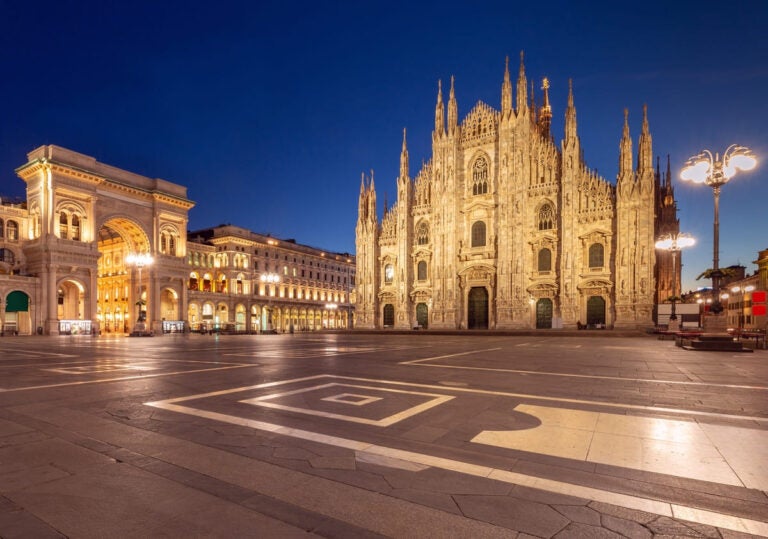
Most Olympic host cities build a compact Olympic bubble, where all events take place within or near the same city. For example, past Winter Olympic hosts like Salt Lake City 2002 and PyeongChang 2018 used towns no more than one hour apart.
The Italy Winter Olympics will break this model, as the games will take place at 25 event venues across five regions in northern Italy.
Not only are these areas several hours apart, but they all have totally different atmospheres:
- Milan: Modern, fashion-forward urban city
- Cortina d’Ampezzo: Historic alpine town
- Val di Fiemme: Peaceful mountain valley
- Bormio and Livigno: Popular ski resorts
- Verona: Charming, medieval city
This means spectators’ experiences will differ depending on where they stay and which venues they visit. Those who attend the ice events in Milan will enjoy a bustling urban vibe, while those watching the skiing in Cortina will feel like they’ve stepped inside an alpine storybook.
Italy’s approach allows visitors to choose the Olympic experience they prefer, whether that’s city energy or mountain calm.
Transport
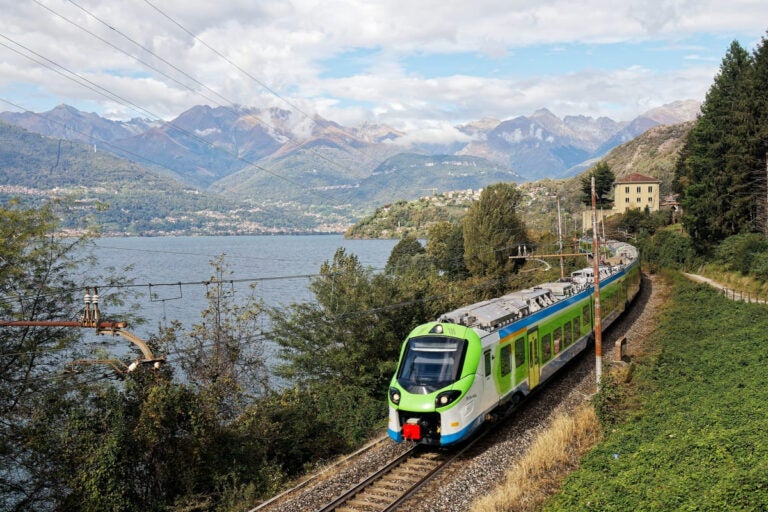
It’s common for host cities to create Olympic-only transport systems. The Milan-Cortina Olympic transport, however, will unfold along public regional train lines, with spectators and locals traveling side by side.
The journey between venues becomes a travel experience itself. Visitors will traverse three regions and two provinces, moving from the sea-level city of Milan to the 2,291-meter Foscagno Mountain Pass.
These unique logistics allow visitors to experience Italy beyond the Olympic zones. With the absence of dedicated buses and closed-off routes, they will have more freedom to explore and can easily combine Olympic events with normal sightseeing days.
Moreover, upon arrival at the nearest train station, spectators can easily hop on a dedicated shuttle that takes them straight to the venue.
New sports
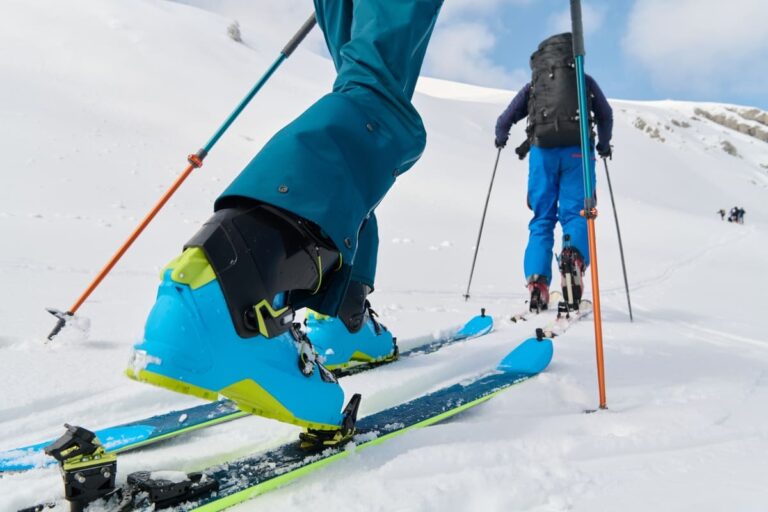
It’s not just the location and logistics that Italy is doing differently. Milan-Cortina 2026 sees the introduction of a brand new Olympic sport, and honestly, it couldn’t be more Italian.
In 2026, ski mountaineering will make its debut in Bormio.
The experiential sport involves athletes climbing mountains on skis before descending. It combines endurance, technique, and alpine knowledge, and is set to be one of the most adrenaline-filled sports to watch.
Ski mountaineering is much more exposed and raw than the usual stadium-based events. The addition of ski mountaineering will make the Italian Olympics more nature-driven than venue-driven.
Plus, as ski mountaineering originates from the Alps, the sport feels right at home in the Italian Dolomites.
Existing towns, not purpose-built zones
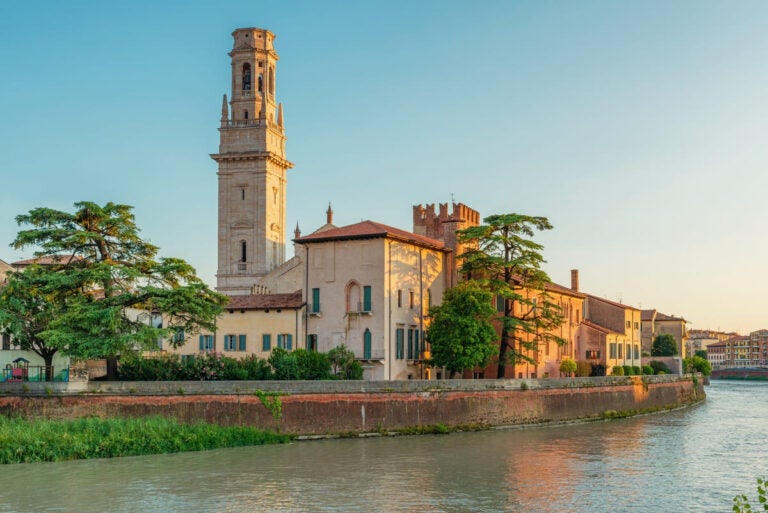
Perhaps the most significant way Italy’s Winter Olympics will feel different from past hosts is that it will take place in real towns.
Milan, Cortina, and all the other towns hosting events will remain fully functioning towns throughout the events. Businesses will serve both visitors and locals, and the residents will go about their daily business.
This allows tourists to see the “real Italy” rather than just purpose-built Olympic parks. It will also give visitors a realistic idea of what it’s like visiting vs living in Olympic cities.
It’s a fresh and welcome change to the Games as most past hosts have focused on creating that “Olympic bubble” where spectators are kept largely separate from local life.
For example, the London 2012 Summer Olympics were mainly held in the purpose-built Queen Elizabeth Olympic Park in East London. As a result, many spectators saw only a small part of London and did not experience the city’s diverse neighbourhoods.
The purpose-built zones look nice, modern, and well-polished during the games. But afterwards, they usually become soulless ghost towns.
The decision to move away from this Olympic park vibe gives visitors to the 2026 Winter Olympics a much more authentic, lived-in experience. You’ll get to explore the hidden histories behind Italy’s Winter Olympic cities, taste local specialties, and see some of the country’s most breathtaking landscapes!
Side-by-side with traditional winter tourism
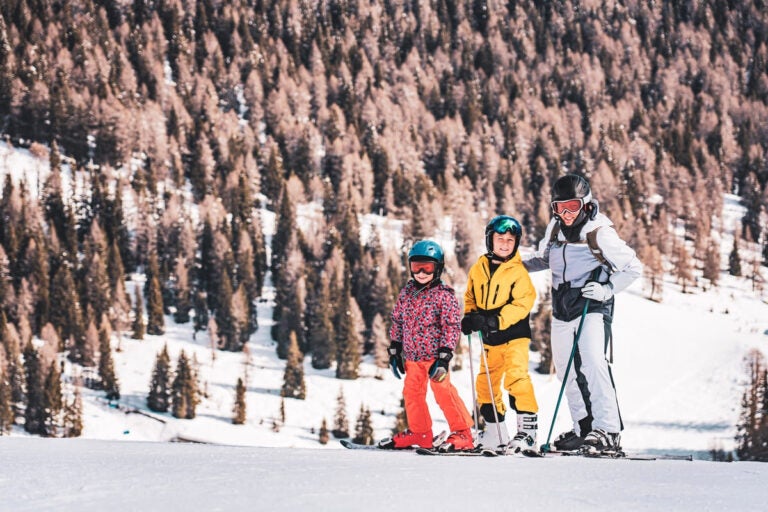
Another reason Italy’s Winter Olympics will feel different from past hosts is that the event falls during the peak winter season. The Games take place in several popular ski towns, where it will be the middle of ski season.
The result?
A unique opportunity to combine Olympic travel with a winter sports break.
Not only can spectators watch Italy’s Winter Olympics rising stars in action, but they can also try their hand at some of the sports.
So, if you’re heading to Italy this February, there’s no need to choose between sports and travel. When you’re not watching the events, you can enjoy a relaxed lunch at a mountain restaurant (rifugio), hit the slopes for a ski lesson, or unwind at a spa.
With the Olympics taking place during the high tourist season, there’s something for the whole family, including non-sports fans.
From Milan to the Dolomites, stay connected with Holafly
With Italy’s Winter Olympics spanning multiple towns and cities, staying connected is key to a smooth and stress-free trip.
With a Holafly eSIM, you’ll get instant activation and fast, unlimited data via reliable local networks. You can check train schedules, navigate venues, and find the best local restaurants, without worrying about roaming charges.
Check out Holafly’s eSIM for Italy and stay connected throughout the Games this February!

Unlimited data. Peace of mind.
Make sure you have travel data that's there when you need it most.
Plans that may interest you


Hey, I’m Mika! I’m an SEO specialist with 7+ years of experience and a passion for travel info that actually helps you explore smarter. I write travel guides and tips backed by SEO insights so you can spend less time searching and more time adventuring.

