




 Language
Reviews of Qatar Airways from pilots and flight attendants
In this post, we take a look at what it’s like to work for Qatar Airways, as described by its flight attendants and pilots. Find out more here

If you’re considering joining one of the world’s most recognised airlines, you’ve likely already heard of Qatar Airways. Based in Doha, Qatar, this airline has collected decades of awards, serves more than 160 destinations across six continents, and holds a reputation that places it among the world’s best airlines according to Skytrax. So, what is the experience of working for them really like?
In this article, you’ll find real reviews from cabin crew and pilots who have worked, or still work, there. We analyse salaries, schedules, benefits, the work environment and, of course, the advantages and disadvantages of joining this airline. We also explain how to stay connected to the internet while travelling around the world with Qatar Airways or other airlines.
Qatar Airways cabin crew reviews
Salaries: How much is a Qatar Airways cabin crew salary?
In specific terms, a new cabin crew member can earn around 9,500–13,000 QAR per month (approximately €2,210–3,034 ($2,600–3,570)), while more experienced crew can earn over 18,000 QAR (€4,249 ($5,000)). The average number of flight hours sits between 90 and 120 per month, which is far higher than at many Western airlines. It’s important to highlight that these figures depend on the type of flight, as routes with layover allowances usually generate more income than short rotation flights.
Benefits:
Qatar Airways’ benefits package is one of its strongest recruitment arguments. Beyond salary, the airline offers furnished accommodation in Doha with bills included, transport to and from work, and medical, dental and life insurance, as well as around 30 days of paid annual leave.
One of the most frequently mentioned advantages is the tax regime: Qatar doesn’t apply income tax, so crew keep everything they earn, with no deductions. In addition, the company covers accommodation and transport costs, which reduces the real cost of living in Doha considerably.
Discounted tickets are another highly valued perk. Cabin crew can access ID90 and ID50 fares, which allow them to travel at very low prices with both Qatar Airways and Oneworld airlines. Discounts also extend to family and friends, with the possibility of obtaining unlimited free tickets for themselves and their family.
Reviews of working at Qatar Airways
One employee who worked at the airline for several years summed it up like this on Indeed: “Excellent pay, but you’ll work hard with many flight hours. You’ll be tired and well paid, and the company will give you many benefits, such as discounted tickets for you and your family.”
Another employee on Indeed described the experience like this: “What I enjoy most about the job is the ticket benefit, which lets me and my family travel around the world.”
However, the story has another side: some employees point out that they can’t live outside the accommodation provided by the company and that they sometimes share a flat with a roommate they don’t get along with, which limits personal freedom. There are also complaints about the curfew imposed by the company: “I enjoy the benefits the company offers, but it can be stressful; it isn’t for everyone, besides the curfew…”
Qatar Airways cabin crew schedules
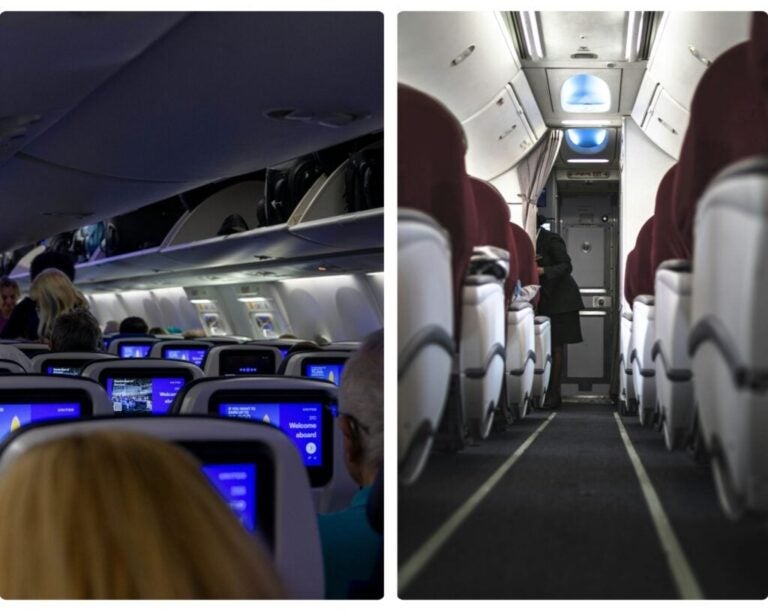
These schedules create the biggest point of friction for Qatar Airways cabin crew, as long hours, irregular shifts and pressure to maintain the airline’s high service standards can lead to accumulated fatigue. Last-minute roster changes are another recurring issue. A typical day may begin with a flight to a familiar or unknown destination, either as a return rotation or with a layover, and the duration varies greatly depending on whether the flight is short, medium, long or ultra-long haul. Uncertainty about when and where rest will happen forms part of daily life.
It’s widely known that they can’t fully enjoy standby days, as they may be assigned to work at any moment. Another limitation mentioned is not being able to leave the city when they only have a few consecutive rest days and their assigned base remains far from their home country.
Some even describe the environment as “toxic” and warn that they will likely reach burnout at some point, especially if they stay in Doha for more than two years. One employee on Indeed describes it plainly: “Too many flights without enough rest between them.”
That said, some voices sound more positive: “Layovers are great and the salary is very good. The job is hard, but if you like people and travelling, it’s worth it. Hours are calculated so the employee gets enough rest.”
Reviews of the work environment
The atmosphere among cabin crew receives mixed descriptions. Many Qatar Airways cabin crew members highlight cultural diversity as one of the job’s richest aspects, as they work side by side with colleagues from dozens of different nationalities. “I really enjoyed working there because everyone respects each other. If we do everything correctly according to procedures, there’s nothing to worry about.”
Even so, critical opinions also carry weight. Some employees say the internal culture can feel toxic, with favouritism towards certain nationalities, especially from South Asia, and that management structures make it hard for frontline voices to reach senior levels.
Others point out that leadership at higher levels remains weak and that it’s hard to be heard, with very long days and rest periods that don’t always feel sufficient. Pressure to maintain Qatar Airways’ customer service standards, considered among the highest in the sector, also creates tension.
Communication between the passenger cabin and the flight deck generally feels professional and respectful, although the hierarchical distance is clear: cabin crew rarely have direct contact with the flight crew outside pre-departure briefings.
Advantages and disadvantages of working as cabin crew at Qatar Airways
| ✅ Pros | ❌ Cons |
|---|---|
| Tax-free salary with strong hourly and layover allowances | Very demanding schedules with a high monthly workload (90–120 h) |
| Accommodation, transport and medical insurance covered by the company | Requirement to live in corporate accommodation |
| Network of more than 160 cities across 6 continents | Curfew and strict rules outside work |
| Free or heavily discounted tickets for employee and family | Possible burnout after 2 years without managing rest well |
| Promotion opportunities to Purser or Cabin Service Director | Assigned base with no choice available (always Doha) |
| High-level internal training based on luxury standards | Very strict image policies (appearance, uniform, weight) |
| International experience highly valued in the job market | Seniority determines routes and rosters, which affects new crew |
| Layovers in premium destinations with good hotels | Short layovers on regional routes with little time to enjoy them |
Editorial view: Compared with premium airlines such as Emirates or Lufthansa, Qatar Airways clearly shows the logic behind its high salaries and internal competitiveness: Its model relies on delivering an elite experience, curated in every detail.
This model combines luxury with a strong position in the global market and shapes the working life of its crew. In this context, cabin crew fulfil an operational role and represent the brand standard. Therefore, it’s essential to understand that, although this environment offers professional growth and valuable international experience, it also demands constant effort.
Working here means making a clear choice: You prioritise a structured system that drives your growth in exchange for giving up part of your personal freedom.
Pilot reviews at Qatar Airways
Salaries
Qatar Airways is widely recognised as one of the world’s best-paying airlines for pilots, and the figures support that reputation. Salaries are tax-free and can reach up to €254,951 ($300,000) per year for senior captains on long-haul routes.
The salary structure is divided by rank. First officers usually earn between €59,489–101,980 ($70,000–120,000) per year, while captains sit between €127,476–212,459 ($150,000–250,000) annually, although some senior long-haul profiles exceed that figure. At the lowest level, second officers, who usually come straight from flight school, earn around €2,295 ($2,700) per month, which means about €27,535 ($32,400) per year.
Base salary is complemented by flight-hour pay, layover allowances and bonuses according to the type of operation. Captains operating the Airbus A350 or Boeing 777 on long-haul routes tend to sit at the top end of the salary range, often exceeding €169,967 ($200,000) per year.
However, not everything looks as bright as it seems. One pilot on Glassdoor warns clearly: “The benefits package has been reduced to embarrassing levels. Competitors are giving sign-on bonuses and increasing salaries regularly. QR has gone five years without a pay rise, with only a 3% inflation adjustment for one year. Real savings fall year after year. There are no bonuses any more.”
This point matters: although gross figures remain high compared with many markets, the gradual erosion of benefits and the lack of real salary growth lead several pilots to reconsider staying with the company.
Opening Hours
According to many pilots, Qatar Airways schedules are demanding to the limit. Rotation systems work employees up to the maximum allowed, with a minimum of eight days off per month that, in practice, also acts as the real ceiling for rest.
One of the most repeated complaints on specialist forums such as PPRuNe concerns the management of standby days. The airline tends to insert standby days between consecutive rest periods, which prevents pilots from leaving the country during their days off. For those with family abroad, this feels especially frustrating.
Within three years, estimates suggest that first officers may need between 10 and 11 years to achieve promotion to captain at Qatar Airways. Faced with that outlook, many ask why they would continue choosing this airline.
Early-morning duties and rotations with several nights away are the rule, not the exception. The destination network that makes Qatar Airways so attractive, almost 200 cities across six continents, also means that pilots spend many nights in layover hotels before returning to Doha. Real rest between sectors exists and remains regulated, but the build-up of fatigue over time is a recurring issue in the reviews consulted.
Benefits:
Beyond salary, Qatar Airways offers its pilots a fairly broad benefits package. Captains receive a four-bedroom villa or flat, or alternatively a monthly housing allowance of €3,484 ($4,100).
As for holidays, pilots are entitled to 42 days of paid leave each year, and there is some flexibility to request preferred routes, specific days off or swap duties with colleagues.
Medical insurance is comprehensive: it covers the pilot and their immediate family, remains valid worldwide, and includes treatment in Doha as well as care needed during an overseas layover. In addition, the company covers children’s school fees up to the age of 21, a benefit highly valued by expatriate pilots with families.
Travel benefits are also generous: pilots and their families enjoy confirmed economy class tickets and standby business class seats, with additional access to Oneworld partners for low-cost travel around the world. They can use up to 15 tickets of this type each year.
However, some pilots warn that benefits have been cut gradually in recent years. Allowances on some layovers have been reduced on the grounds that crew do not always eat in the hotel, with rates adjusted to local restaurant prices, while general prices have risen. The result is simple: less real money for the same spending.
Work environment
The atmosphere on the Qatar Airways flight deck receives mixed reviews. The relationship between captain and first officer is usually professional and cordial in day-to-day operations, but the broader organisational climate generates more controversy.
Some describe a “regime of fear” with aggressive management and disproportionate sanctions. Pilot retention is a clear challenge: even with tax-free pay, many leave because of the poor treatment they receive.
The airline’s safety culture is technically strong: Qatar Airways operates with strictly standardised procedures and applies mandatory recurrent training. But operational pressure around punctuality is intense. Several pilots on PPRuNe point out that cost and punctuality targets create tensions that sometimes become uncomfortable.
Some pilots have questioned flight-time records and the application of international rest rules, although the Qatari aviation authority has validated the company’s procedures.
Communication with cabin crew, flight attendants and service staff is described as correct within protocol, although the hierarchical distance at Qatar Airways is more pronounced than at European or North American airlines. The captain holds authority that is rarely challenged, which may feel positive or negative depending on the pilot’s profile.
Support from the flight operations department also generates divided opinions: some pilots indicate that fleet management does not always support them when roster conflicts or personal needs arise.
Advantages and disadvantages of working as a pilot at Qatar Airways
| ✅ Pros | ❌ Cons |
|---|---|
| Tax-free salary, one of the highest in the sector | No real salary increases in the last 5 years |
| Modern fleet: A350, B777, A380, with the B777X joining | Very slow progression to captain: up to 10–11 years for some FOs |
| International network of almost 200 destinations, with great route variety | Assigned base in Doha with no commuting option |
| 42 days of paid leave per year | Interspersed standby days that stop pilots leaving the country |
| Housing, worldwide medical cover and children’s education included | Gradual cuts to allowances and benefits since the pandemic |
| Recurrent training and type rating covered by the airline | Organisational culture perceived as authoritarian by many |
| Free tickets for family + access to Oneworld | High turnover and difficulty retaining talent |
| Widebody fleet experience highly valued in the global market | Very high operational pressure around punctuality and costs |
Editorial view: In this respect, when compared with airlines such as Emirates or Lufthansa, Qatar Airways offers a powerful combination of salary, fleet and international projection. But that promise coexists with a less visible reality: career progression is slower than many expect, because the system prioritises operational stability and service consistency over rapid promotion.
So, when you choose to work there, you choose to grow within a structure that moves at its own pace.
This doesn’t make it better or worse than other airlines, but it does make it more suitable for those who prioritise stability, international experience and compensation from the start, and less suitable for those seeking fast promotion or greater control over their time.
How do you connect to the internet while working and travelling with Qatar Airways?
Life in the air has plenty of appeal, but it also brings a very specific problem that cabin crew and pilots face every week: How do you stay connected to the internet reliably, without paying extreme roaming charges or relying on hotel WiFi?
The most practical solution currently available for crew members who travel constantly around the world is Holafly’s eSIMs.
What is Holafly and why is it ideal for Qatar Airways crew?
Holafly is a data eSIM platform that lets you activate a local connection in more than 160 destinations worldwide, directly from your phone, with no need to change a physical SIM card or look for a mobile shop when you arrive at the airport. For a cabin crew member on a layover in Nairobi, Manila or Buenos Aires, with only a few hours to leave the hotel, this makes a real difference.
Start flying with an active eSIM from day one. Holafly gives you instant connection in every destination, removes roaming and stops you depending on unstable networks. It’s a practical decision that saves you time, money and friction on every layover.

Frequently asked questions about what it’s like to work at Qatar Airways
The standard contract for cabin crew has an initial duration of two years, renewable according to performance and the company’s needs.
Yes. Qatar Airways operates under a single-base model: All crew members have their operational base at Hamad International Airport in Doha.
Qatar Airways applies some of the strictest image policies in the sector. Cabin crew must maintain a weight proportional to their height, wear make-up according to company guidelines, and keep the uniform immaculate at all times.
Yes. Qatar Airways is a member of the Oneworld alliance and operates under the highest international air safety standards. Recurrent training is compulsory, simulators are state of the art, and procedures align with IATA and ICAO guidelines.
For cabin crew, promotion from economy to business class usually happens after around two to two and a half years of service, and from there they can progress to Purser or Cabin Service Director roles.
This is one of the role’s biggest challenges. Distance from home countries, irregular schedules, nights away from home and the requirement to live in Doha lead many crew members to admit that work-life balance is difficult to sustain in the long term.