Language


 No results found

How to check eSIM compatibility?
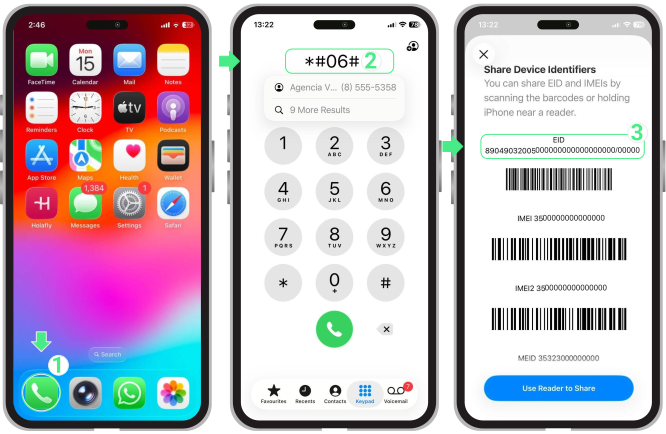
If you want to know how to check eSIM compatibility, the fastest way is to dial *#06# on your phone. If an EID number appears on the screen, your device supports eSIM. You can also confirm compatibility directly from your phone’s settings. Since the exact steps vary depending on the operating system, below you’ll find clear instructions for checking eSIM compatibility on iPhones and Android devices, along with what to do if your phone doesn’t show these options.
Check eSIM Compatibility with a Dial Code
Dialing *#06# is a universal way to check eSIM compatibility, and it works regardless of the device brand. When you enter the code, an information screen with several numbers and barcodes appears.
If you see an EID (Embedded Identity Document), your phone supports eSIM. If only IMEI numbers appear and no EID is listed, the device does not support eSIM and only works with a physical SIM. This check does not place a call; the screen appears automatically after entering the final #.
Check eSIM Compatibility in Your Mobile Settings
You can also confirm eSIM compatibility directly from your phone settings. This check depends on the operating system, since the menu structure differs between iPhone and Android devices. Below, you’ll find the exact paths to follow on each system to verify whether your phone supports eSIM.
How to Find eSIM on iPhone
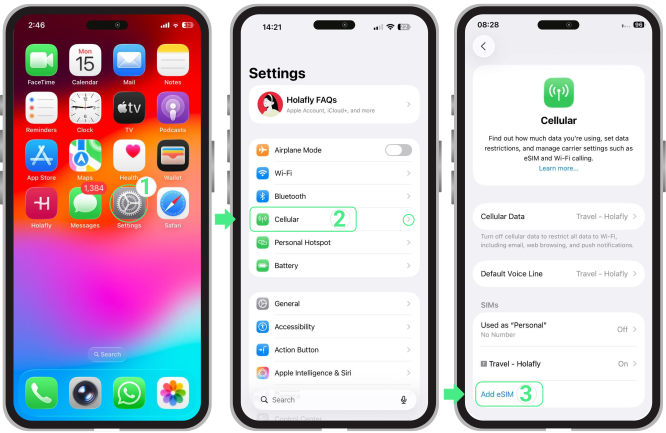
Checking eSIM compatibility on an iPhone is quick and simple, since the menu layout is the same across supported devices.
- Go to Settings → Tap on Cellular (Mobile service) → If the “Add eSIM” option is available, your iOS device supports eSIMs.
How to check eSIM support on Android
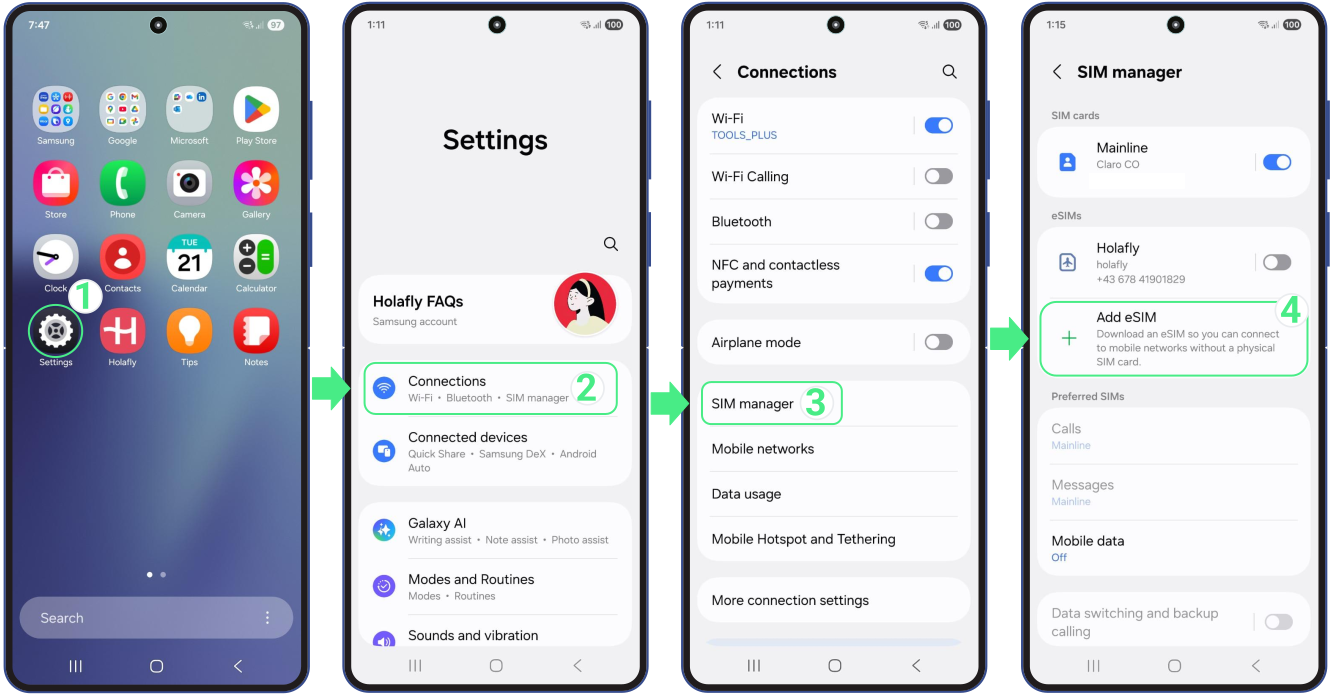
On Android devices, the exact path can vary slightly depending on the manufacturer. The steps below reflect the most common setup.
- Go to Settings → Choose Connections → Select SIM Manager → If the “Add eSIM” option is available, your phone is compatible.
If you’re using a different Android brand, such as Google Pixel, Motorola, Xiaomi, or Huawei, the menu path may look slightly different. You can follow the specific instructions for your device or check our general list of eSIM-compatible phones.
To Keep in Mind
Even after you check eSIM compatibility, a few external factors may influence eSIM availability on your phone.
- Some phones are restricted to a specific carrier, which can prevent eSIM use even if the device is compatible.
- The country of manufacture can affect eSIM compatibility. Phones made for certain regions may use different hardware configurations, especially when purchased through international importers.
- eSIM availability can vary between versions of the same phone series, so confirming the exact model and release helps avoid confusion.
Troubleshooting Tips
What to do if your phone is not eSIM compatible?
If you’ve completed the eSIM compatibility check, and your phone doesn’t support eSIM, don’t worry. As long as you haven’t installed the eSIM on any device yet, you still have a few good options.
- Use the eSIM on another eSIM-compatible smartphone or tablet.
- Save the eSIM for later if you plan to upgrade to a compatible device.
- Gift the eSIM to a friend or family member with a compatible device.